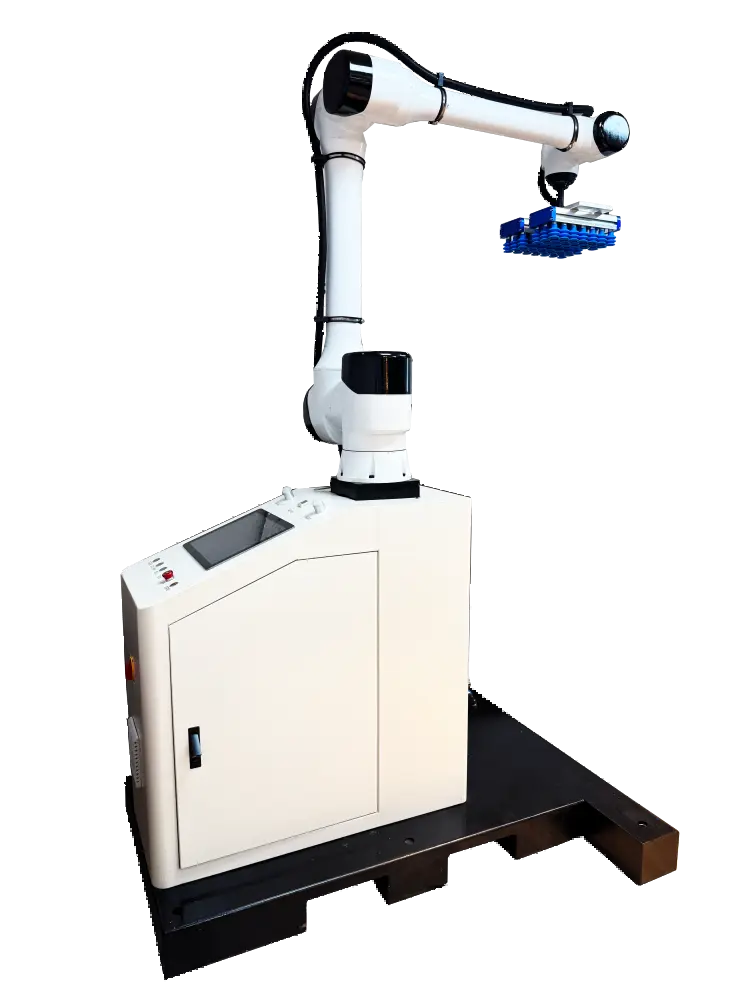

How Palletizing Robots Transform Warehouses? Reinventing Logistics Operations in the Age of Automation
🧠 Key Insight: Modern warehouses no longer view robots as luxury investments but as essential tools achieving ROI in under 2 years through 24/7 operation and optimized resource utilization.
The Hidden Cost of Traditional Palletizing
Manual palletizing isn’t just physically demanding – it’s a complex operational challenge. Human workers face:
-
- Physical Strain: Repetitive lifting of 500+ cases/hour causing fatigue and injury risk
-
- Inconsistency: Variable stacking patterns affecting stability and trailer utilization
-
- Throughput Limitations: Physical constraints of human operators (breaks, shifts, peak-time bottlenecks)
-
- Space Inefficiency: Manual stations requiring larger footprints than robotic cells
A typical mid-sized warehouse spends $300K annually on palletizing labor alone with additional costs for worker’s compensation and quality errors.
Robotic Precision in Action
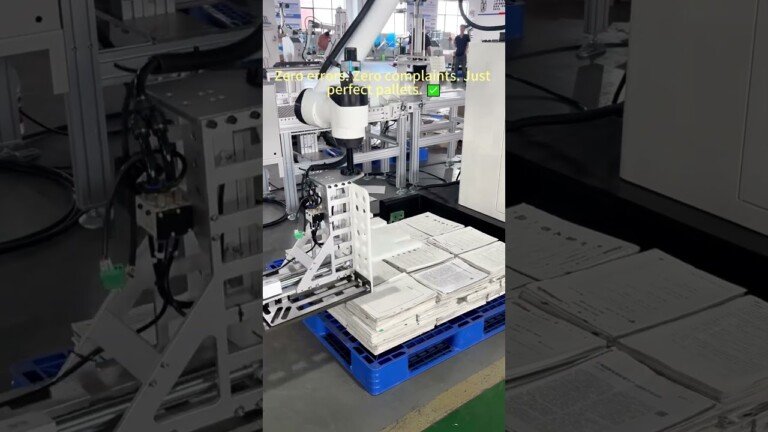
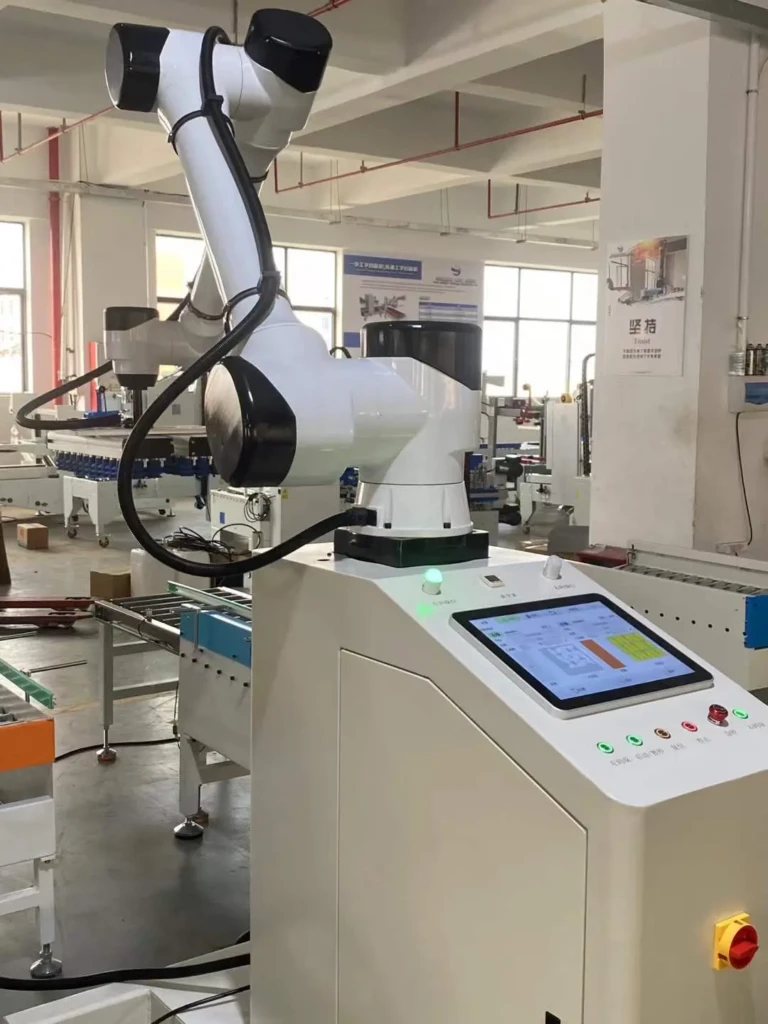
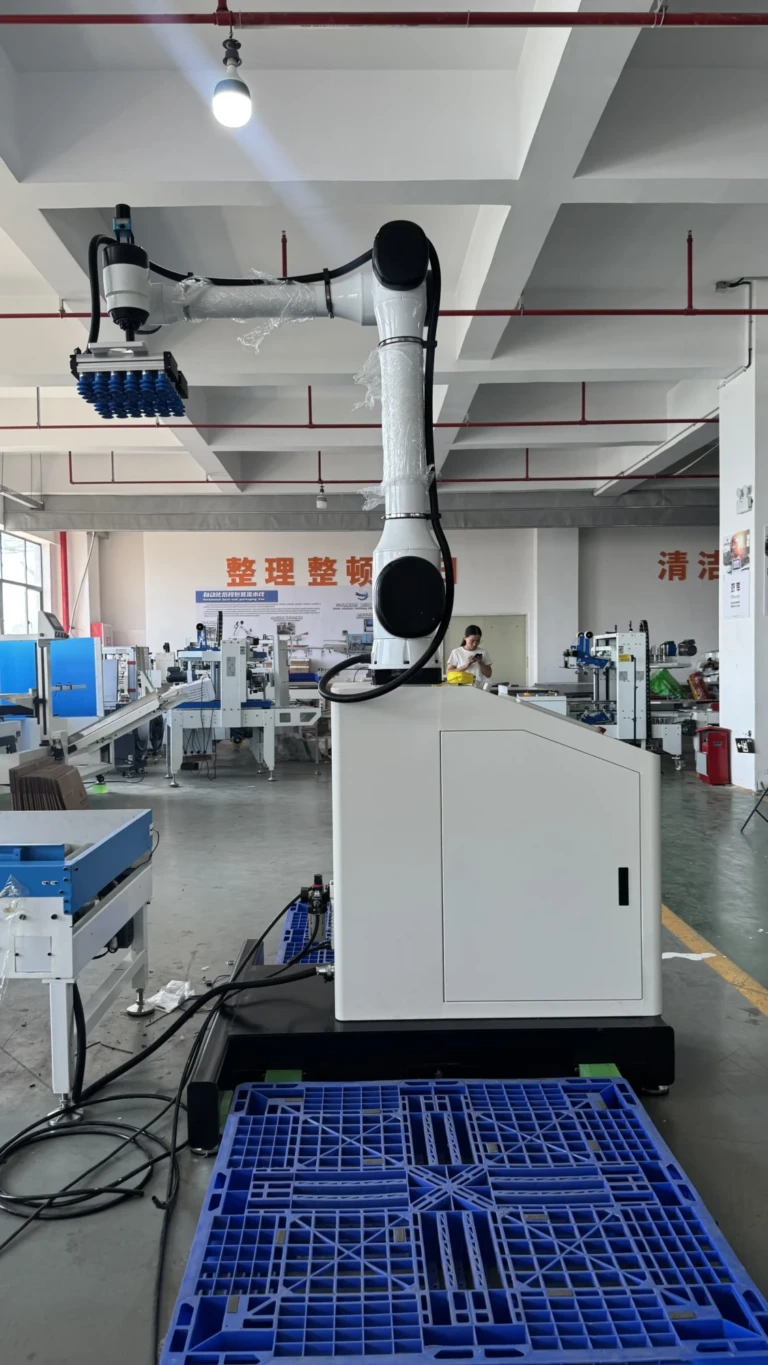
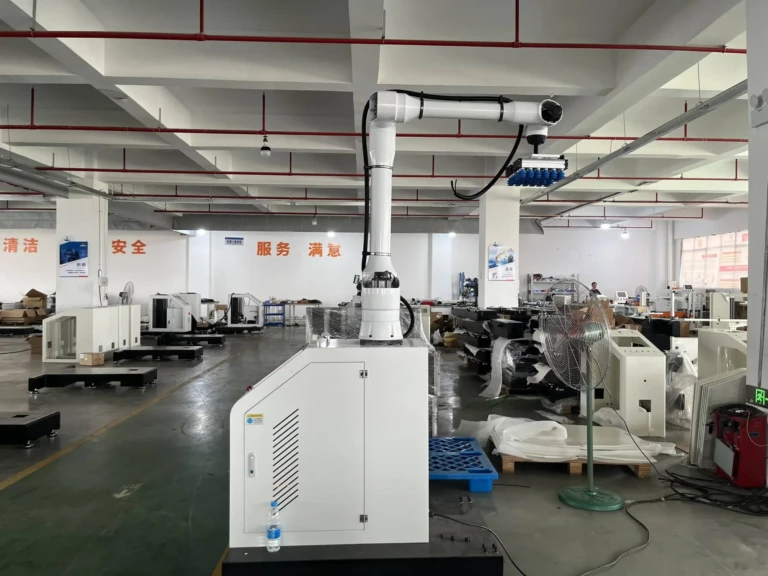
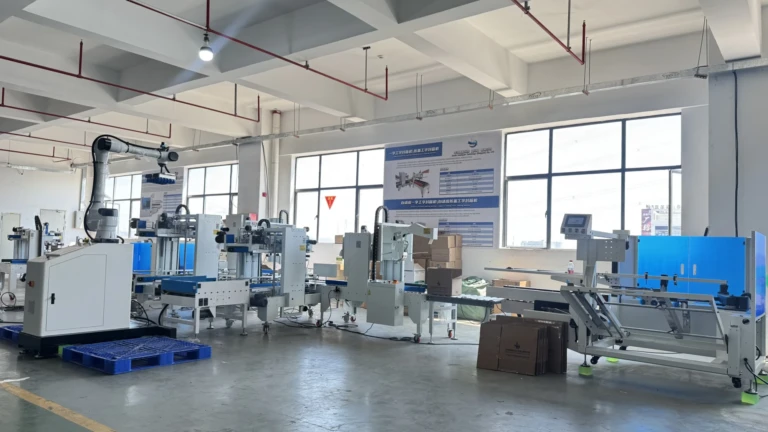
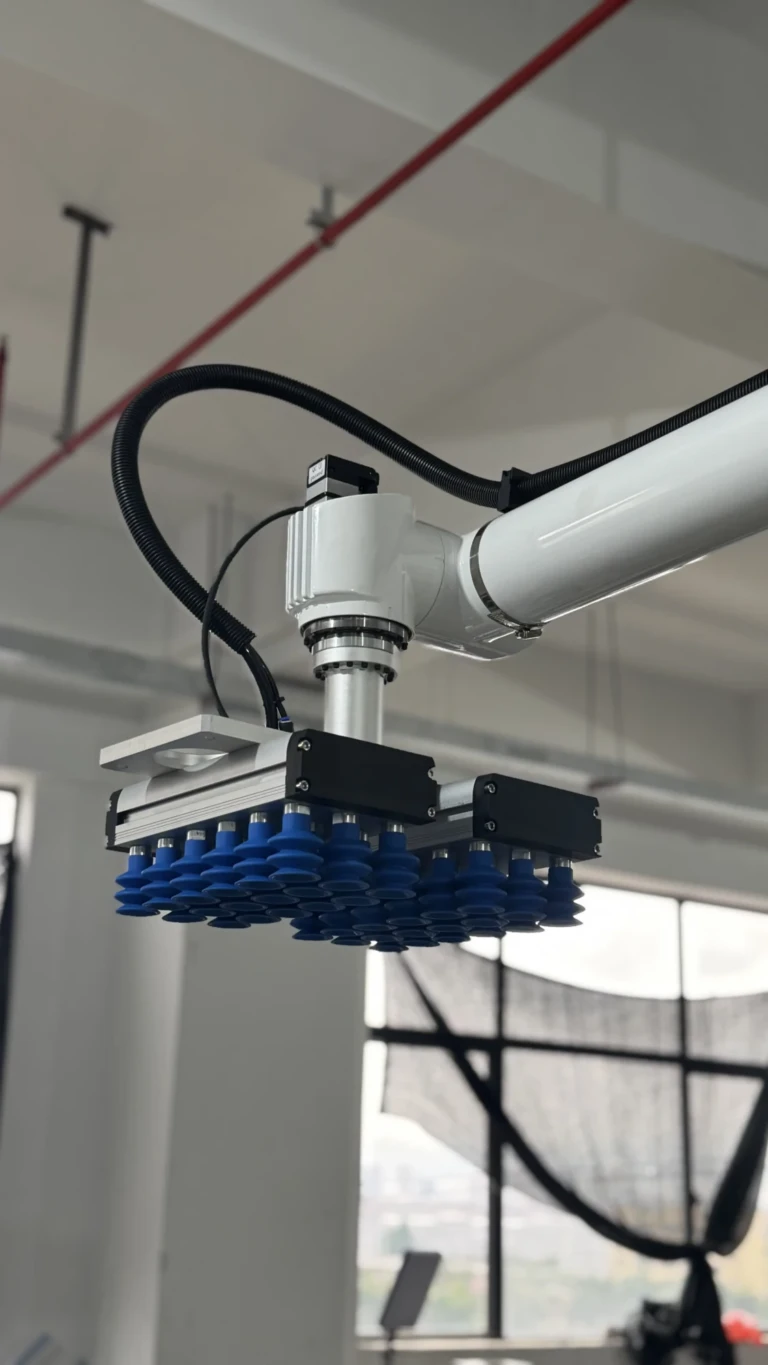
Palletizing robots transform workflows with integrated systems combining:
-
- High-payload articulated 6-axis robots
-
- Machine vision for package identification
-
- Smart pattern-generating software
-
- Seamless integration with conveyor systems and WMS
Solutions range from robotic arms handling 1,500 cases/hour to mobile AMR palletizers that navigate warehouses autonomously.
Core Benefits Driving Adoption
📈 Skyrocketing Productivity
-
- 200-300% throughput increase with continuous operation
-
- No scheduled downtime – operate 24/7/365 including holidays
-
- 4-minute pallet build cycle times for standardized loads
💸 Significant Cost Reduction
-
- Reduce labor costs by 50-70% compared to manual teams
-
- ROI within 18 months through labor savings and damage reduction
-
- 97% accuracy eliminates costly product damage and rework
🛡️ Enhanced Safety
-
- Removes workers from high-injury risk tasks (heavy lifts/repetitive motion)
-
- Built-in safety sensors creating collaborative workspaces
-
- Reduced worker’s compensation claims by up to 40%
🔁 Unmatched Flexibility
-
- Quick reprogramming for package size changes (no physical adjustments)
-
- Hybrid solutions handling boxes, bags, and irregular items
-
- Seamless seasonal scaling without hiring/training delays
📊 Real-Time Operations Intelligence
-
- Continuous data capture on throughput, cycle times, and errors
-
- Predictive maintenance alerts reducing unexpected downtime
-
- Load optimization algorithms maximizing trailer space utilization
The New Warehouse Reality
🏆 Competitive Advantage: Early adopters report 35% lower fulfillment costs and 99.8% order accuracy, creating pressure for industry-wide adoption.
Modern palletizing solutions are not merely replacing humans but enabling strategic redeployment:
-
- Trained staff move to quality control and supervision roles
-
- Operators oversee multiple robot cells simultaneously
-
- Human skills focused on exception handling and process optimization
With configurable setups now economically viable for warehouses as small as 30,000 sq ft, the automation barrier has disappeared. The maintenance advantage is equally transformative – modern systems feature plug-and-play components with remote diagnostics minimizing technical support needs.
The Future is Stacked
The palletizing revolution has fundamentally changed warehouse economics. As technology advances, we’re seeing:
-
- AI-driven systems predicting optimal stacking patterns for mixed loads
-
- Cloud-connected fleets sharing efficiency improvements across networks
-
- Pay-per-pallet robot leasing eliminating capital investment barriers
Warehouses that embrace automation aren’t just cutting costs today—they’re building resilient, future-proof operations ready to scale at the speed of market demand. The question has shifted from “Should we automate?” to “Which processes should we automate first?”