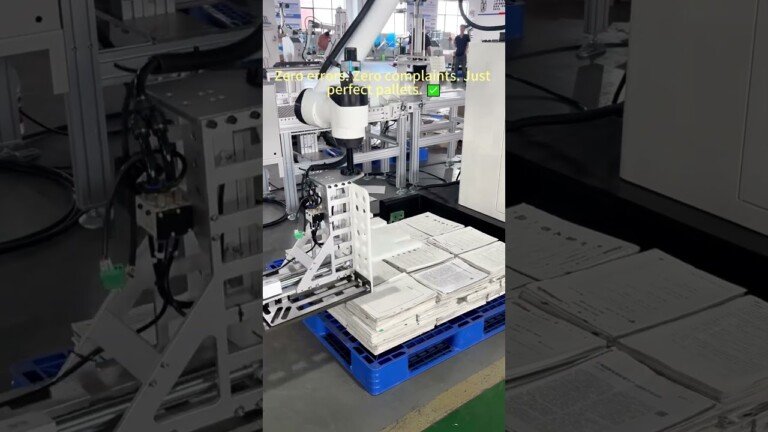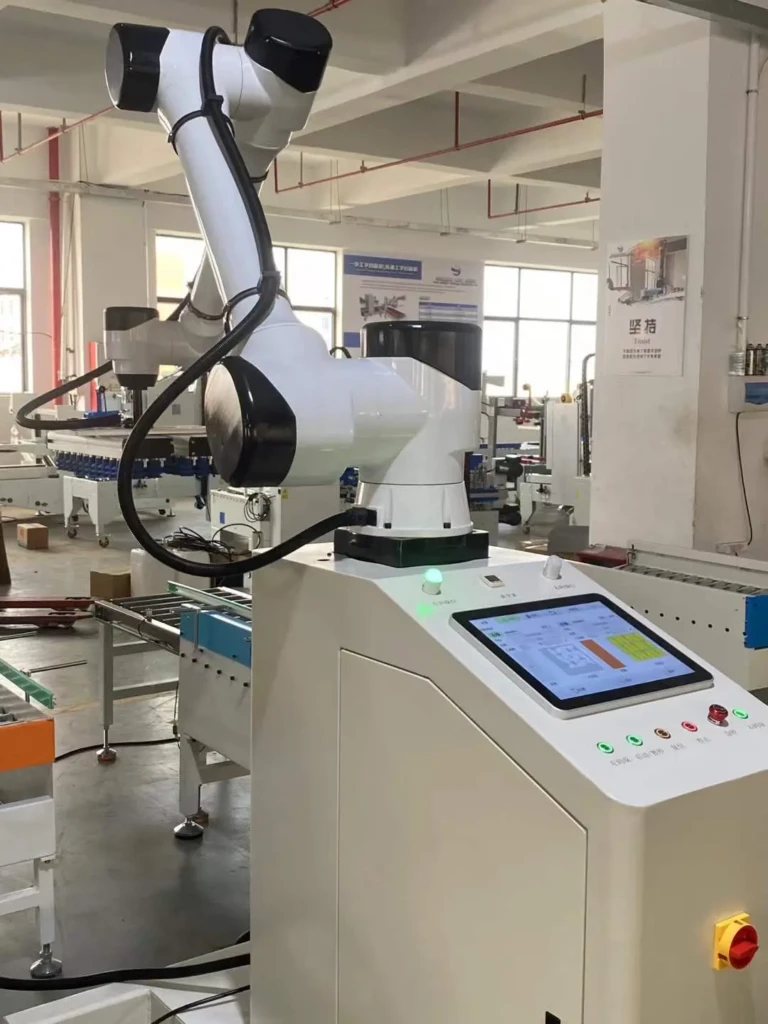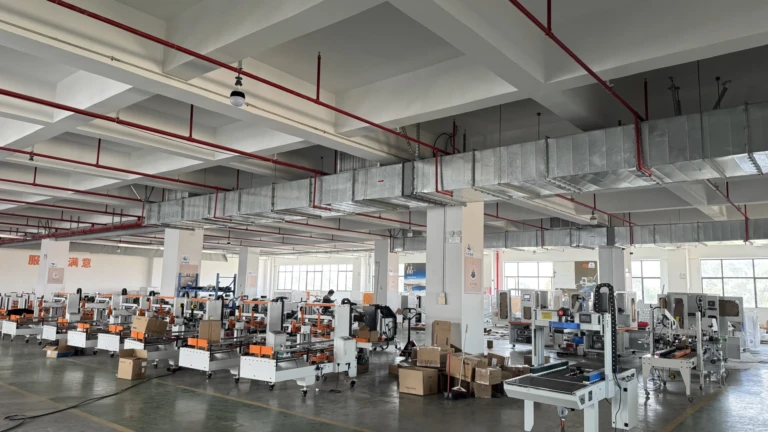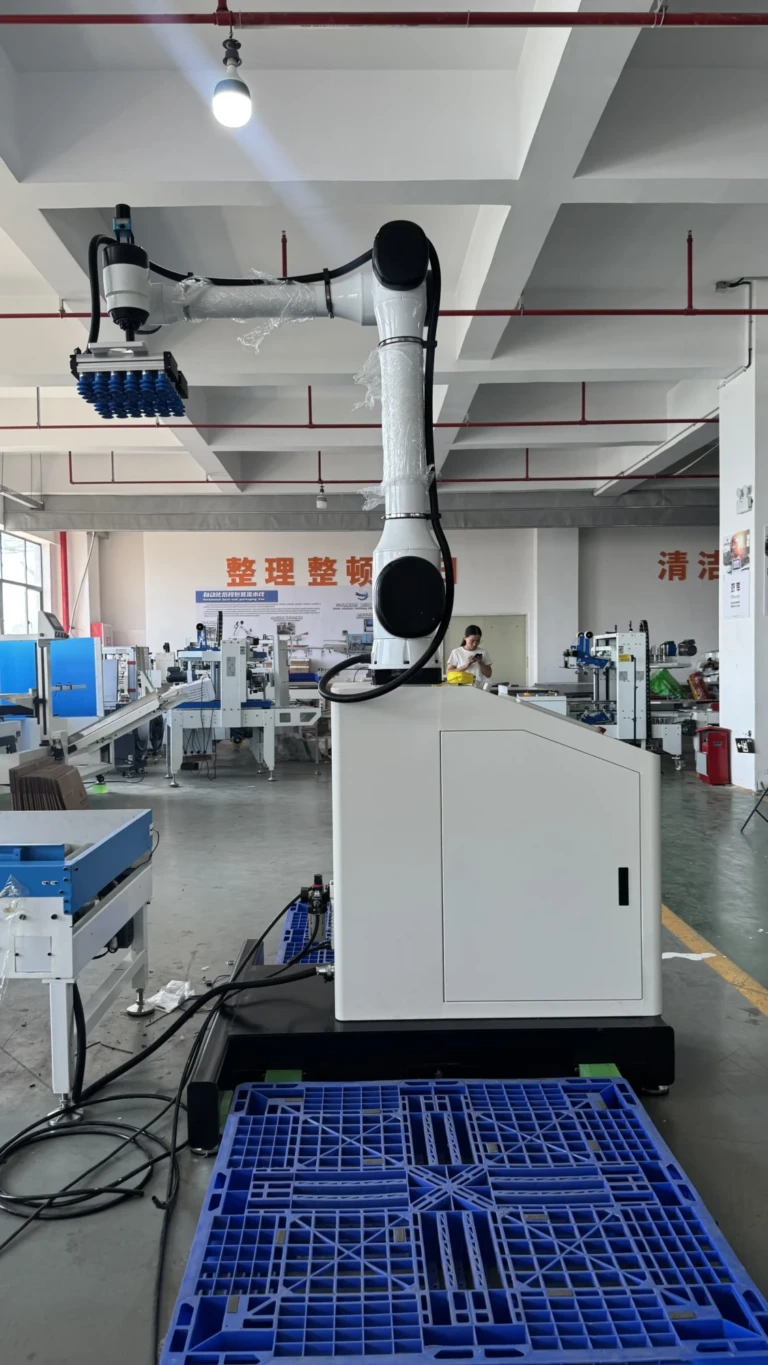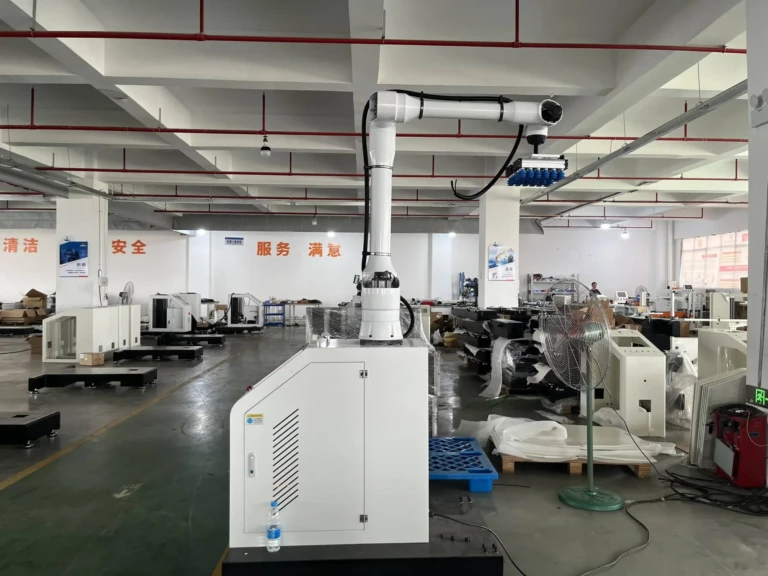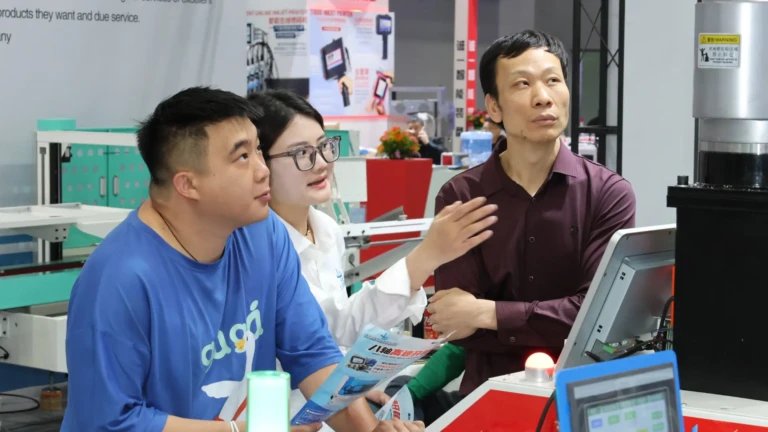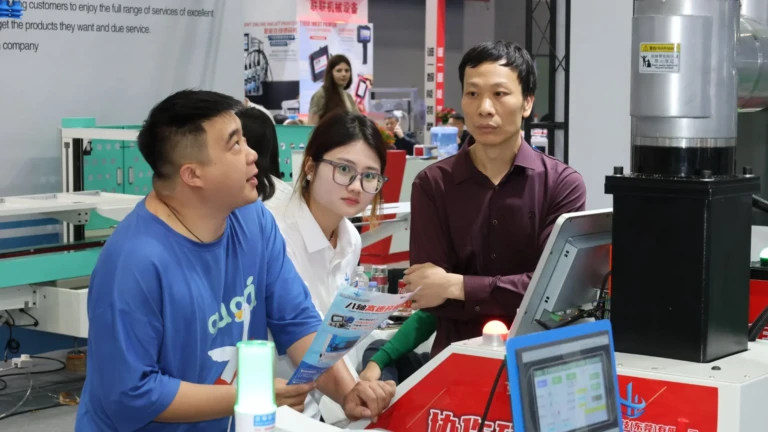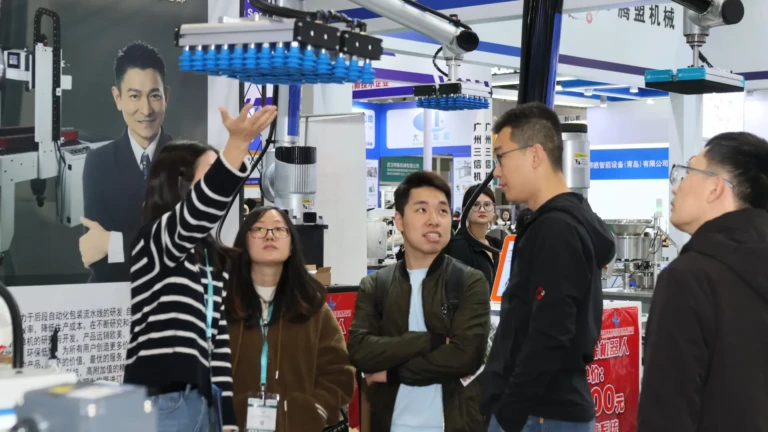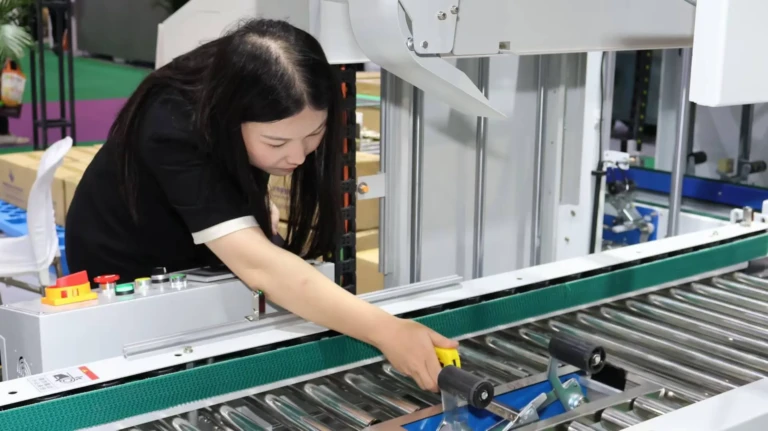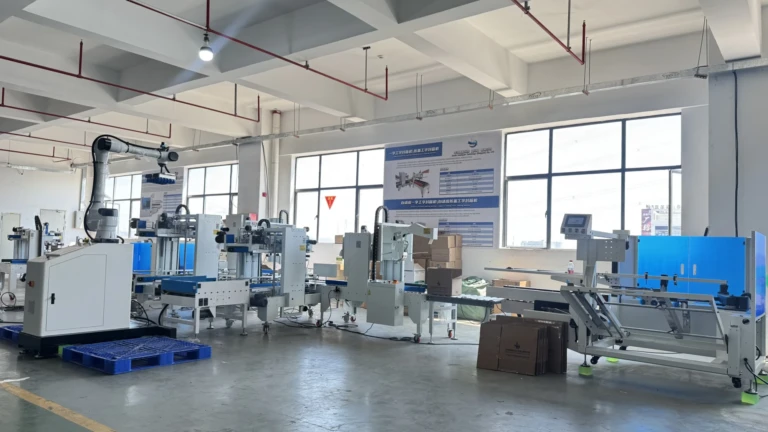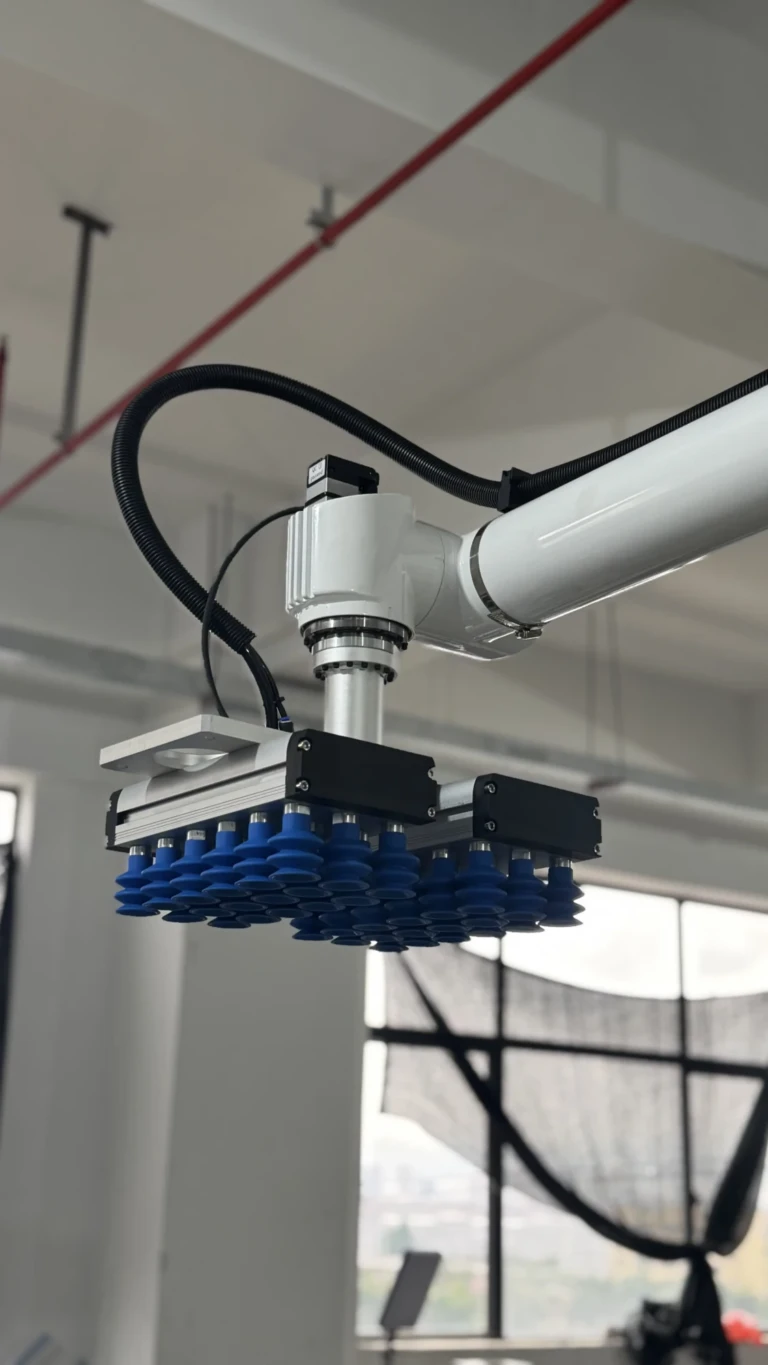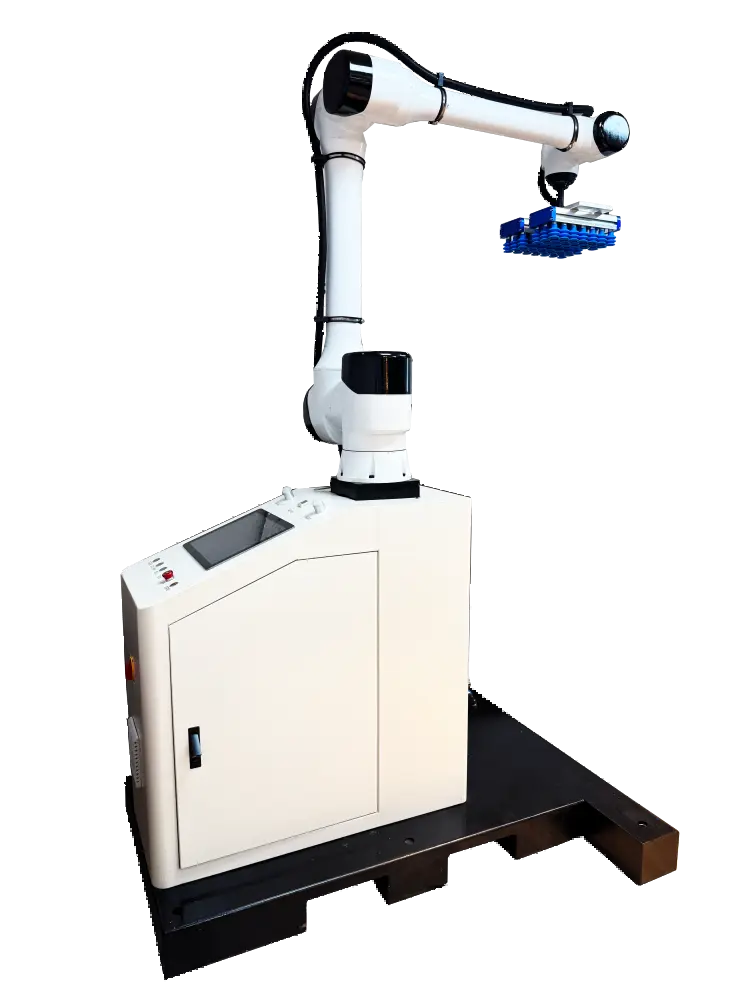

In the fast-paced world of logistics and manufacturing, seconds matter. Traditional manual palletizing of bags—whether containing cement, fertilizer, pet food, or chemicals—has long been a bottleneck subject to human fatigue, inconsistency, and safety risks. Enter robotic bag palletizers: precision-engineered systems transforming operations across industries. As leading innovators like Huaxiu Robot advance their portfolio of collaborative robots and fully integrated packaging solutions, businesses are uncovering unprecedented gains in productivity, accuracy, and cost control.
The Efficiency Equation: Breaking Down the Numbers
Robotic palletizers excel where humans reach physical and economic limits. Consider these key efficiency drivers:
-
Speed Without Sacrifice
Human workers might manage 6–10 bags per minute under optimal conditions. Modern robotic systems like Huaxiu’s collaborative palletizing robots achieve 15–30+ bags per minute consistently, regardless of shift duration. With advanced servo motors and AI-driven path optimization, robots minimize empty travel time and adjust grip patterns dynamically. -
24/7 Operational Readiness
Robots don’t require breaks, vacations, or shift rotations. Paired with Huaxiu’s fully automatic stretch film packaging robots or strapping robots, palletizing systems create seamless end-to-end workflows that maximize uptime—critical for facilities running high-volume seasonal campaigns. -
Labor Cost Redirection
Reassigning staff from repetitive palletizing to quality control, machine oversight, or technical roles optimizes human resources. One Huaxiu user in the polymer industry reported a 40% reduction in labor costs—not through layoffs, but by upskilling workers to manage robotic workflows. -
Stacking Perfection = Zero Product Damage
Misshapen pallets cause product spillage, delayed shipments, and wasted materials. Robotics ensure millimeter-perfect alignment using 3D vision systems and force feedback. Huaxiu’s pallet forming robots can even detect and compensate for irregularly shaped bags. - Rapid Reprogramming for Mixed-SKU Environments
Unlike fixed automation, modern palletizers handle diverse bag sizes and weights (e.g., switching from 10-lb pet food to 50-lb industrial compounds in minutes). Huaxiu’s collaborative models use no-code interfaces, allowing operators to update pallet patterns via touchscreen.
Beyond Efficiency: The Strategic Advantages
The impact extends far beyond speed metrics:
-
Safety Transformation
Eliminating manual lifting reduces ergonomic injuries—a leading cause of worker compensation claims in material handling. Collaborative robots (cobots) like Huaxiu’s operate safely alongside humans without cages, using LiDAR and torque sensors for instant shutdown upon contact. -
Space Optimization
Robotic arms require minimal floor space vs. conveyor-heavy manual setups. Vertical stacking capabilities also improve warehouse cube utilization. -
Sustainability Wins
Precise film application by Huaxiu’s shrink packaging robots or stretch film robotics cuts plastic usage by up to 30% versus manual wrapping, meeting ESG goals. - Data-Backed Decision Making
Integrated IoT sensors track cycle times, maintenance needs, and energy consumption, feeding analytics platforms for continuous improvement.
Choosing the Right System: Huaxiu’s Integrated Ecosystem
Not all palletizers are created equal. Key selection factors include:
- Payload Capacity: Heavy-duty models handle 100+ lb bags; cobots excel in lighter, high-mix settings.
- Integration Depth: Ensure compatibility with upstream/downstream equipment (e.g., Huaxiu’s automatic sealing robots or semi-automatic sealing robots).
- Flexibility: Prioritize systems offering quick-change grippers and adaptive AI vision.
- ROI Horizon: Most users break even in 12–24 months through labor savings and waste reduction.
Conclusion: The Future Is Stacked Intelligently
Robotic palletizing isn’t merely about replacing labor—it’s about redefining workflow potential. As Huaxiu Robot and others innovate with smarter, safer, and more adaptable systems, businesses gain a competitive edge through operational resilience, reduced waste, and newfound agility. Whether upgrading legacy systems or designing greenfield facilities, robotic palletizers represent a foundational investment in scalable efficiency.
FAQs: Robotic Bag Palletizers Demystified
Q1: Can robotic palletizers handle torn or deformed bags?
Yes. Advanced vision systems detect irregularities and either adjust grip points or reject compromised bags without stopping the line.
Q2: What’s the typical maintenance requirement?
Huaxiu’s systems average 1–2 hours of monthly maintenance—mostly lubrication and sensor calibration—vs. daily manual system checks.
Q3: Are these robots safe around human workers?
Collaborative models (like Huaxiu’s cobots) comply with ISO/TS 15066 safety standards, using force-limited joints and real-time obstacle detection.
Q4: How long does deployment take?
Standard systems install in 2–4 weeks, including programming and testing. Huaxiu offers modular designs for faster integration.
Q5: Can we palletize non-bag items with the same robot?
Absolutely. Swapping end-of-arm tools (e.g., from vacuum grippers to mechanical claws) allows handling boxes, pails, or trays.
Q6: What about energy consumption?
Modern servo-driven robots consume 30–50% less power than older pneumatic models. Huaxiu’s energy-recuperation systems further cut costs.
Q7: Do robotic palletizers require specialized operators?
No. Huaxiu’s intuitive interfaces allow training in under 8 hours. Most users report staff preference for overseeing robots vs. manual stacking.
By embracing robotic palletizing, forward-thinking businesses aren’t just keeping pace—they’re redefining what’s possible in logistics efficiency. (Word Count: 993)