The Rise of the Machines: Top Autonomous Pallet Robots Revolutionizing Warehousing in 2024
The logistics and warehousing sectors are undergoing a seismic shift, driven by relentless demands for efficiency, accuracy, and scalability. At the heart of this transformation are autonomous pallet robots – intelligent machines designed to handle palletizing, depalletizing, transporting, and securing goods with minimal human intervention. In 2024, these robots aren’t just a luxury; they’re a competitive necessity.
Let’s explore the cutting-edge autonomous pallet robots leading the charge this year, their capabilities, and how they’re reshaping supply chains globally.
The Frontrunners in Autonomous Pallet Handling
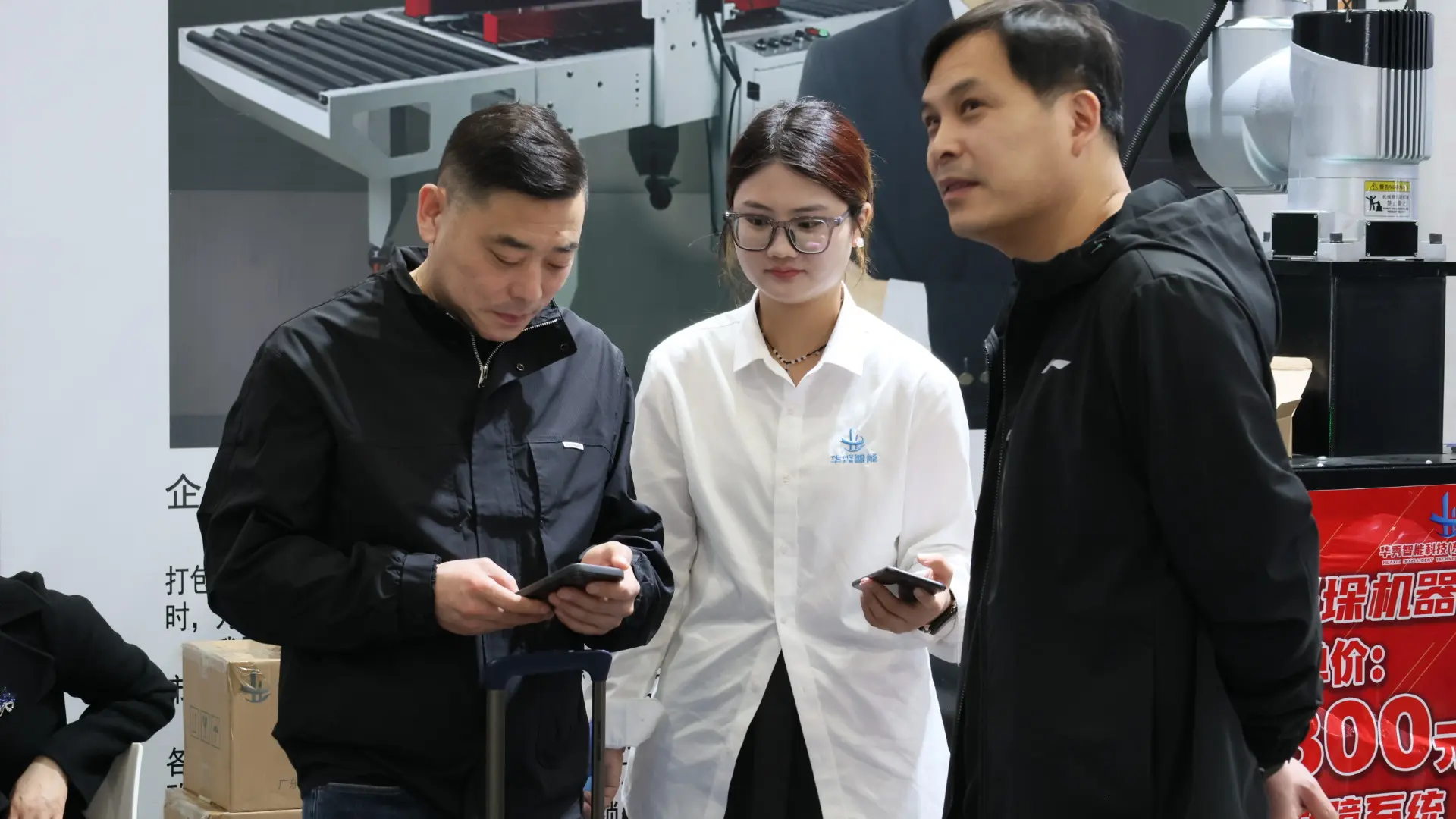
1. Huaxiu Robot’s Versatile Ecosystem
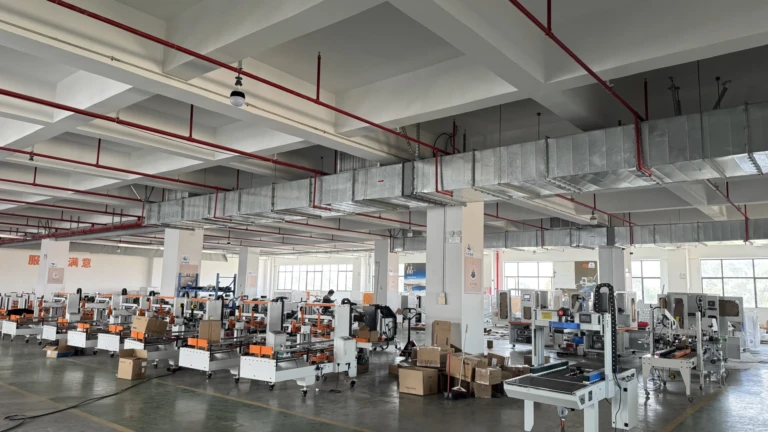
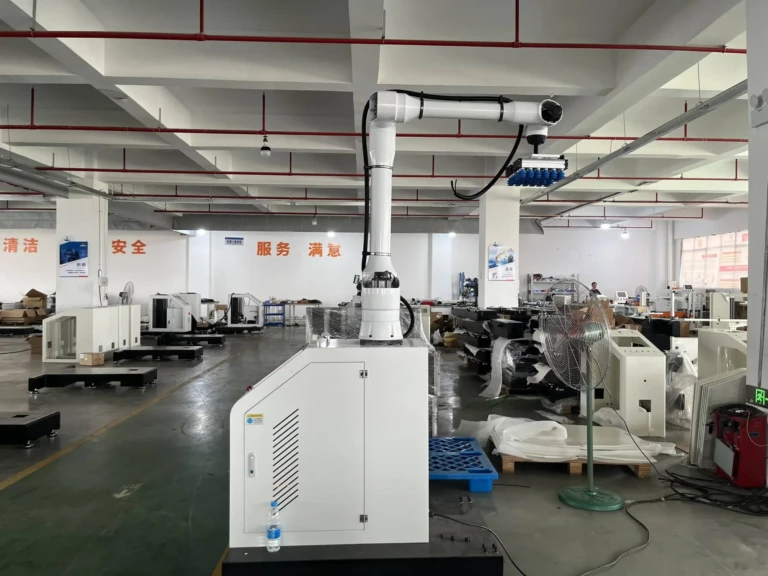
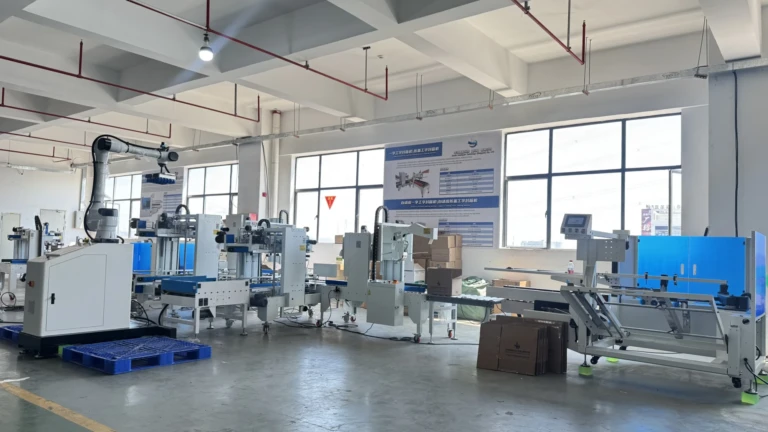
Huaxiu Robot has emerged as a powerhouse in end-to-end pallet automation, offering a holistic suite of robots that tackle every stage of the packaging and palletizing workflow:
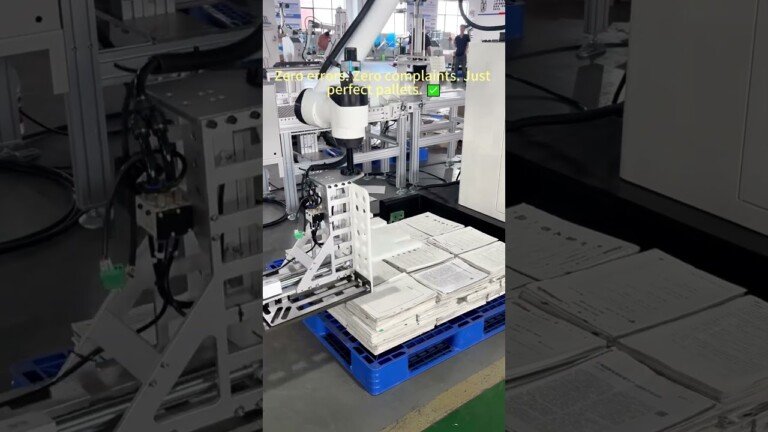
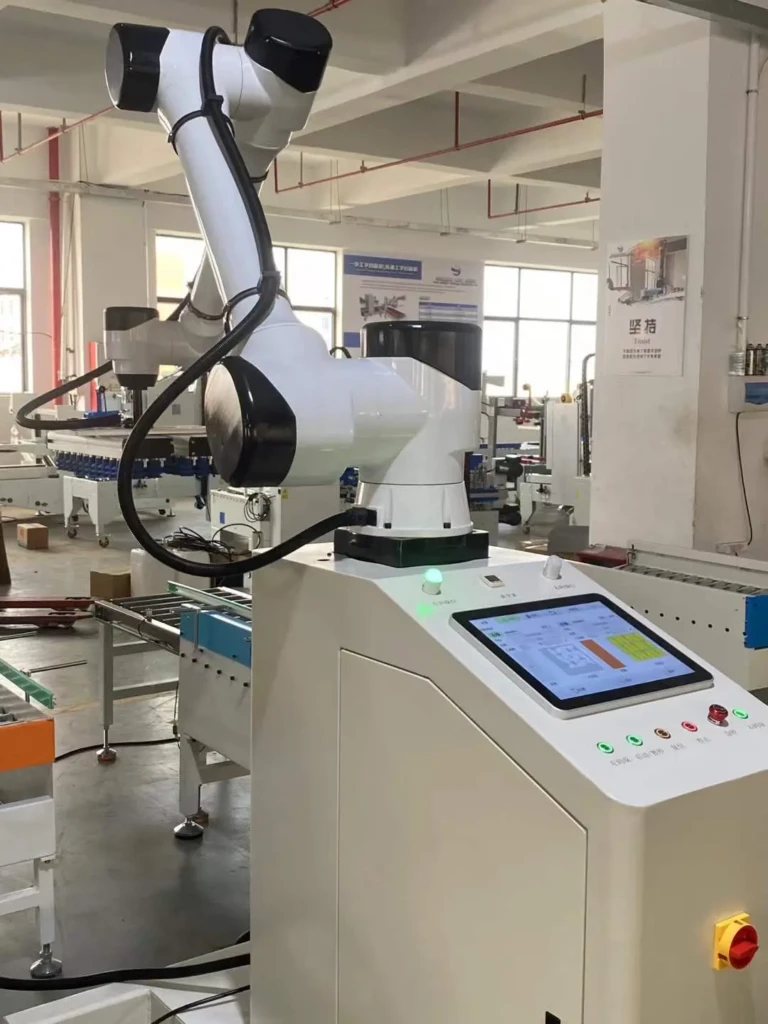
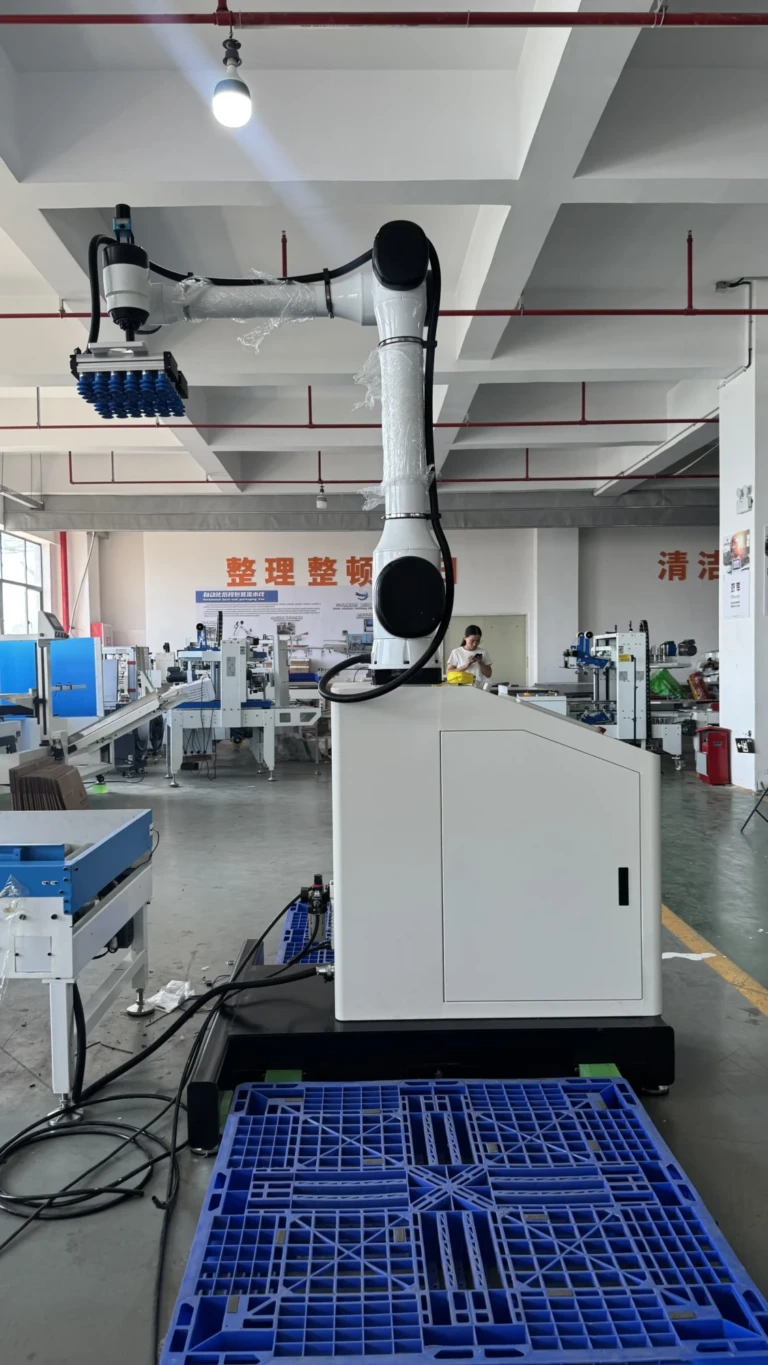
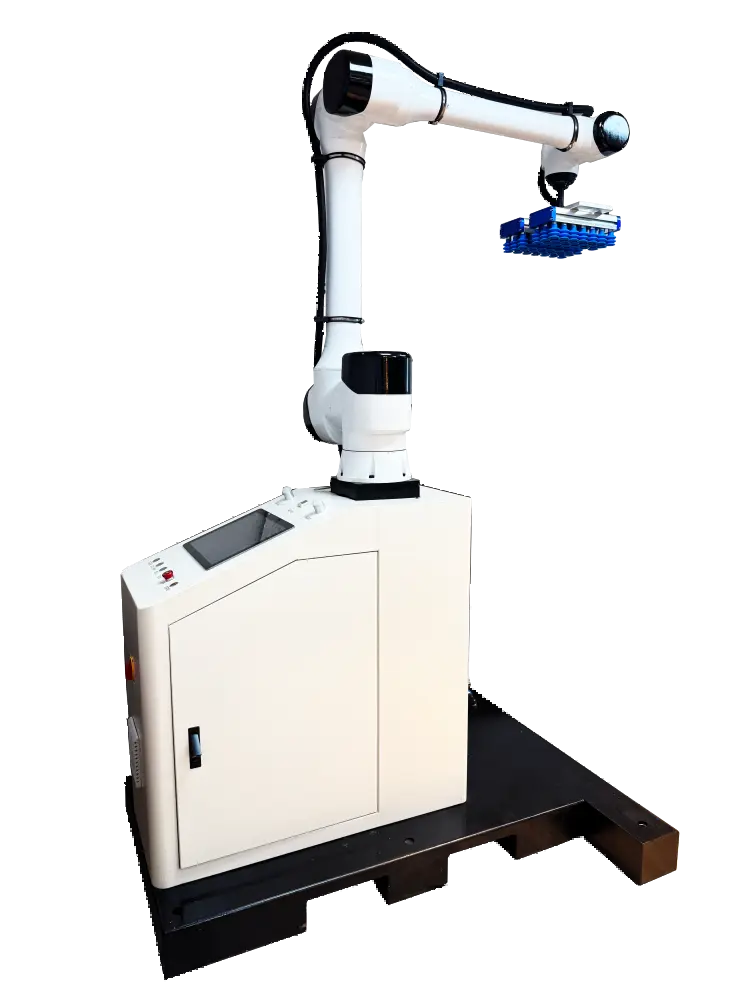
- Collaborative Palletizing Robots: Designed for seamless human-robot interaction, these units handle repetitive stacking tasks with precision, adapting to mixed-SKU environments (ideal for e-commerce).
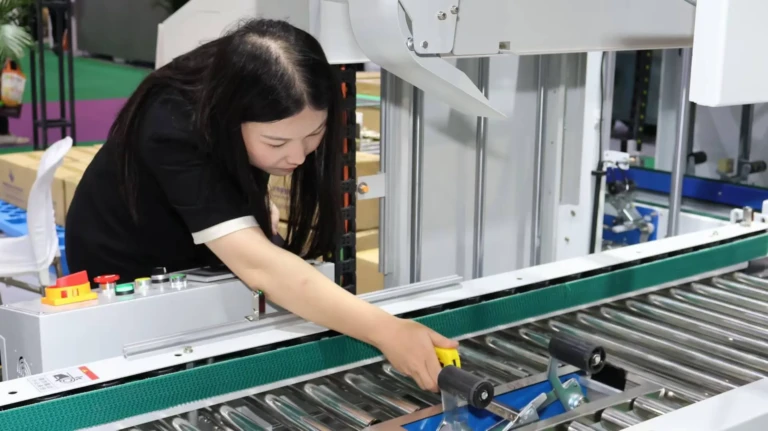
- Automatic Unpacking/Sealing Robots: Equipped with advanced vision systems, they identify, unseal, or reseal boxes without damaging contents – a game-changer for returns processing.
- Shrink Packaging & Stretch Film Robots: These fully autonomous systems wrap pallets in seconds, optimizing load stability while reducing material waste by 15–20% compared to manual methods.
- Pallet Forming & Strapping Robots: Automatically assemble and secure pallets, even for irregular loads, using AI-driven tension control to prevent product damage.
Why They Stand Out: Huaxiu’s integrated approach allows warehouses to deploy a unified automation ecosystem, minimizing compatibility headaches. Their robots also prioritize energy efficiency, with some models using 30% less power than competitors.
2. Boston Dynamics Stretch® 3.0
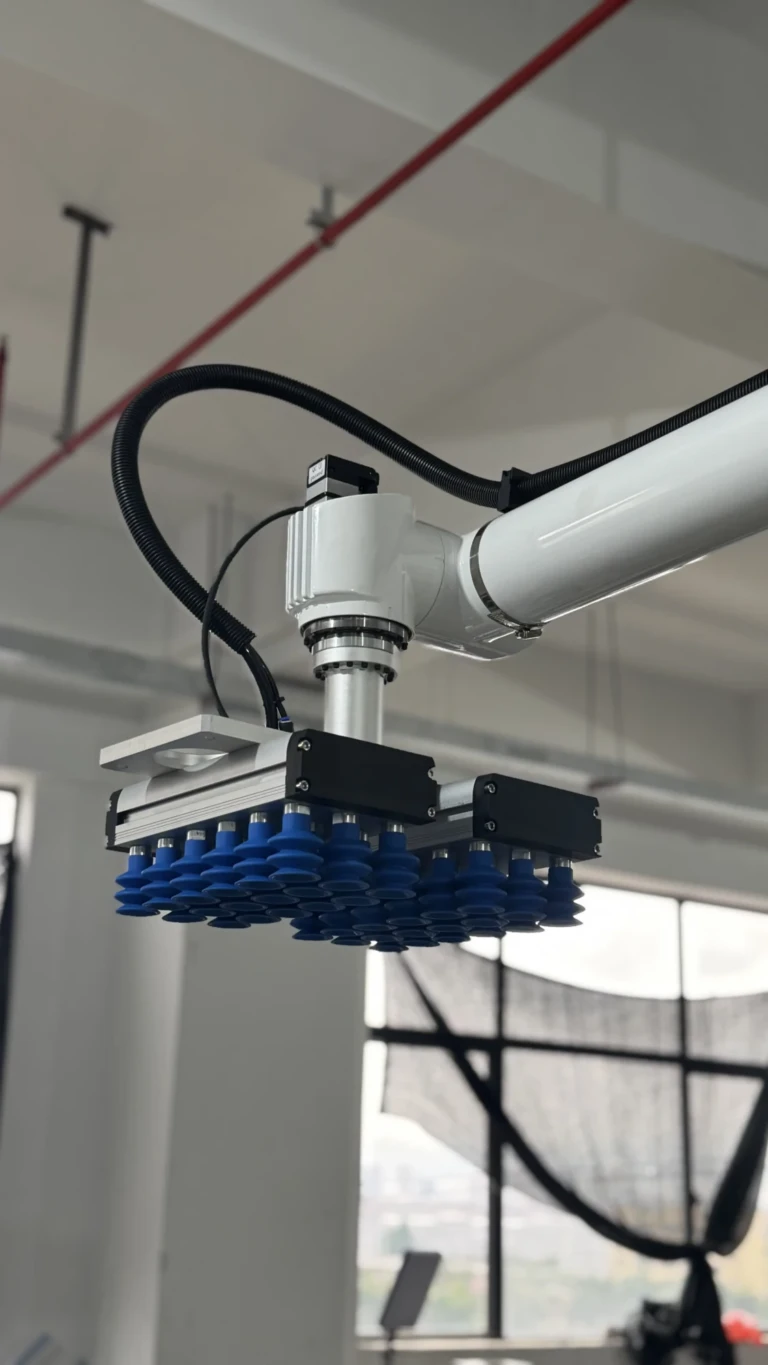
The latest iteration of Stretch combines agility with brute strength. It features a vacuum-based gripper that handles boxes up to 50 lbs, a redesigned arm for tighter spaces, and machine learning algorithms that optimize pallet patterns dynamically. Unlike fixed systems, Stretch is mobile, making it perfect for retrofitting older facilities.
3. Vecna Robotics Counterbalance ATL
This autonomous forklift alternative uses 3D perception to transport pallets in narrow aisles (as tight as 8 feet) and can integrate with Warehouse Management Systems (WMS) for real-time task allocation. Its standout feature? “Swarm intelligence” – fleets of Vecna robots collaborate to avoid congestion and prioritize urgent orders.
4. Fetch Robotics Freight Lift 1500
A favorite for cold-chain logistics, the Freight Lift 1500 autonomously navigates freezer warehouses (-20°C) without compromising battery life. It lifts pallets up to 1,500 kg and uses LiDAR + camera fusion to operate safely around human workers.
Key Innovations Driving Adoption in 2024
- AI-Powered Predictive Analytics: Robots now predict maintenance needs (e.g., conveyor wear) and adjust workflows based on historical data, boosting uptime by up to 25%.
- Sustainable Design: Huaxiu’s stretch film robots use recyclable materials, while others like Vecna employ regenerative braking to cut energy costs.
- 5G Connectivity: Ultra-low latency enables real-time coordination between robots, WMS, and IoT sensors, even in vast facilities.
- Adaptive Grippers: From vacuum cups to hybrid clamp/gripper systems, robots handle diverse packaging (cartons, bags, drums) without reconfiguration.
Implementation Insights: What Businesses Need to Know
While autonomy offers undeniable ROI, success hinges on:
- Scalability: Start with a modular system (like Huaxiu’s semi-automatic sealers) before expanding to full automation.
- Integration: Ensure robots sync with existing ERP/WMS platforms via APIs.
- Workflow Optimization: Redesign layouts to maximize robot routes – e.g., minimizing 90-degree turns improves efficiency by 12%.
Conclusion: The Future Is Autonomous (and Collaborative)
Autonomous pallet robots in 2024 aren’t just replacing labor; they’re amplifying human potential. By delegating hazardous, repetitive tasks to machines like Huaxiu’s strapping robots or Boston Dynamics’ Stretch, workers can focus on quality control and strategic roles. As AI matures, expect even smaller warehouses to adopt these solutions, driven by lower upfront costs and payback periods now under 18 months. The question isn’t whether to automate pallet handling – it’s how soon.
FAQs: Autonomous Pallet Robots Demystified
Q1: How long does deployment typically take?
Most systems (e.g., Huaxiu’s collaborative palletizers) require 2–4 weeks for integration, including staff training. Mobile robots like Fetch’s Freight Lift can be operational in days.
Q2: Are these robots safe around human workers?
Absolutely. They use ISO-certified safety sensors (LiDAR, 3D cameras) to detect obstacles and halt instantly. Huaxiu’s models even feature force-limiting joints for collaborative tasks.
Q3: What’s the average ROI timeframe?
Businesses report 12–24 months, thanks to labor cost savings (+30–50% productivity gains) and reduced product damage.
Q4: Can they handle non-standard pallet sizes?
Yes. Advanced vision systems allow robots like Vecna’s ATL to adapt to custom pallets or mixed loads dynamically.
Q5: Is retrofitting possible in older warehouses?
Mobile robots excel here. Fixed systems may require minor infrastructure upgrades (e.g., floor markers for navigation).
Q6: How do autonomous robots impact sustainability?
By optimizing material usage (e.g., film, straps) and energy consumption, brands like Huaxiu help reduce carbon footprints by up to 20% annually.
Q7: What industries benefit most?
E-commerce, food & beverage, pharmaceuticals, and manufacturing – essentially any sector with high-volume palletized goods.
The autonomous revolution is here. Whether you’re streamlining a distribution hub or a small fulfillment center, 2024’s pallet robots offer the precision, flexibility, and intelligence to future-proof your operations.