
The Silent Revolution in Warehousing: How Robotic De-palletizing is Redefining Speed & Efficiency
In the high-stakes world of logistics and manufacturing, where milliseconds translate to dollars and bottlenecks cascade into costly delays, a quiet revolution is transforming one of the most labor-intensive warehouse operations: depalletizing. Gone are the days of backbreaking manual unloading, inconsistent speeds, and the inherent risks of handling heavy, irregular loads. Robotic depalletizing systems – particularly those engineered by industrial automation innovators like Huaxiu Robot – are delivering unprecedented gains in speed, precision, and operational efficiency. Here’s how this technology isn’t just automating a task, but fundamentally reimagining material flow.
Why Speed Matters More Than Ever in Depalletizing
Modern supply chains operate on razor-thin margins. Delays in unloading pallets at receiving docks or production lines ripple outward, causing downstream bottlenecks in sorting, storage, packaging, and shipping. Human workers, even highly skilled ones, face physiological limits: fatigue slows pace over time, repetitive strain injuries create staffing gaps, and inconsistent handling leads to variable cycle times.
Robotic depalletizing attacks these constraints head-on through:
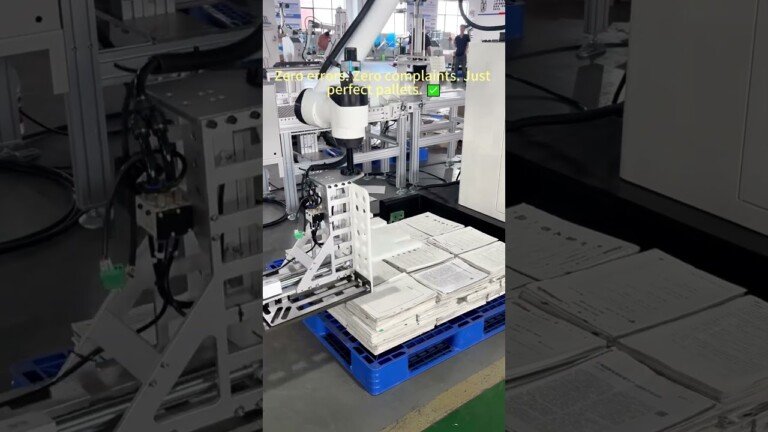
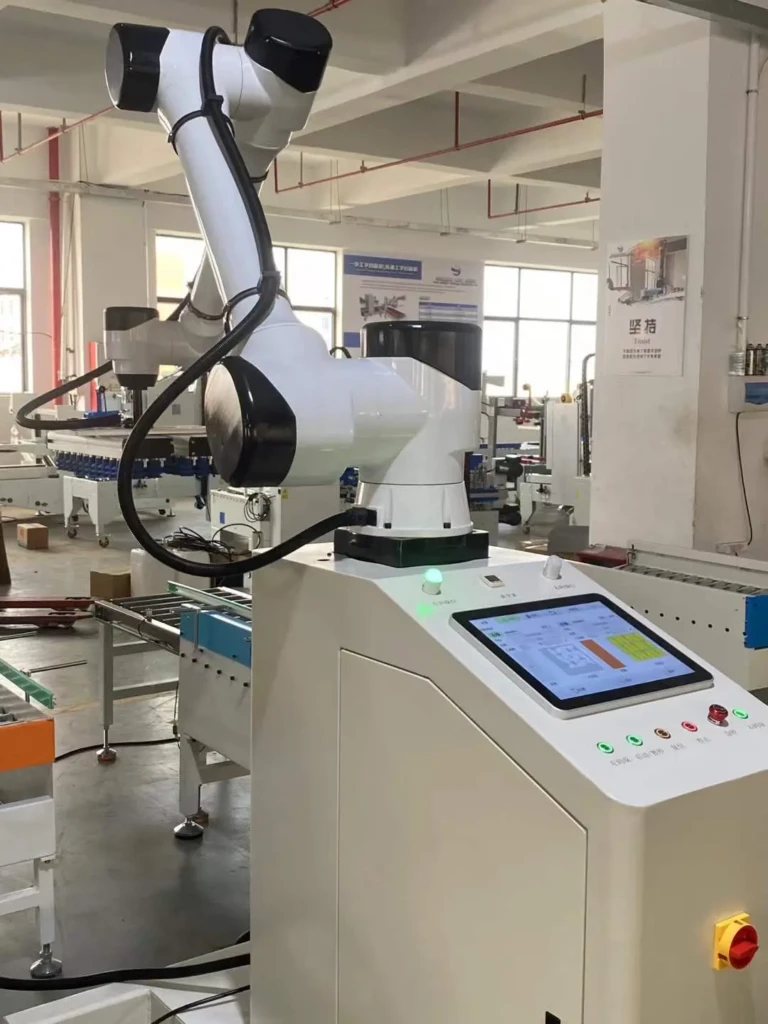
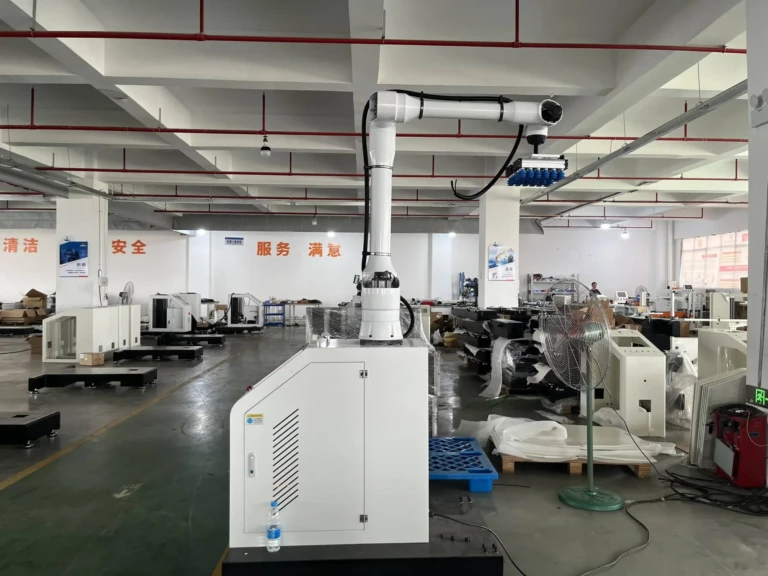
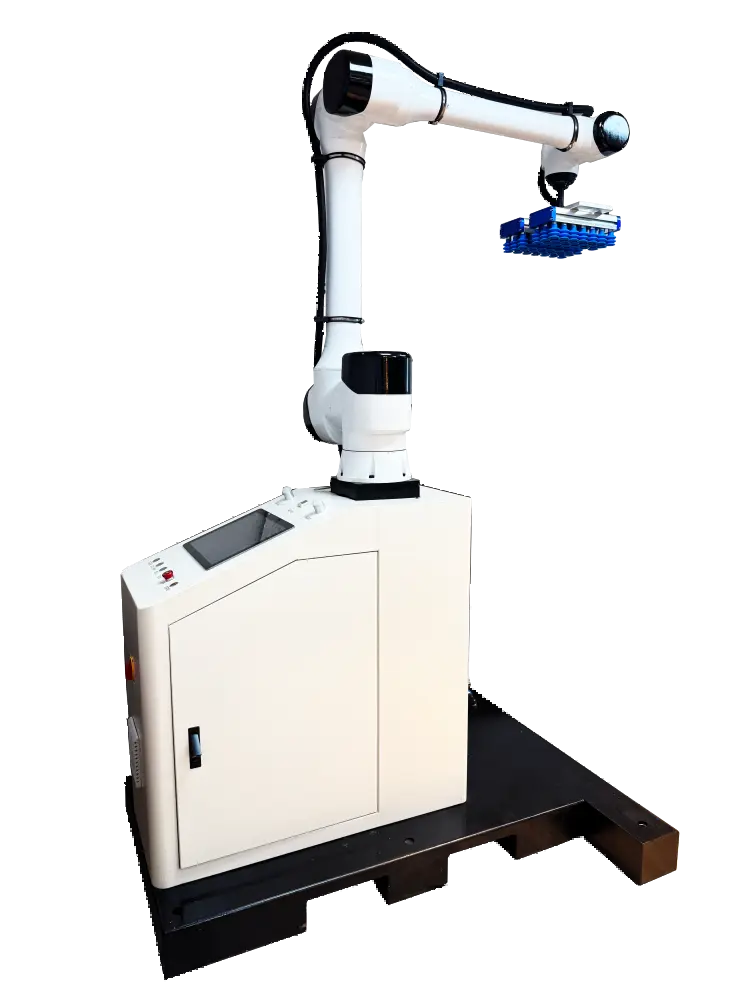
- Unmatched Cycle Times: Advanced articulated arms (like Huaxiu’s collaborative palletizing/depalletizing models) achieve cycle times under 5 seconds per case, operating continuously without breaks.
- Adaptive Speed: AI-driven vision systems instantaneously analyze pallet patterns, mixed SKUs, or irregular stacking, adjusting grip force and path optimization in real-time to maintain peak speed without sacrificing accuracy.
- 24/7 Operations: Lights-out depalletizing enables round-the-clock inbound logistics, maximizing asset utilization and aligning with just-in-time manufacturing demands.
The Efficiency Multiplier: Beyond Raw Speed
While speed grabs headlines, the true value of robotic depalletizing lies in its multiplicative impact on warehouse efficiency:
-
Labor Optimization
- Reallocating staff from repetitive unloading to higher-value tasks (quality control, inventory management, system oversight).
- Eliminating costly turnover and retraining associated with physically taxing roles.
-
Space Utilization
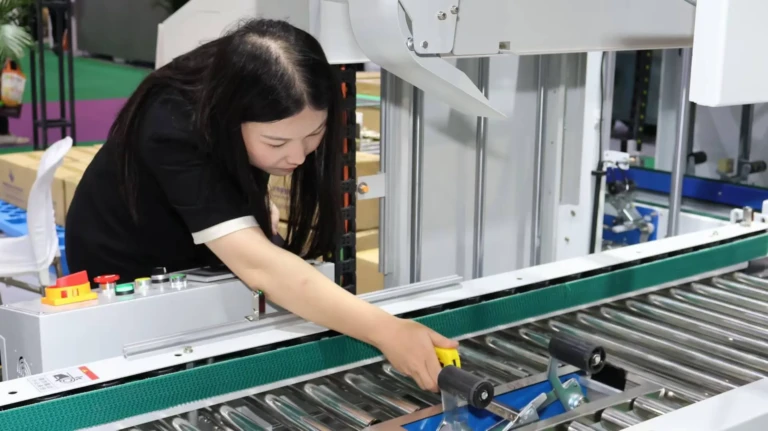
- Robots require minimal clearance vs. forklifts or manual workstations. Compact models (like Huaxiu’s semi-automatic sealing/de-pal systems) integrate seamlessly into dense layouts.
- Faster unloading reduces dwell time at docks, freeing staging areas for continuous inbound/outbound flow.
-
Damage Reduction
- Precision force-controlled grippers (vacuum, mechanical, or hybrid) handle fragile, irregular, or high-value items (electronics, pharmaceuticals) with zero loss from drops or mishandling.
-
Data-Driven Traceability
- Integrated sensors log every item unloaded, linking to WMS/ERP systems for real-time inventory updates, batch tracing, and compliance reporting.
- Scalable Workflow Integration
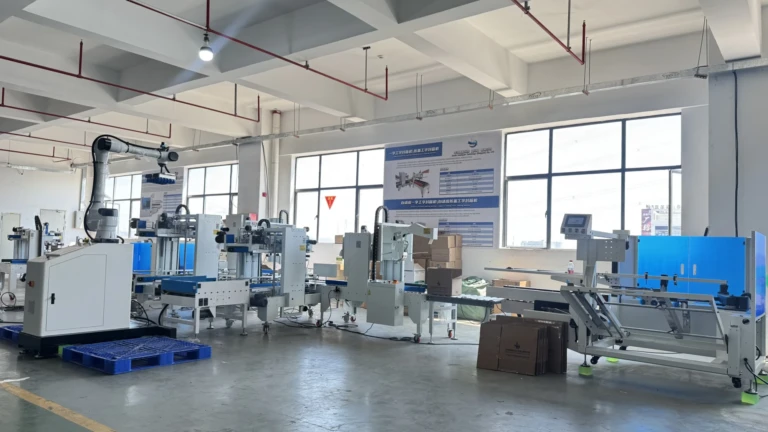
- Depalletizing robots from Huaxiu seamlessly hand off to downstream automation: automatic stretch film wrappers, strapping robots, or conveyor networks, creating a continuous "touchless" material handling stream.
Huaxiu’s Engineering Edge: What Sets Industrial-Grade Depalletizers Apart
Not all robots are built equal. Huaxiu’s depalletizing solutions leverage distinct technological advantages critical for harsh industrial environments:
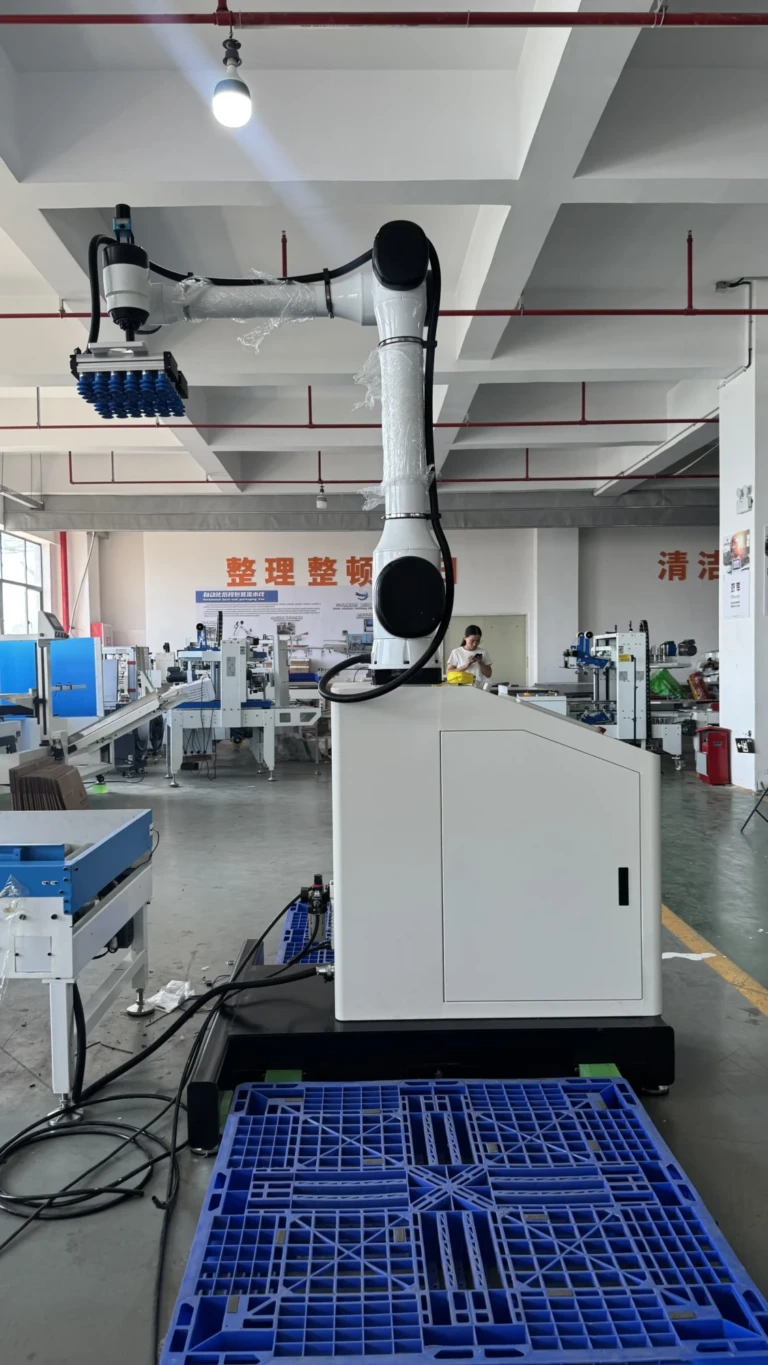
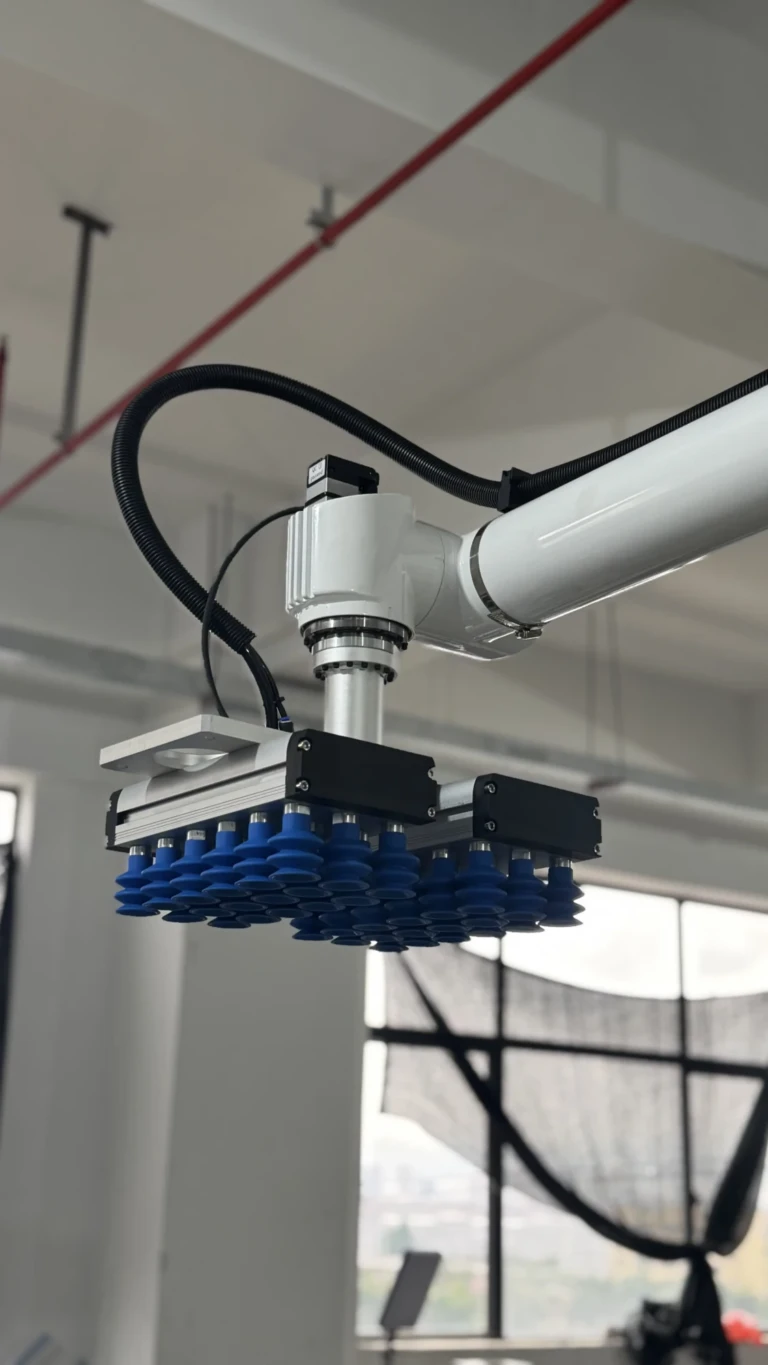
- Hybrid Gripper Systems: Customizable end-of-arm tools (EOAT) combine vacuum cups for boxes with mechanical fingers for bags, bottles, or unstable loads – all switchable without downtime.
- 3D Vision + AI Preprocessing: Advanced scanners create volumetric maps of disorganized pallets, identifying deformities, overhangs, or shifted loads before the first grip, preventing jams.
- Collision Prediction Algorithms: Sensors create dynamic "no-go zones" when humans enter shared workspaces (crucial for collaborative robots/Cobots).
- Weather/Contaminant Resilience: IP67-rated models operate in cold storage, dusty packaging lines, or humid environments where human efficiency plummets.
Real-World Impact: Metrics That Matter
Early adopters across food & beverage, e-commerce, and automotive sectors report transformative ROI:
- 300-400% throughput increase vs. manual depalletizing teams.
- 99.8% accuracy in SKU sorting and placement onto conveyors.
- 50% reduction in product damage claims and worker compensation costs.
- 3-18 month payback periods via labor savings and throughput gains.
Conclusion: The Future is Stacked (and Unstacked) by Robots
Robotic depalletizing is no longer a luxury for mega-distribution centers – it’s a strategic necessity for any operation facing labor shortages, throughput pressure, or precision-handling demands. By eliminating variability, supercharging speed, and unlocking latent efficiency across the supply chain, this technology delivers compound returns. Companies like Huaxiu Robot aren’t just selling machines; they’re offering a gateway to resilient, scalable, and future-proofed logistics. The question isn’t whether to automate depalletizing, but how quickly your competitors will if you don’t.
FAQs: Robotic Depalletizing Demystified
Q1: Can these robots handle mixed or poorly stacked pallets?
A: Absolutely. Advanced 3D vision systems and AI allow robots to identify and adapt to chaotic pallets – including mixed box sizes, shifted layers, or plastic-wrapped irregular loads. Grippers adjust force and angle dynamically to extract items safely.
Q2: What’s the typical ROI timeframe?
A: Most operations see full ROI within 6-24 months. High-volume facilities (e.g., beverage distribution) often achieve payback in under a year via labor savings and throughput gains.
Q3: Are depalletizing robots safe to work alongside humans?
A: Collaborative robots (Cobots) feature force-limiting joints, obstacle detection, and emergency braking. Huaxiu’s systems comply with ISO/TS 15066 safety standards for shared workspaces.
Q4: How do grippers handle fragile or unusual items?
A: Custom EOAT options include:
— Variable vacuum for egg cartons or lightweight plastics.
— Soft silicone grippers for bags or produce.
— Magnetic/electrostatic tools for metal parts.
Q5: Can one robot manage both palletizing and depalletizing?
A: Yes! Huaxiu’s collaborative palletizing robots are often deployed in dual roles – loading finished goods pallets by day and unloading inbound materials at night, maximizing ROI.
Q6: What about integration with existing WMS/ERP systems?
A: Modern robots output JSON/API data for seamless integration with warehouse management software (like SAP, Oracle), providing real-time inventory updates and performance analytics.
Q7: Do they require specialized maintenance?
A: Most systems are designed for minimal upkeep – think lubrication checks and occasional sensor recalibration. Huaxiu offers remote diagnostics and predictive maintenance alerts to preempt downtime.