The Evolution of Efficiency: How Robotic Bottle Palletizing is Transforming Manufacturing & Logistics
The beverage, pharmaceutical, and chemical industries face a universal challenge: moving thousands—or even millions—of bottles from production lines to pallets quickly, accurately, and safely. Traditional manual palletizing is labor-intensive, prone to errors, and often a bottleneck in the supply chain. Enter robotic bottle palletizing: a game-changing automation solution that not only accelerates throughput but also enhances reliability, reduces costs, and minimizes waste.
Why Manual Palletizing Falls Short
Manual bottle palletizing is increasingly unsustainable in modern manufacturing environments. Workers face repetitive strain injuries, consistency declines over long shifts, and human error can lead to misaligned loads, product damage, or even workplace accidents. Seasonal demand spikes also make staffing unpredictable. These factors drive up operational costs and limit scalability.
How Robotic Palletizing Optimizes Bottle Handling
Robotic palletizing systems use advanced algorithms, precision grippers, and integrated vision systems to automate the stacking of bottles onto pallets with unmatched speed and accuracy. Here’s how they redefine efficiency:
-
Speed & Throughput
Robots can place up to 1,500 bottles per minute (depending on bottle size and configuration), operating 24/7 without fatigue. This translates to faster order fulfillment and higher ROI. -
Flexibility for Diverse Products
Whether handling glass, plastic, or fragile containers—or juggling multiple SKUs in a single run—adaptive grippers and programmable logic allow robots to switch bottle types instantly. -
Space Optimization
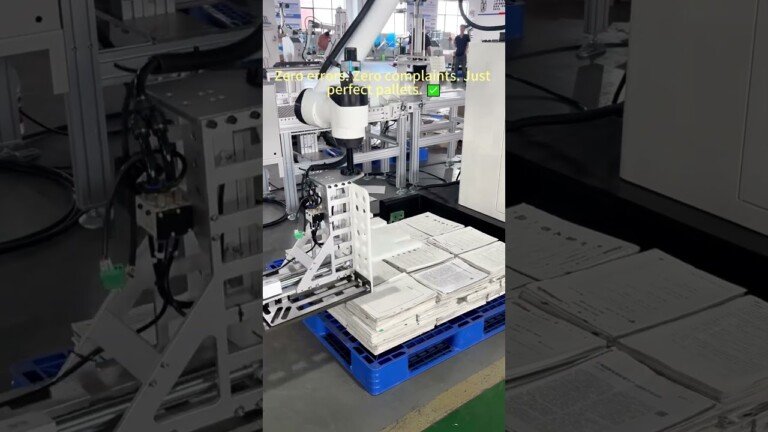
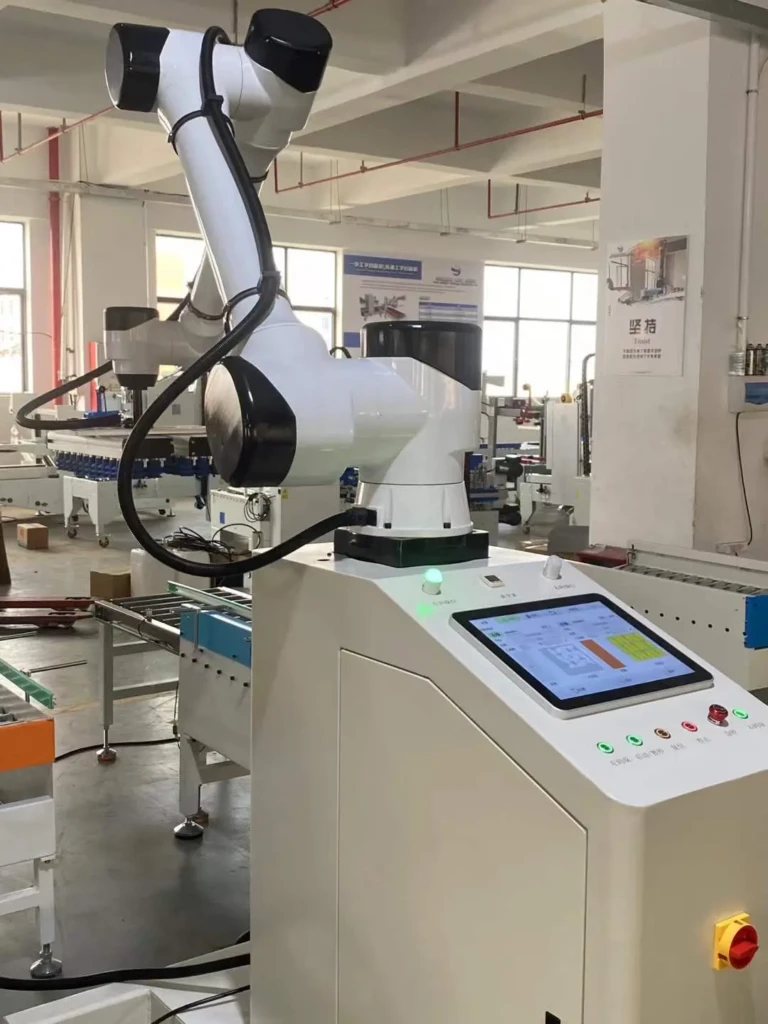
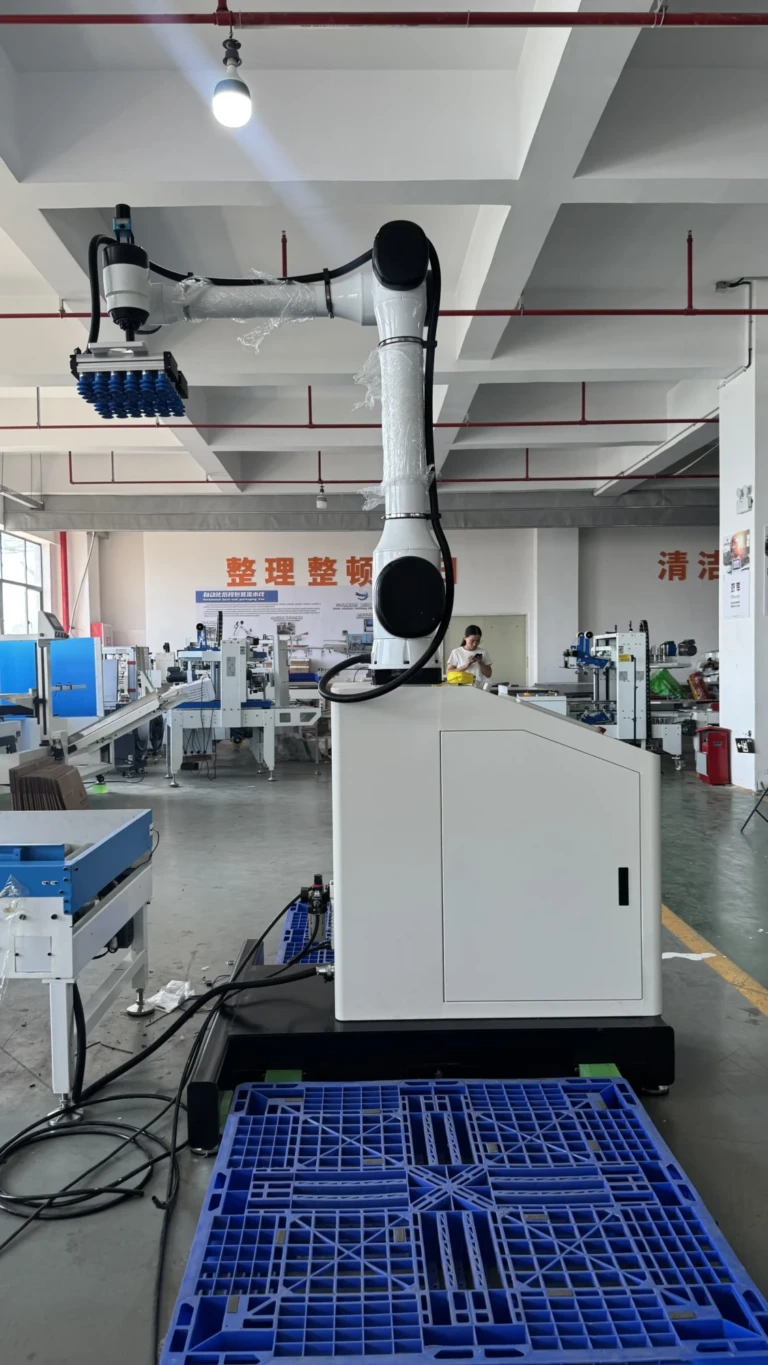
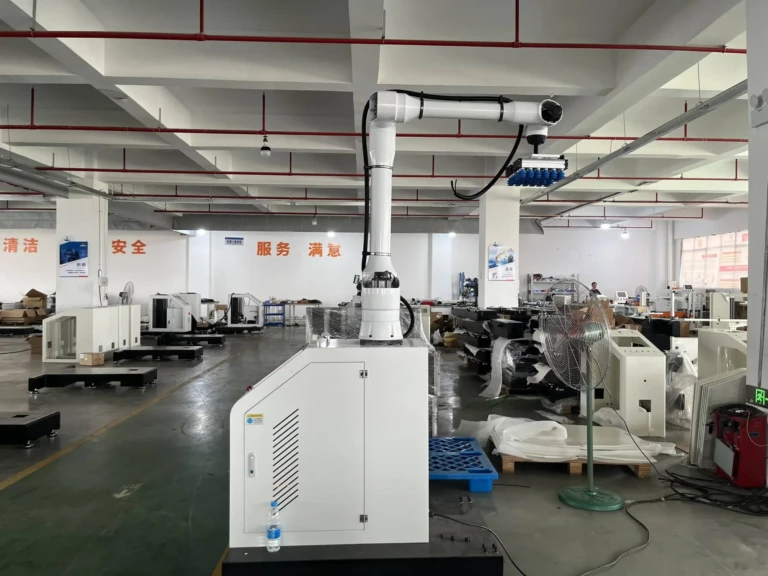
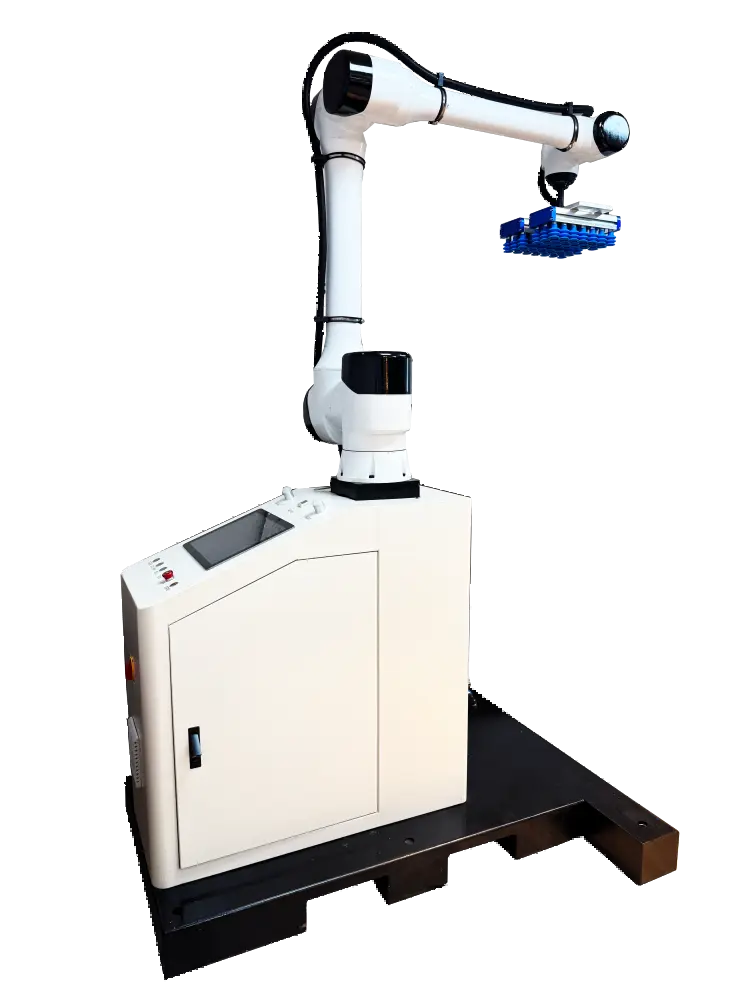
Compact robotic cells can be integrated into tight production spaces, unlike bulky conveyor-based systems. Some models, like Huaxiu’s collaborative palletizing robots, even work safely alongside human operators. -
Precision & Damage Reduction
Vision-guided systems detect bottle orientation and adjust grip pressure dynamically, eliminating toppling or breakage. Consistent pallet patterns also optimize load stability for shipping. - Data-Driven Insights
Modern systems sync with Warehouse Management Systems (WMS) or ERP software, providing real-time analytics on output, downtime, and maintenance needs.
Huaxiu Robot’s Integrated Automation Ecosystem
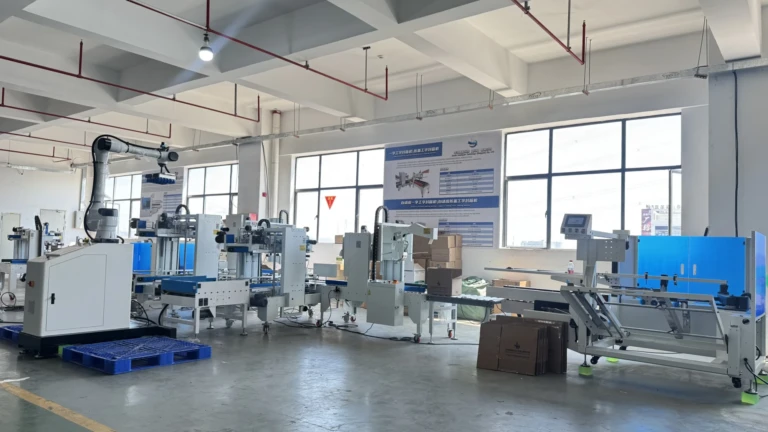
Huaxiu Robot offers a holistic suite of palletizing and packaging solutions, ensuring end-to-end automation:
- Collaborative Palletizing Robots: Safe for human-robot collaboration (HRC), ideal for high-mix, low-volume environments.
- Automatic Unpacking/Sealing Robots: Streamline upstream/downstream processes like case erecting or carton sealing.
- Shrink & Stretch Film Wrappers: Secure palletized loads efficiently while reducing plastic waste.
- Strapping & Pallet-Forming Systems: Automate ancillary tasks for a fully continuous workflow.
By synchronizing these technologies, manufacturers avoid "islands of automation" and achieve seamless material flow from production to dispatch.
Key Considerations for Implementation
Deploying robotic palletizing isn’t just about buying hardware—it requires strategic planning:
- Payload & Reach: Match the robot’s specifications to your heaviest bottles and tallest pallet configurations.
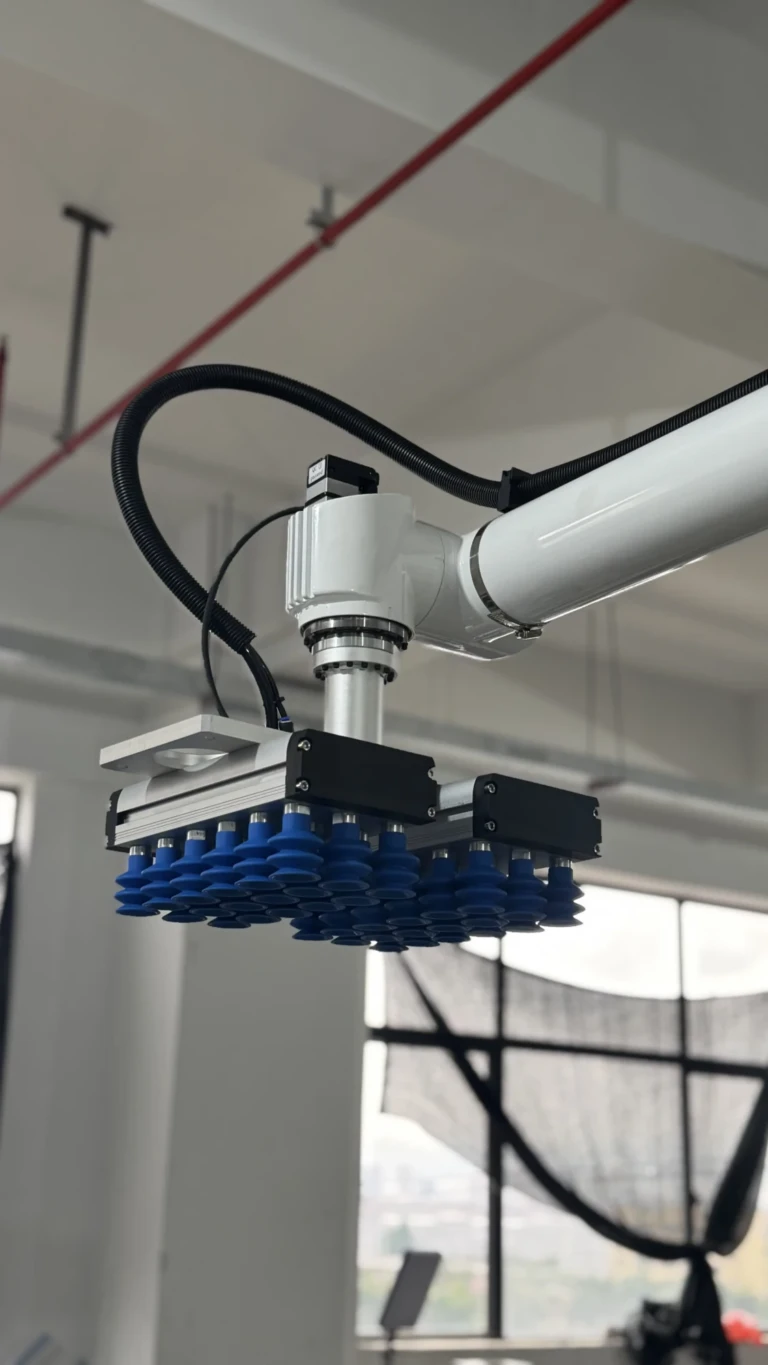
- End-of-Arm Tooling (EOAT): Vacuum, mechanical, or hybrid grippers must align with bottle shapes and materials.
- Integration Complexity: Opt for vendors like Huaxiu that offer plug-and-play compatibility with existing PLCs or MES systems.
- Safety Compliance: Ensure systems meet ISO 10218 (industrial robots) and ISO/TS 15066 (collaborative robots) standards.
Case in Point: Real-World Impact
A leading beverage supplier implemented Huaxiu’s palletizing robots across three production lines, achieving:
- 50% faster palletizing cycles
- 30% reduction in product damage
- ROI within 14 months via labor savings and waste reduction.
Conclusion
Robotic bottle palletizing is no longer a luxury—it’s a necessity for industries where speed, precision, and scalability define competitiveness. By automating this critical stage, businesses reduce operational costs, improve workplace safety, and future-proof their operations against fluctuating demand. Brands like Huaxiu Robot are pioneering accessible, flexible solutions that democratize automation for SMEs and global enterprises alike.
The next frontier? AI-driven predictive maintenance and self-optimizing pallet patterns. As robotics evolve, so will the boundaries of efficiency.
FAQs: Robotic Bottle Palletizing
Q1: How much floor space do robotic palletizers require?
A: Modern systems are highly compact. Huaxiu’s collaborative models, for example, occupy as little as 2m² and can be mounted on mobile bases for repositioning.
Q2: Can robots handle irregularly shaped bottles?
A: Yes. Custom EOAT designs accommodate curved, tapered, or unstable containers. Vision systems adjust grips in real time.
Q3: What’s the average ROI timeline?
A: Most clients achieve payback in 12–24 months through labor savings, reduced waste, and higher throughput.
Q4: Are these systems safe for high-hygiene environments (e.g., pharmaceuticals)?
A: Absolutely. Stainless steel robots with IP67 ratings are designed for washdown conditions and cleanroom compliance.
Q5: How difficult is programming a palletizing robot?
A: Huaxiu’s interfaces use intuitive drag-and-drop software—no coding expertise required. Templates for common patterns (e.g., column or interlocked stacks) are pre-loaded.
Q6: Can existing employees operate the robots?
A: Yes. Most systems require minimal training, and collaborative robots are designed for safe interaction with untrained staff.
By embracing robotic palletizing, businesses don’t just automate a task—they reimagine their entire workflow. For a tailored assessment of your bottling line’s automation potential, consult Huaxiu Robot’s engineering team today.