
How Robotic Palletizing Machines Are Transforming Industrial Efficiency (And What It Means For Your Business)
In an era where supply chains are under constant pressure to deliver faster, safer, and more cost-effectively, automation has emerged as a non-negotiable competitive advantage. Among the most impactful innovations in industrial automation? Robotic palletizing systems. These sophisticated machines are no longer a luxury reserved for Fortune 500 companies—they’re becoming essential tools for manufacturers, warehouses, and logistics operations of all sizes. Let’s unpack why.
The Hidden Costs of Manual Palletizing
Traditional palletizing—relying on human labor to stack boxes, bags, or containers onto pallets—is riddled with inefficiencies:
- Physical Strain & Worker Safety: Repetitive lifting of heavy items leads to workplace injuries, chronic fatigue, and high workers’ compensation claims.
- Inconsistent Output: Human error in stacking patterns can result in unstable pallets, product damage, or even truckload rejections.
- Speed Bottlenecks: Even the most skilled workers can’t match the relentless pace of robotics, especially during peak seasons or 24/7 operations.
- Scalability Challenges: Hiring, training, and retaining manual labor is increasingly difficult amid labor shortages.
Enter robotic palletizing systems—engineered to eliminate these pain points while delivering quantifiable ROI.
How Robotic Palletizers Skyrocket Efficiency
Modern robotic palletizers, like those pioneered by industry leaders such as Huaxiu Robot, leverage advanced technology to optimize every facet of material handling:
-
Lightning-Fast Precision
Equipped with AI vision systems and dynamic path planning, robots can palletize 30%–50% faster than manual teams. High-speed models handle 1,500+ cycles per hour with millimeter-perfect placement. -
Space-Saving Flexibility
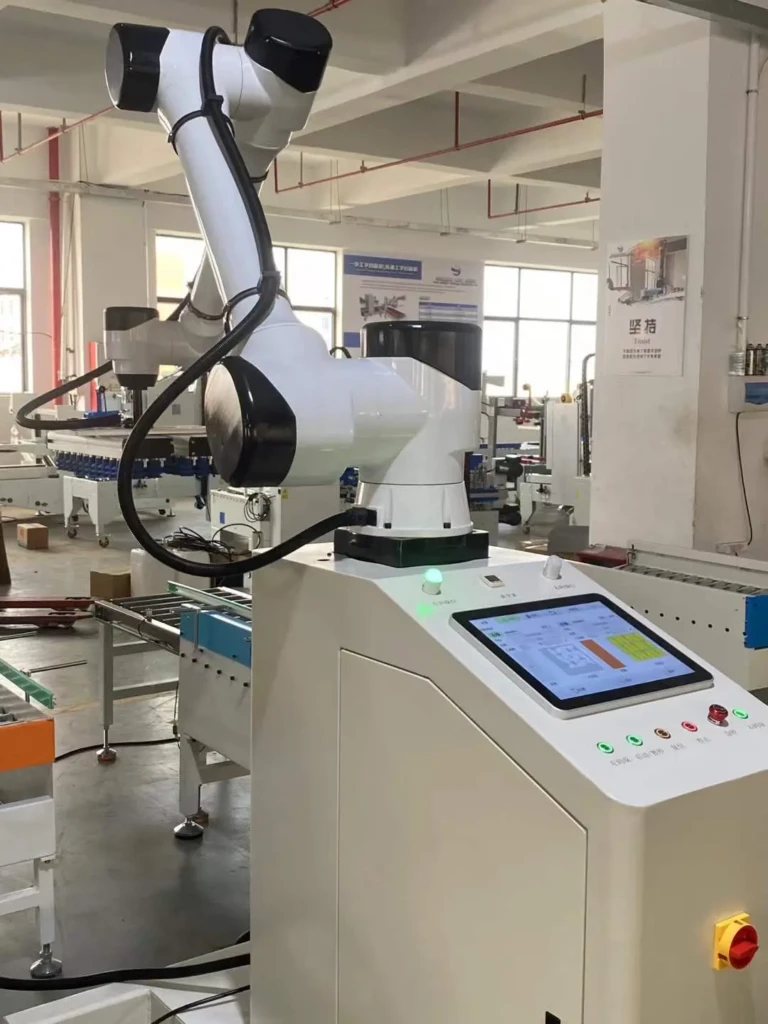
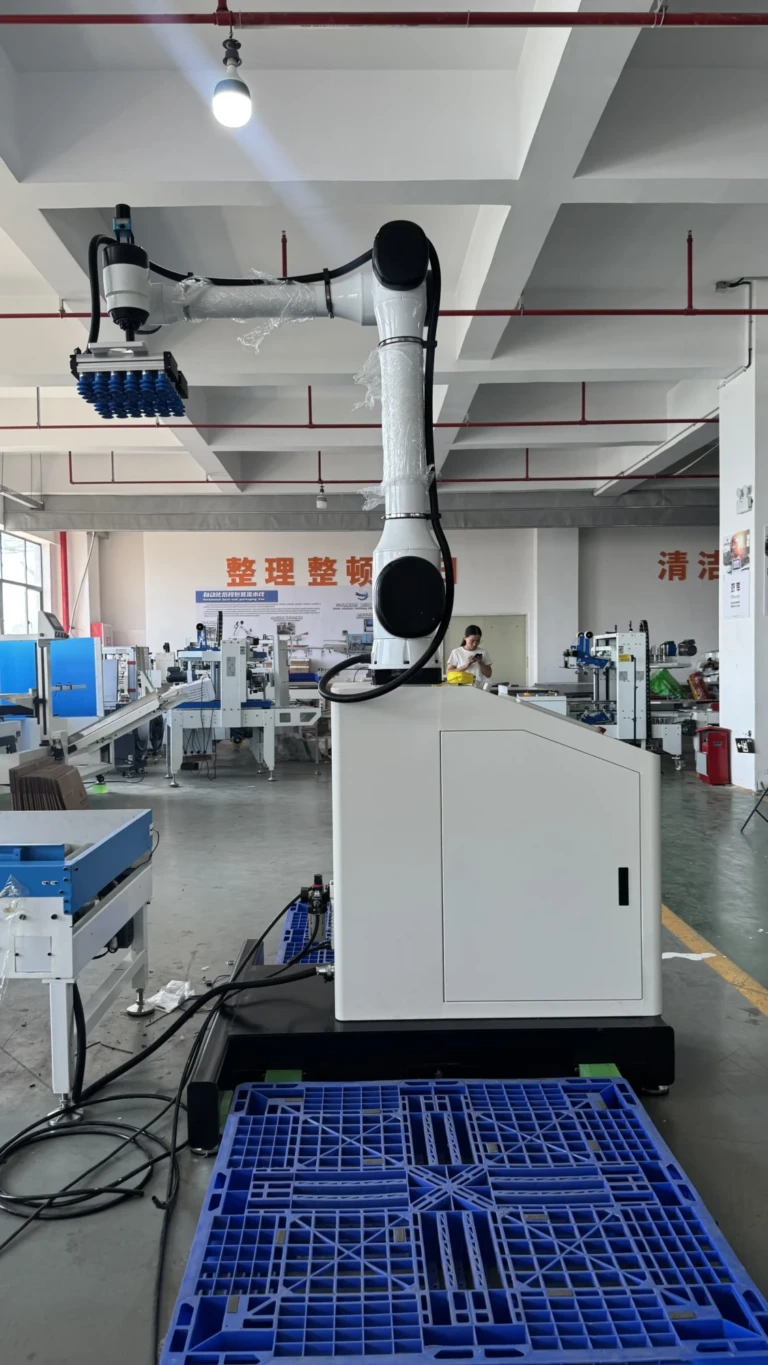
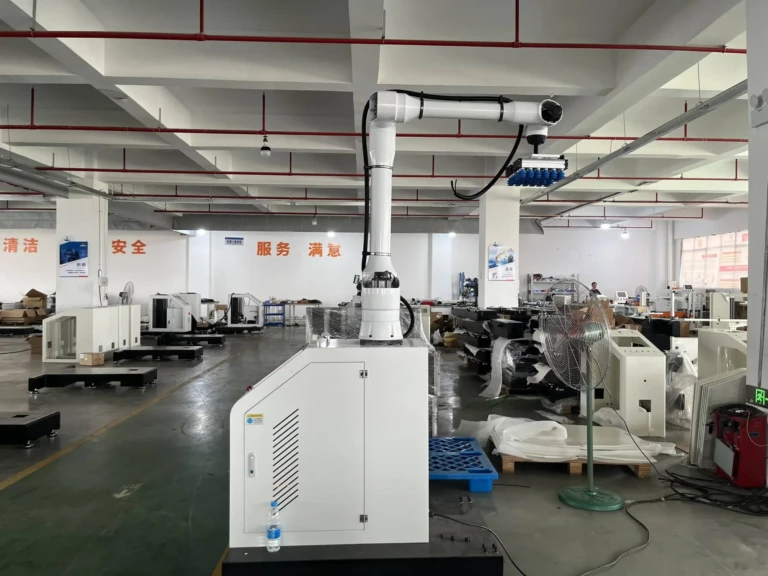
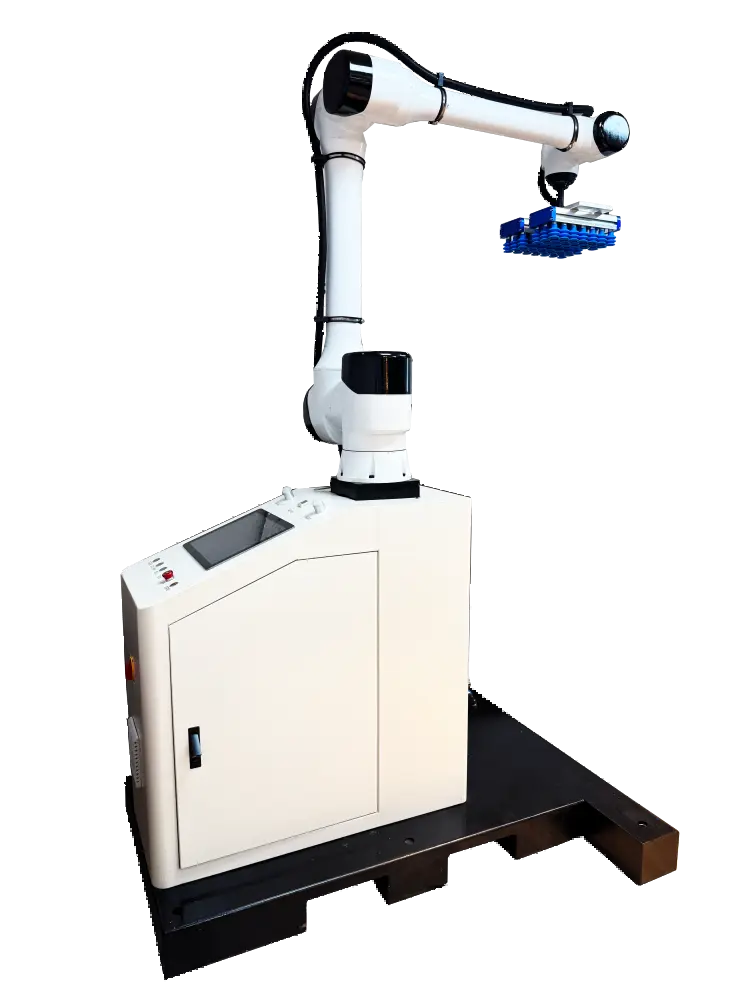
Collaborative robots ("cobots") and compact gantry systems work alongside humans in tight spaces, eliminating the need for costly facility redesigns. Huaxiu’s collaborative palletizing robots, for instance, adapt to low-volume/high-mix production without reprogramming downtime. -
24/7 Uninterrupted Operation
Robots don’t need breaks, vacations, or shift changes. This enables continuous production—critical for industries like food & beverage or pharmaceuticals with strict shelf-life constraints. -
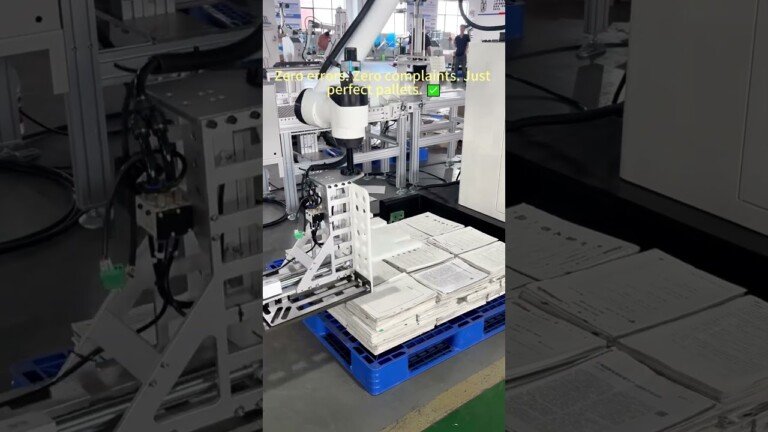
Pallet Perfection, Every Time
Algorithms calculate optimal stacking patterns based on box dimensions, weight distribution, and load stability. The result? Uniform pallets that minimize shipping damage and maximize trailer space utilization. - Seamless Integration with Upstream/Downstream Processes
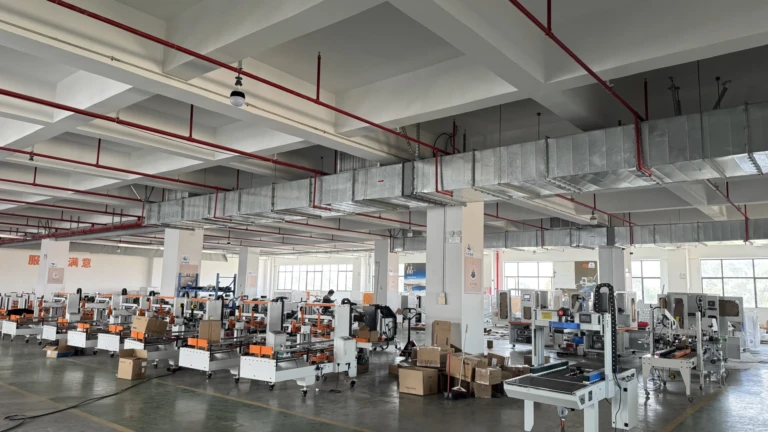
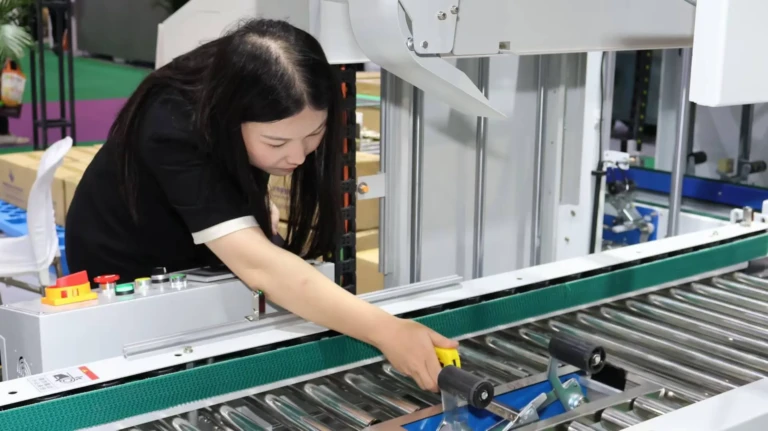
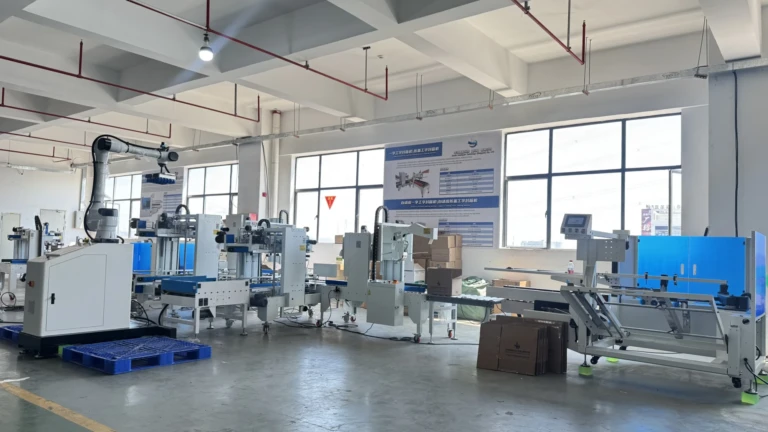
From automatic unpacking robots that feed products into the system to fully automatic stretch film packaging robots that secure finished pallets, Huaxiu’s end-to-end solutions create a synchronized workflow. This reduces “islands of automation” inefficiencies.
Beyond Palletizing: The Ecosystem of Automation
Forward-thinking facilities aren’t just automating stacking—they’re streamlining the entire packaging-to-shipping cycle:
- Huaxiu’s Automatic Sealing Robots: Reduce tape waste by 15% with precision box sealing.
- Pallet Forming Robots & Strapping Robots: Automate pallet assembly and securement, replacing manual stapling/strapping.
- Shrink Packaging Robots: Apply tamper-evident seals while maintaining product integrity.
When combined, these systems create a fully autonomous packaging line that slashes labor costs, boosts throughput, and ensures compliance with retail/compliance standards (like GS1 barcode placement).
Industries Winning with Robotic Palletizers
- Food & Beverage: Hygienic stainless-steel robots handle variable package sizes (e.g., cans, pouches, crates) while meeting FDA/GFSI standards.
- Pharmaceuticals: Error-free palletizing prevents expensive recalls; enclosed systems ensure cleanroom compliance.
- E-Commerce Fulfillment: Robots adapt to constantly changing SKUs and seasonal demand spikes.
- Chemicals & Building Materials: Heavy-duty robots stack 80+ lb bags safely, reducing workplace injuries.
Overcoming Implementation Hurdles
Skepticism about robotic systems often centers on:
- Upfront Costs: While initial investments range from $50,000 to $400,000+, payback periods average 12–24 months through labor savings, reduced damage, and higher throughput.
- Integration Complexity: Modular systems like Huaxiu’s semi-automatic sealing robots allow phased adoption, minimizing disruption.
- Workforce Resistance: Successful deployments involve retraining operators as robot supervisors—roles that are less physically taxing and more technically rewarding.
Conclusion: Future-Proofing Your Operations
Robotic palletizing isn’t just about replacing manual labor—it’s about reimagining productivity. Companies adopting these systems report:
- 40–60% reductions in palletizing labor costs
- 20–35% increases in line throughput
- Near-zero product damage due to precise handling
- Improved workplace safety metrics
As global supply chains face rising consumer demands and labor volatility, automation is no longer optional. With turnkey solutions from innovators like Huaxiu Robot, businesses can deploy scalable, adaptive systems that elevate efficiency today while preparing for tomorrow’s challenges.
FAQs About Robotic Palletizing Systems
Q: Can robotic palletizers handle fragile or irregularly shaped items?
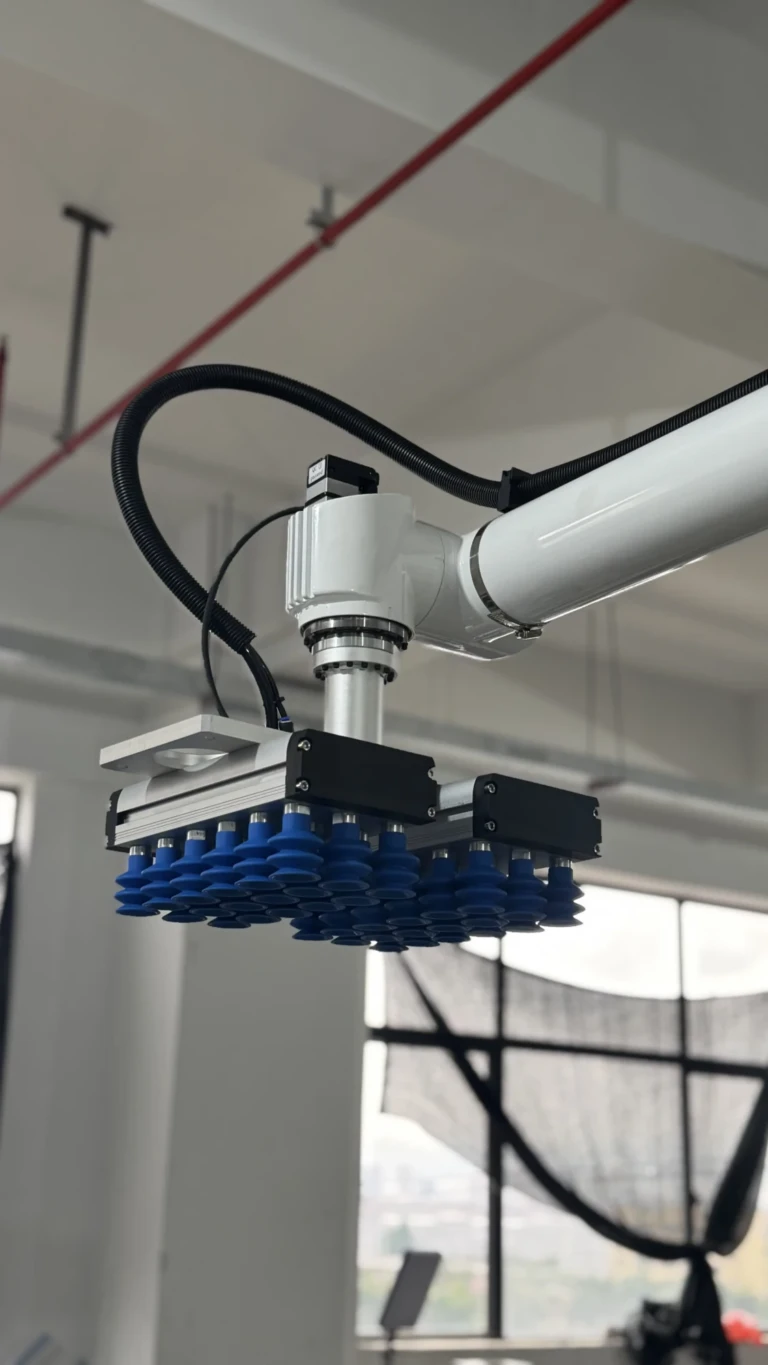
A: Yes. Advanced grippers (vacuum, mechanical, or hybrid) and vision-guided AI allow delicate handling of items like glass bottles, inflatable products, or unevenly weighted packages.
Q: How much floor space do these systems require?
A: Compact models (e.g., Huaxiu’s collaborative palletizing robots) occupy under 10m². Layout flexibility is a key design focus for space-constrained facilities.
Q: What’s the ROI timeframe?
A: Most businesses recover costs within 1–2 years through labor savings, reduced waste, and fewer workplace injury claims. High-throughput operations see even faster returns.
Q: Are these robots difficult to program?
A: Modern interfaces use intuitive drag-and-drop software. Huaxiu’s systems, for example, allow pattern changes in minutes without coding expertise.
Q: How do you maintain robotic palletizers?
A: Maintenance is minimal—primarily routine lubrication and component inspections. Huaxiu offers predictive maintenance alerts via IoT-connected systems to prevent unplanned downtime.
Q: Can one robot handle multiple packaging lines?
A: Yes. With mobile bases or rail-mounted systems, a single robot can service multiple stations, maximizing asset utilization.
Q: Do these systems integrate with existing WMS/ERP software?
A: Absolutely. Most robotic palletizers support industry-standard protocols (OPC UA, MQTT, etc.) for real-time data exchange with warehouse management systems.