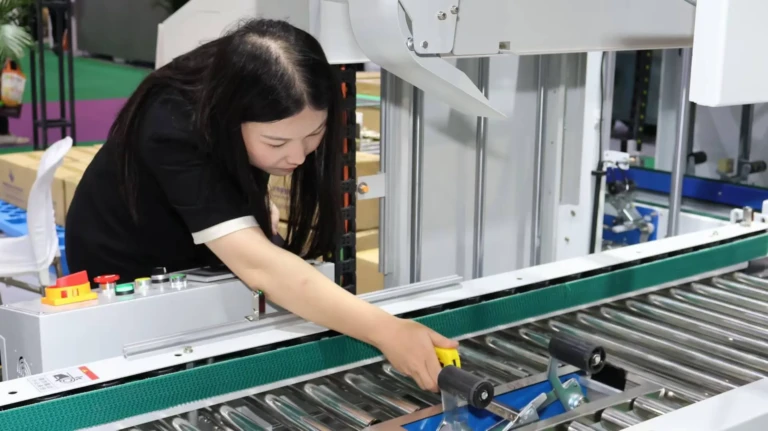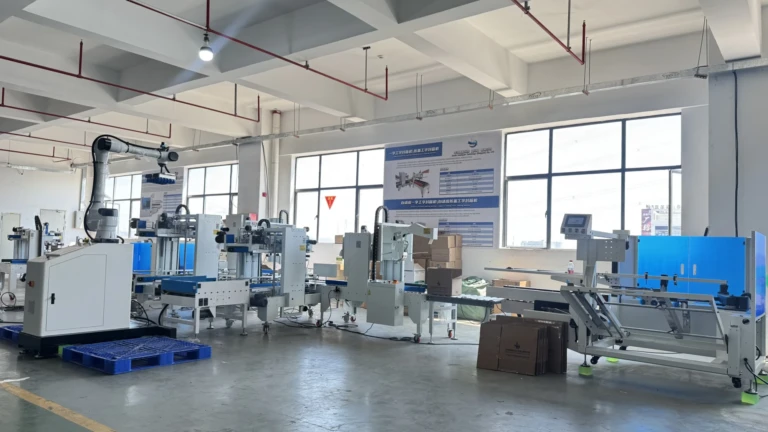
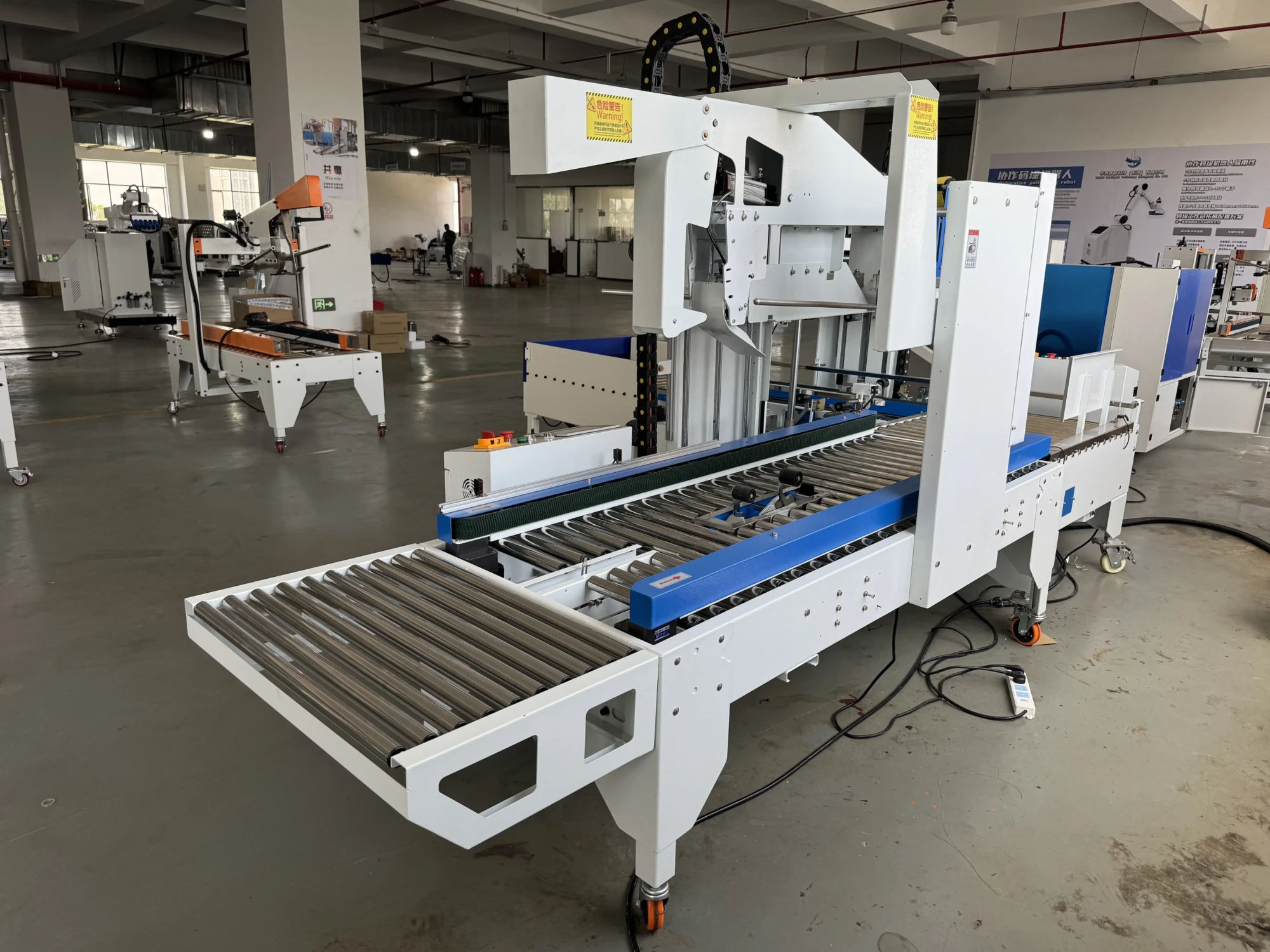
Embracing the Future of Automation: High-Speed Robotic Palletizers for Bag Handling
In today’s fast-paced industrial landscape, efficiency, accuracy, and employee safety are paramount. Among the innovations revolutionizing material handling, high-speed robotic palletizers stand out as transformative solutions, particularly for industries dealing with bags—whether filled with food, agricultural products, chemicals, or construction materials. These systems automate the traditionally labor-intensive task of stacking bags onto pallets, unlocking unprecedented levels of productivity and precision.
What Are High-Speed Robotic Palletizers?
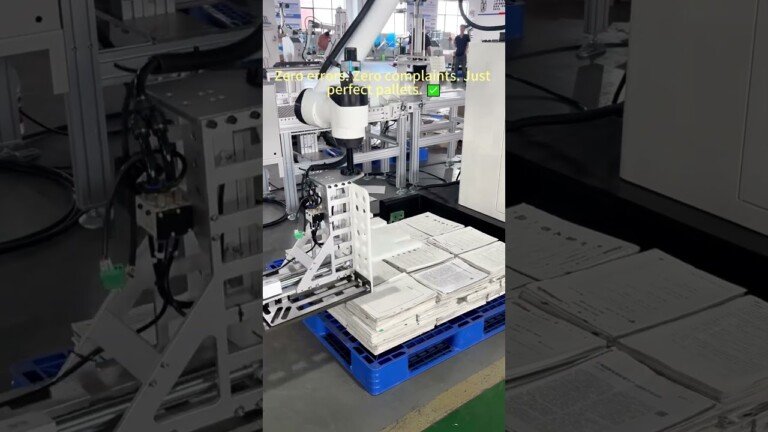
Robotic palletizers are advanced automation systems that use robotic arms equipped with specialized end-of-arm tools (EOATs) to pick, place, and arrange bags onto pallets systematically. Designed for high-throughput environments, they handle hundreds—even thousands—of bags per hour with minimal human intervention. Unlike conventional methods, these robots adapt to varying bag sizes, weights, and patterns, making them ideal for industries requiring flexibility.
Why Industries Are Shifting to Robotic Palletizing
-
Unmatched Productivity:
Human workers can only stack bags at a limited pace, often leading to bottlenecks. Robotic palletizers, however, operate continuously at speeds exceeding 1,500 bags per hour. For example, Huaxiu Robot’s XYZ-2200 model achieves cycle times under 3 seconds per bag, doubling or tripling output compared to manual labor. -
Consistency & Precision:
A misaligned pallet can lead to product damage, workplace accidents, or rejected shipments. Robots ensure every layer is perfectly aligned, whether stacking in interlocking, brick, or column patterns. Advanced vision systems and force-sensing technology further refine accuracy. -
Labor & Safety Advantages:
Bag handling is physically demanding and poses risks like repetitive strain injuries or exposure to hazardous materials. Automating this task eliminates these risks while freeing staff for higher-value roles like quality control or supervision. - Space Optimization:
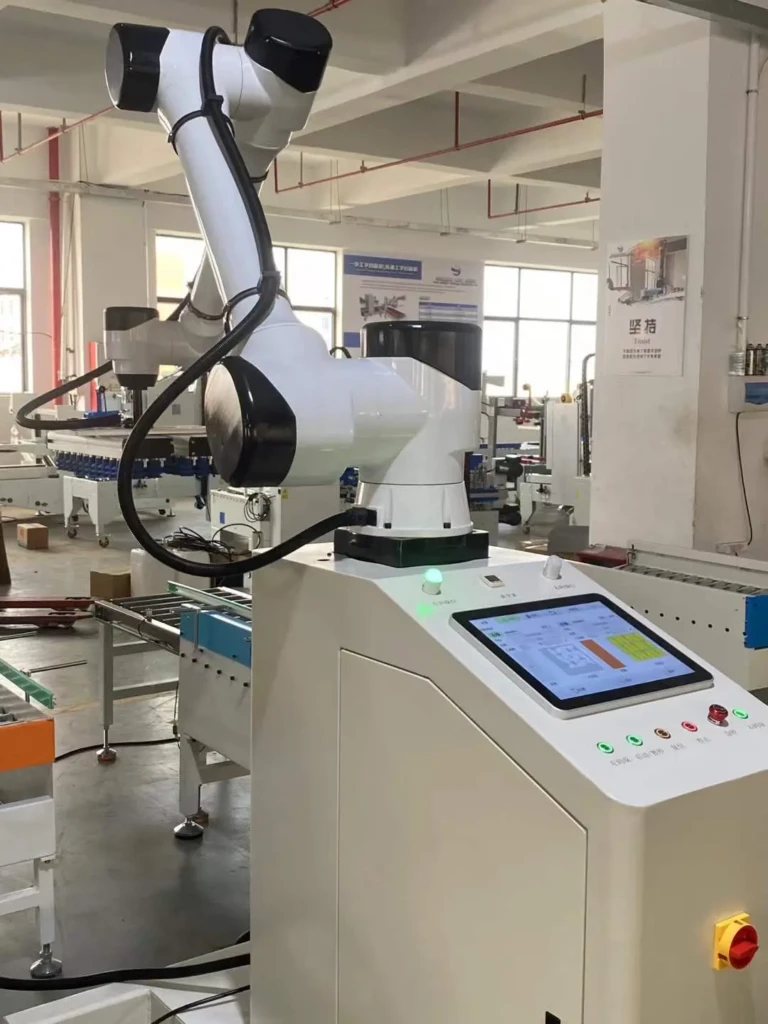
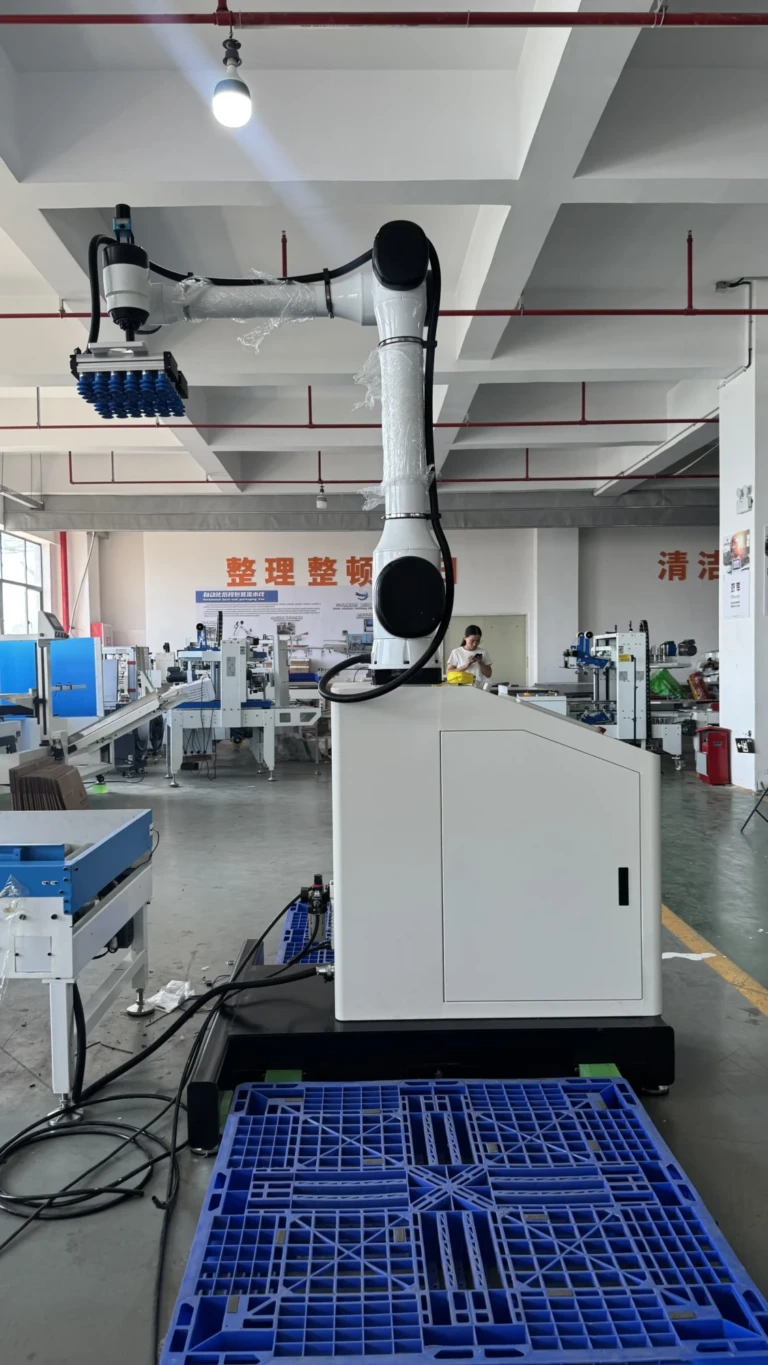
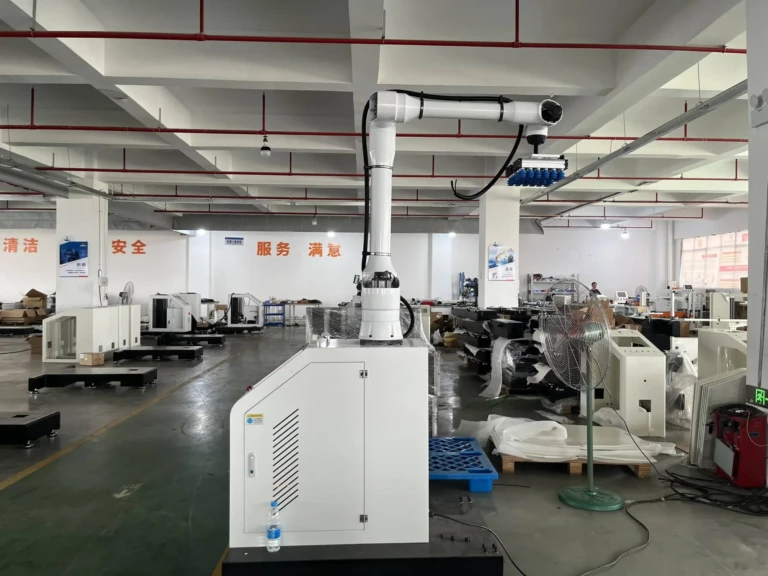
Compact robotic systems integrate seamlessly into existing production lines, minimizing footprint. Some models, like Huaxiu’s collaborative palletizing robots, can even operate alongside humans without safety cages.
Key Applications in Bag-Handling Industries
- Food Processing: Stacking 25–50 lb flour, sugar, or grain bags while adhering to strict hygiene standards.
- Agriculture: Palletizing fertilizers, animal feed, or seeds—often in dusty environments where robots excel.
- Chemicals: Safely handling corrosive or toxic materials without risking worker exposure.
- Construction: Managing heavy cement or plaster bags with precision.
Features Defining Modern Robotic Palletizers
When evaluating palletizing solutions, consider these critical features:
- Payload Capacity: Huaxiu’s models handle up to 300 kg, accommodating everything from small feed bags to bulk industrial sacks.
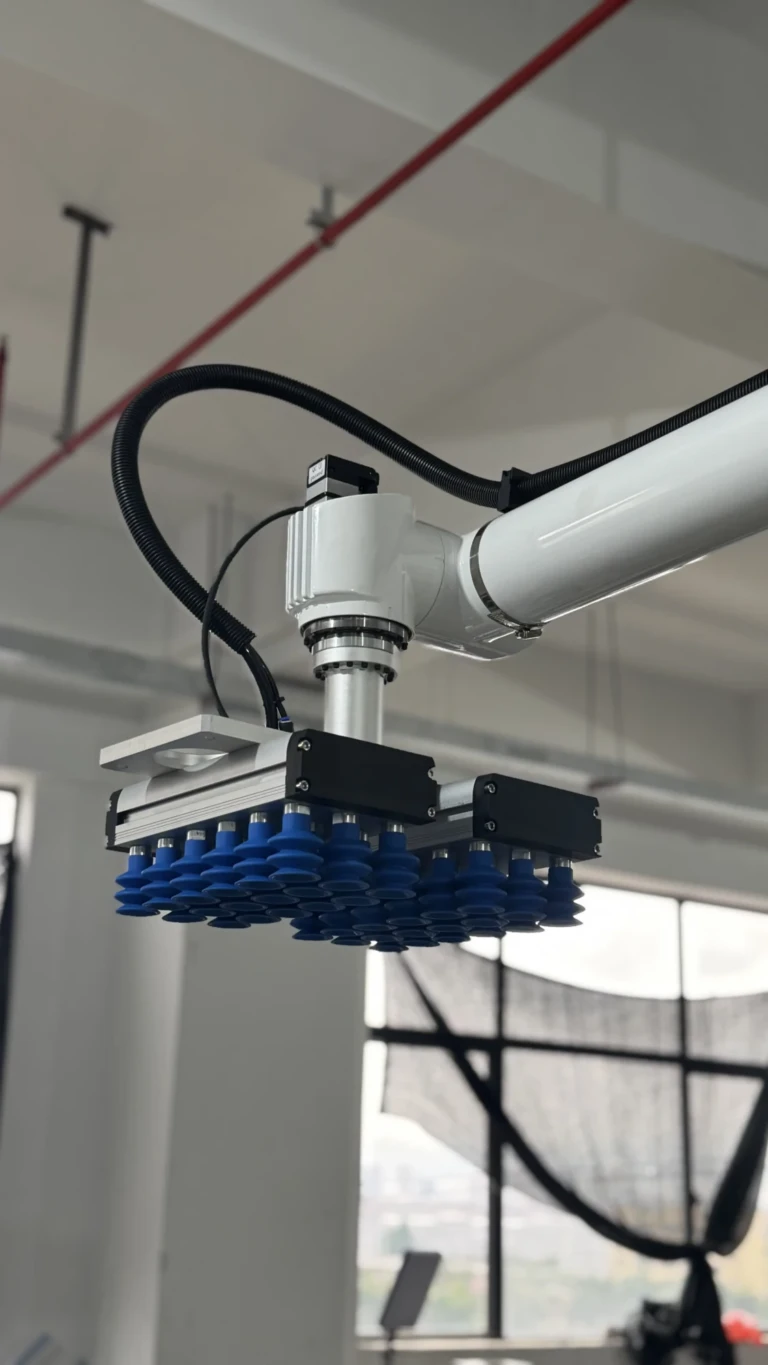
- Gripper Versatility: Vacuum, clamp, or hybrid EOATs adapt to different bag materials (polywoven, paper, plastic).
- Software Intelligence: User-friendly interfaces allow operators to program patterns quickly. AI-driven systems can self-optimize stacking sequences for maximum stability.
- Integration Flexibility: Compatibility with upstream/downstream equipment (e.g., conveyor belts, stretch wrappers) ensures end-to-end automation.
Huaxiu Robot’s Innovations in Palletizing
As a leader in industrial automation, Huaxiu Robot offers a full suite of palletizing solutions tailored to bag handling:
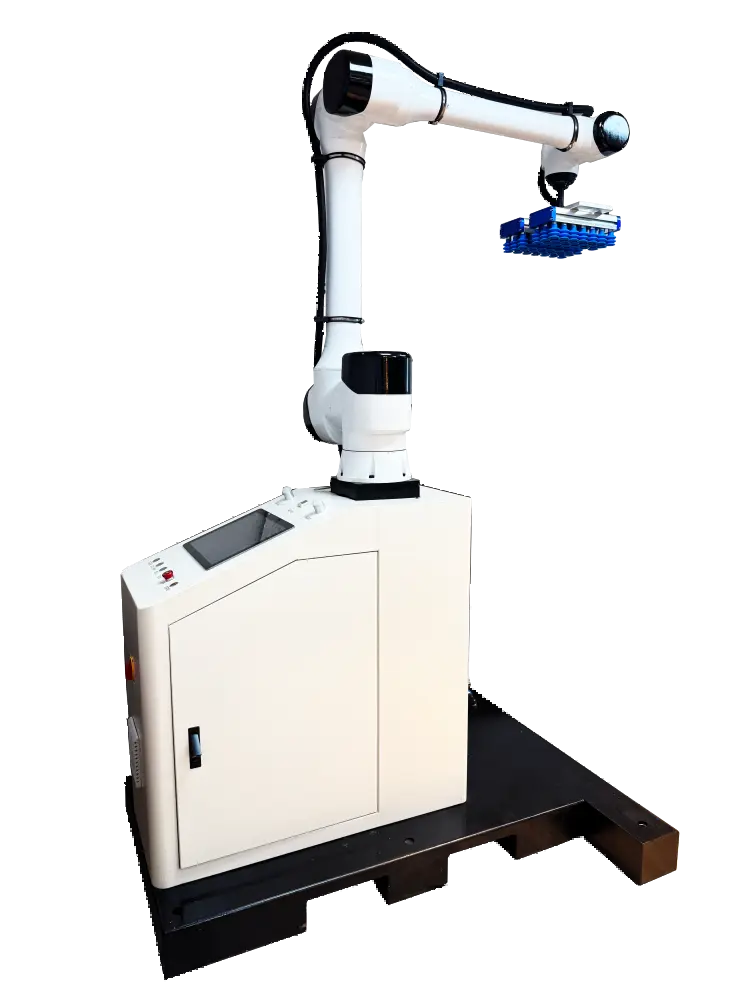
- Collaborative Palletizing Robots (CPRs): Ideal for SMEs needing flexibility—no safety barriers required.
- High-Speed Delta Robots: For lightweight bags requiring blistering speeds (e.g., snack foods).
- Hybrid AI Systems: Combines robotic hardware with machine learning to predict and correct pallet imbalances in real time.
Overcoming Implementation Challenges
While the ROI is compelling, integrating robotic palletizers requires strategic planning:
- Initial Costs: High upfront investment (often $100,000+) can deter smaller businesses. Huaxiu’s modular designs help phase deployments.
- Maintenance: Regular servicing of grippers and sensors is essential. Opt for providers offering remote diagnostics and on-call support.
- Workflow Re-engineering: Palletizing robots may necessitate changes to conveyor layouts or bag-orientation systems.
The Green Advantage
Sustainability is an often-overlooked benefit. Automated systems reduce material waste (from damaged bags) and energy use through optimized motion paths. Huaxiu’s robots, for instance, use regenerative drives that recapture kinetic energy during deceleration.
Conclusion
High-speed robotic palletizers are no longer a luxury—they’re a necessity for industries seeking to compete in an era defined by speed, safety, and scalability. By automating bag handling, businesses slash labor costs, enhance workplace safety, and achieve pallet consistency that boosts customer satisfaction. Brands like Huaxiu Robot are spearheading this transformation with rugged, intelligent systems that adapt to diverse operational needs. As technology evolves, expect even tighter integration with IoT platforms, predictive analytics, and sustainable engineering. The question isn’t whether to automate palletizing—it’s when.
FAQs: High-Speed Robotic Palletizers
1. How long does it take to install a robotic palletizer?
Deployment typically takes 2–6 weeks, depending on system complexity. Huaxiu’s plug-and-play models can be operational in under 10 days.
2. Can these robots handle irregularly shaped bags?
Yes. Advanced vision systems and adaptive grippers accommodate variations in bag size, texture, or fill levels.
3. What’s the average ROI period for a palletizing robot?
Most clients recover costs within 12–24 months via labor savings, reduced product damage, and increased throughput.
4. Do robotic palletizers require specialized operators?
Basic training suffices for day-to-day operation. Huaxiu provides intuitive touchscreen controls and remote troubleshooting.
5. How do I maintain a robotic palletizer?
Routine tasks include cleaning grippers, calibrating sensors, and lubricating joints. Annual professional inspections are recommended.
6. Are they compatible with existing palletizing patterns?
Absolutely. Software allows custom pattern creation or replication of legacy stacking methods.
7. What safety features are included?
Laser scanners, emergency stops, and collision detection—Huaxiu’s CPRs comply with ISO 10218 safety standards.
8. Can one robot manage multiple production lines?
Yes, with a mobile base or gantry system. Huaxiu’s Multi-Line Coordination software enables seamless switching.
By blending technical depth with real-world applicability, this guide underscores why high-speed robotic palletizers are reshaping bag handling—and how forward-thinking brands can leverage them to future-proof their operations.