The Evolution of Palletizing Automation: How Modular Robotics Is Redefining Efficiency
For decades, palletizing — the process of stacking goods onto pallets for storage or transport — has been a cornerstone of manufacturing, warehousing, and logistics. Traditional automated palletizing systems, while effective for mass production, often struggled to adapt to today’s fast-changing market demands. Enter modular robotics: a transformative approach merging flexibility, scalability, and intelligence to create palletizing solutions that are as dynamic as the industries they serve.
The Shift Toward Modular Robotics in Palletizing
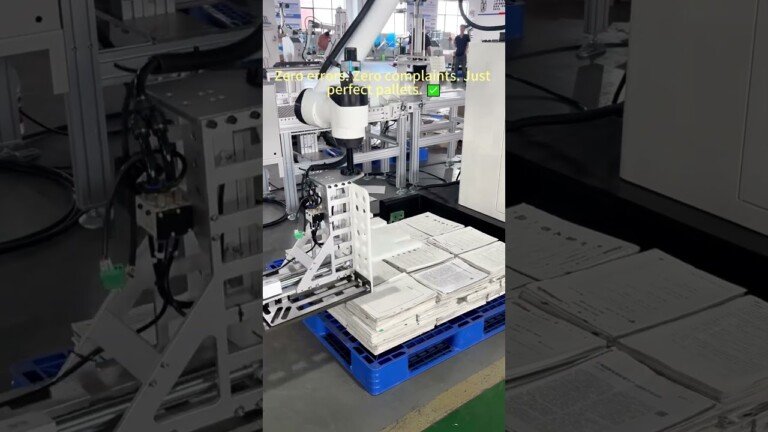
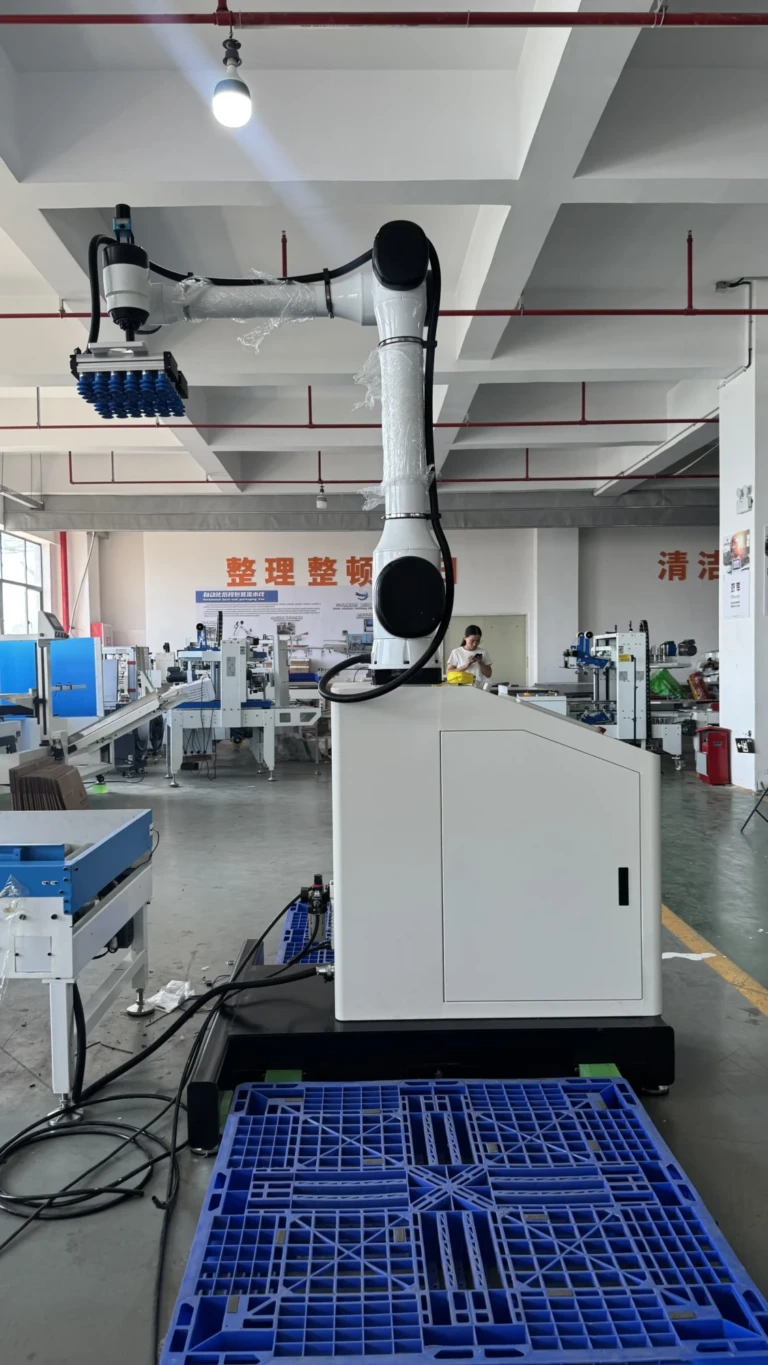
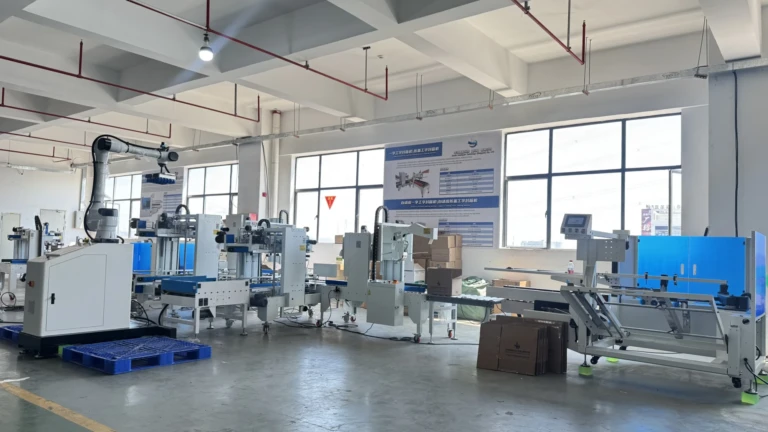
Palletizing automation once relied heavily on fixed robotic arms or bulky machinery programmed for repetitive, high-volume tasks. These systems were rigid, costly to reconfigure, and ill-suited for handling product variability or seasonal demand shifts. Modular robotics flips this paradigm by breaking down automation into interchangeable, intelligent components. Think of it as "Lego-like" robotics: individual modules (robotic arms, grippers, conveyors, vision systems, etc.) can be combined, rearranged, or upgraded independently to meet evolving needs.
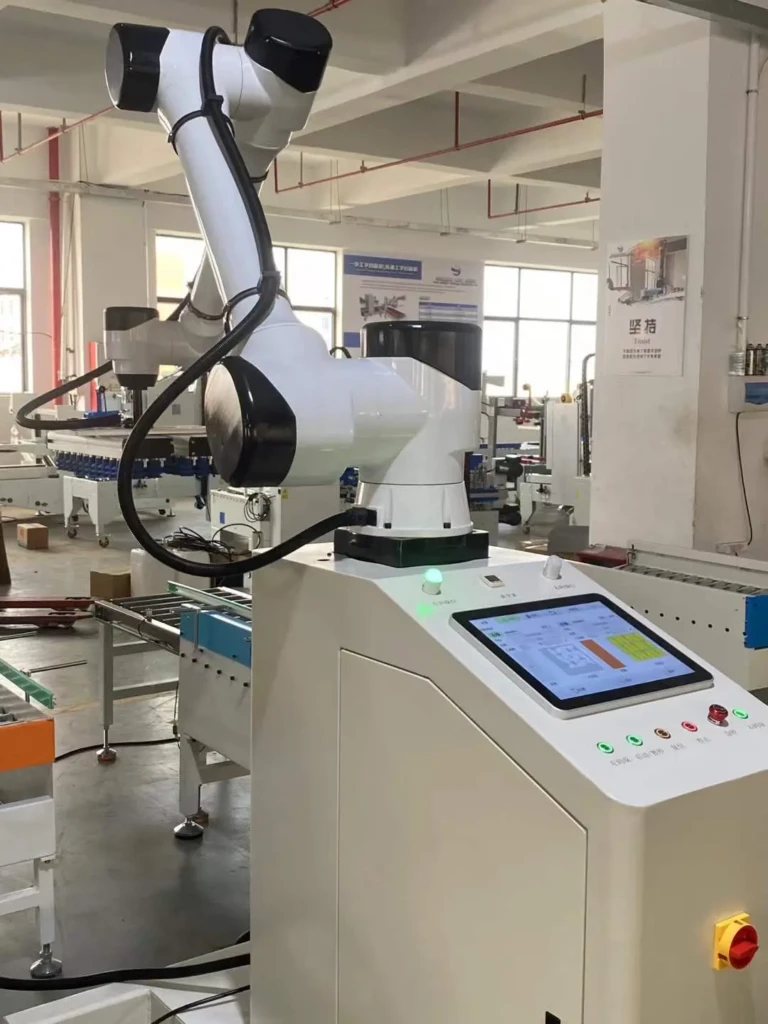
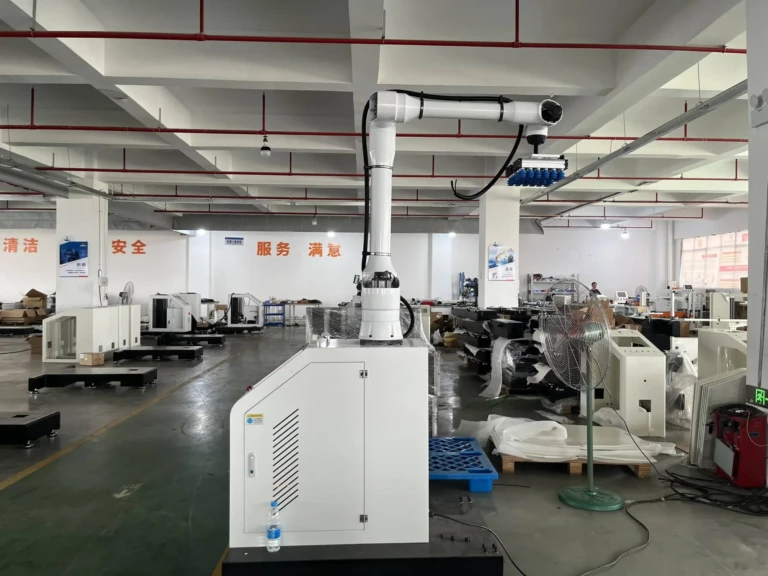
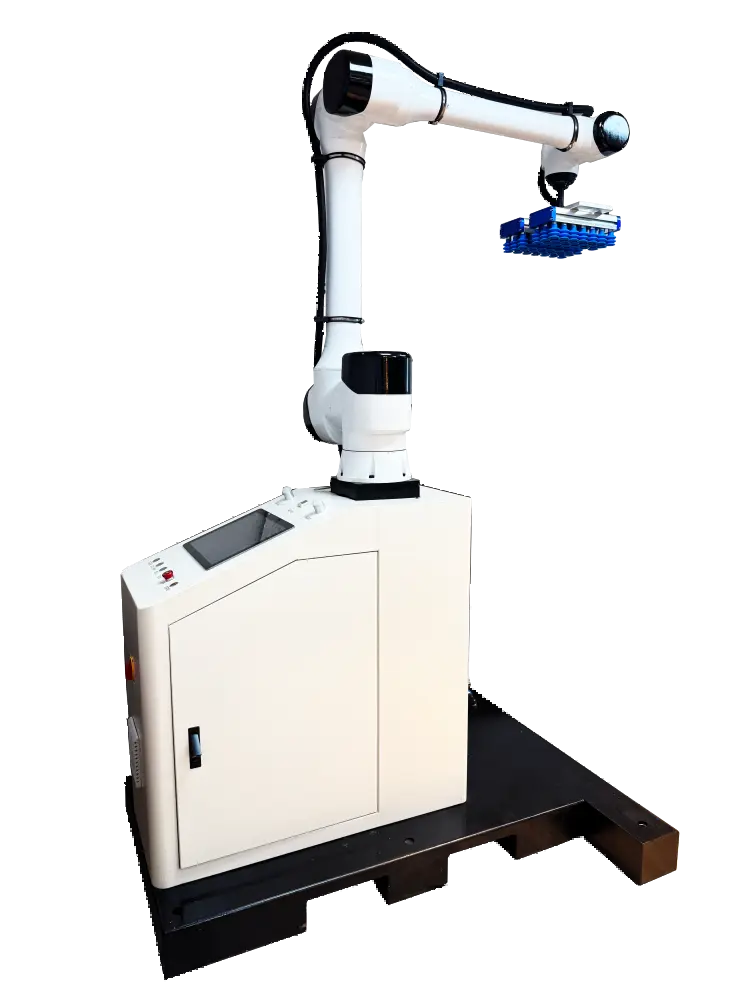
Huaxiu Robot, a pioneer in this space, exemplifies this revolution. Their suite of modular products — from collaborative palletizing robots to fully autonomous strapping and stretch-film wrapping systems — enables factories to build tailored workflows without overhauling entire production lines.
Why Modularity Matters: 5 Game-Changing Advantages
-
Adaptability to Product Variability
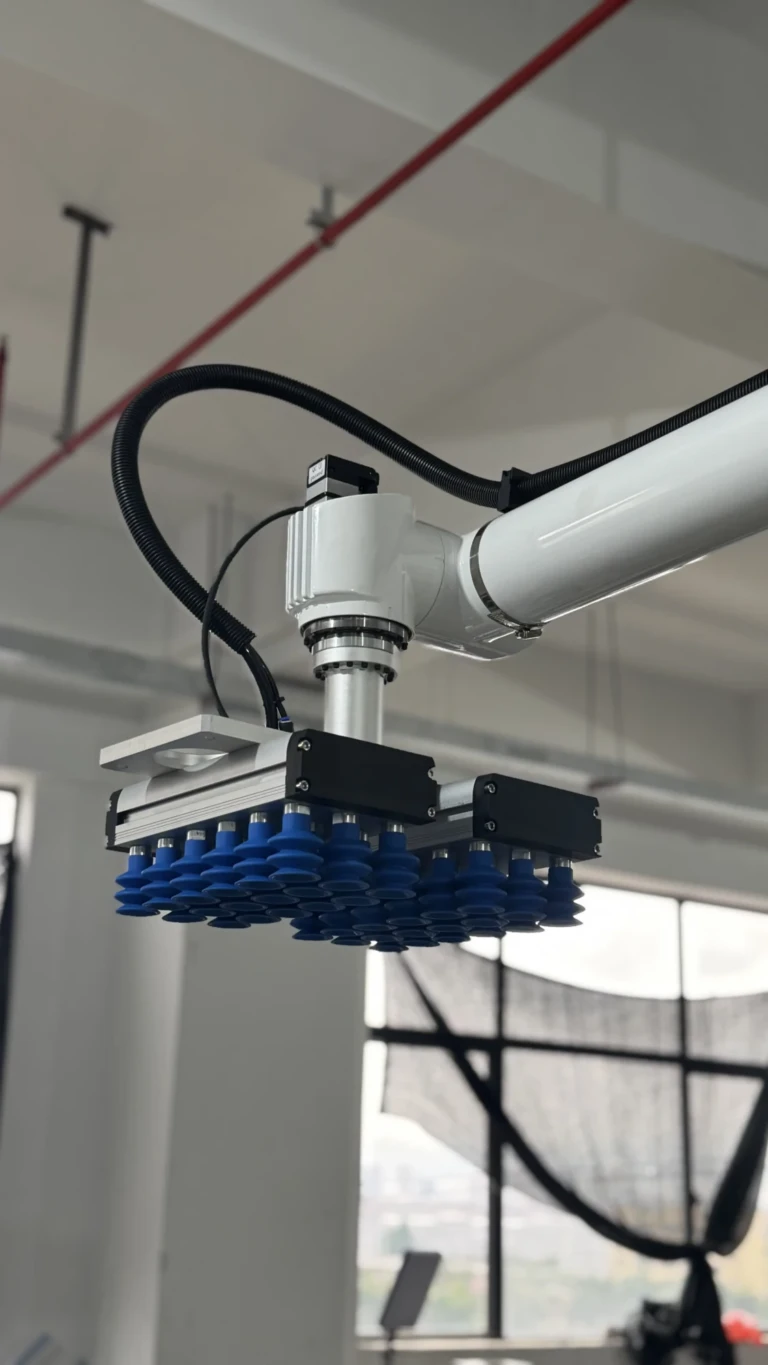
Modern consumers demand customization, leading to smaller batch sizes and frequent SKU changes. Modular robots equipped with AI vision and quick-change end effectors (EOAT) can handle diverse box sizes, shapes, and weights seamlessly. For example, Huaxiu’s collaborative palletizing robots use machine learning to recognize new patterns in real time, eliminating downtime for manual reprogramming. -
Scalability Without Disruption
Growing businesses no longer need to rip-and-replace existing systems. Need to add a shrink-wrapping stage? Integrate Huaxiu’s shrink packaging robots alongside palletizers. Facing a holiday surge? Deploy additional automatic sealing robots temporarily. Modules interoperate via standardized interfaces, minimizing integration complexity. -
Space and Cost Efficiency
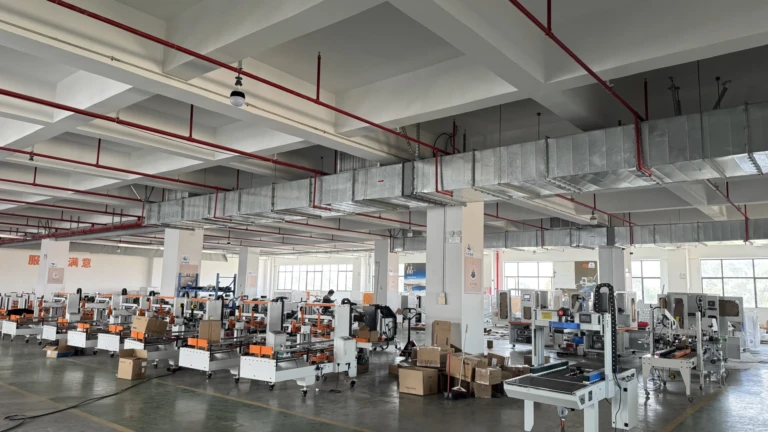
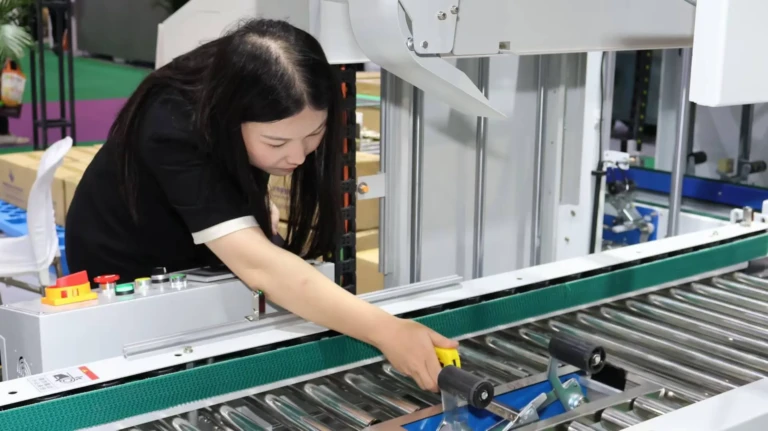
Traditional palletizing cells often occupy large footprints. Modular systems optimize space through compact, multi-functional designs. Huaxiu’s semi-automatic sealing robots, for instance, can be wall-mounted or embedded within conveyors, freeing floor space for other operations. -
Simplified Maintenance & Upgrades
With modular systems, a malfunctioning component doesn’t halt production. Individual robots or sensors can be swapped in minutes. Upgrading to a faster gripper or smarter vision system? Just replace the module — no need to retire the entire unit. - Enhanced ROI Through Future-Proofing
Modularity shields businesses from technological obsolescence. As Industry 4.0 advances (think IoT, 5G, or AI-driven analytics), new modules can be integrated to leverage emerging capabilities, extending the system’s lifespan and ROI.
Real-World Applications: Where Modular Robotics Excels
- E-Commerce Fulfillment Centers: Rapidly changing inventory demands require systems that adapt on the fly. Modular robots palletize mixed-SKU orders, apply custom packaging, and seal boxes autonomously.
- Food & Beverage: Hygienic, washdown-ready modules handle delicate items like beverage cases or bakery products while complying with strict safety standards.
- Pharmaceuticals: Precision palletizing of irregularly shaped containers, combined with automated quality-check modules, ensures compliance and traceability.
Huaxiu’s ecosystem shines here. Their pallet-forming robots prepare bases for unstable loads, while strapping robots secure them — all synchronized via a central control system. Meanwhile, fully automatic stretch film packaging robots apply tension-adjusted wraps, reducing material waste by 20-30%.
The Hidden Engine: Software & Interoperability
Hardware flexibility is just one piece of the puzzle. Modular robotics thrives on unified software architectures enabling seamless communication between devices. Huaxiu’s platforms support:
- Plug-and-Play Integration: Modules self-configure upon connection.
- Cloud-Based Analytics: Monitor performance, predict maintenance, and optimize workflows remotely.
- API Compatibility: Integrate with ERP/WMS systems for end-to-end supply chain visibility.
Overcoming Implementation Challenges
Transitioning to modular palletizing isn’t without hurdles. Key considerations include:
- Workflow Re-Engineering: Mapping processes to identify optimal module combinations.
- Skill Development: Training staff to manage modular systems (simpler than traditional robotics!).
- Initial Investment: While modularity reduces long-term costs, upfront planning is critical.
Huaxiu addresses this through turnkey solutions and scalable entry points. For example, a facility might start with automatic unpacking robots and sealing robots, then expand into full palletizing cells as demand grows.
The Future: AI, Swarm Robotics, and Autonomy
Modular palletizing is poised for exponential growth. Emerging trends include:
- AI-Optimized Load Planning: Algorithms determining optimal stacking patterns to minimize damage and maximize pallet density.
- Swarm Robotics: Multiple lightweight robots collaborating on complex pallet configurations.
- Self-Healing Systems: Modules diagnosing and resolving issues autonomously (e.g., a gripper recalibrating after detecting slippage).
Conclusion
Modular robotics isn’t just an upgrade to palletizing automation — it’s a fundamental rethinking of how factories approach flexibility, scalability, and resilience. By embracing systems like those offered by Huaxiu Robot, businesses can future-proof their operations, reduce waste, and respond agilely to market shifts. Whether you’re palletizing 100 or 100,000 units daily, modularity offers a path to efficiency that grows with you.
FAQs
Q: How quickly can a modular palletizing system be deployed?
A: Depending on complexity, systems can be operational within weeks. Modular components arrive pre-configured, minimizing on-site integration.
Q: Can modular robots handle fragile or irregularly shaped items?
A: Yes. Adaptive grippers and vision systems allow delicate handling of items from glass bottles to bags of powder.
Q: Are modular systems suitable for small businesses?
A: Absolutely. Start with a single robot (e.g., semi-automatic sealing) and scale as needed — modularity democratizes automation for SMEs.
Q: How does modular robotics impact workforce safety?
A: Collaborative robots (cobots) operate safely alongside humans, reducing strain injuries from manual palletizing.
Q: What’s the typical ROI period for these systems?
A: Most businesses see ROI within 12-24 months via labor savings, reduced product damage, and increased throughput.