Boost Efficiency with Robotic Palletizer Cells: The Future of Warehouse Automation
In today’s fast-paced industrial landscape, businesses face mounting pressure to maximize productivity while minimizing costs. One area where this challenge is particularly evident is in palletizing—the process of stacking products onto pallets for shipment. Traditional manual palletizing is labor-intensive, prone to errors, and limited by human physical constraints. Enter robotic palletizer cells, a transformative automation solution that combines speed, precision, and flexibility. In this blog, we’ll explore how these systems revolutionize warehouse operations, delve into the technology behind them, and highlight why Huaxiu Robot’s portfolio stands at the forefront of this innovation.
The Problem with Manual Palletizing
Manual palletizing relies heavily on human labor, which comes with inherent limitations:
- Fatigue: Workers tire quickly, reducing output over time.
- Inconsistency: Variability in stacking leads to unstable loads and damaged goods.
- Safety Risks: Heavy lifting increases the risk of workplace injuries.
- Scalability Issues: Meeting sudden spikes in demand requires hiring/training, which is time-consuming.
For industries like food & beverage, pharmaceuticals, e-commerce, or manufacturing, these inefficiencies result in lost revenue, higher operational costs, and compliance headaches.
How Robotic Palletizer Cells Solve These Challenges
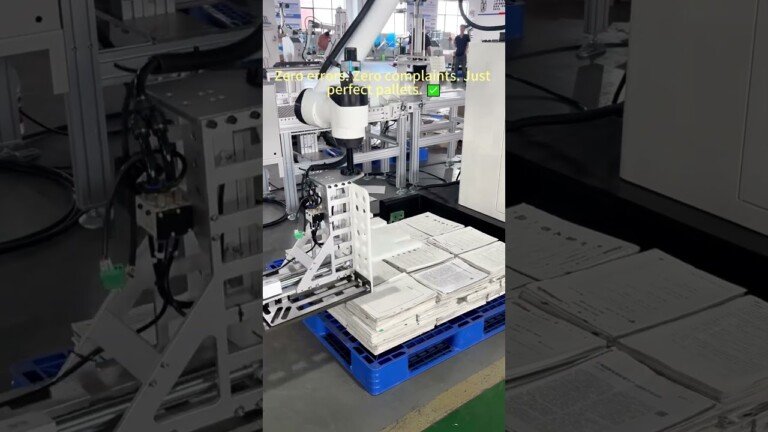
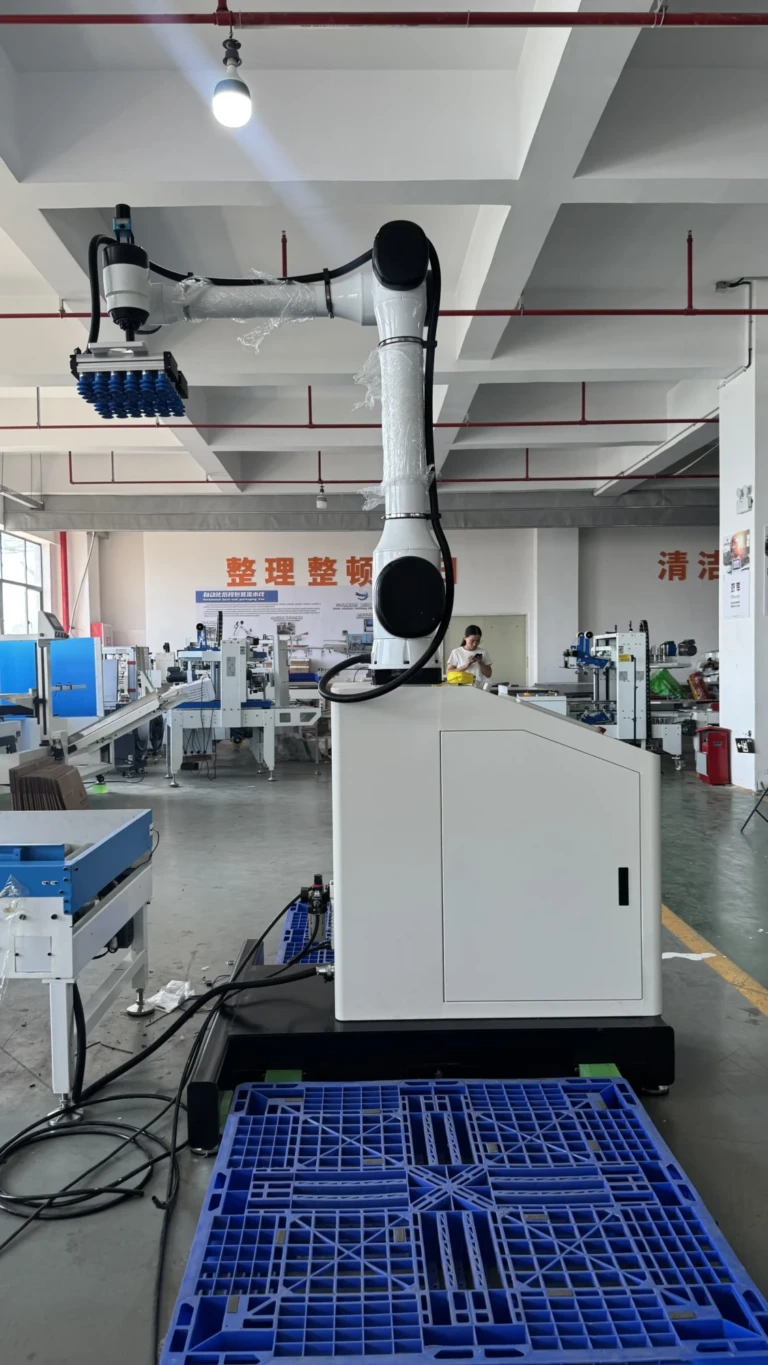
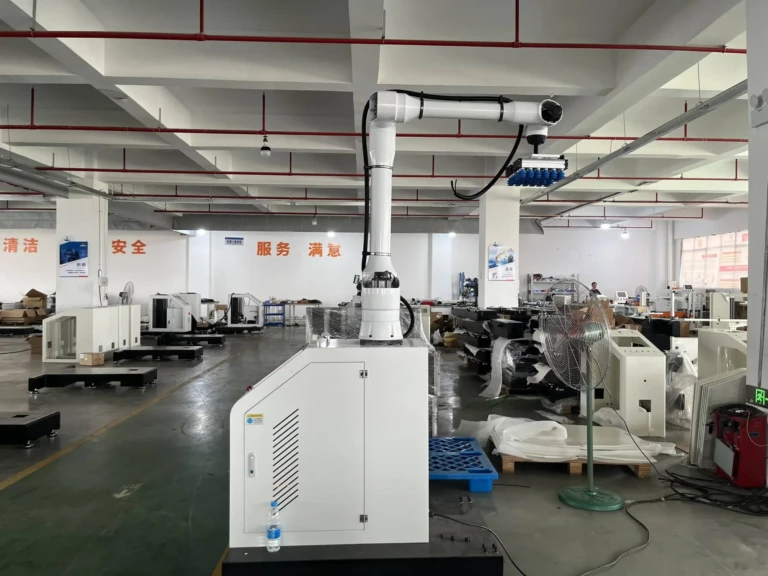
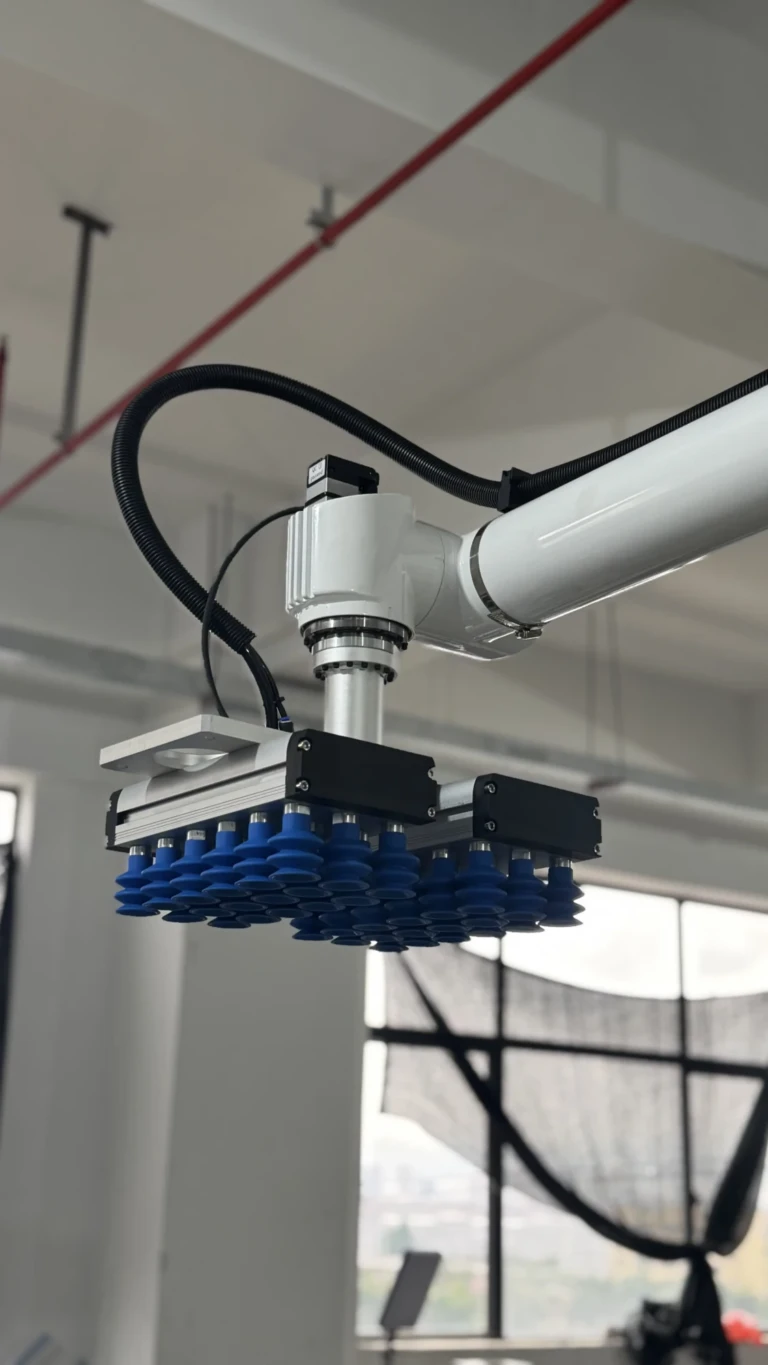
Robotic palletizer cells automate the stacking process using industrial robots equipped with specialized end-of-arm tools (EOATs), such as grippers, suction cups, or forks. Integrated with vision systems and programmable logic controllers (PLCs), these cells optimize every step of palletizing:
1. Unmatched Speed and Precision
Robotic arms can handle 10–30 cycles per minute (depending on payload), far outpacing human workers. Advanced algorithms calculate optimal stacking patterns to maximize pallet stability and space utilization, reducing wasted cubic footage in transit.
2. Flexibility for Diverse Workflows
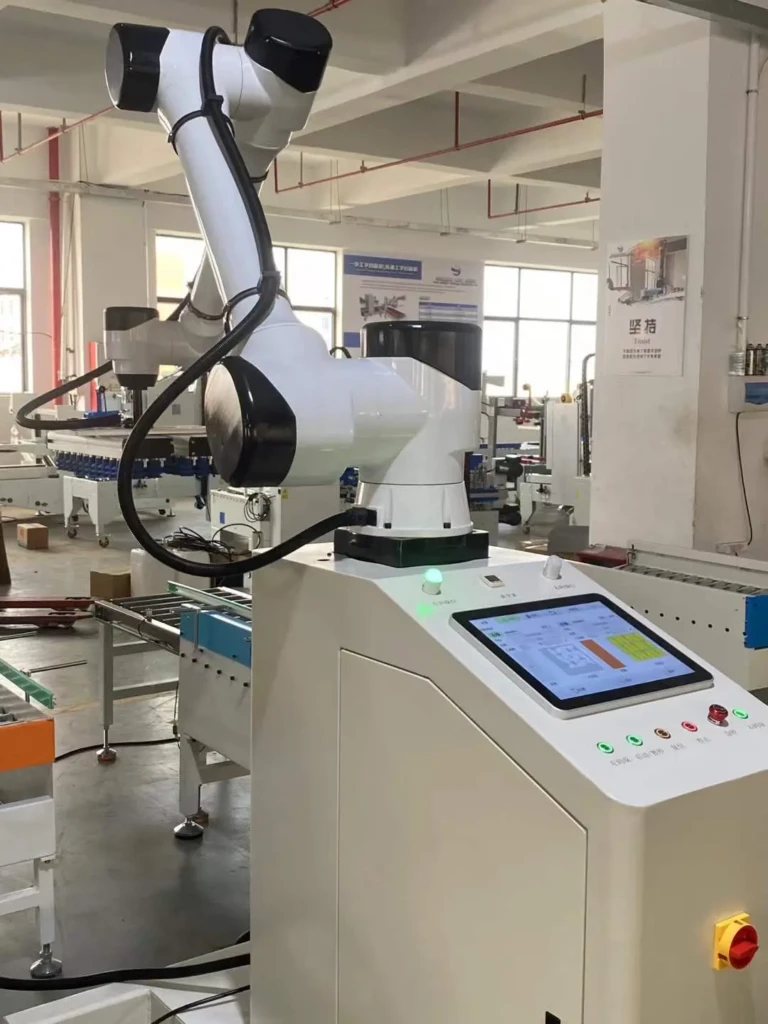
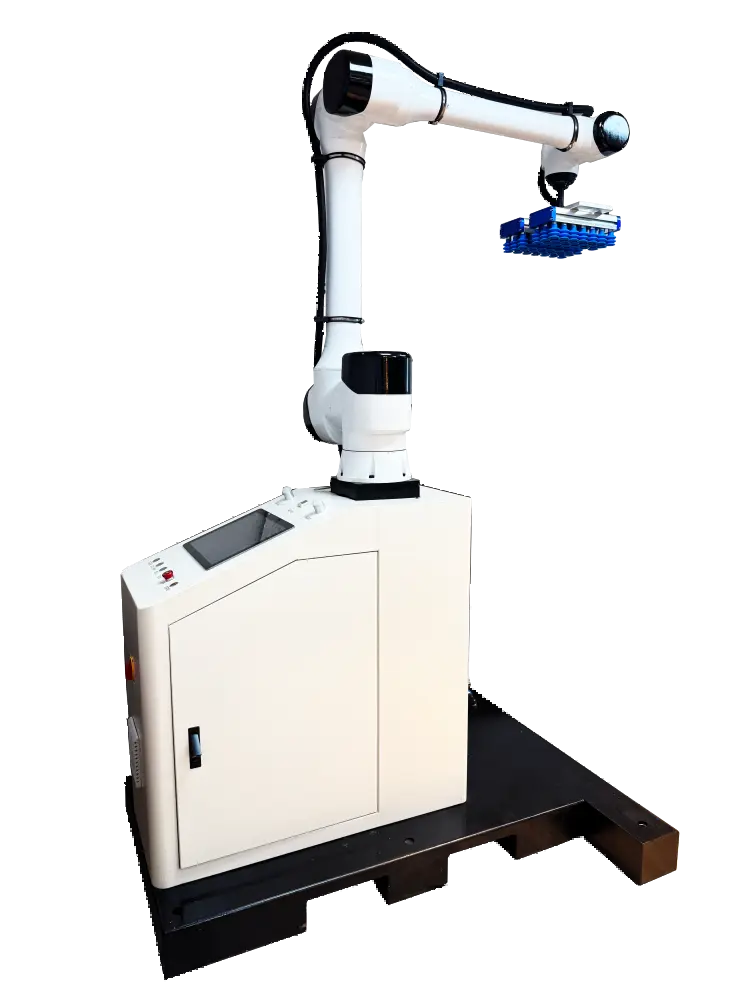
Unlike fixed automation, modern palletizing robots adapt to multiple product types, sizes, and packaging formats (boxes, bags, drums, etc.). Huaxiu Robot’s collaborative palletizing robots, for example, can be reprogrammed via intuitive interfaces for new SKUs in minutes—ideal for high-mix production environments.
3. Improved Safety
By eliminating manual heavy lifting and repetitive motions, robotic cells reduce workplace injuries. Collaborative models (cobots) work safely alongside humans without safety cages, thanks to force-limiting sensors.
4. 24/7 Operation
Robots don’t need breaks. Paired with automated guided vehicles (AGVs) or conveyor systems, they enable lights-out production, slashing labor costs and boosting throughput.
5. Data-Driven Optimization
Integrated IoT sensors collect real-time data on cycle times, downtime, and maintenance needs, empowering predictive analytics for continuous improvement.
Huaxiu Robot: A Comprehensive Automation Ecosystem
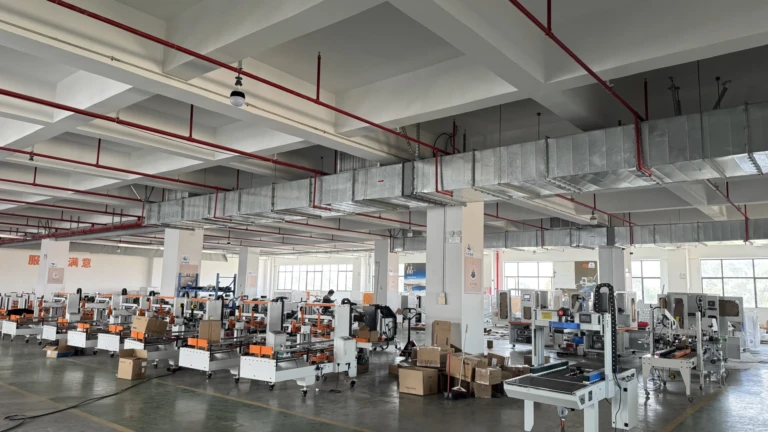
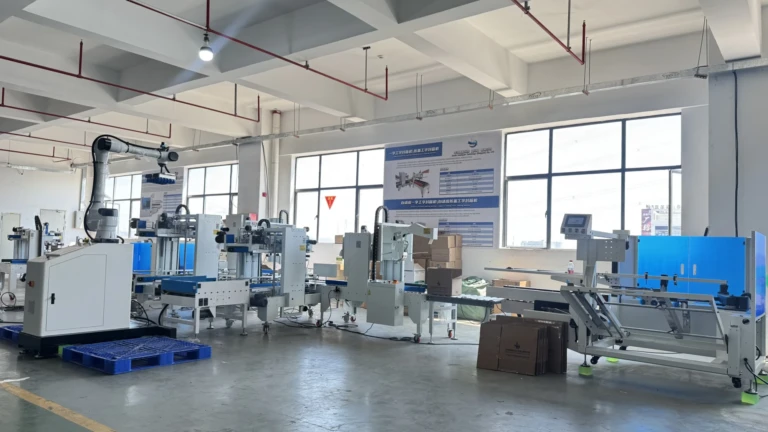
Huaxiu Robot goes beyond standalone palletizing robots by offering end-to-end solutions that integrate seamlessly into existing workflows. Here’s how their product suite elevates efficiency:
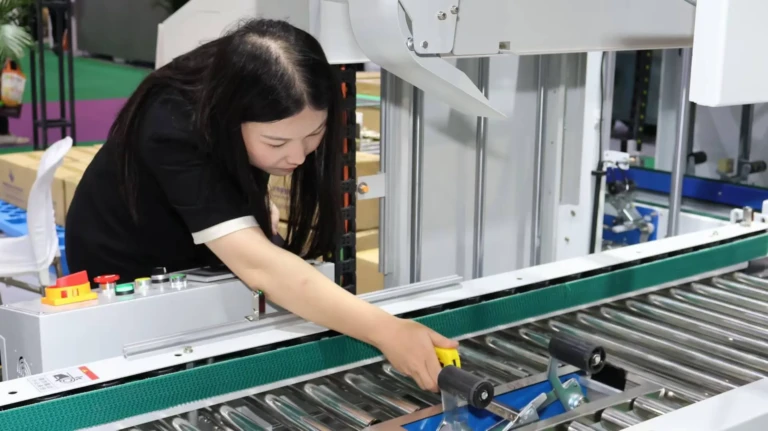
- Automated Unpacking/Sealing Robots: Prep goods for palletizing by automating box handling and sealing.
- Shrink/Stretch Film Wrappers: Secure pallets with tight, consistent wraps to prevent transit damage.
- Pallet Forming & Strapping Robots: Build sturdy pallets from scratch and secure them with straps.
- Collaborative (Cobot) Palletizers: Ideal for SMEs needing flexible, space-efficient automation.
This ecosystem approach eliminates bottlenecks across the packaging line, ensuring a smooth flow from production to dispatch. For instance, a fully integrated Huaxiu cell could unbox products, seal secondary packaging, palletize them, wrap with stretch film, and strap the load—without human intervention.
ROI and Scalability
Contrary to misconceptions, robotic palletizers deliver rapid returns:
- Labor Savings: A single robot can replace 2–4 workers per shift, paying for itself in 1–3 years.
- Reduced Waste: Precise stacking cuts product damage by up to 25%.
- Scalability: From semi-automated cells to fully autonomous lines, systems can expand with business growth.
The Future of Palletizing: AI and Sustainability
Emerging trends like AI-powered vision systems will enable robots to self-optimize stacking patterns in real time, even for irregularly shaped items. Meanwhile, energy-efficient designs and recyclable packaging integrations align with ESG goals—a priority for Huaxiu’s R&D team.
Conclusion
Robotic palletizer cells are no longer a luxury; they’re a necessity for modern warehouses competing in an era of same-day deliveries and razor-thin margins. By automating repetitive tasks, businesses unlock unprecedented efficiency, safety, and scalability. Huaxiu Robot’s holistic approach—combining palletizing with unpacking, sealing, wrapping, and strapping—creates a future-proof infrastructure that adapts to evolving demands. Whether you’re a small distributor or a multinational manufacturer, investing in this technology isn’t just about keeping up—it’s about leading the pack.
FAQs About Robotic Palletizer Cells
Q: How much floor space do robotic palletizers need?
A: Compact cells like Huaxiu’s collaborative models require as little as 4m². Larger systems vary but often integrate vertically to minimize footprint.
Q: Can robots handle fragile or irregularly shaped items?
A: Yes. Custom EOATs with soft grips or vacuum controls ensure delicate products (e.g., glass bottles, bags) are handled safely. AI vision systems adapt to odd shapes.
Q: What’s the typical ROI period?
A: Most businesses see full ROI within 12–36 months via labor savings, reduced waste, and higher throughput.
Q: Are these systems difficult to maintain?
A: Modern robots have self-diagnostic software and require minimal upkeep (e.g., greasing joints). Huaxiu offers remote monitoring and predictive maintenance services.
Q: Can I retrofit robotic palletizers into an existing line?
A: Absolutely. Huaxiu designs modular cells compatible with legacy conveyors, AGVs, and ERP/WMS platforms.
Q: Are cobots safe to work alongside humans?
A: Yes. ISO-certified cobots have force sensors that halt motion upon contact, ensuring safe collaboration.
Q: Do robotic palletizers support sustainable operations?
A: Efficient stacking reduces material usage, while energy-saving modes cut power consumption by up to 30%.
Ready to transform your palletizing process? Explore how Huaxiu Robot’s tailored automation solutions can future-proof your operations today.