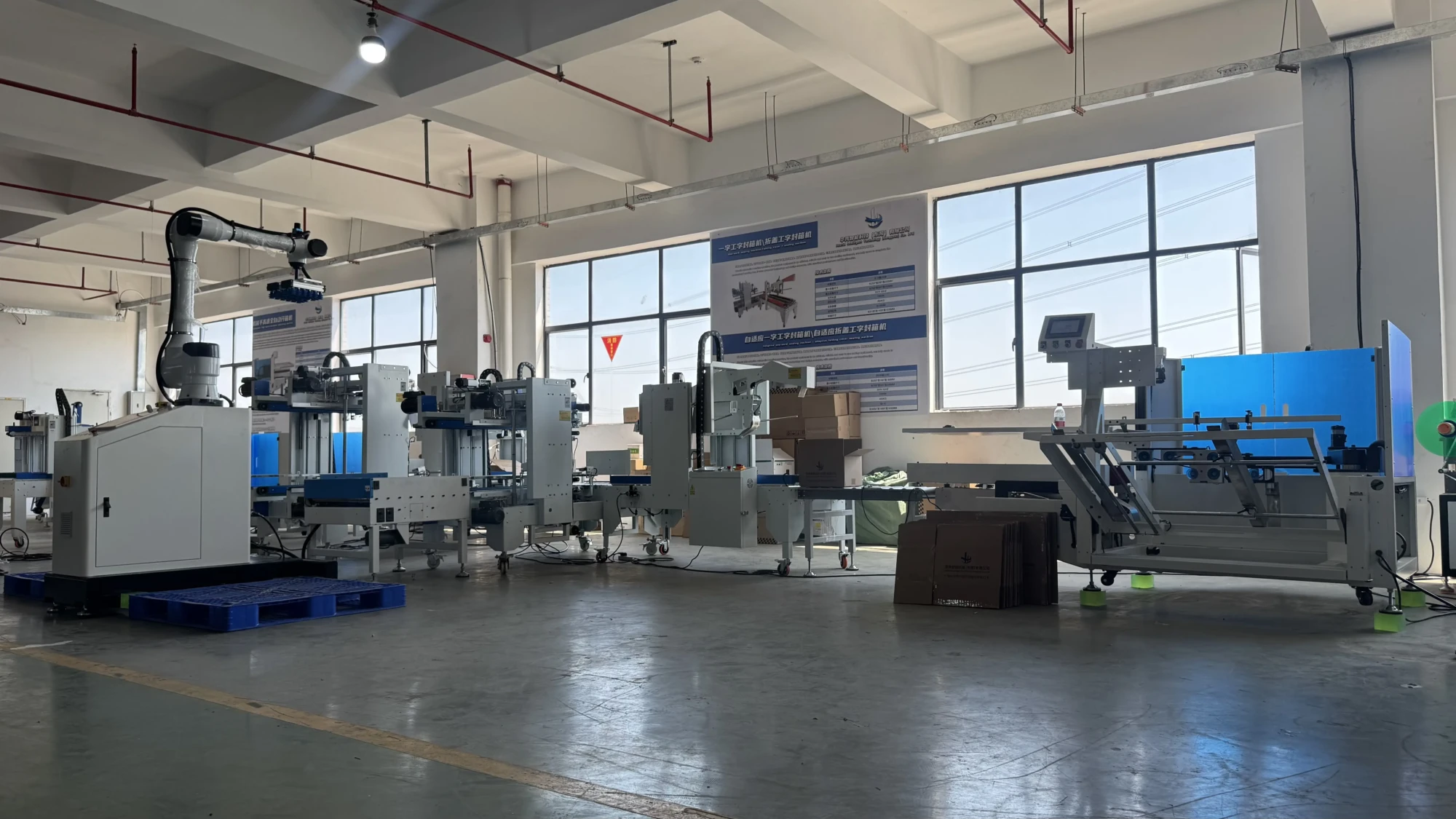
The Rise of Robotic Palletizers & Smart Racking in California Warehouses: A Game Changer for Logistics Efficiency
California’s warehouses are at the epicenter of global supply chain demands, serving as critical hubs for industries ranging from e-commerce to agriculture. With pressure mounting to streamline operations, reduce costs, and meet sustainability goals, forward-thinking facilities are turning to a powerful duo: robotic palletizers and integrated racking systems. This technological revolution isn’t just about automation — it’s about redefining the future of warehouse productivity in the Golden State.
Why California Warehouses Need Robotic Palletizers Now More Than Ever
California’s logistics landscape faces unique challenges:
- Labor shortages: Stringent labor laws and high turnover rates strain traditional manual palletizing.
- Space constraints: Urban warehouses must maximize vertical storage due to limited square footage.
- Sustainability mandates: California’s aggressive emissions targets require energy-efficient solutions.
- Speed-to-market demands: Consumers expect same-day or next-day delivery, especially in major metro areas like LA and the Bay Area.
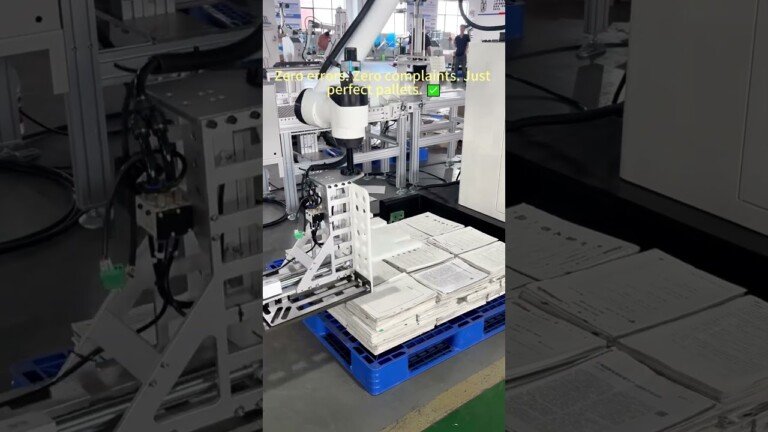
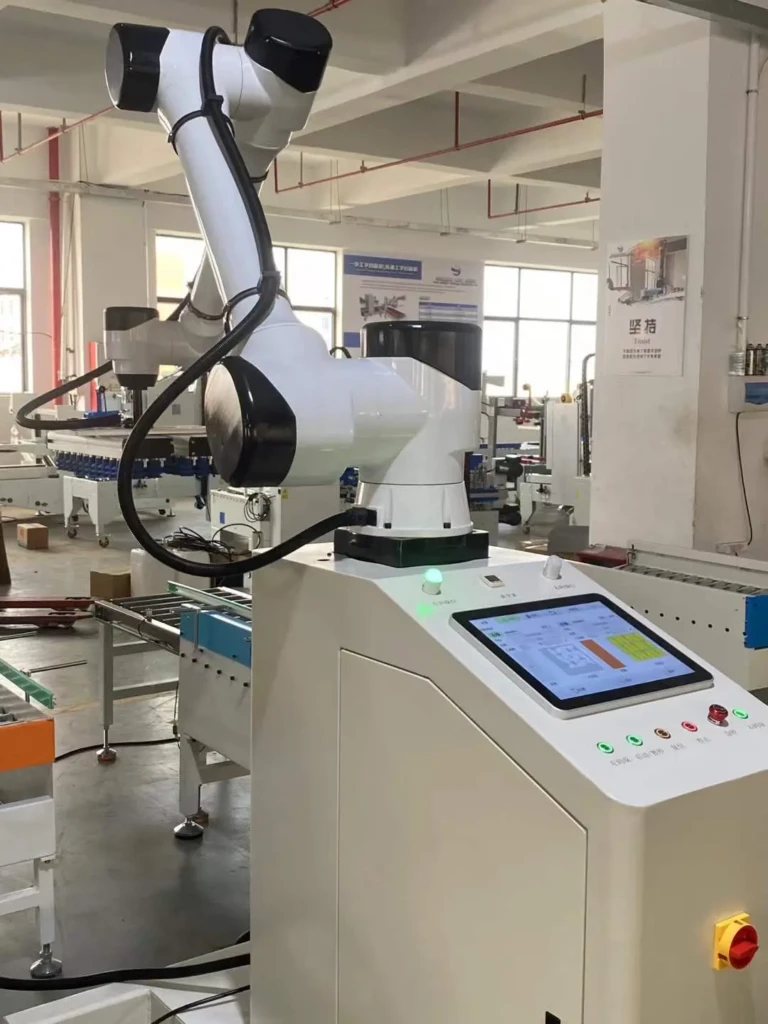
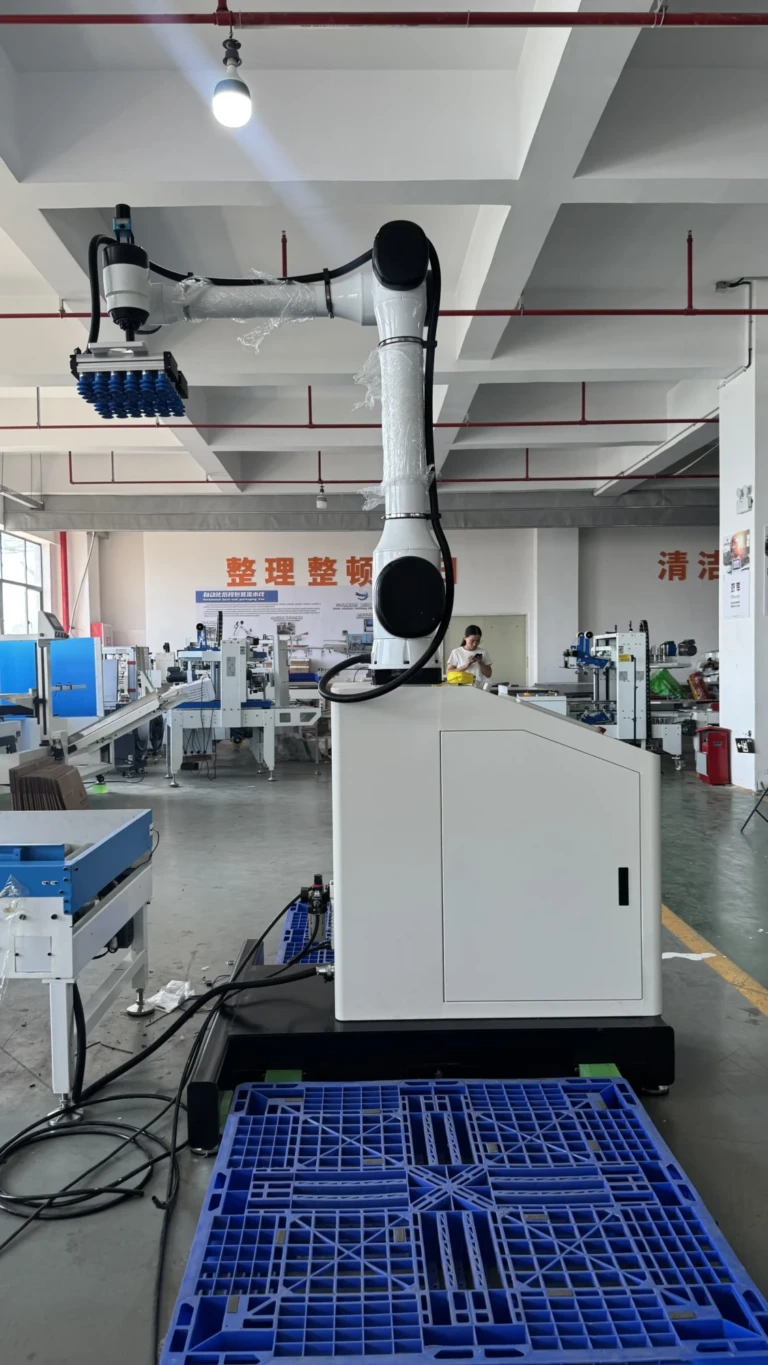
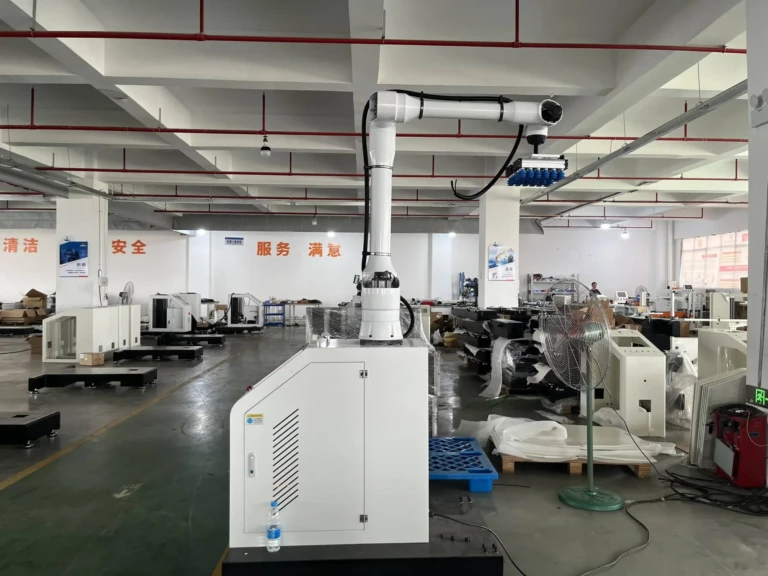
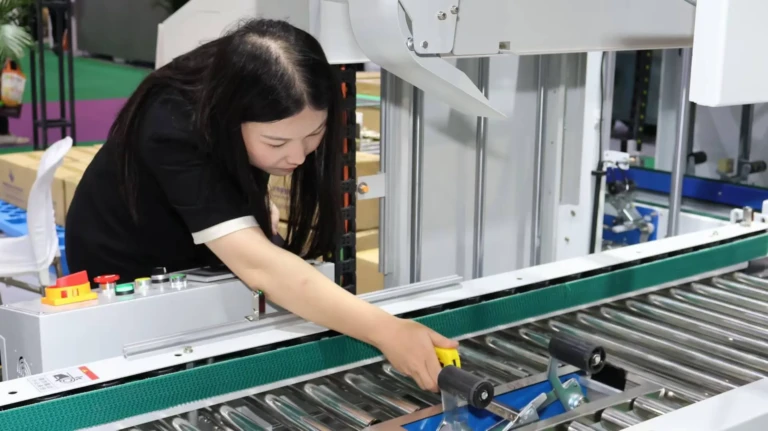
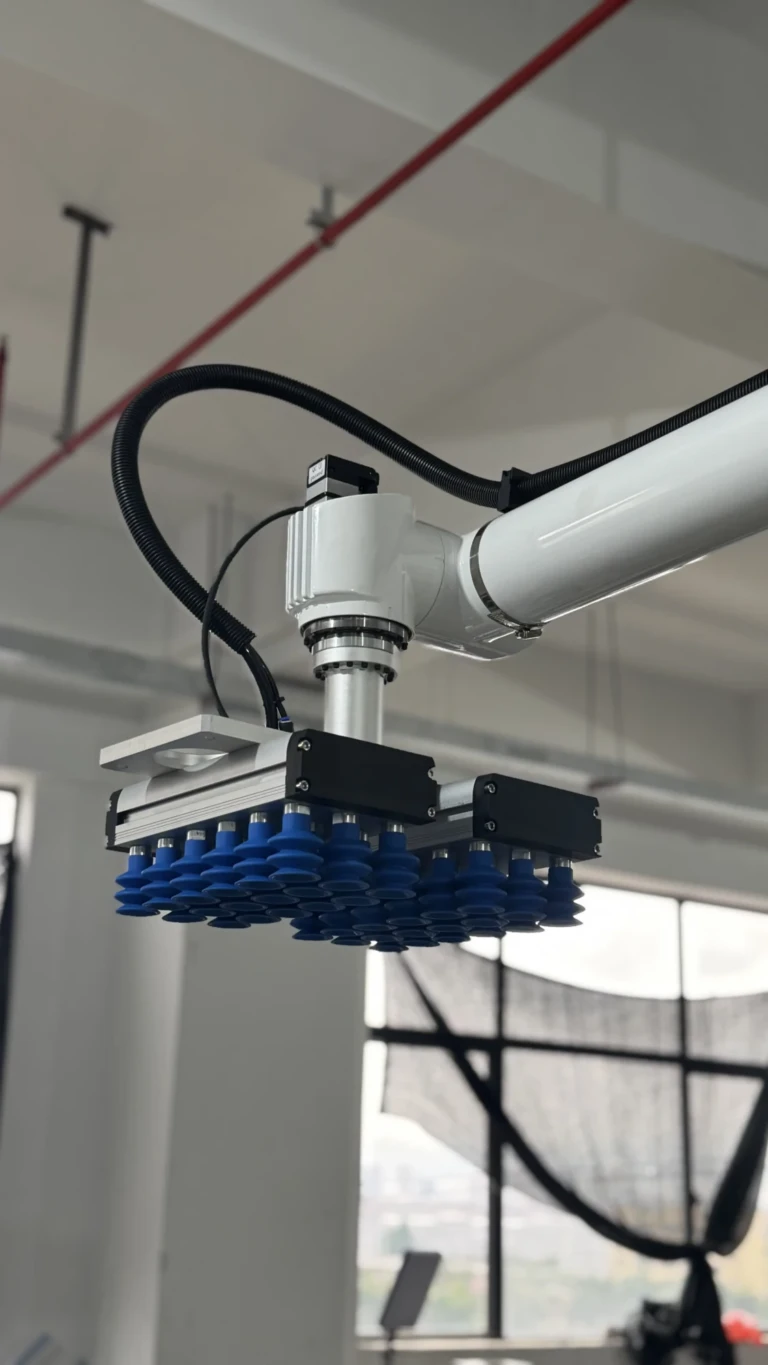
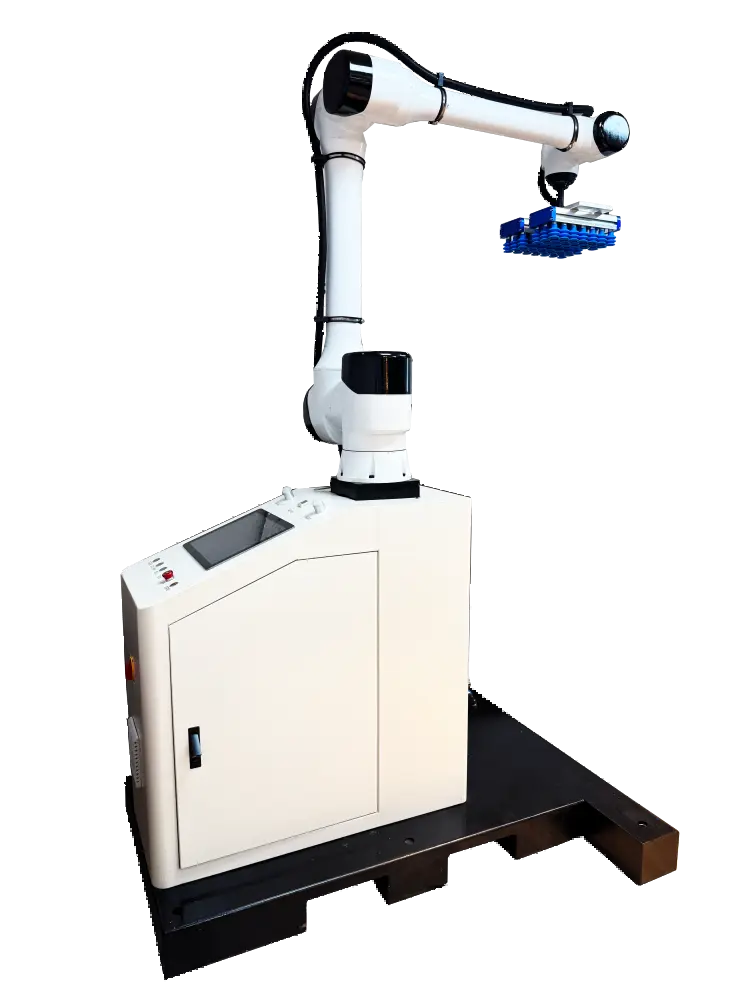
This is where robotic palletizing systems shine. Unlike conventional methods, robots like those from Huaxiu Robot — including their collaborative palletizing robots and fully automatic stretch film packaging robots — deliver unmatched consistency, speed, and adaptability. These systems can handle diverse payloads, from fragile glass bottles in Napa Valley wineries to bulky electronics in Silicon Valley distribution centers, with precision that minimizes product damage and waste.
Key Robotic Solutions Transforming CA Warehouses
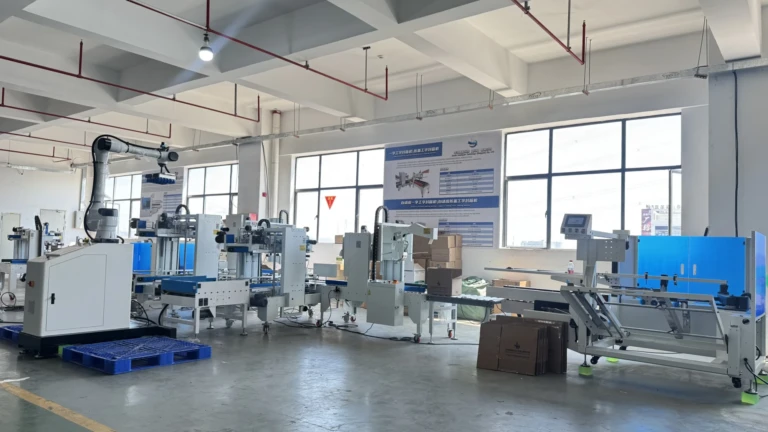
Huaxiu Robot’s product lineup addresses every stage of the palletizing workflow:
- Auto-Unloading & Unpacking: Robots like the automatic unpacking robot streamline inbound logistics, freeing staff for higher-value tasks.
- Pallet Building & Stacking: Pallet-forming robots optimize load stability for transit, while collaborative palletizers work alongside humans in hybrid environments.
- Sealing & Wrap Integrity: Automatic sealing robots and shrink/stretch packaging robots ensure goods stay secure, even during cross-state transport on CA’s busy highways.
- Full Integration: These systems sync with Warehouse Management Systems (WMS) for real-time inventory tracking and data-driven decision-making.
Synergy with Smart Racking: Maximizing Density & Accessibility
Robotic palletizers alone aren’t enough — they need intelligent storage infrastructure to unlock their full potential. Modern racking systems in California warehouses now incorporate:
- Automated Storage/Retrieval Systems (AS/RS): Robots retrieve pallets built by palletizers, creating a seamless flow from production to storage.
- High-Density Configurations: Push-back, drive-in, and pallet-flow racks maximize cube utilization, critical in high-rent areas like Los Angeles and San Francisco.
- IoT-Enabled Monitoring: Sensors track load weight, rack stress, and environmental conditions to prevent accidents and comply with Cal/OSHA standards.
Economic & Environmental Wins for CA Businesses
- Labor Cost Reduction: A single robotic palletizer can replace 2–4 workers per shift, with ROI often achieved in under 18 months.
- Energy Savings: Huaxiu’s semi-automatic sealing robots use 30% less power than traditional models, aligning with CA’s Title 24 efficiency rules.
- Space Optimization: Combining robots with vertical racking can increase storage capacity by 40%+ without expanding footprints.
- Reduced Claims: Consistent pallet builds lower damage rates, a major plus for high-value goods like pharmaceuticals or tech hardware.
Future-Proofing Your Warehouse
As California accelerates toward a 2030 zero-emission freight goal, next-gen palletizers and racking systems are evolving:
- AI-Powered Adaptability: Machine learning allows robots to adjust grips and paths for irregularly shaped items (e.g., agriculture produce).
- Modular Design: Systems like Huaxiu’s strapping robots can be upgraded without overhauling existing infrastructure.
- Carbon-Neutral Operations: Solar-compatible robots and recyclable stretch films support ESG reporting requirements.
Conclusion
For California warehouses navigating labor crunches, space limitations, and sustainability pressures, robotic palletizers and smart racking aren’t optional — they’re imperative. By automating repetitive tasks like pallet building, sealing, and wrapping, businesses gain accuracy, throughput, and resilience. When integrated with high-density racking, these technologies create a unified ecosystem that thrives under California’s unique demands. Companies like Huaxiu Robot are leading this shift with customizable, scalable solutions tailored to industries from Central Valley agriculture to SoCal aerospace.
FAQs: Robotic Palletizers & Racking in CA Warehouses
Q1: How much floor space do robotic palletizers require?
Most systems, like Huaxiu’s collaborative palletizing robots, occupy under 50 sq ft and can operate in narrow aisles. Mobile bases allow repositioning as needs change.
Q2: Are these robots compatible with existing racking systems?
Yes. Providers design solutions to interface with common rack types (selective, drive-in, cantilever). An audit of your current layout is recommended.
Q3: What’s the average ROI timeline for automation in CA?
Typically 12–24 months, factoring in labor savings, reduced product damage, and incentive programs like California’s AB 156 grants.
Q4: Can robotics handle temperature-sensitive environments (e.g., food storage)?
Absolutely. Huaxiu’s shrink packaging robots and palletizers are rated for cold storage (-22°F) and clean-room conditions.
Q5: How do robotic systems impact workforce dynamics?
While low-skill roles may decrease, new positions emerge in robot supervision, maintenance, and data analysis. Upskilling programs are key.
Q6: Are there financing options for small/mid-sized warehouses?
Many providers offer Robotics-as-a-Service (RaaS) leases, spreading costs over time while preserving capital.
By embracing these innovations, California warehouses position themselves not just for survival, but dominance in the modern supply chain.