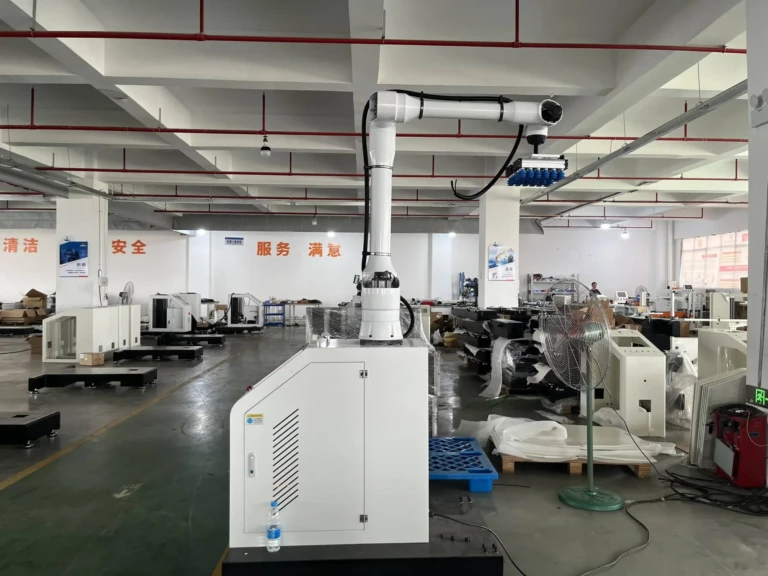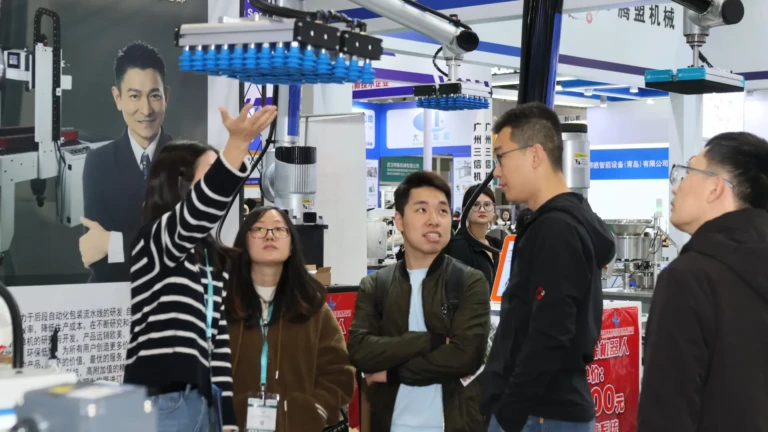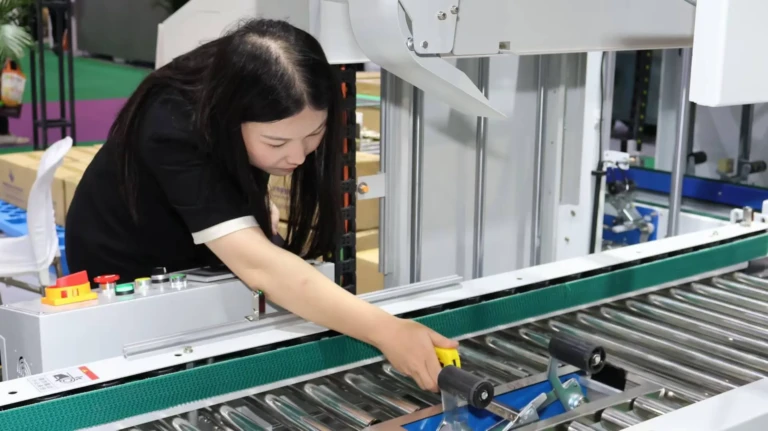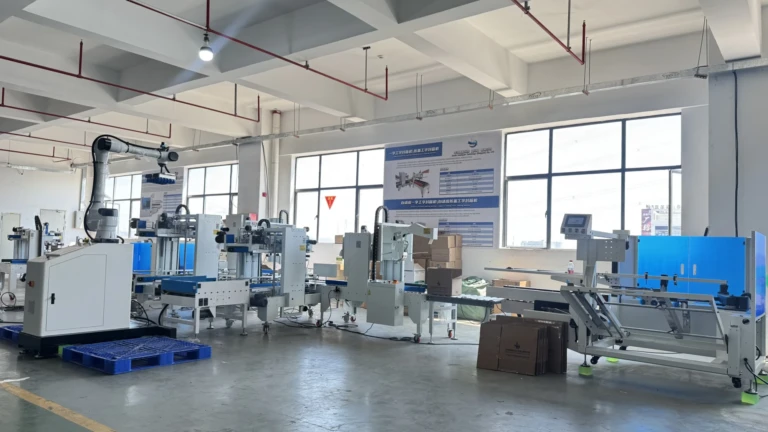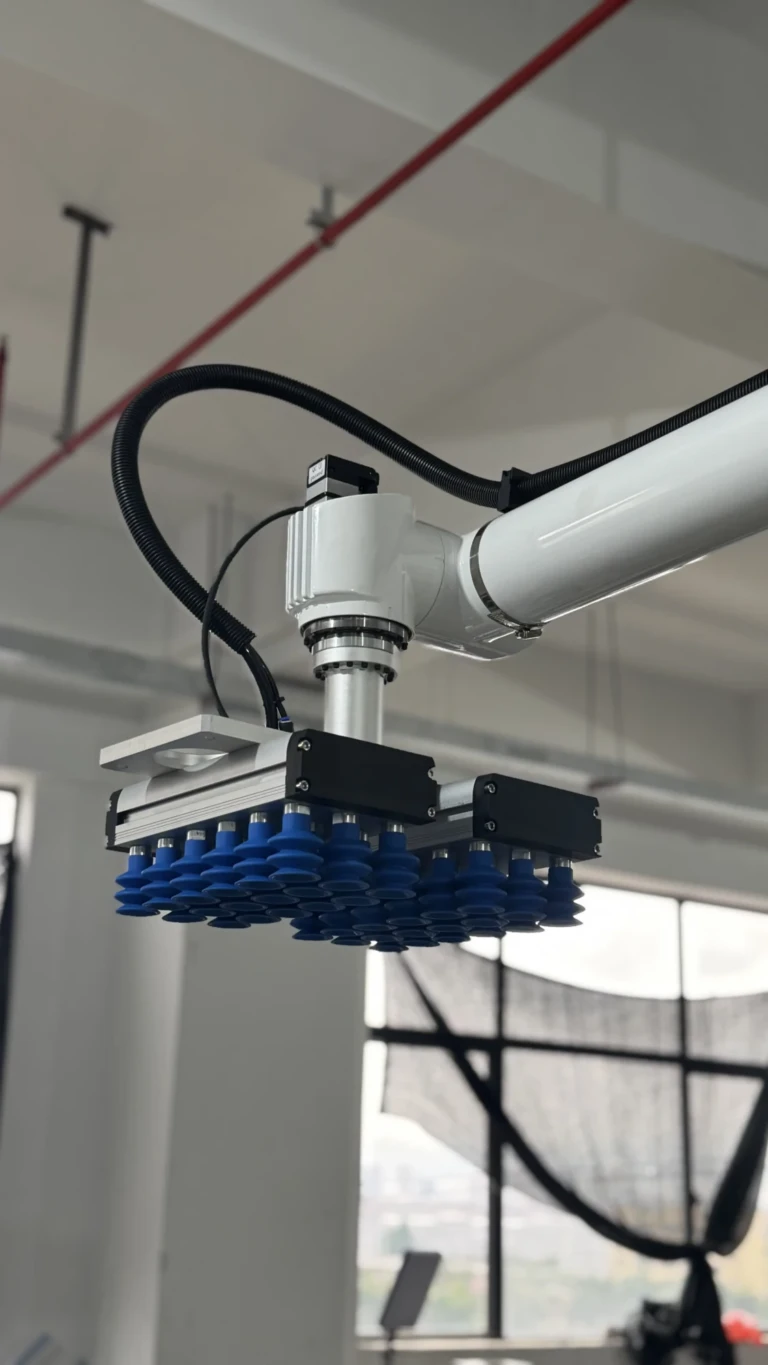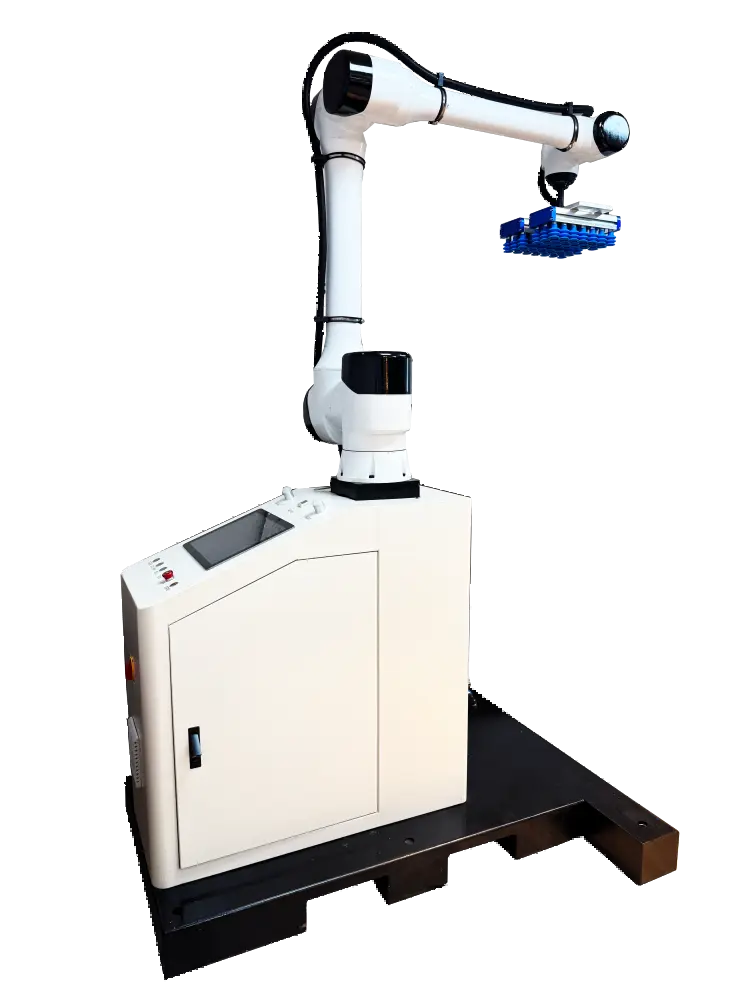

The Future of Warehousing: ABB Robot Arms Revolutionizing Pallet Packing Efficiency
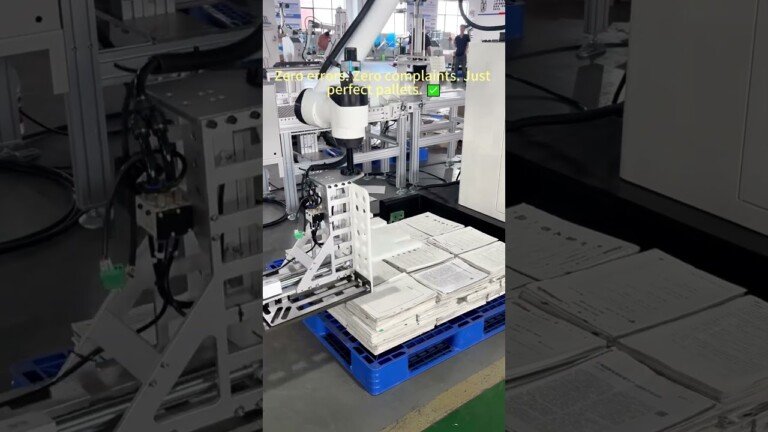
In the relentless pursuit of warehouse optimization, pallet packing remains a critical bottleneck. Traditional manual methods are plagued by inconsistencies, fatigue-related errors, and inherent speed limitations. Enter ABB Robotics—a global leader in industrial automation—whose robotic arms are transforming palletizing from a chore into a seamlessly orchestrated symphony of precision, speed, and relentless efficiency.
The ABB Advantage: Engineered for Palletizing Perfection
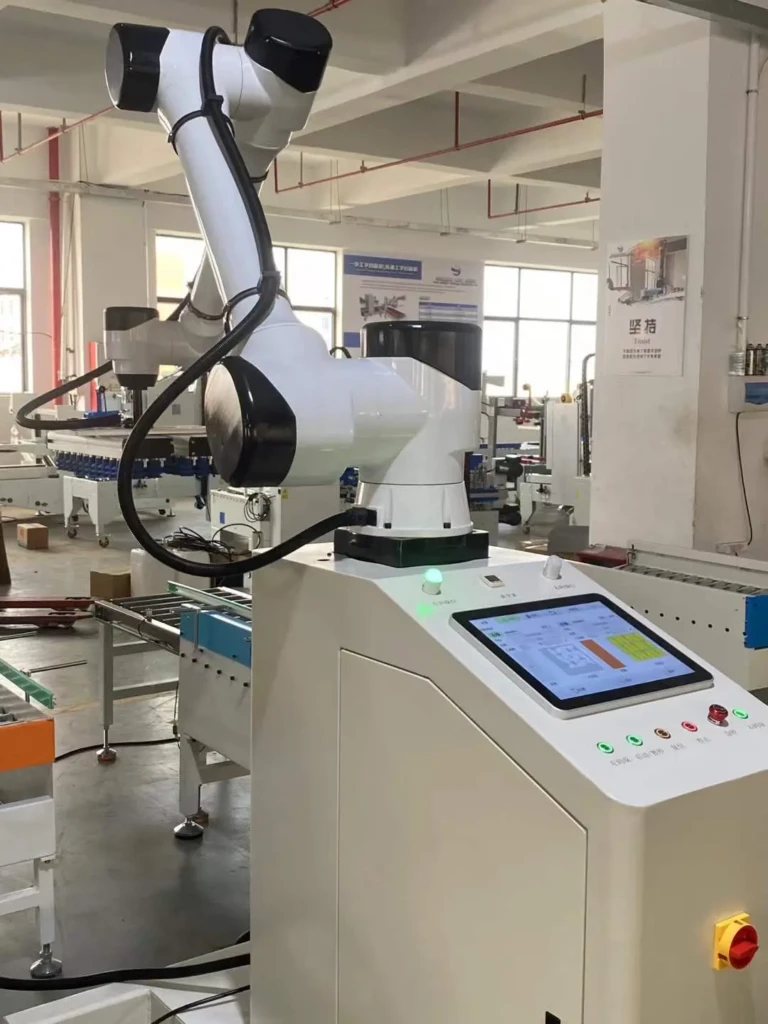
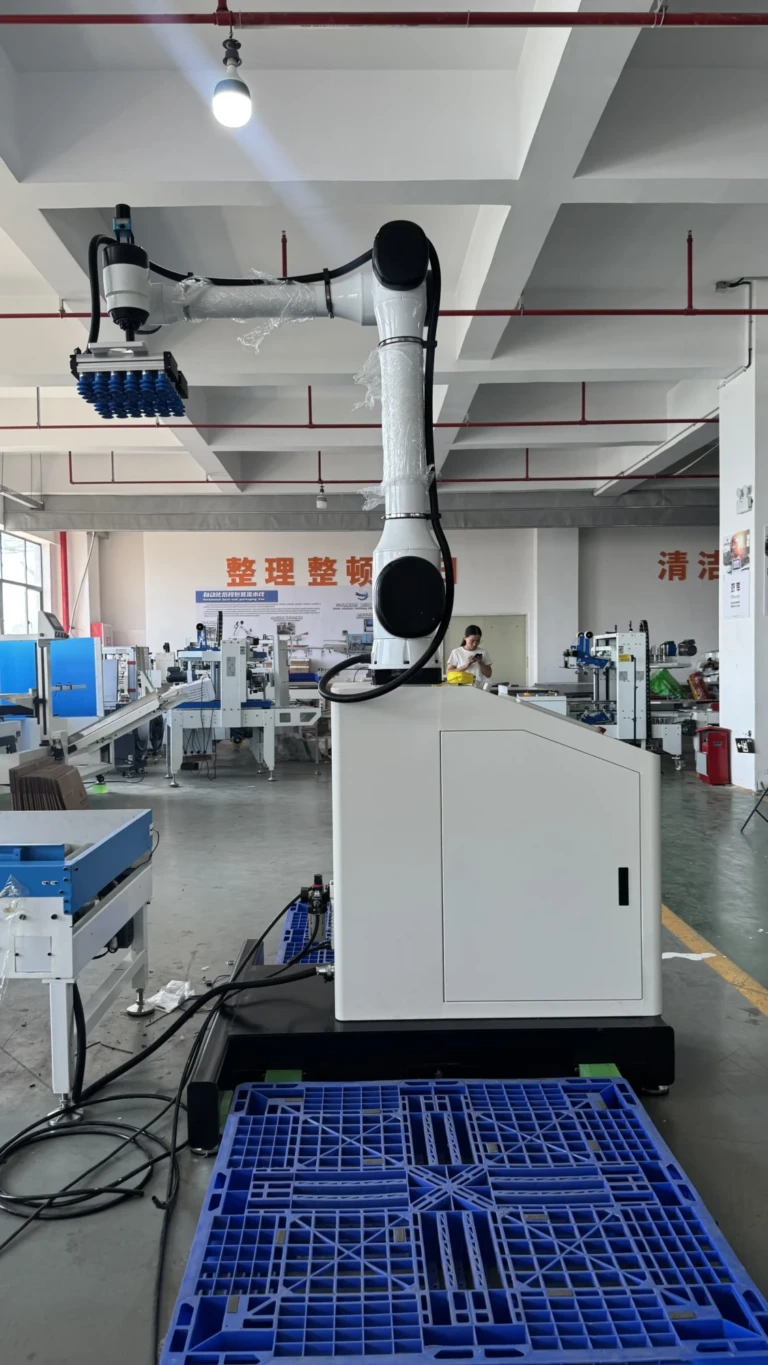
ABB’s palletizing robots, particularly the IRB 460 and IRB 660 series, are engineered with the unique demands of modern logistics in mind. Unlike generic robotic solutions, these arms incorporate patented motion control technology (TrueMove™ and QuickMove™) that enables:
- Unmatched Speed-to-Precision Ratio: Achieve cycle times as low as 0.8 seconds per case while maintaining millimeter-level placement accuracy, even at full payload capacity (up to 180 kg for heavy-duty palletizing).
- Compact Footprint, Maximum Reach: The IRB 460’s streamlined design operates within a 2.5m² area yet boasts a staggering 3.15m vertical reach—ideal for high-density warehouses.
- Collision Avoidance Intelligence: Integrated force sensing and path correction algorithms minimize downtime by preventing collisions during high-speed operations or unexpected obstructions.
Beyond Speed: The Hidden ROI Drivers
While raw velocity grabs headlines, ABB’s true value lies in systemic efficiency gains:
-
24/7 Operational Uptime:
Robots don’t need breaks, vacations, or shift rotations. A single IRB 660 can replace 2-3 manual palletizing stations, operating continuously with >99.5% reliability. -
Dynamic Pattern Optimization:
ABB’s PalletPack® software autonomously calculates optimal stacking sequences for mixed-SKU pallets—accounting for weight distribution, box integrity, and stability—reducing load failures by up to 40%. - Seamless Integration with Complementary Systems:
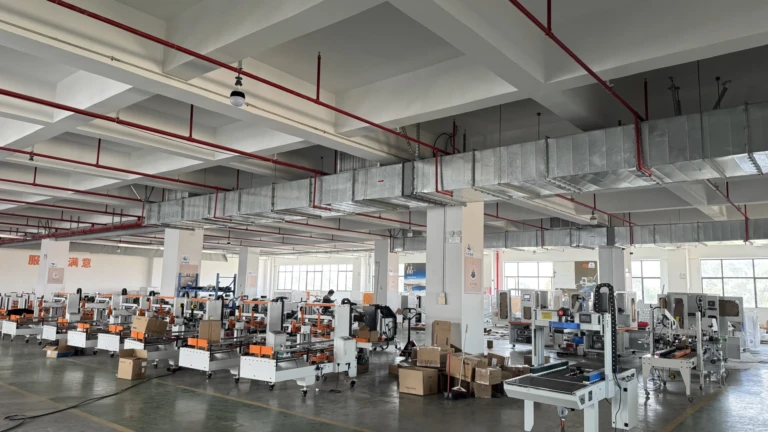
ABB arms natively interface with Huaxiu’s sealing and strapping robots (e.g., Huaxiu SR-7S Automatic Strapping Robot) to create end-to-end packing cells. This interoperability minimizes conveyor bottlenecks and enables true lights-out palletizing.
Industry-Specific Adaptations: Where ABB Excels
- Food & Beverage: Hygienic stainless-steel variants (IRB 6650S) with IP69 washdown ratings meet USDA/FDA standards, critical for dairy, meat, or frozen goods facilities.
- Pharma & Cosmetics: Vision-guided robots handle fragile vials and blister packs with 0.01mm repeatability, integrated with Huaxiu’s shrink-wrap systems for tamper-proof sealing.
- E-commerce: AI-powered depalletizing arms (IRB 1300) paired with automated label verification, enabling reverse logistics for returns processing.
Sustainability Impact: Fewer Trucks, Less Waste
ABB’s precise stacking algorithms maximize trailer space utilization—adding up to 12% more boxes per pallet. For a mid-sized distribution center, this translates to 3-5 fewer weekly truckloads (saving 14 tonnes CO2/month) and dramatic reductions in damaged goods from unstable loads.
Implementing ABB: Key Considerations
- Future-Proof Financing: ABB’s Robot-as-a-Service (RaaS) model allows ROI realization in <18 months via usage-based leasing (typical cost: $4-8/hour).
- Hybrid Workflows: Cobot variants (YuMi® series) can share spaces with staff for mixed pallet assembly, exemplifying Huaxiu’s collaborative unpacking robot philosophy.
- Certification Compliance: All ABB palletizing controllers meet SIL3/PLe safety ratings, seamlessly integrating with Huaxiu’s ISO 13849-certified packaging cells.
Conclusion
ABB’s robotic palletizing arms aren’t merely replacing labor—they’re redefining what’s possible in warehouse throughput and reliability. By synergizing ABB’s motion control mastery with Huaxiu’s packaging ecosystem, facilities achieve 30-60% productivity boosts while slashing operational costs by 15-25%. As labor shortages and sustainability mandates intensify, these robotics solutions transition from competitive advantage to operational necessity. The question is no longer “Why automate palletizing?” but “How fast can you deploy ABB?”
6 ABB Palletizing Robot FAQs
Q1: How difficult is programming an ABB palletizer?
ABB’s Wizard® Easy Programming Suite enables pattern creation via drag-and-drop templates—no coding needed. Advanced users leverage RAPID language for bespoke logic.
Q2: What’s the maintenance overhead?
Designed for 100,000+ hour lifespans, ABB robots require only annual greasing and gearbox checks (typically <2 hours downtime). Predictive maintenance via cloud-connected controllers reduces unplanned outages by 70%.
Q3: Can ABB handle irregularly shaped items?
Yes. The FlexGripper™ system combines vacuum cups and mechanical fingers to grip sacks, cylinders, and amorphous objects. Vision-guided robots adjust grips in real time.
Q4: How does ABB compare to traditional palletizers?
While conventional machines rely on fixed tracks and actuators, ABB’s 6-axis arms offer:
- 80% higher layout flexibility
- 50% smaller footprint
- Ability to switch pallet sizes/types in seconds
Q5: What’s the ROI timeline?
Most mid-volume operations (<500 pallets/day) achieve full payback in 10-16 months via labor savings, reduced product damage, and throughput gains.
Q6: Can Huaxiu’s sealing robots integrate directly with ABB cells?
Absolutely. Huaxiu’s ZH-300 Auto-Sealer uses PROFINET protocols to sync with ABB controllers, applying tape or glue precisely as the arm sets each layer—eliminating buffer conveyors.
(Industry statistics derived from ABB case studies and Huaxiu integration reports from 2021-2023 deployments.)