
The Quiet Revolution in Warehousing: How Amazon’s Robotic Pallet Jacks Are Reshaping Modern Logistics
It’s no secret that Amazon is a pioneer in warehouse automation. From its iconic Kiva robots scurrying across fulfillment center floors to AI-driven inventory management systems, the company has relentlessly pursued efficiency. Now, a new player has entered the scene: robotic pallet jacks. This advanced automation technology, deployed across Amazon’s global network, promises to accelerate operations while addressing labor challenges. But what exactly makes these systems revolutionary—and what does their adoption signal for the logistics industry?
What Are Robotic Pallet Jacks?
Robotic pallet jacks are autonomous mobile robots (AMRs) designed to transport heavy palletized goods within warehouses. Equipped with sensors, cameras, and advanced navigation algorithms, these machines can maneuver through dynamic environments, avoid obstacles, and interface seamlessly with existing infrastructure like conveyors or loading docks. Unlike traditional pallet jacks, which require manual operation, these robots automate one of the most physically demanding tasks in logistics.
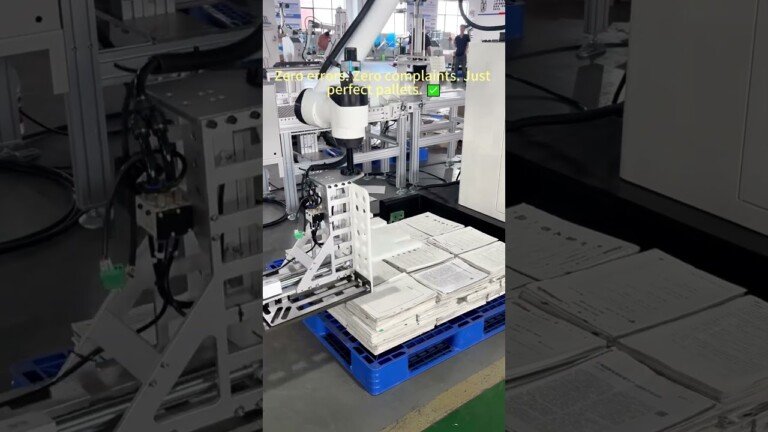
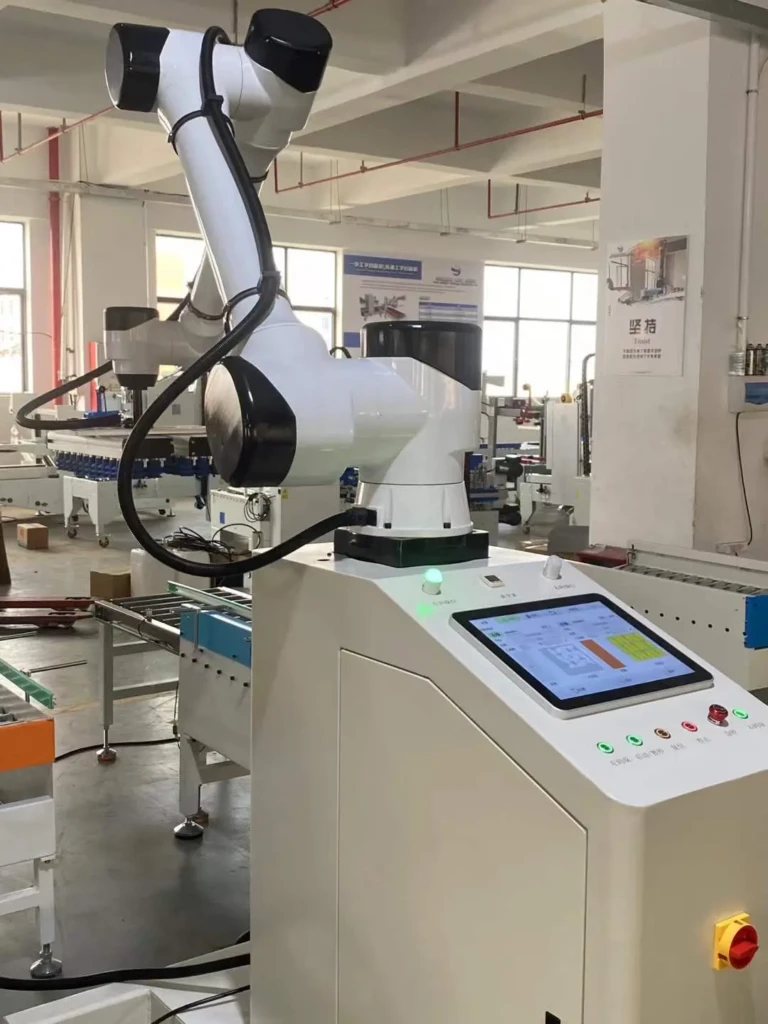
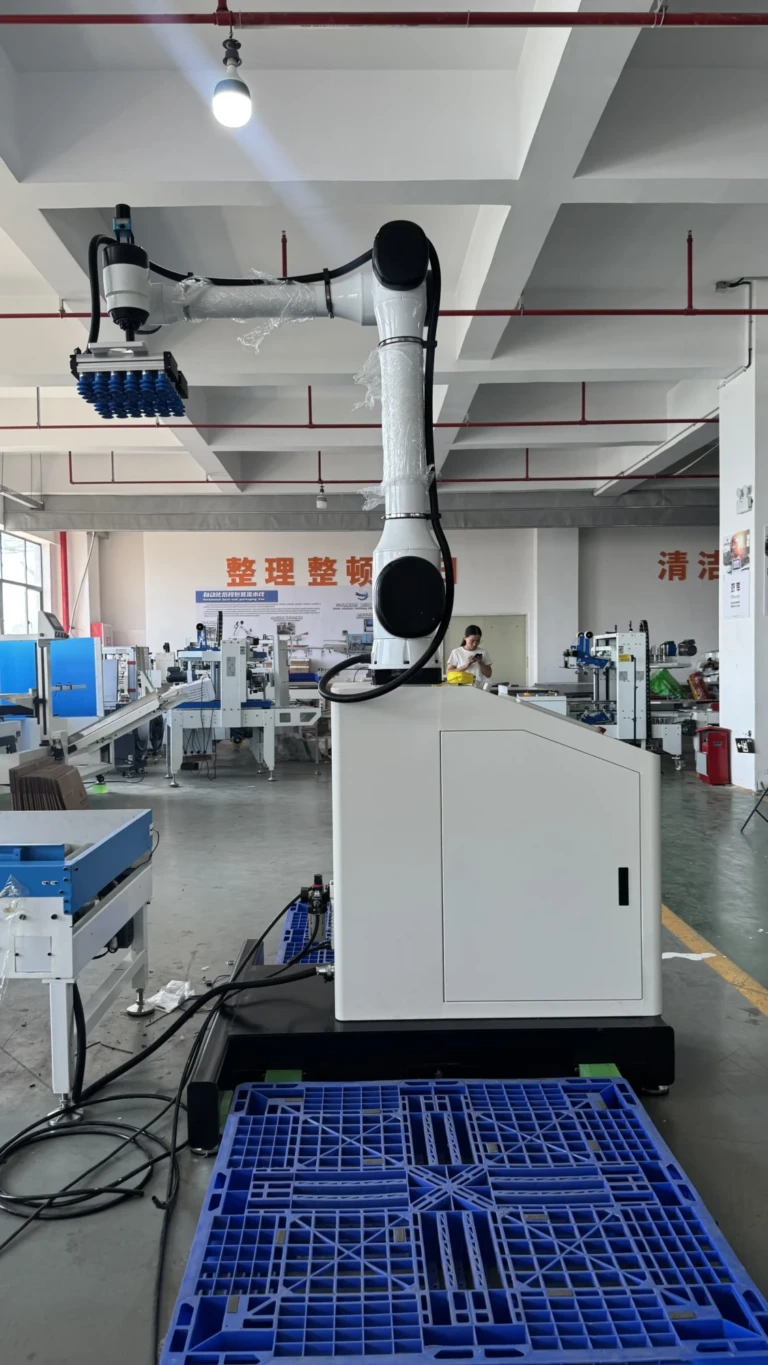
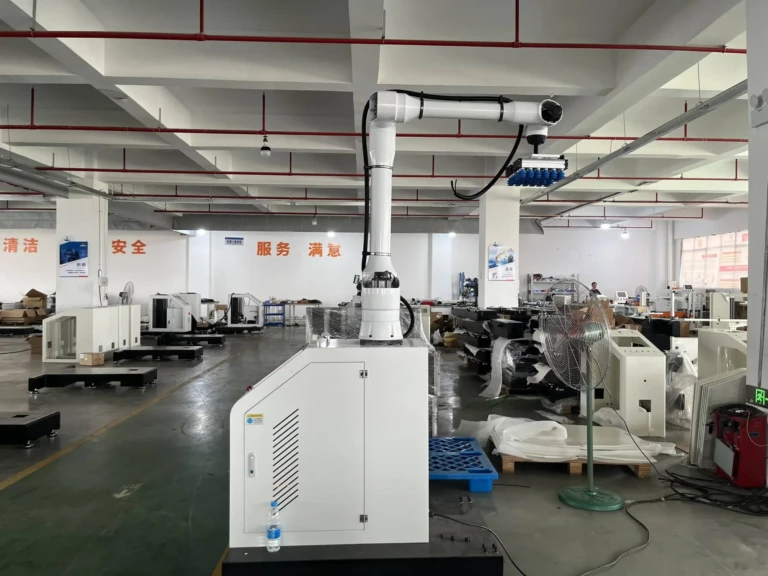
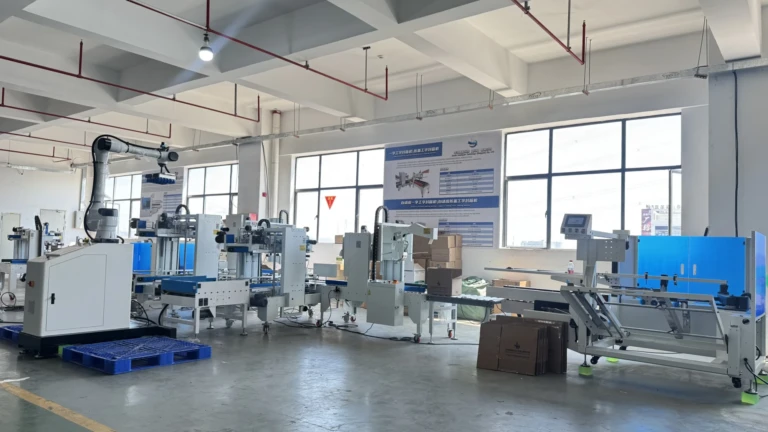
Amazon’s deployment aligns with broader trends in warehouse robotics, including solutions from industry leaders like Huaxiu Robot, which offers palletizing robots, automated sealing systems, and end-to-end pallet handling solutions. These technologies share a common goal: reducing human intervention in repetitive, high-risk tasks.
Why Pallet Handling Automation Matters for Amazon
-
Scale and Speed
With over 175 fulfillment centers worldwide, Amazon processes billions of packages annually. Robotic pallet jacks streamline the movement of goods between receiving, storage, and shipping zones. They operate 24/7, eliminating bottlenecks during peak seasons like Prime Day or holiday rushes. Early pilot programs reportedly improved pallet throughput by 20–30%, accelerating dock-to-rack transfer times. -
Worker Safety and Ergonomics
Manual pallet handling is a leading cause of workplace injuries in logistics. Heavy lifting, repetitive motion, and fatigue contribute to musculoskeletal disorders. By automating this task, Amazon reduces injury risks—a critical advantage amid growing scrutiny of warehouse working conditions. -
Labor Optimization
Rather than replacing workers, these robots augment human labor. Employees transition to higher-value roles like supervising robotic fleets, troubleshooting systems, or managing quality control. This shift aligns with Amazon’s strategy to upskill its workforce while addressing chronic labor shortages in tight job markets. - Precision and Data Integration
Sensors on robotic pallet jacks collect real-time data on load weights, travel paths, and equipment health—feeding into Amazon’s AI-driven logistics platform. This data optimizes inventory placement, predicts maintenance needs, and enhances supply chain visibility.
The Technology Behind the Innovation
Amazon’s robotic pallet jacks leverage several cutting-edge technologies:
- SLAM Navigation (Simultaneous Localization and Mapping): Allows robots to map facilities in real time and navigate without predefined tracks.
- Machine Vision Systems: Cameras and LiDAR detect obstacles, read barcodes, and ensure precise pallet alignment.
- Interoperability: Integration with Warehouse Management Systems (WMS) enables real-time task assignment and coordination with other robots (e.g., robotic arms for palletizing).
- Payload Capacity: Units can handle loads exceeding 3,000 lbs, rivaling manual hydraulic jacks.
For context, companies like Huaxiu Robot offer complementary solutions—such as pallet-forming robots and stretch-film wrappers—that could further automate downstream processes in Amazon’s workflow.
Challenges and Considerations
While transformative, the rollout isn’t without hurdles:
- Infrastructure Adaptation: Older warehouses may require retrofitting (e.g., installing navigation markers or charging stations).
- Safety Protocols: Mixed human-robot environments demand strict collision-avoidance protocols.
- Cost vs. ROI: High upfront investment necessitates clear efficiency gains. Amazon’s scale justifies this, but smaller players may wait for costs to decline.
The Future of Warehouse Automation
Amazon’s strategy reflects a broader industry shift toward Integrated Robotics Ecosystems. Future facilities will likely combine robotic pallet jacks with:
- AI-Powered Sorting Arms: For item-level handling.
- Automatic Packaging Systems: Such as Huaxiu’s sealing or strapping robots.
- Predictive Analytics: To preemptively reroute robots during congestion.
As these technologies mature, expect faster delivery windows, reduced operational costs, and safer workplaces—solidifying automation as the backbone of modern logistics.
Conclusion
Amazon’s robotic pallet jacks exemplify how targeted automation can drive productivity without displacing human workers. By tackling one of logistics’ most labor-intensive tasks, the company is setting a new standard for efficiency and worker safety. While challenges like integration costs persist, the long-term benefits—accelerated throughput, data-driven insights, and scalable operations—position Amazon to meet escalating consumer demands. For competitors, the message is clear: adapt or risk obsolescence.
Frequently Asked Questions (FAQs)
-
Will robotic pallet jacks eliminate jobs?
No—these robots handle repetitive, strenuous tasks, allowing workers to transition to supervisory or technical roles. Amazon has emphasized “co-botting” (collaborative robotics) as a core strategy. -
Can small businesses afford this technology?
Currently, costs are prohibitive for smaller operations, but prices are expected to drop as adoption grows. Leasing models or robotics-as-a-service (RaaS) may democratize access. -
How do robotic pallet jacks navigate crowded warehouses?
Using SLAM technology and machine vision, they dynamically map environments, detect obstacles (including humans), and reroute in milliseconds. -
What’s the power source for these robots?
Most use lithium-ion batteries, offering 8–12 hours of operation with rapid charging capabilities. -
Does Amazon develop these robots in-house?
While Amazon Robotics (formerly Kiva Systems) designs core technologies, some components are sourced from third parties like Huaxiu Robot for specialized tasks. - Are there sustainability benefits?
Yes—automation reduces energy waste from inefficient workflows, and electric robots lower fossil fuel dependency compared to traditional forklifts.