
The Future of Automation: Top Custom Palletizing Robots for High-Volume Production Lines in 2025
As global supply chains accelerate and consumer demand surges, manufacturers are under immense pressure to optimize efficiency, reduce labor costs, and maintain consistent output. In this landscape, advanced robotic palletizing systems have transitioned from “nice-to-have” investments to mission-critical assets. By 2025, custom palletizing robots tailored for high-volume production lines will dominate warehousing, logistics, food & beverage, pharmaceuticals, and industrial manufacturing. This article dives into the top robotic palletizing solutions poised to revolutionize heavy-duty operations, including insights into innovations from industry leaders like Huaxiu Robot, whose comprehensive suite of automation tools is redefining end-of-line (EoL) workflows.
Why Custom Palletizing Robots for Volume Lines?
High-volume production demands speed, precision, and relentless reliability. Traditional manual palletizing is error-prone, labor-intensive, and physically taxing, often leading to bottlenecks during peak demand. Custom robotic palletizers address these challenges by:
- Maximizing Throughput: Robots like high-speed delta or articulated models can handle 1,500+ cycles per hour, far outpacing human workers.
- Adapting to Variable SKUs: AI-guided vision systems enable real-time adjustments for mixed-case palletizing, even in unpredictable environments.
- Reducing Product Damage: Precision grip control minimizes mishandling of fragile items like glass, electronics, or pharmaceuticals.
- Optimizing Floor Space: Compact, modular designs integrate seamlessly into existing lines without costly facility redesigns.
Let’s explore the top robot categories set to lead in 2025.
1. High-Speed Delta Palletizing Robots
Ideal For: Food & beverage, e-commerce fulfillment, and CPG (consumer packaged goods).
Delta robots, with their spider-like parallel-arm design, excel in lightweight, high-speed applications. By 2025, next-gen models will feature:
- Enhanced Payloads: Up to 15 kg (vs. traditional 5 kg limits) for handling bulkier items like bundled drinks or sealed boxes.
- Hybrid Mobility: Integrated AGV/AMR compatibility for dynamic repositioning across warehouses.
- AI Optimization: Machine learning algorithms predict pallet patterns to reduce empty cycles and align with real-time order changes.
Brand Spotlight: While Huaxiu offers delta-style solutions in its palletizing series, competitors like FANUC’s M-2 and ABB’s FlexPicker remain benchmarks for raw speed (up to 2,000 picks/hour).
2. Collaborative Palletizing Robots (Cobots)
Ideal For: Mid-volume lines, hybrid human-robot workflows, and sites prioritizing flexibility.
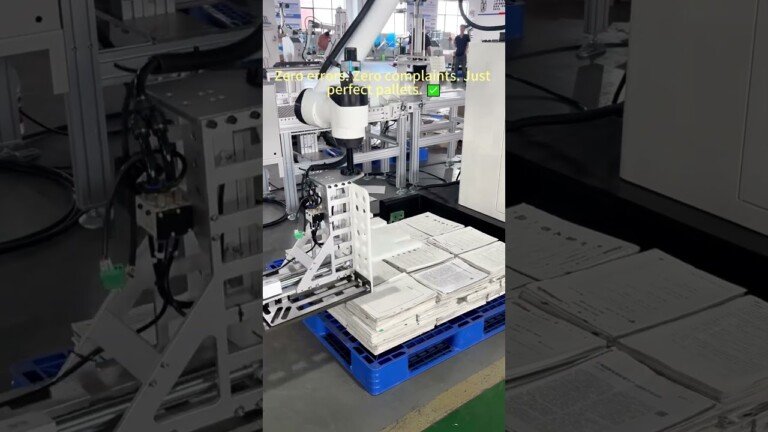
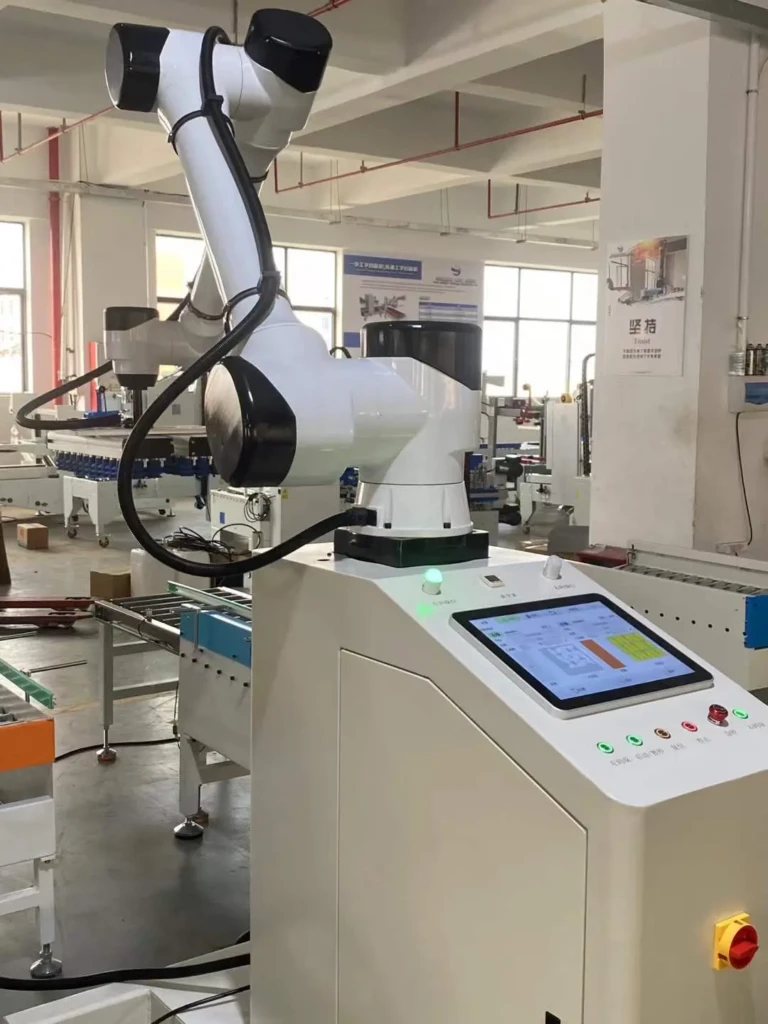
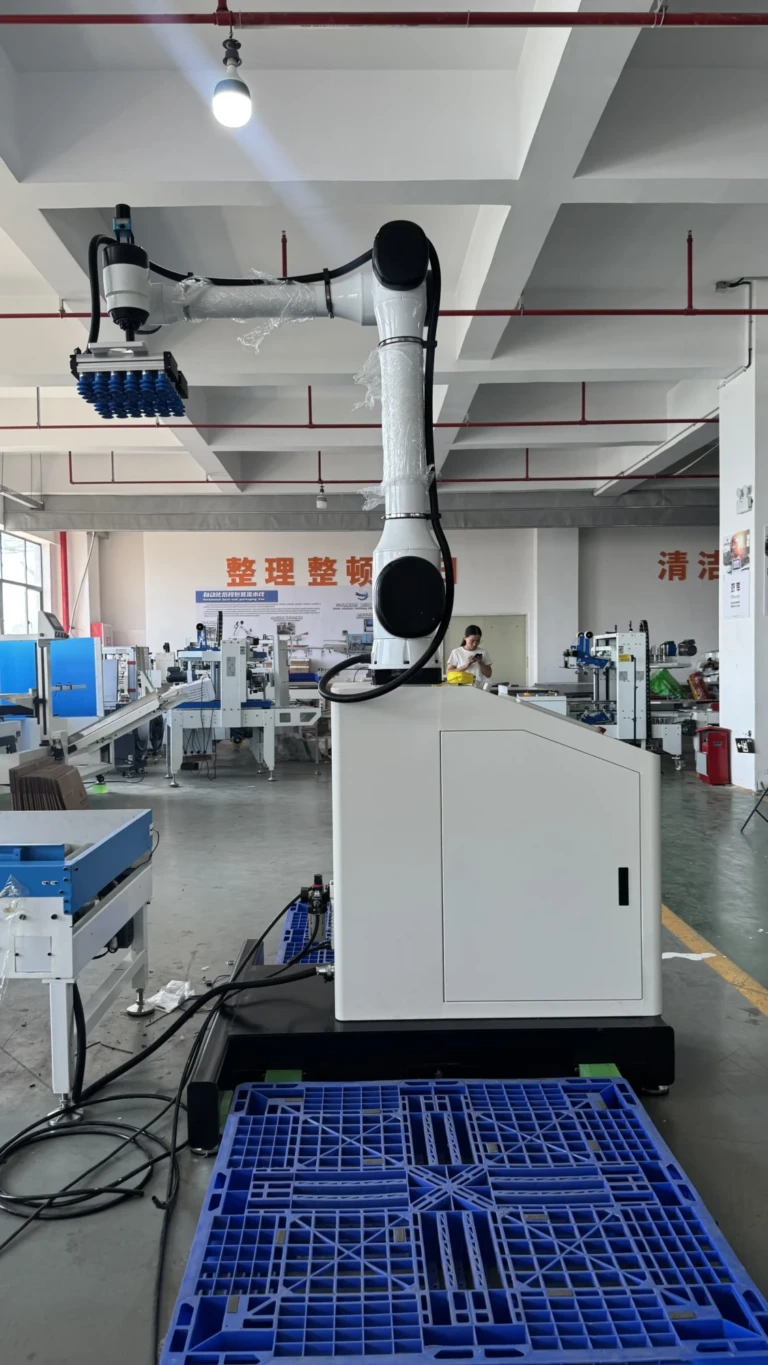
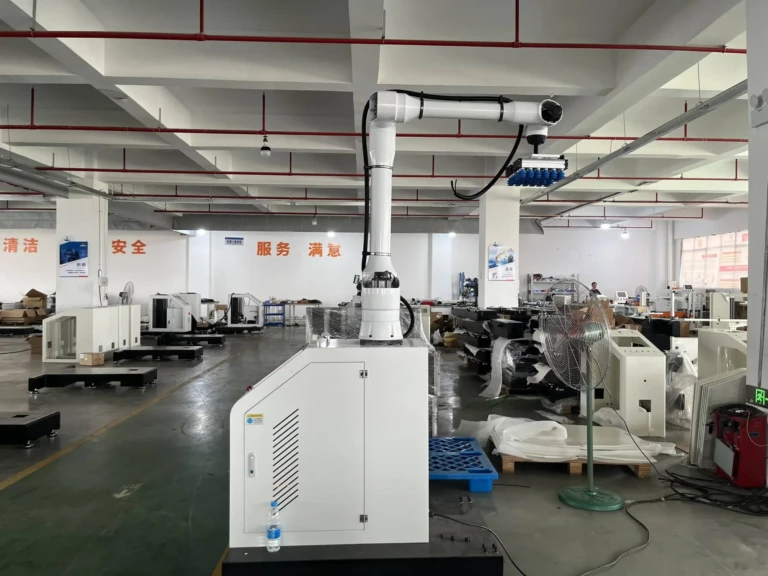
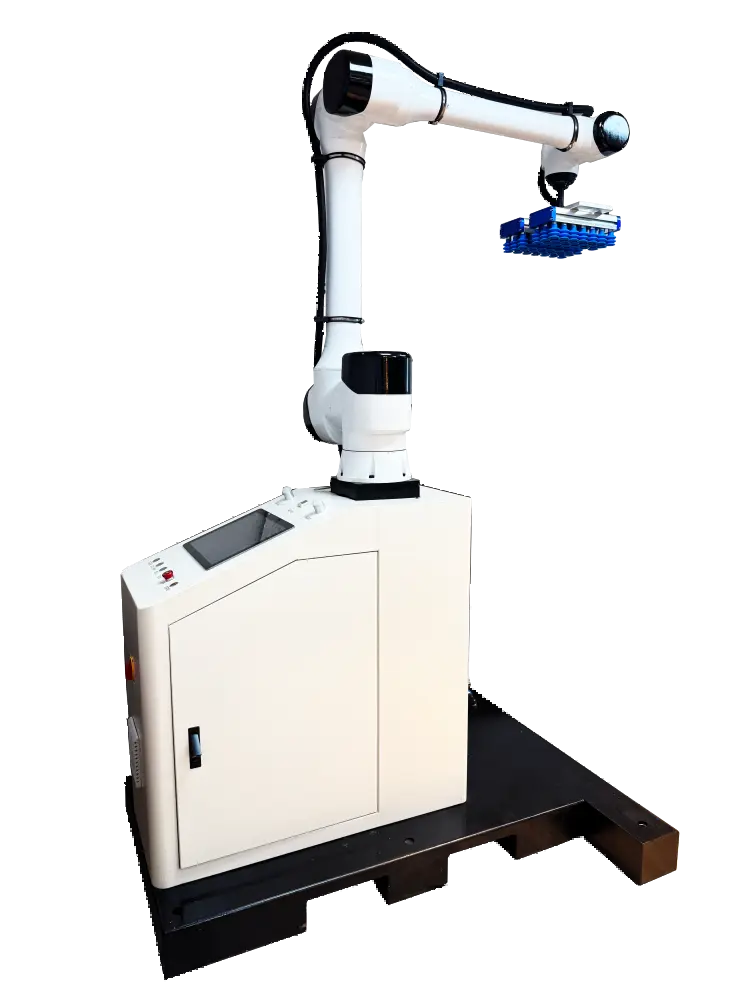
Huaxiu Robot’s specialty—collaborative palletizers—combine safety, ease of deployment, and adaptability. Key 2025 advancements include:
- No-Safety-Cage Operation: Advanced force/torque sensors and LiDAR allow cobots like Huaxiu’s HX-Cobot20 to work alongside humans without fencing.
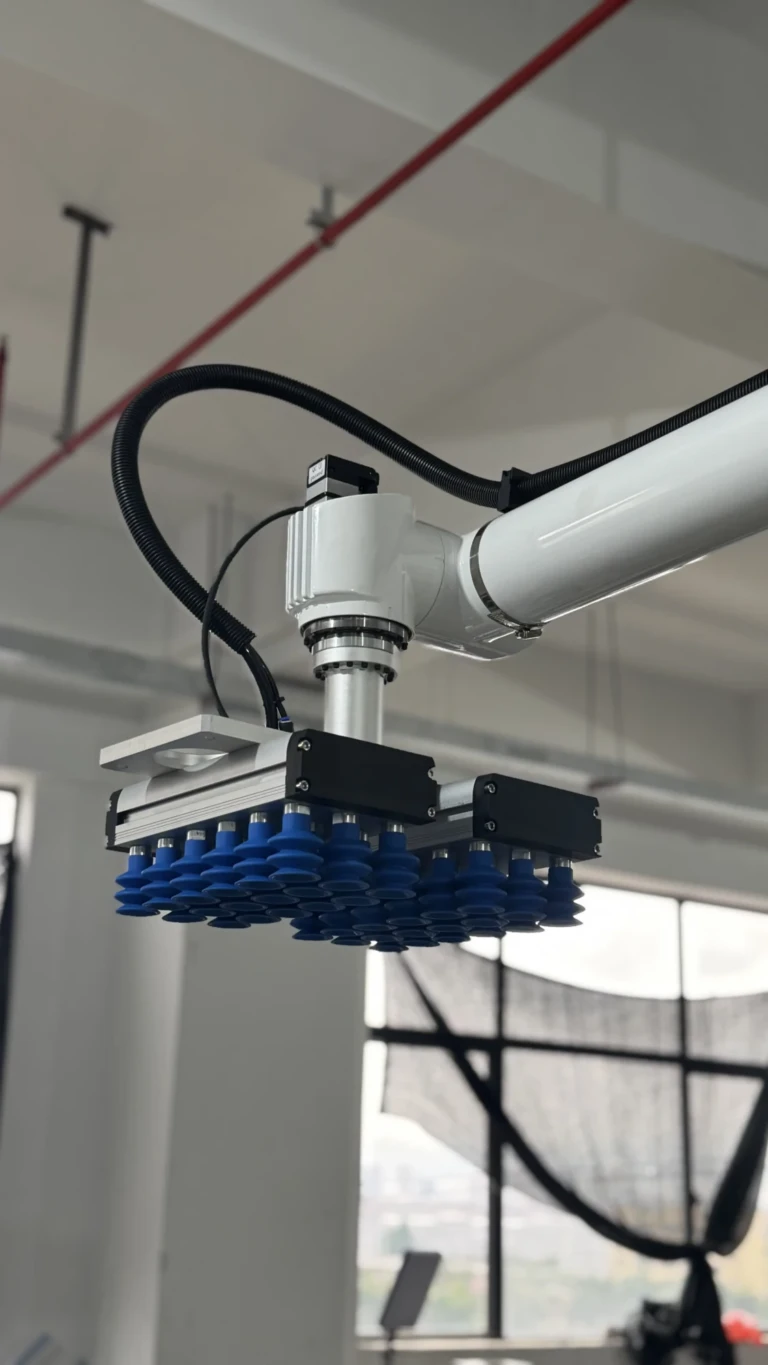
- Quick-Change Tooling: Magnetic grippers and suction cup arrays switch between boxes, bags, or irregular items in seconds.
- Edge Computing: Onboard processors analyze data locally for instant decision-making, avoiding cloud latency.
Value Proposition: Cobots reduce integration costs by 40% vs. traditional industrial robots while enabling SMEs to automate without heavy engineering overhead.
3. Heavy-Duty Articulated Arm Robots
Ideal For: Automotive, construction materials, and bulk chemical/petrochemical industries.
For ultra-heavy payloads (300–1,500 kg), six-axis articulated robots remain unmatched. 2025’s top models will boast:
- IP69K Protection: Withstand high-pressure washdowns in hygienic settings (e.g., meat processing or pharmaceuticals).
- Extended Reach: 3.5m+ working radius to build larger, denser pallets in a single operation.
- Energy Recovery Systems: Regenerative brakes convert kinetic energy into power, cutting electricity costs by 20%.
Huaxiu’s Edge: Models like the HX-COBOT-HP61 integrate with the company’s proprietary pallet-forming and strapping robots for a turnkey EoL solution.
4. Hybrid Layer/Pattern Palletizing Systems
Ideal For: Mixed-SKU warehouses and omnichannel retailers.
Tomorrow’s most innovative systems will merge layer-building and individual case handling. Features include:
- 3D Vision Stacking: Cameras scan incoming items to autonomously calculate optimal weight distribution and stability.
- Adaptive Software: Huaxiu’s I/O Platform enables preloaded pallet templates (e.g., pinwheel, column, or interlocked patterns) with one-click adjustments.
- Multi-Robot Coordination: Dual-arm robots collaborate to handle asymmetric or oversized loads.
Critical Considerations for 2025 Implementation
Before selecting a system, manufacturers must evaluate:
- EoL Integration: Ensure robots interface seamlessly with upstream/downstream equipment (e.g., Huaxiu’s automatic sealing or stretch film packaging robots).
- Scalability: Can the system handle projected 2–3x volume increases via software upgrades vs. hardware swaps?
- Total Cost of Ownership (TCO): Factor in energy efficiency, maintenance intervals, and compatibility with local technical support.
Huaxiu Robot’s Role in Shaping 2025 Automation
Huaxiu’s comprehensive product ecosystem—from automatic unpacking and sealing to shrink packaging and strapping—enables fully automated EoL workflows. Their palletizing robots stand out for:
- Modular Design: Pair collaborative arms with pallet dispensers or film wrappers as needed.
- Localized Support: Engineers provide on-site customization for regional pallet standards (e.g., EUR, GMA, or CHEP).
- Sustainability Focus: Lower energy consumption and reduced film waste via optimized wrapping algorithms.
Conclusion: The Path to Lights-Out Palletizing
By 2025, custom robotic palletizers will no longer be a luxury but a baseline requirement for competitive manufacturing. High-volume lines demand solutions that blend speed, intelligence, and resilience—qualities embodied by leaders like Huaxiu Robot, FANUC, and ABB. Investing in modular, AI-driven systems today ensures readiness for tomorrow’s supply chain challenges while boosting ROI through labor savings and error reduction. The factories of the future won’t just automate palletizing; they’ll transform it into a seamless, data-driven operation.
FAQs: Custom Palletizing Robots for Volume Lines
Q1: How quickly can a robotic palletizer deliver ROI?
A1: Most systems achieve payback in 8–18 months via labor cost savings, reduced product damage, and heightened throughput. High-volume operations often see faster returns.
Q2: Can these robots handle irregularly shaped items?
A2: Yes. With advanced 3D vision and adaptable EOAT (end-of-arm tooling), robots can grip bags, cylinders, bottles, or amorphous items like textiles.
Q3: What safety certifications are required?
A3: Look for ISO 10218 compliance, collaborative operation certifications (ISO/TS 15066), and region-specific standards like CE (EU) or NR-12 (Brazil).
Q4: How complex is integration with existing ERP/WMS systems?
A4: Leading robots offer API-enabled connectivity for real-time data exchange with platforms like SAP or Oracle. Huaxiu’s systems include middleware for plug-and-play integration.
Q5: What’s the maintenance schedule for heavy-duty palletizing robots?
A5: Industrial models require quarterly inspections (bearings, motors) and annual recalibration. Cobots typically need only biannual checkups due to reduced wear.
Final Thoughts
The race for palletizing dominance in 2025 will favor agile innovators. Whether opting for Huaxiu’s collaborative ecosystem or heavy-duty alternatives, manufacturers must prioritize adaptability, data integration, and lifecycle support. In an era where automation is synonymous with survival, the right palletizing robot isn’t just a machine—it’s the cornerstone of a resilient, future-proof operation.