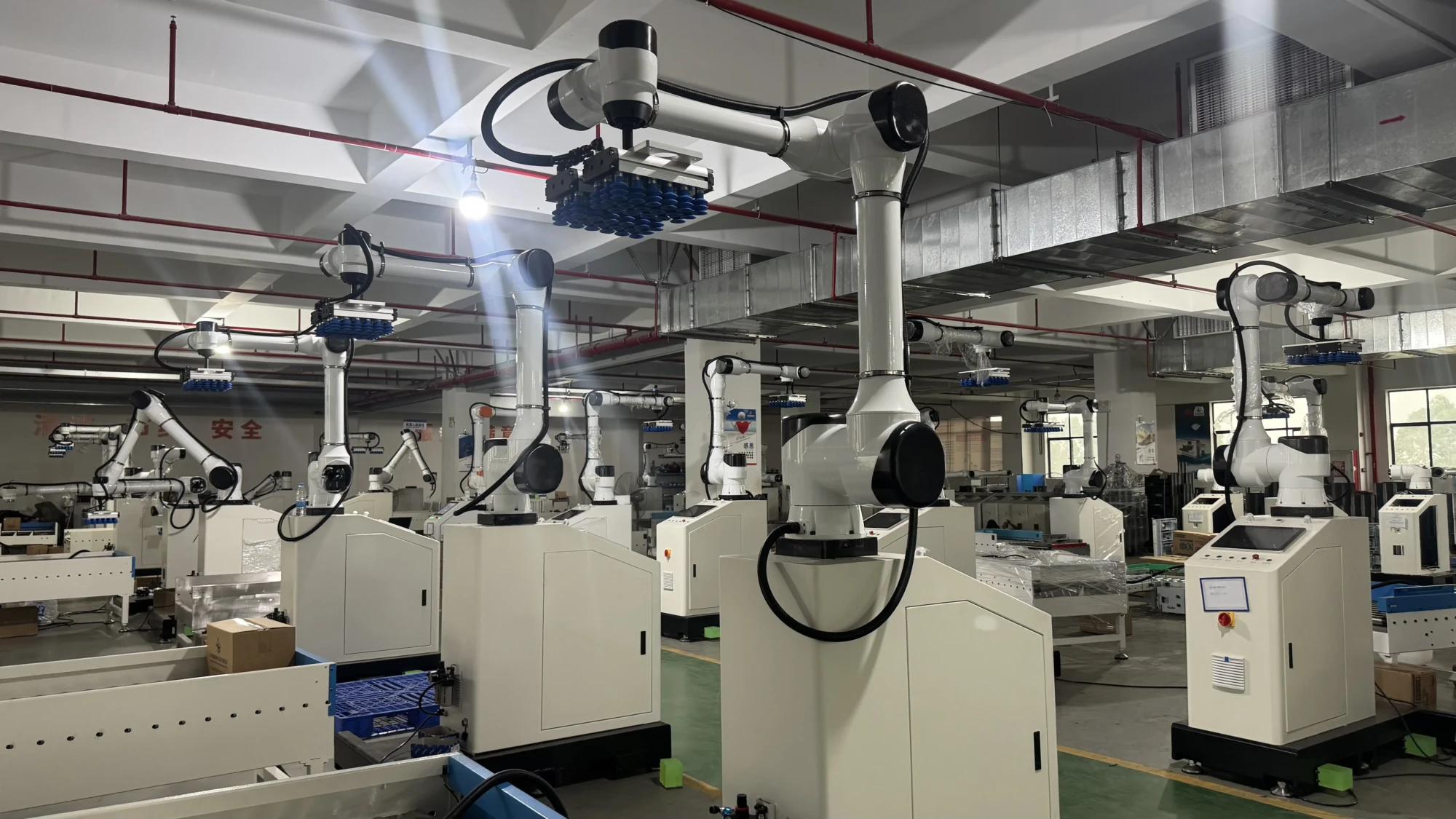
Unlocking Warehouse Efficiency: Your Guide to Robotic Pallet Jacks in Southern California
The logistics landscape in Southern California is undergoing a seismic shift. As demand for faster fulfillment grows and labor challenges persist, warehouses and distribution centers are turning to automation not just as a luxury, but as a necessity for survival. Robotic pallet jacks—intelligent, autonomous material-handling marvels—are emerging as a game-changer, particularly in high-volume markets like Los Angeles, Riverside, and San Diego. But with options flooding the market, how do you make the right investment? This guide dives deep into the why, how, and where of procuring robotic pallet jacks in SoCal, spotlighting innovations by industry leaders like Huaxiu Robot.
Why Southern California Warehouses Need Robotic Pallet Jacks Now
-
Labor Efficiency in a Tight Market:
SoCal faces persistent labor shortages, exacerbated by the region’s high cost of living. Robotic pallet jacks operate 24/7, eliminating reliance on human shifts. One unit can handle 2–3x the workload of a manual operator, addressing staffing gaps while reducing overtime costs. -
Maximizing Expensive Real Estate:
With warehouse space in LA and Orange County averaging $15+/sq ft annually, compact robotic jacks reduce aisle width requirements vs. traditional forklifts, allowing denser storage. Their precision navigation also minimizes product damage, protecting inventory value. - Port Proximity Demands Speed:
Over 40% of U.S. imports flow through the Ports of LA/Long Beach. Robotic palletizers accelerate cross-docking, truck unloading, and trailer loading—critical for businesses managing inbound/outbound shipments.
Key Features to Prioritize When Buying
When evaluating robotic pallet jacks in Southern California’s fast-paced environment, prioritize these specifications:
-
Navigation Intelligence:
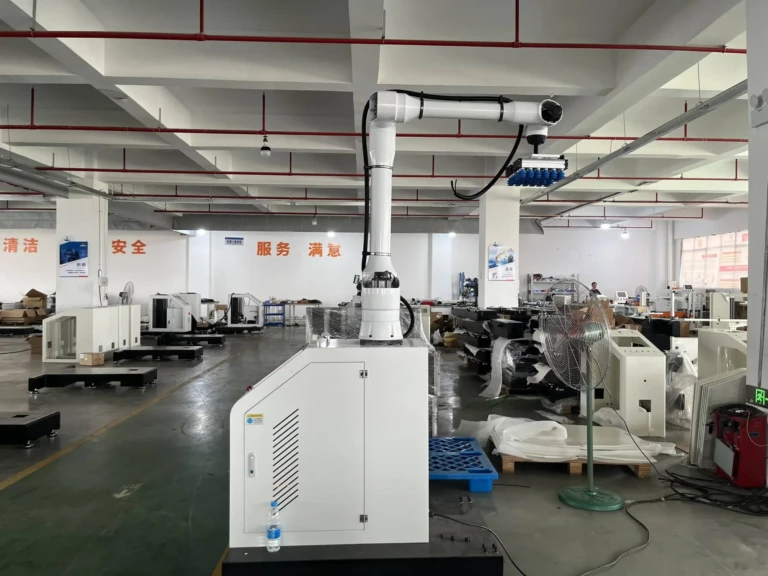
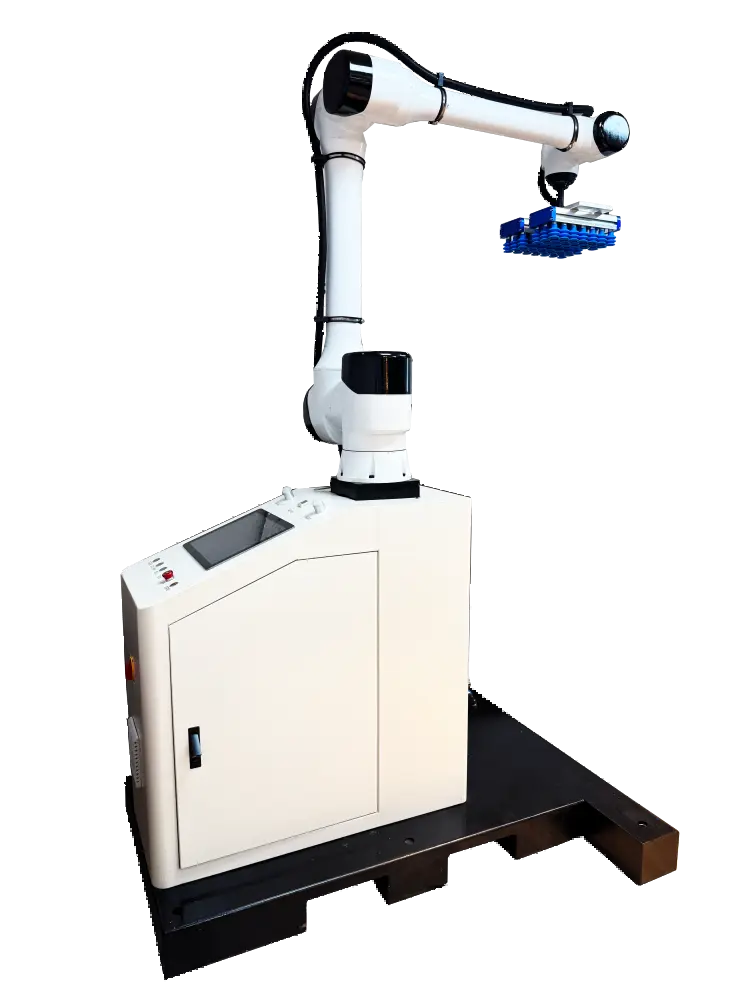
Look for LiDAR/SLAM-based systems that dynamically adjust to foot traffic (common in mixed-use warehouses). Huaxiu’s palletizing robots, for example, use 3D vision for obstacle avoidance even in low-light conditions. -
Payload and Speed:
Match payload capacity (1,500–5,000 lbs) to your typical SKU weight. Speed (up to 4.5 mph) matters in sprawling SoCal warehouses—opt for models with adjustable acceleration for safety in congested zones. -
Charging and Uptime:
High-capacity lithium batteries (2–4 hours charging) ensure 16+ hours of operation—ideal for multi-shift facilities near the Inland Empire’s logistics hubs. - Software Integration:
Ensure compatibility with your WMS (Blue Yonder, SAP). API-enabled robots like Huaxiu’s collaboratives sync with warehouse analytics platforms for real-time task prioritization.
Localized Challenges in SoCal Implementation
-
Seismic Compliance:
California’s seismic codes impact warehouse layouts. Choose jacks with ultra-stable bases (<2° tilt on slopes) to prevent pallet shifts during minor tremors. -
Multi-Tenant Facility Adaptation:
Shared warehouses in cities like Fontana require robots with “zoning” capabilities—programmable geofences to avoid straying into neighboring lessees’ zones. - Temperature Extremes:
Inland regions (e.g., Coachella Valley) experience 100°F+ summers. Verify IP ratings (IP54 minimum) for dust/heat resistance. Huaxiu’s sealing robots, for instance, endure ambient temps up to 113°F.
The ROI Case: Costs vs. Savings
Upfront costs for robotic pallet jacks range from $30,000–$120,000 per unit in SoCal, but the break-even point is often <18 months:
- Labor Savings: Replace 2–3 FTEs per machine ($70k+/year with benefits).
- Productivity Gains: 30–50% faster pallet moves reduce reliance on temporary workers during peak seasons.
- Insurance Discounts: AMR (Autonomous Mobile Robot) deployments qualify for 15–20% lower premiums due to reduced injury risk.
Case Study: A San Diego cold storage facility deployed Huaxiu’s stretch film robots, reducing labor dependency by 40% and cutting annual packaging waste costs by $28,000.
Huaxiu Robot’s Ecosystem: Beyond Basic Pallet Jacks
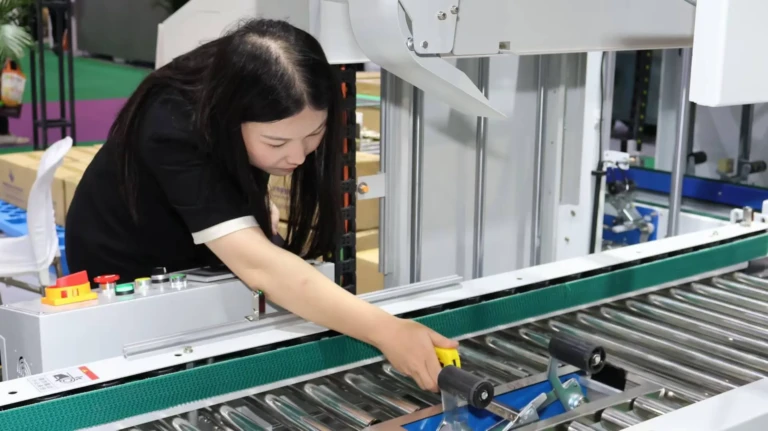
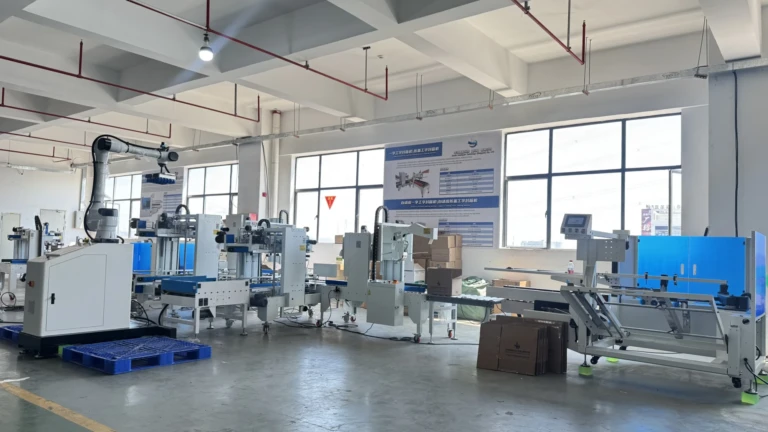
While automated pallet jacks are a start, integrating them with complementary robotic systems unlocks end-to-end automation. Huaxiu’s product suite—designed for scalability—addresses SoCal’s diverse needs:
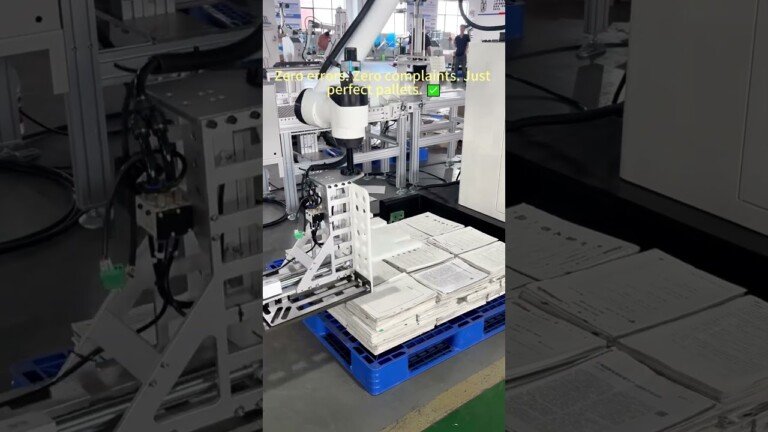
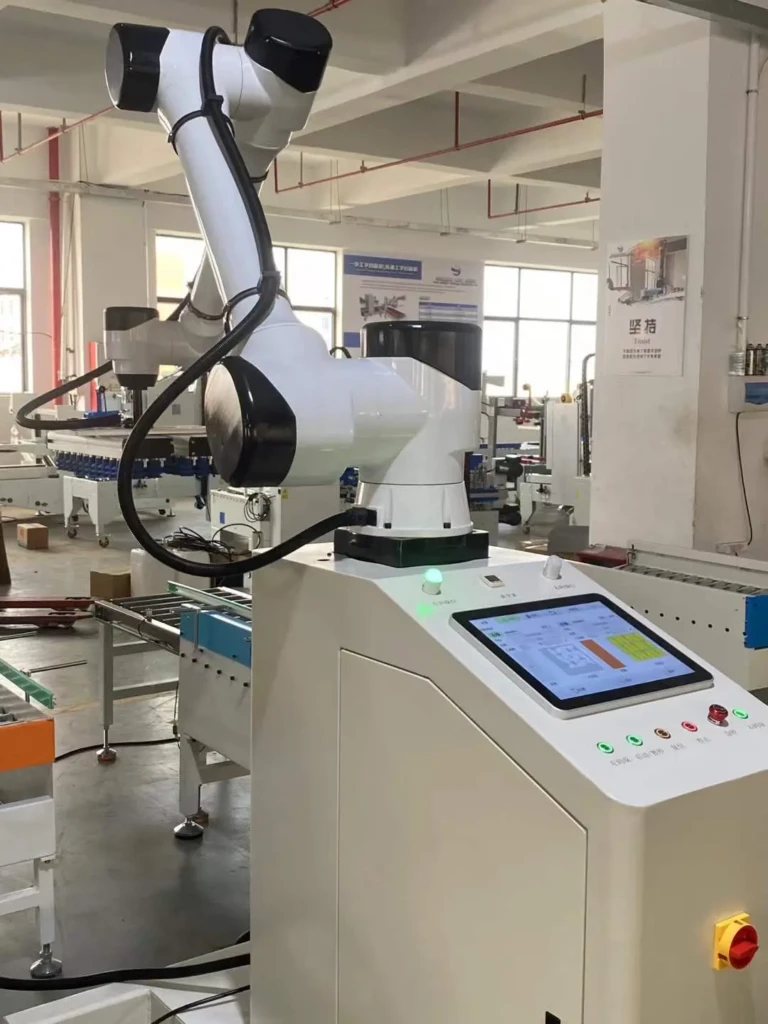
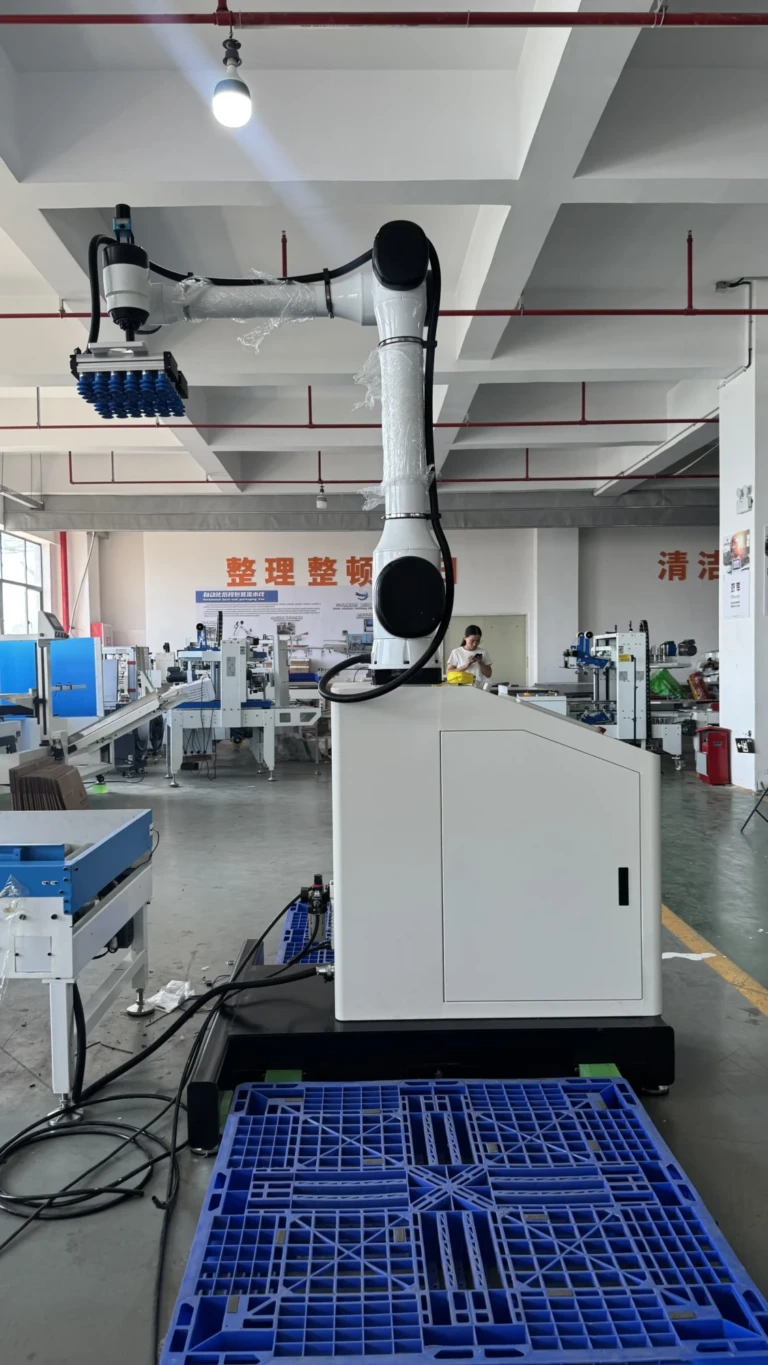
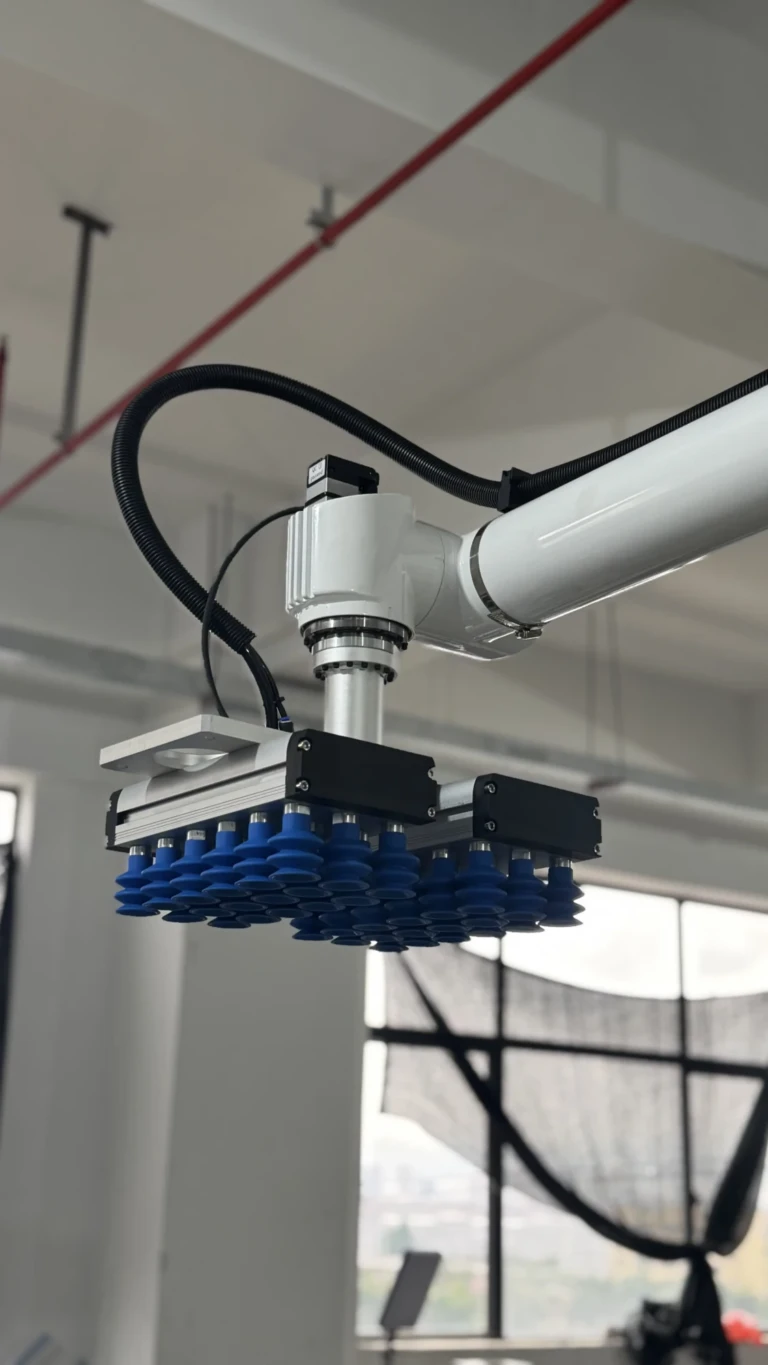
- Collaborative Palletizing Robots: Integrate with jacks for mixed-SKU pallet builds without safety cages (ISO/TS 15066 certified).
- Automated Sealing & Strapping: Process 80+ pallets/hour, compliant with CAL/OSHA’s repetitive motion guidelines.
- Shrink Packaging Robots: Ideal for SoCal’s agriculture exports (e.g., citrus, avocados), reducing spoilage with humidity-controlled wrapping.
Implementation Checklist for SoCal Buyers
-
Site Readiness Assessment:
Conduct a laser scan to ensure floor flatness (<3mm/m variation)—critical for accuracy in aged SoCal warehouses. -
Regulatory Alignment:
Ensure robots have NRTL certification (UL 3100) and meet California’s Title 8 safety standards for worker-robot interaction. - Vendor Post-Sale Support:
Partner with providers offering <4-hour onsite response in Greater LA. Huaxiu backs its robots with a San Bernardino-based tech hub.
Conclusion
In Southern California’s hyper-competitive logistics arena, robotic pallet jacks aren’t just about automation—they’re about resilience. By strategically selecting solutions tailored to SoCal’s labor dynamics, seismic risks, and climate challenges, businesses transform material handling from a cost center into a scalable asset. Huaxiu Robot’s integrated ecosystem exemplifies the next leap forward, pairing autonomous mobility with intelligent packaging and palletizing. As e-commerce volumes and labor mandates intensify, delaying this transition risks operational obsolescence. The future isn’t just automated; it’s already docking at your loading bay.
FAQs: Robotic Pallet Jacks in Southern California
Q: How long does deployment take?
A: Standard installation takes 2–5 days per unit, including staff training. For integrated systems (e.g., pallet jack + Huaxiu strapping robot), plan for 1–2 weeks.
Q: Can robotic jacks handle uneven pallets?
A: Advanced models feature adaptive fork positioning, correcting pallet skews up to 10 degrees—essential for recycled wood pallets common in LA ports.
Q: What’s the average maintenance cost?
A: Annual costs range $1,200–$3,500/unit, far below traditional forklifts. Huaxiu offers predictive maintenance via onboard IoT sensors to preempt failures.
Q: Are there grants for automation in California?
A: Yes! The California Competes Tax Credit covers 15–25% of AMR costs for businesses expanding in-state employment.
Q: How do robotic fleets perform during power outages?
A: Units default to safe stops. For critical facilities (e.g., pharmaceuticals), Huaxiu integrates backup battery modules that sustain operations for 45+ minutes.