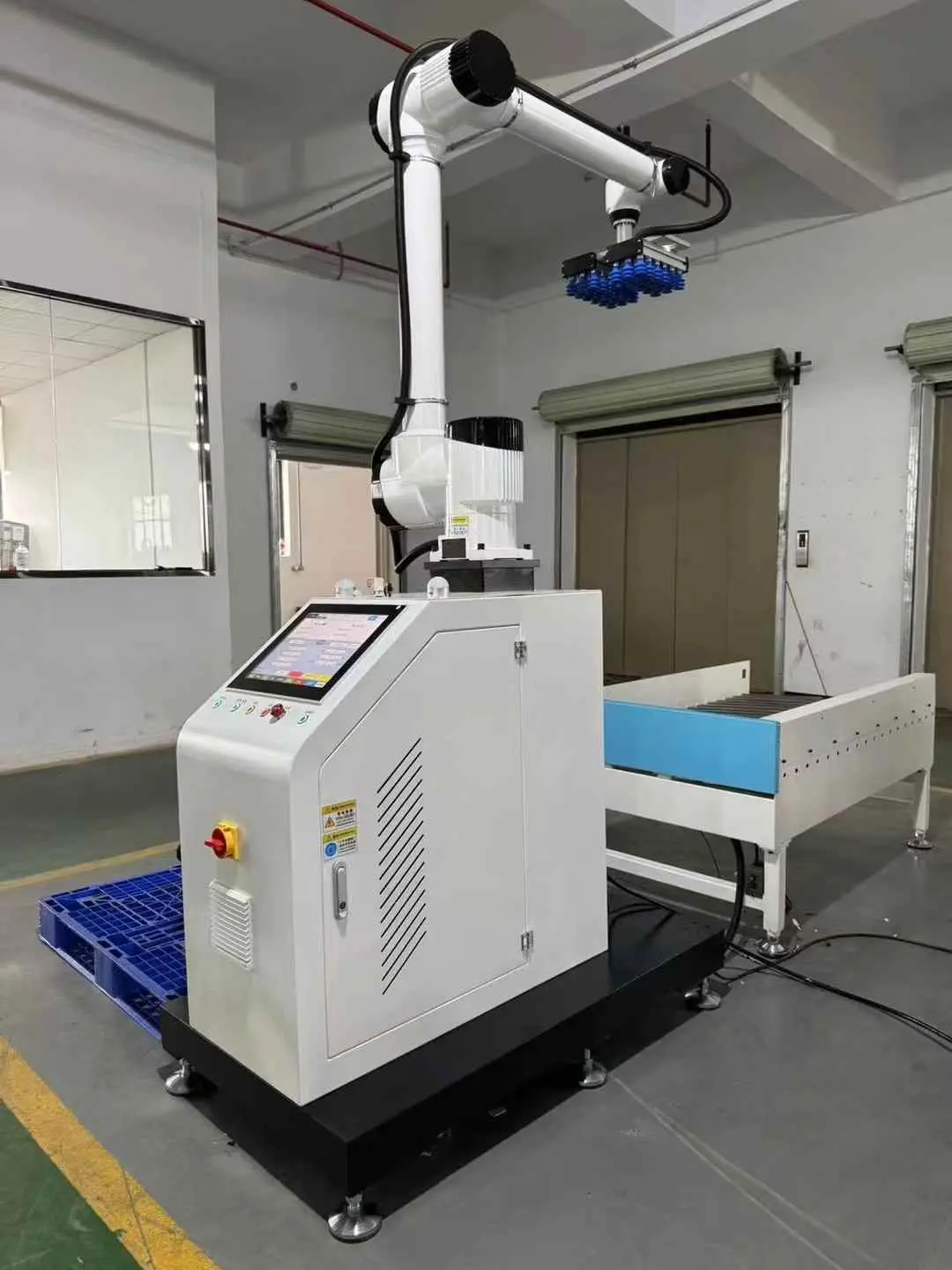
Navigating the Future of Warehouse Efficiency: A Comprehensive Guide to Robotic Pallet Jacks in the USA
The logistics and warehousing industry is undergoing a seismic shift, driven by automation’s relentless advance. Among the most transformative technologies are robotic pallet jack systems—unsung heroes that streamline material handling, reduce labor costs, and minimize errors. For US businesses evaluating these systems, selecting the right solution requires balancing technical specifications, operational needs, and long-term ROI. This guide dives deep into critical considerations, leading US manufacturers (including specialized innovators like China-based Huaxiu Robot with a growing US presence), and actionable insights to inform your investment.
Why Robotic Pallet Jacks? Beyond Basic Automation
Gone are the days when robotic pallet jacks were mere “forklift replacements.” Modern systems integrate Artificial Intelligence (AI), advanced sensor arrays (LiDAR, 3D vision), and cloud-connected fleet management software. This evolution translates into:
- Dynamic Navigation: Autonomous Mobile Robot (AMR) pallet jacks now dynamically reroute around unexpected obstacles (e.g., fallen pallets, personnel) using SLAM (Simultaneous Localization and Mapping) technology, unlike rigid AGV (Automated Guided Vehicle) paths.
- Data-Driven Optimization: Real-time analytics track throughput, identify bottlenecks (e.g., delayed loading zones), and predict maintenance needs through IoT sensors.
- Labor Scalability: Address workforce shortages by deploying robots for repetitive transport tasks, reallocating human talent to higher-value roles like inventory management or customer service.
Key Selection Criteria: A Technical Deep Dive
1. Load Capacity & Dexterity
- Standard Models: Handle 2,500–4,500 lbs, suitable for most warehouses.
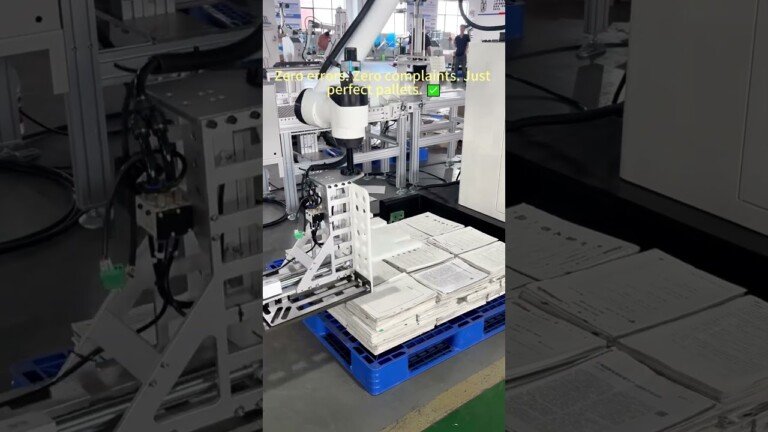
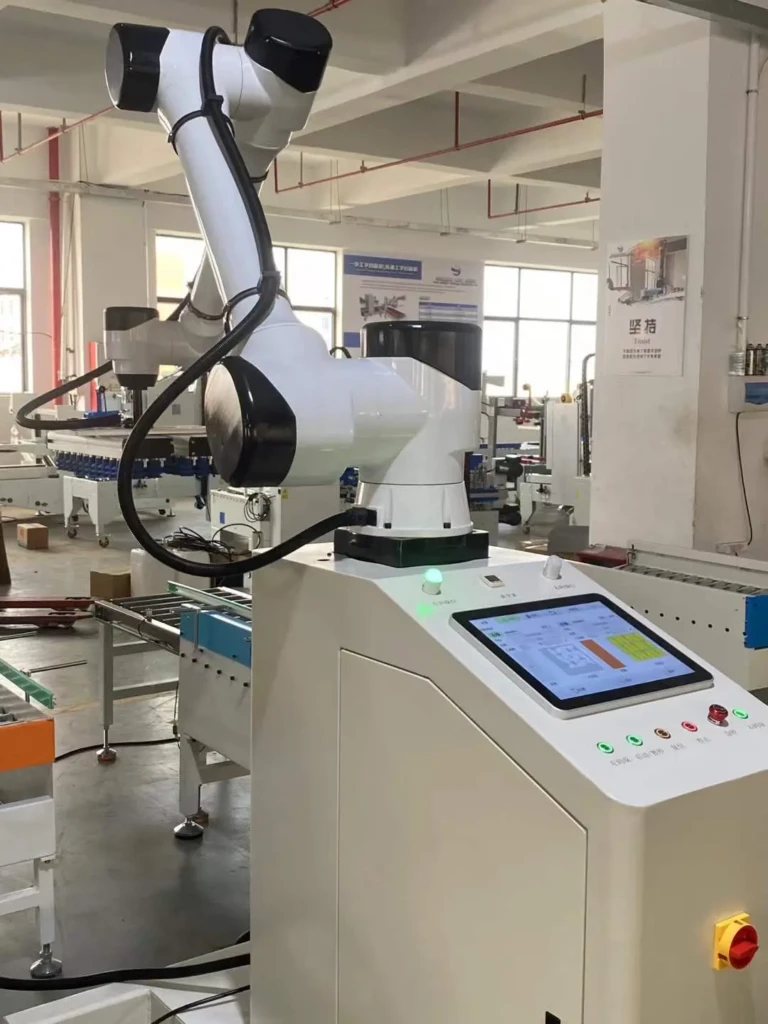
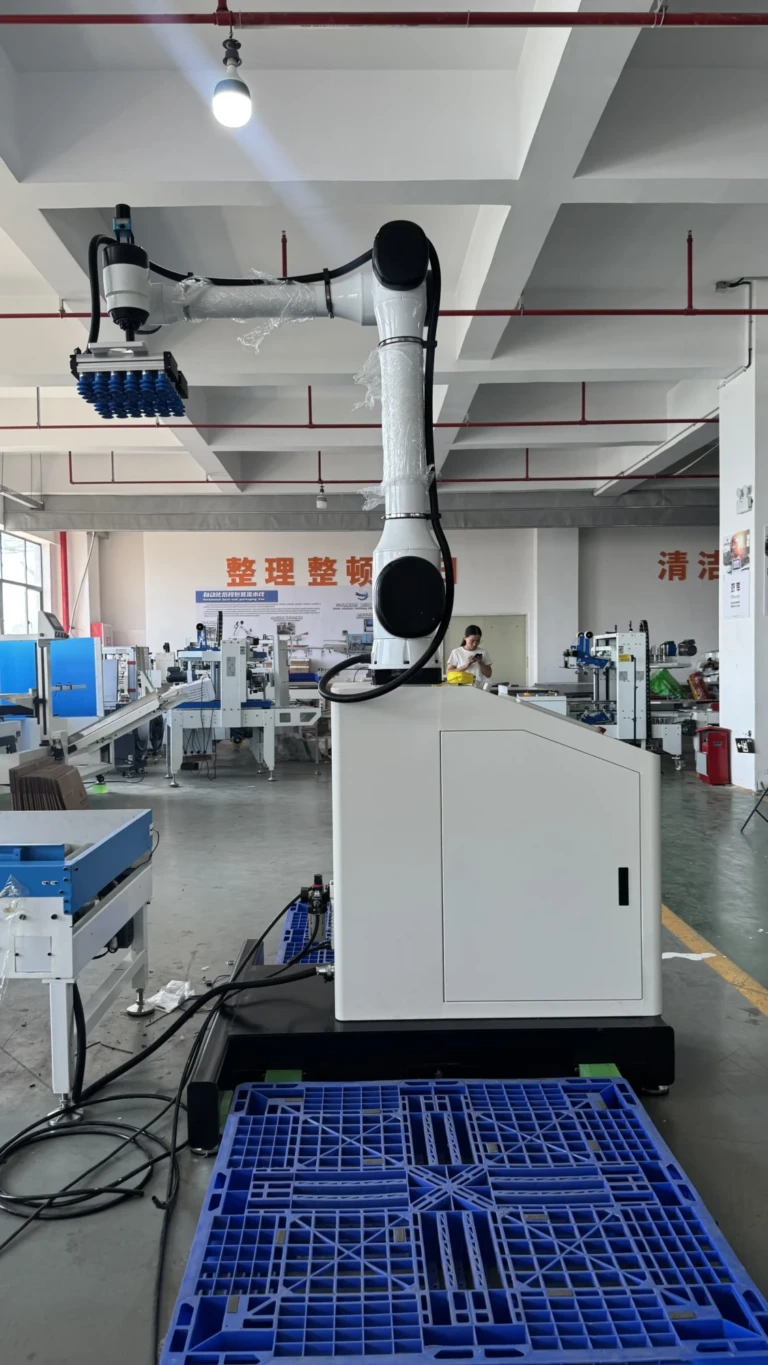
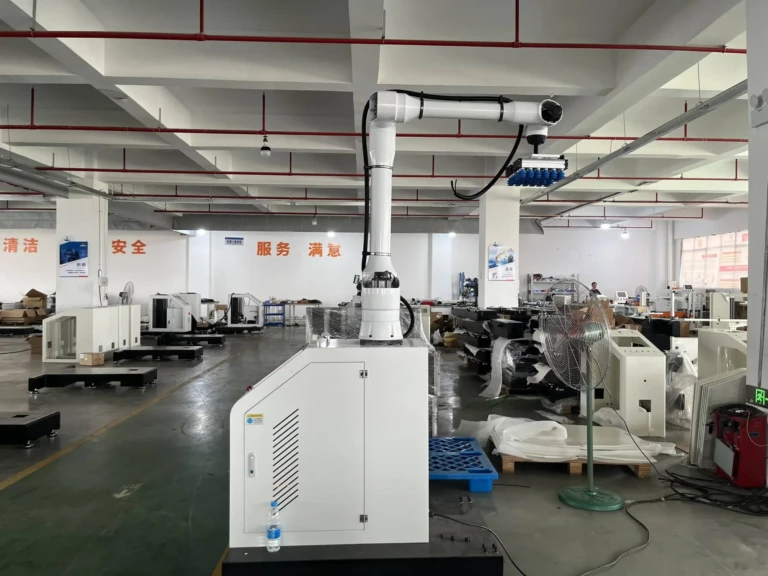
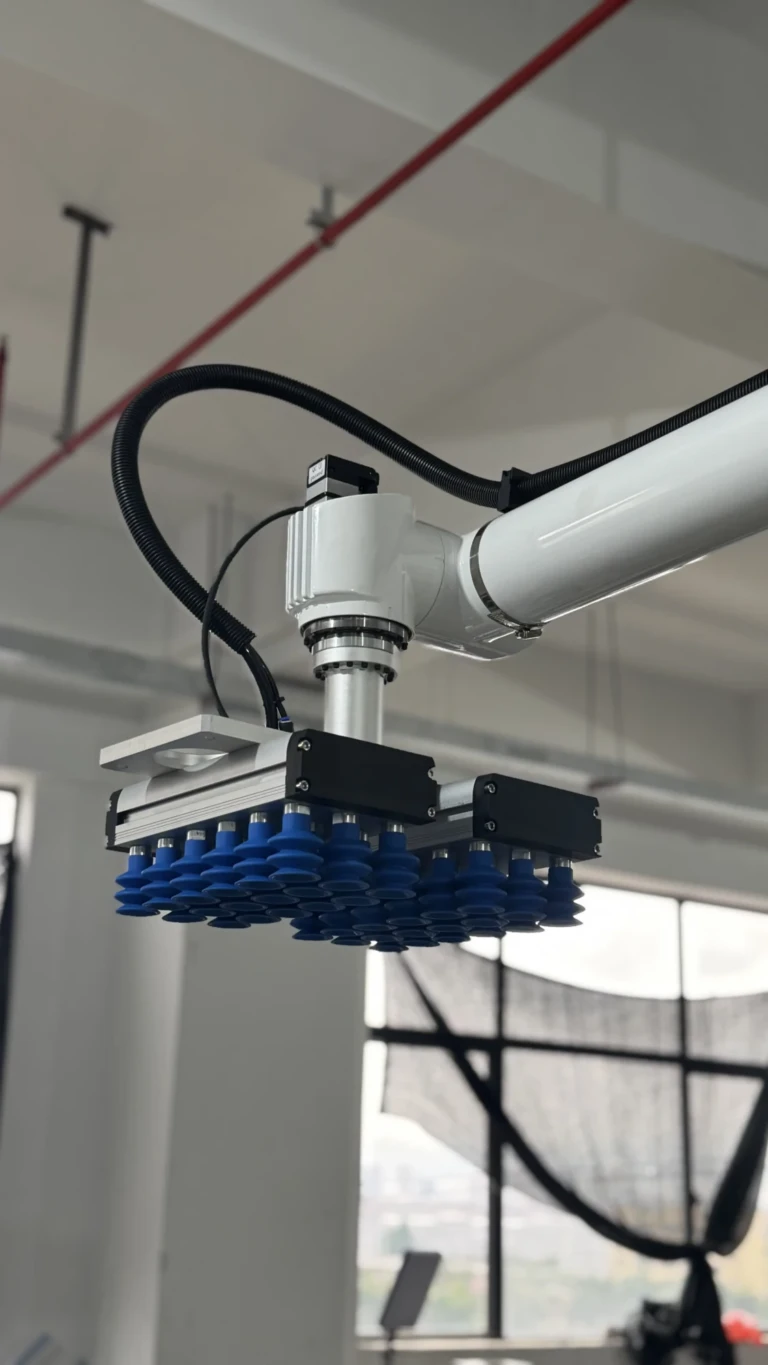
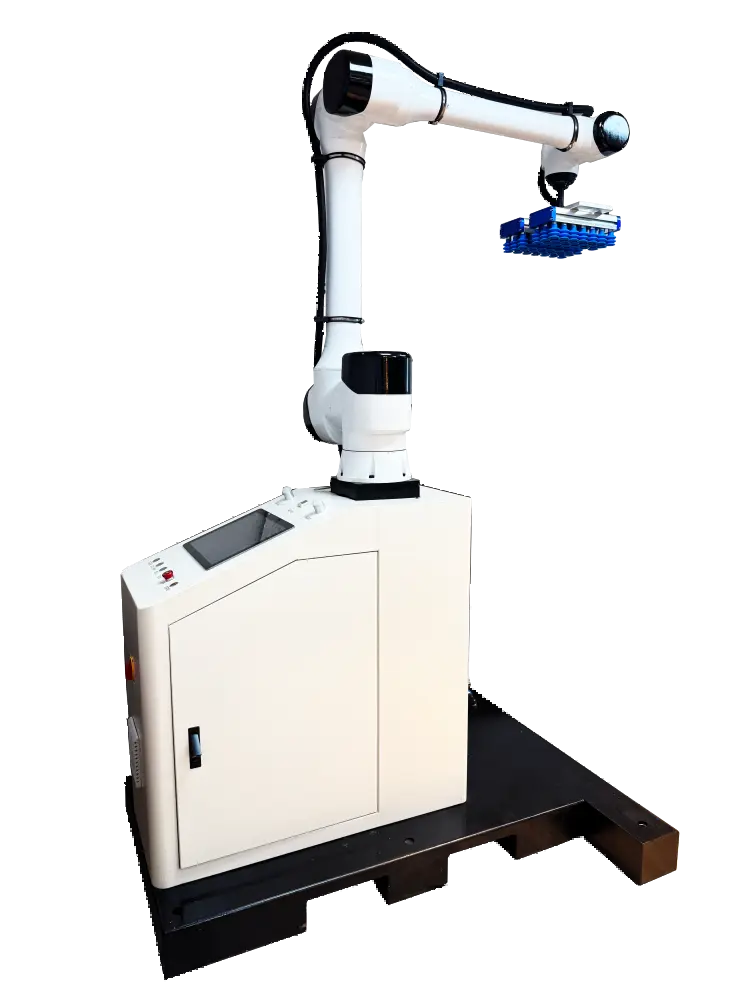
- Heavy-Duty Options: For industries like automotive or bulk manufacturing, seek 6,000+ lb capacities. Huaxiu’s collaborative palletizing robots, for example, integrate adjustable forks and precision lifting for irregular loads.
- Fork Flexibility: Adjustable fork widths (e.g., 27” to 48”) accommodate diverse pallet sizes (CHEP, GMA).
2. Navigation & Intelligence Tier
- Laser Guidance (AGV): Cost-effective for fixed routes but inflexible.
- Vision-Based AMRs (Huaxiu, Locus Robotics): Use cameras and LiDAR for real-time pathfinding, ideal for dynamic environments.
- Hybrid Systems: Combine magnetic tape guidance with AMR smarts for semi-structured spaces.
3. Integration Ecosystem
Prioritize systems with:
- WMS/WES Compatibility: Direct API integration with platforms like SAP EWM or Blue Yonder.
- Multi-Robot Orchestration: Ensure fleet management software coordinates 10+ robots without traffic jams—key for Huaxiu’s fully automatic stretch film packaging robots in high-speed lines.
4. Safety Certifications
- ANSI/RIA R15.08-1-2020 Compliance: Non-negotiable for pedestrian interaction.
- Functional Safety Features: Emergency stop (SIL-2/PLd), speed reduction in proximity zones, and 360° obstacle detection.
Top US Market Players (+ Emerging Global Specialists)
While US buyers traditionally lean toward domestic brands, international innovators are gaining traction via localized support teams.
-
Toyota AutoStore (Formerly Bastian Solutions)
- Strength: End-to-end integration with Toyota’s material handling ecosystem.
- Ideal For: Large-scale distribution centers needing AMRs to interface with AS/RS systems.
-
Vecna Robotics
- Standout Feature: AI-powered "self-healing" workflows—robots autonomously reassign tasks if a unit fails.
- Use Case: Perfect for mixed-case palletizing in food/beverage.
-
Huaxiu Robot (Chinese Manufacturer with US Partnerships)
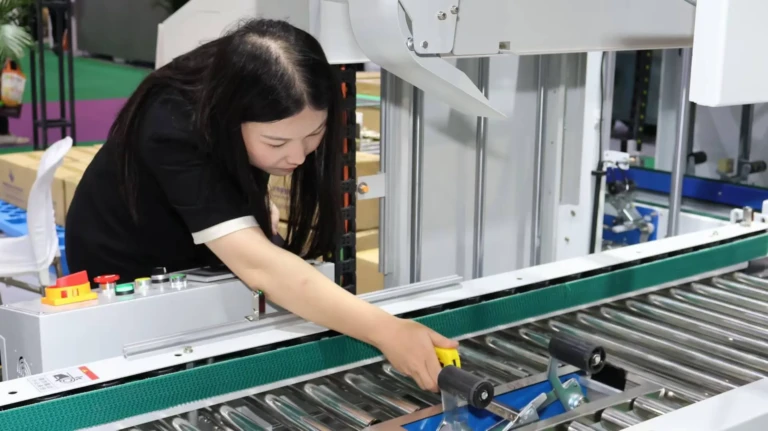
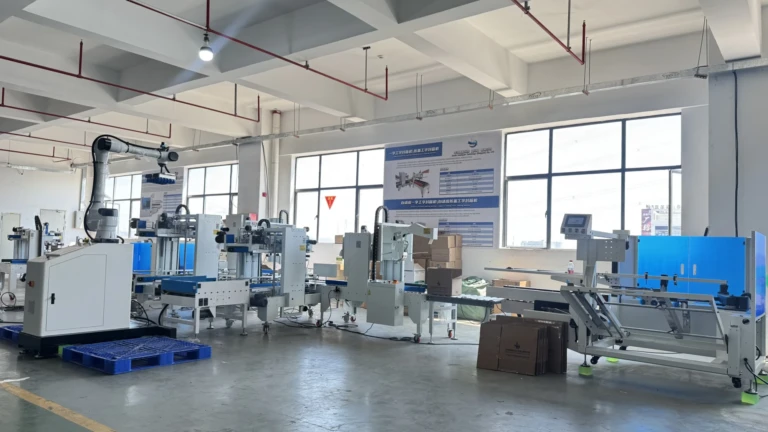
- Niche Expertise: Specialized pallet forming robots and strapping robots that automate entire packaging lines.
- USP: Modular designs allow retrofitting into existing layouts—cost-effective for mid-sized warehouses.
-
Crown Equipment Corporation
- Service Edge: Unmatched domestic service network (500+ locations).
- Best Fit: Companies prioritizing localized maintenance support.
- Seegrid
- Patented Tech: Vision-guided navigation without infrastructure modifications.
- Applications: High-traffic retail DCs with frequent layout changes.
Cost Analysis: Breaking Down ROI Drivers
- Base Unit Cost: $35,000–$75,000 per AMR pallet jack (depending on intelligence tier).
- Hidden Value Drivers:
- Labor Savings: 1 robot = 1.5–2 full-time employees (saving ~$60k/year in wages/benefits per FTE).
- Error Reduction: AMRs eliminate misplacement damage (~$1,200/incident average).
- Uptime Gains: Predictive maintenance cuts downtime by 30% vs. reactive fixes.
Example ROI Calculation:
For a fleet of 5 robots ($250k capex), expect:
- Year 1 Savings: $300k (labor) + $50k (error reduction) – $25k (maintenance) = $325k
- Payback Period: Under 10 months—far surpassing traditional automation ROI timelines.
Implementation Roadmap: Avoiding Pitfalls
-
Pre-Deployment Site Survey:
- Map WiFi dead zones that disrupt cloud connectivity.
- Assess floor flatness—≥1/4” cracks can destabilize sensors.
-
Phased Rollout Strategy:
- Pilot 2–3 robots in a defined zone (e.g., receiving to primary storage).
- Use data from the pilot to calibrate fleet size and workflows.
- Staff Change Management:
- Involve floor staff in UI testing (e.g., Huaxiu’s touchscreen HMI).
- Offer certification programs for “robot supervisors” to ease adoption.
Conclusion: Strategic Automation as a Competitive Edge
Robotic pallet jacks are no longer luxury investments—they’re survival tools in an era defined by e-commerce speed and labor volatility. US businesses must prioritize solutions offering not just mobility, but intelligence (Huaxiu’s collaborative robots exemplify this with precision palletizing), scalability, and vendor support. By aligning specifications with operational pain points—whether it’s reducing film waste via automatic stretch wrapping robots or eliminating strapping injuries—warehouses can transform material handling from a cost center to a value-generating powerhouse.
FAQs: Robotic Pallet Jacks Demystified
Q1: How much warehouse space is needed for AMR deployment?
AMRs require ≥ 10% less space than human-operated equipment due to tighter turning radii. Systems like Huaxiu’s operate in aisles as narrow as 7’.
Q2: Can robotic pallet jacks handle non-standard pallets (e.g., plastic, slip sheets)?
Advanced models feature adaptive fork sensors and clamp attachments. Specify load types during vendor consultations.
Q3: What’s the average lifespan, and how does maintenance compare to forklifts?
8–10 years with <2 hours/month maintenance—40% lower than ICE forklifts. Battery swaps (15 minutes) extend uptime.
Q4: Are there tax incentives for automation investments in the USA?
Yes! Section 179 deductions allow write-offs up to $1.08M (2023), and R&D tax credits apply to integration software.
Q5: How long does deployment typically take?
Phased AMR rollouts take 4–8 weeks vs. 12+ weeks for AGVs needing infrastructure changes.
Q6: Do Huaxiu robots comply with US safety standards?
Absolutely. All Huaxiu products imported to the USA meet ANSI/RIA and OSHA standards, with NRTL certifications.
By embracing robotic pallet jacks, US warehouses aren’t just automating—they’re future-proofing. The question isn’t whether to invest, but how swiftly you can transition from manual dependence to automated resilience.