The Rise of Automation in Logistics: Why & How to Buy Robotic Pallet Unloaders in the USA
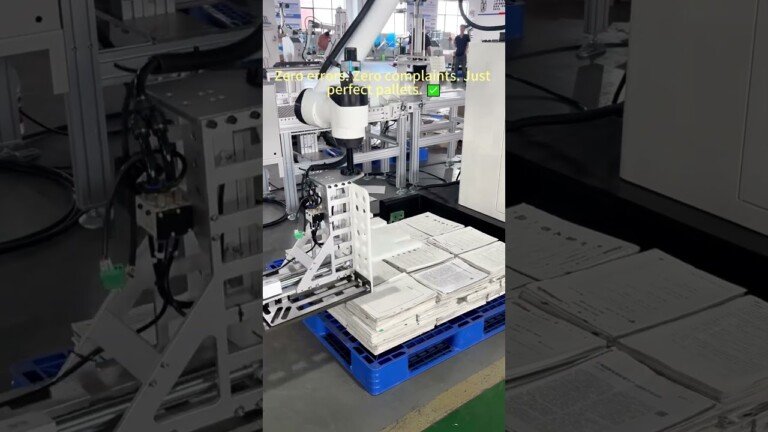
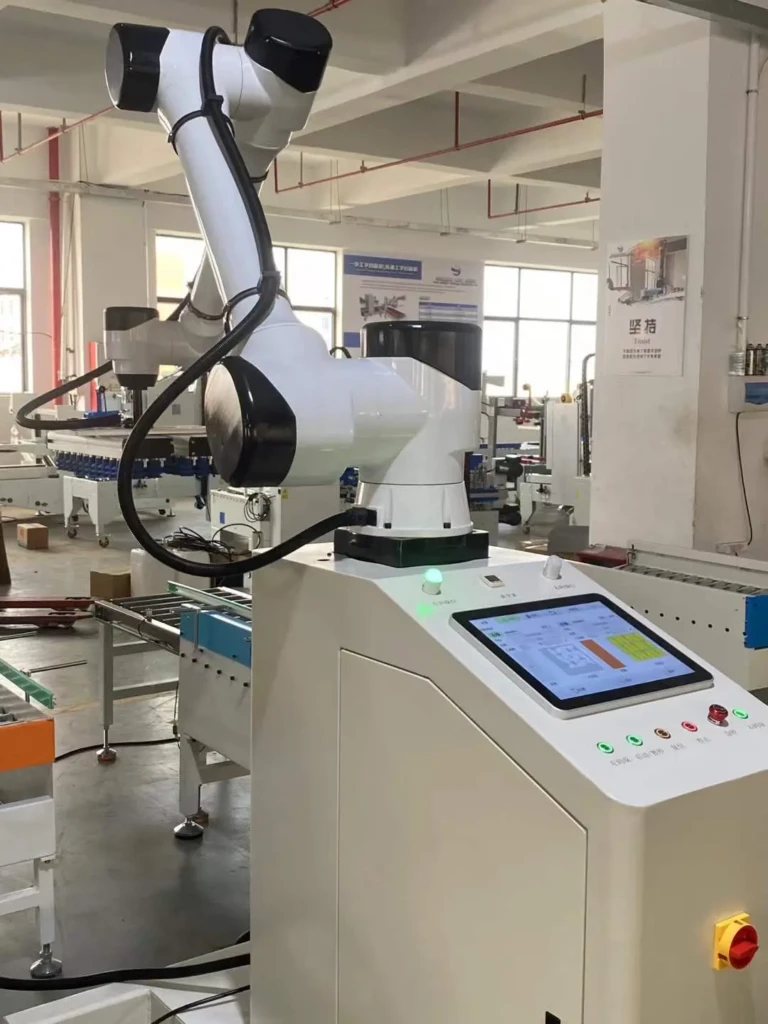
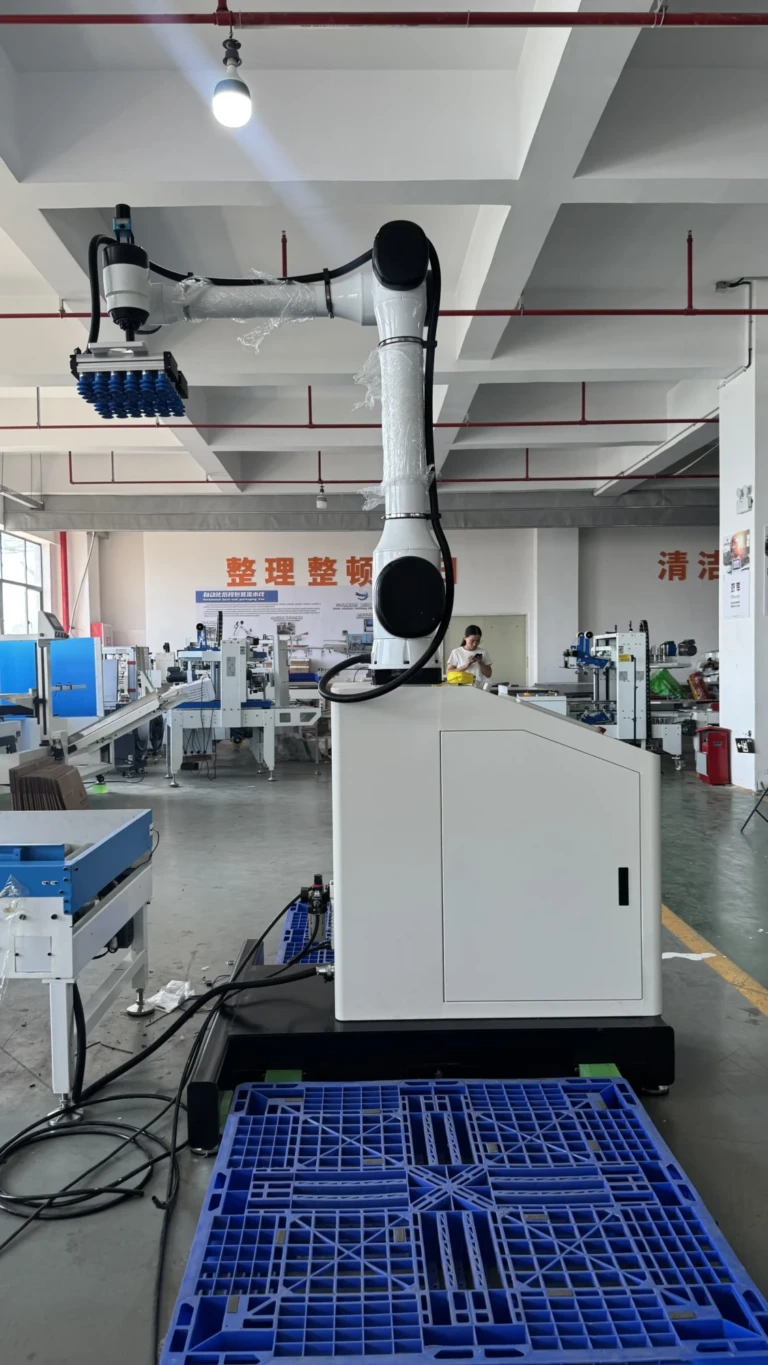
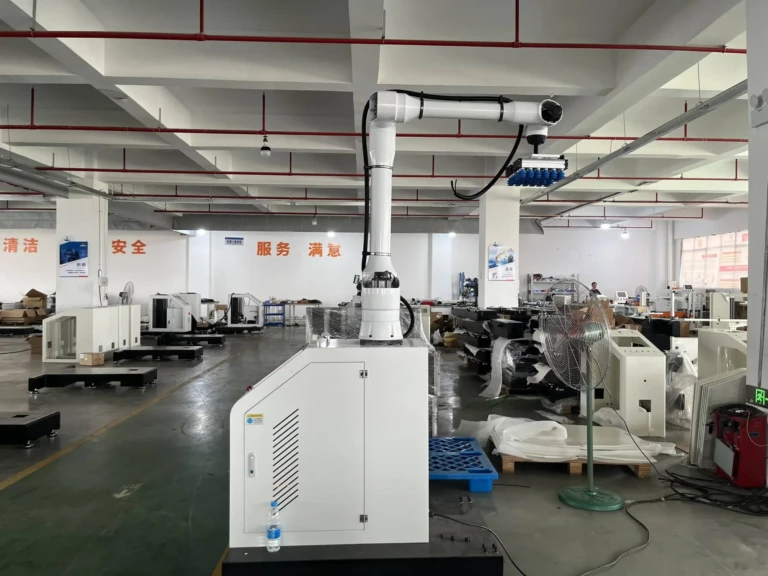
The logistics and warehousing landscape in the United States is undergoing a seismic shift. Labor shortages, rising operational costs, and the demand for faster order fulfillment are driving businesses toward automation. Among the most transformative innovations are robotic pallet unloaders, designed to streamline one of the most physically demanding and time-consuming tasks in warehouses. If you’re considering investing in these systems, this guide will walk you through the essentials—from benefits to buying considerations—with a focus on reputable providers like Huaxiu Robot, a leader in end-to-end warehouse automation.
Why Robotic Pallet Unloaders? The Unignorable Benefits
Automated pallet unloading isn’t just a “nice-to-have”—it’s becoming critical for competitive logistics operations. Here’s why:
- Labor Optimization: Manual unloading is labor-intensive, often leading to high turnover due to repetitive strain injuries. Robots eliminate this burden, allowing human workers to focus on higher-value tasks.
- Speed & Consistency: Robotic systems unload pallets 2–3x faster than humans, with zero fatigue. They maintain precision even during extended shifts, reducing bottlenecks in receiving docks.
- Safety First: Reducing manual handling minimizes workplace injuries (e.g., back strains or accidents from unstable loads). Advanced sensors ensure safe interaction with human workers.
- ROI-Driven: While upfront costs exist, businesses typically see payback within 1–3 years through labor savings, reduced product damage, and 24/7 throughput.
Key Considerations When Purchasing Robotic Pallet Unloaders
Not all systems are created equal. Here’s what to evaluate before buying:
- Payload & Speed: Match the robot’s capacity (e.g., 1,500 lbs+ per pallet) and cycle time to your workflow volume.
- Adaptability: Can the system handle mixed-SKU pallets, varying box sizes, or irregular packaging? Look for AI-powered vision systems (like Huaxiu’s 3D cameras) that identify objects without pre-programming.
- Integration: Ensure compatibility with your Warehouse Management System (WMS), conveyors, and other automation (e.g., palletizers or stretch wrappers).
- Space Efficiency: Compact designs are vital for warehouses with limited dock space.
- Compliance: Verify certifications (e.g., OSHA, ANSI, or ISO) for safety and quality assurance.
Huaxiu Robot: A One-Stop Automation Partner
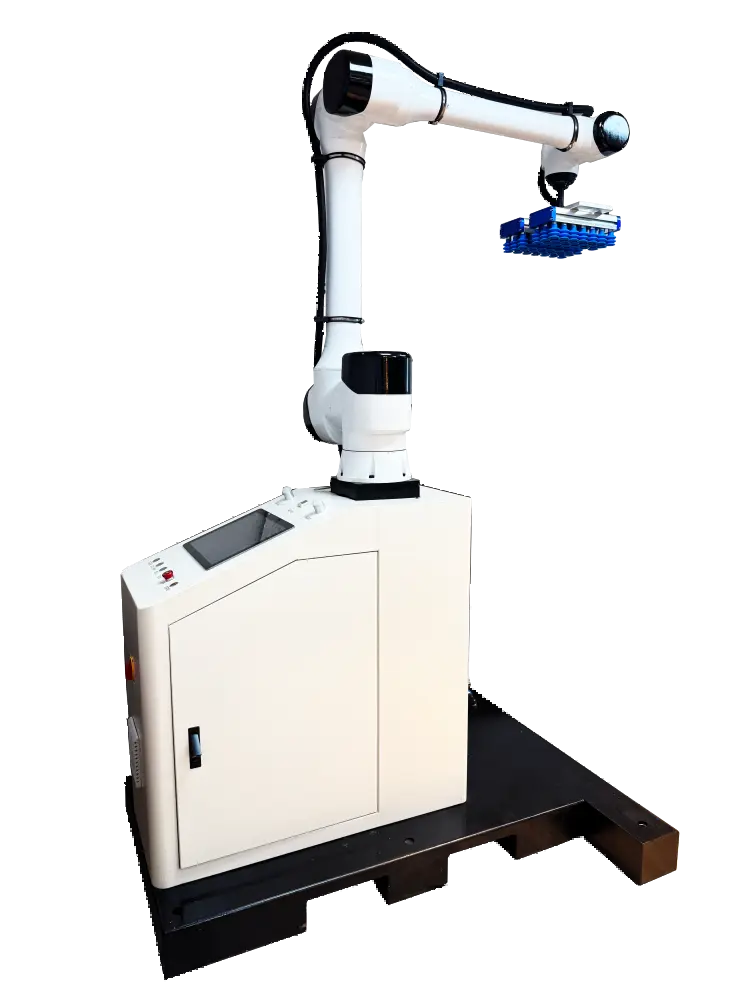
Chinese innovator Huaxiu Robot has gained traction in the U.S. market by offering a comprehensive suite of logistics robots, including standout pallet unloaders. Their technology stands out for:
- Collaborative Design: Seamless human-robot interaction with safety-rated sensors.
- End-to-End Solutions: Beyond unloading, Huaxiu offers integrated systems like pallet-forming robots, strapping machines, and shrink-wrap automation—enabling a unified workflow.
- AI-Driven Precision: Machine learning algorithms adapt to new box types in real-time, minimizing manual reprogramming.
- Scalability: Modular solutions grow with your business, from small fulfillment centers to large distribution hubs.
How to Source Reliable Suppliers in the USA
While Huaxiu and other global brands manufacture overseas, many U.S.-based distributors provide localized support:
- Authorized Resellers: Companies like PQH Group or Davron Technologies partner with Huaxiu to offer installation, training, and maintenance.
- Demo & Trials: Insist on on-site testing to validate performance in your environment.
- Service Agreements: Prioritize suppliers offering 24/7 technical support and spare parts inventories within the U.S.
- Financing Options: Leasing or Robotics-as-a-Service (RaaS) models can ease upfront costs.
Cost Analysis: Budgeting for Automation
A robotic pallet unloader typically ranges from $100,000 to $250,000, depending on features. Key cost drivers include:
- Technology Tier: Basic models vs. AI-vision-enabled systems.
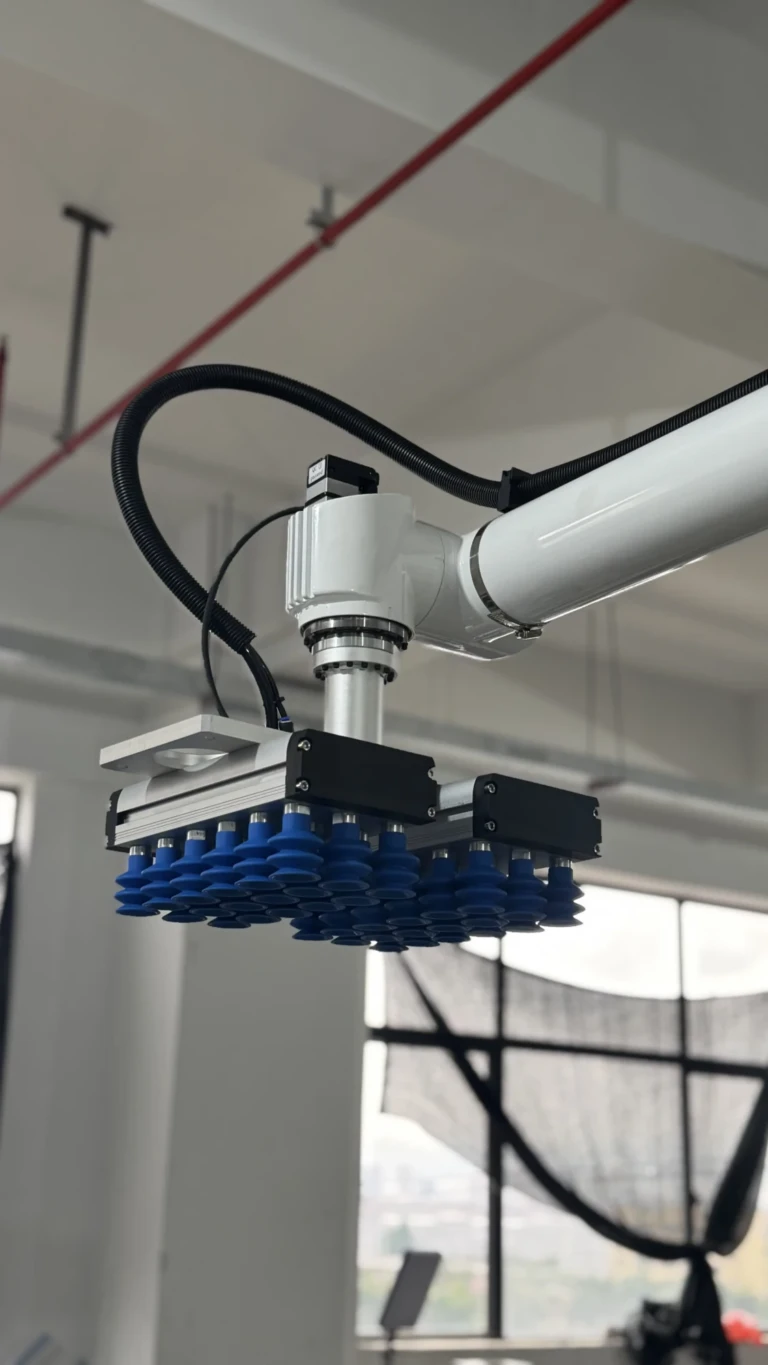
- Customization: Tailored grippers for fragile or odd-shaped items.
- Peripheral Equipment: Integration with conveyors or packaging lines.
- Installation & Training: Factor in 10–15% of hardware costs.
The Future of Unloading Automation
The next wave includes mobile pallet unloaders (AMRs) that move autonomously between trucks and storage zones, and cloud-connected systems enabling predictive maintenance. Sustainability is also rising—Huaxiu’s energy-efficient models reduce carbon footprints.
Conclusion
Investing in robotic pallet unloaders isn’t just about keeping pace—it’s about future-proofing your logistics operations. For U.S. buyers, partnering with technologically advanced providers like Huaxiu Robot and leveraging local support ensures a smooth transition to automation. Evaluate your needs meticulously, prioritize scalability, and focus on total lifecycle value over sticker price. In an era where efficiency defines competitiveness, automation is no longer optional.
FAQs: Robotic Pallet Unloaders
Q1: How long does installation take?
A: Most systems deploy in 4–8 weeks, including integration testing.
Q2: Can robots handle damaged or shifted boxes?
A: Advanced vision systems detect instability and adjust grip or alert operators.
Q3: What’s the typical lifespan?
A: With proper maintenance, 7–10 years. Key components often have 3–5-year warranties.
Q4: Are these robots safe around workers?
A: Yes—collaborative robots feature LiDAR, force-limiting joints, and emergency stops.
Q5: Do I need IT expertise to operate them?
A: No. Most systems include intuitive interfaces. Suppliers offer training for operators.
Q6: Can Huaxiu’s unloaders integrate with other packaging robots?
A: Absolutely. Their ecosystem (e.g., strapping or stretch-wrap robots) is designed for interoperability.
Q7: What industries benefit most?
A: E-commerce, food & beverage, pharmaceuticals, and manufacturing—any sector with high-volume palletized goods.
By embracing robotic pallet unloaders, U.S. businesses aren’t just automating a task—they’re unlocking resilience, scalability, and a decisive edge in the logistics revolution.