
The New Frontier in Warehouse Automation: Breaking Down Affordable Palletizing Robot Costs
In an era where supply chain efficiency is non-negotiable and labor shortages are rampant, automation has shifted from a luxury to a necessity. Among the most impactful solutions? Palletizing robots – once prohibitively expensive but now increasingly accessible to businesses of all sizes. Let’s explore how technological advancements, competitive pricing models, and strategic design choices have democratized robotic palletizing, making it a viable investment even for small to mid-sized operations.
Why Palletizing Automation Is No Longer a “Big Budget” Item
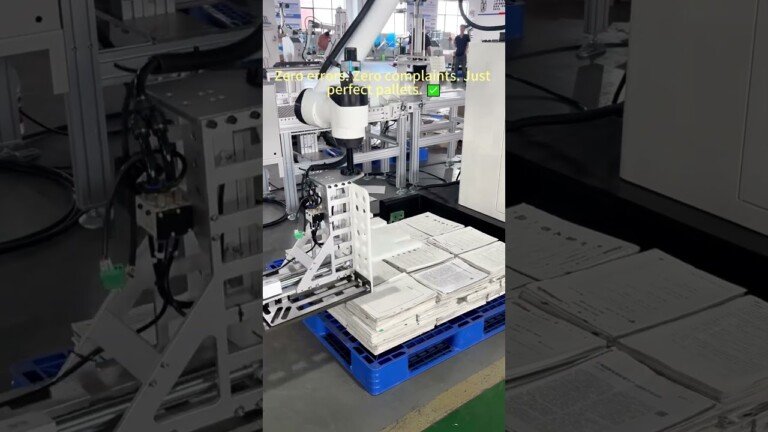
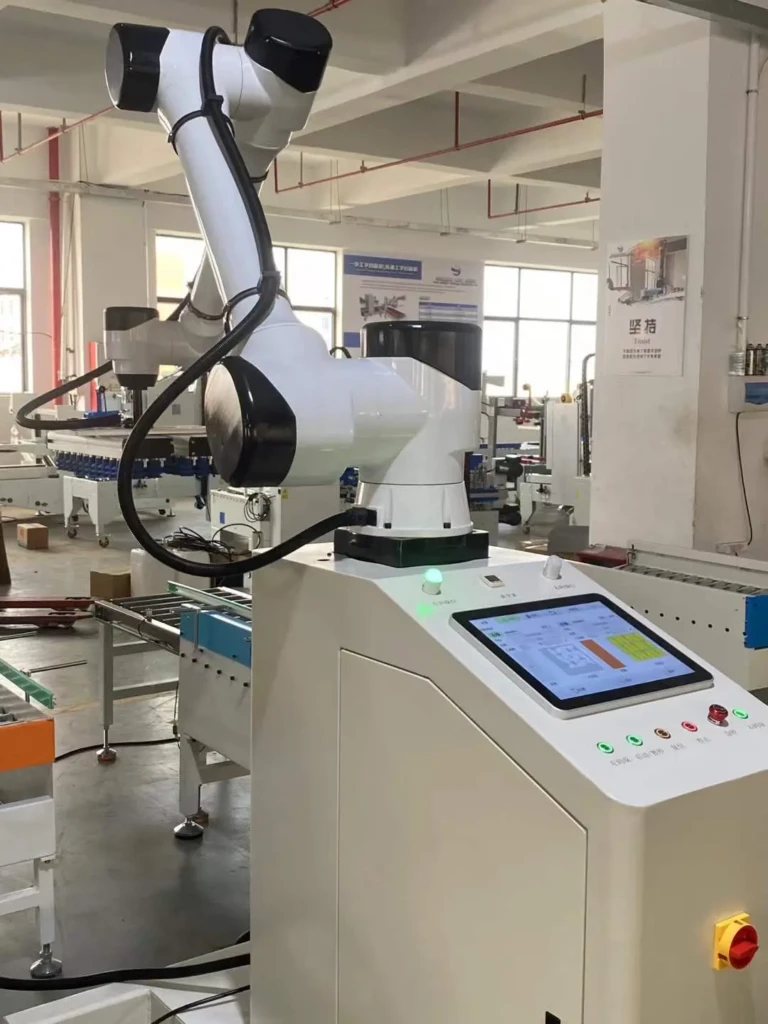
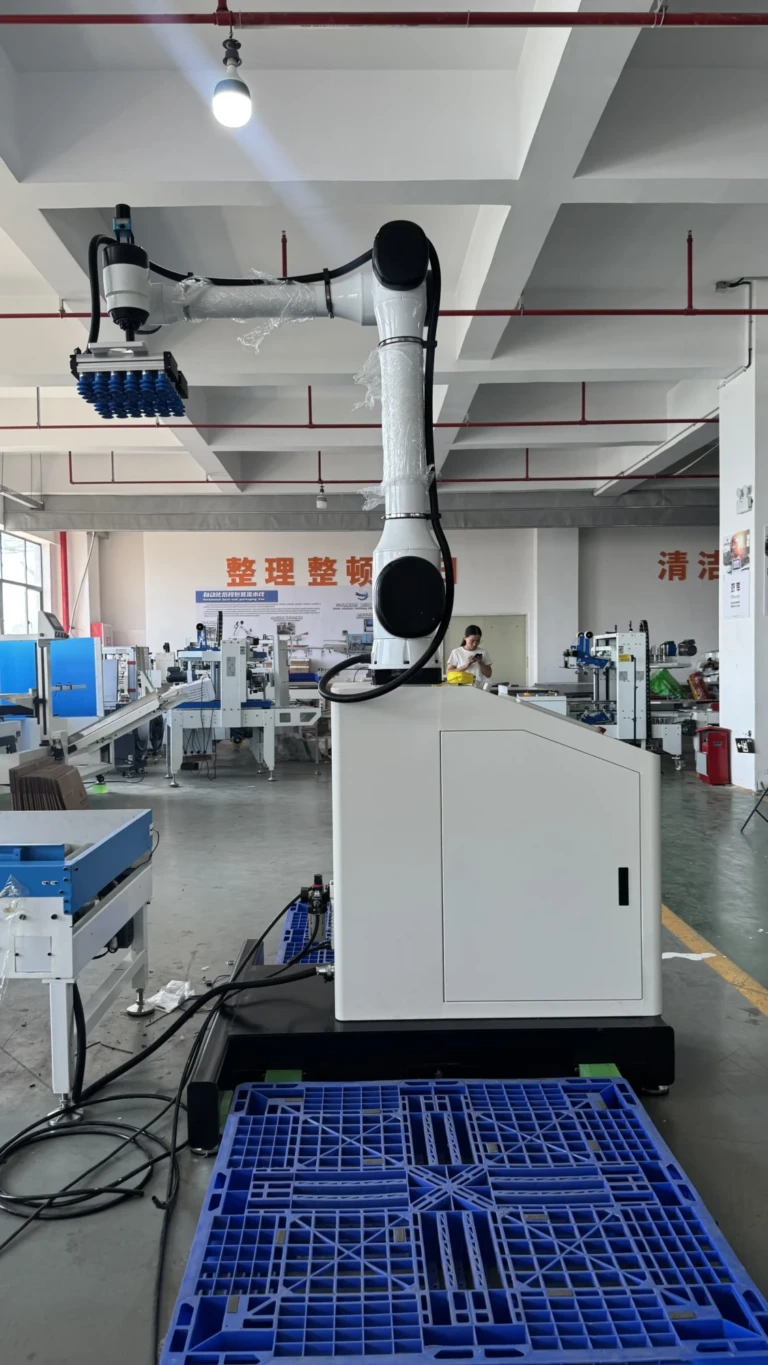
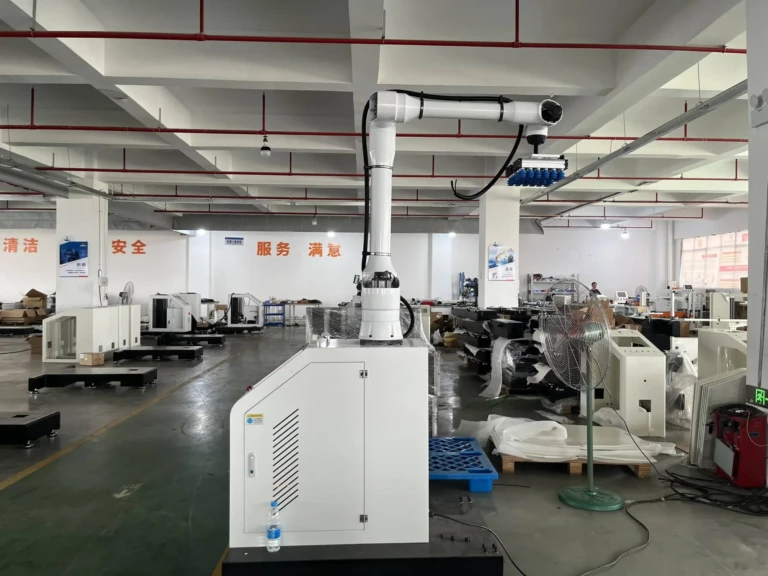
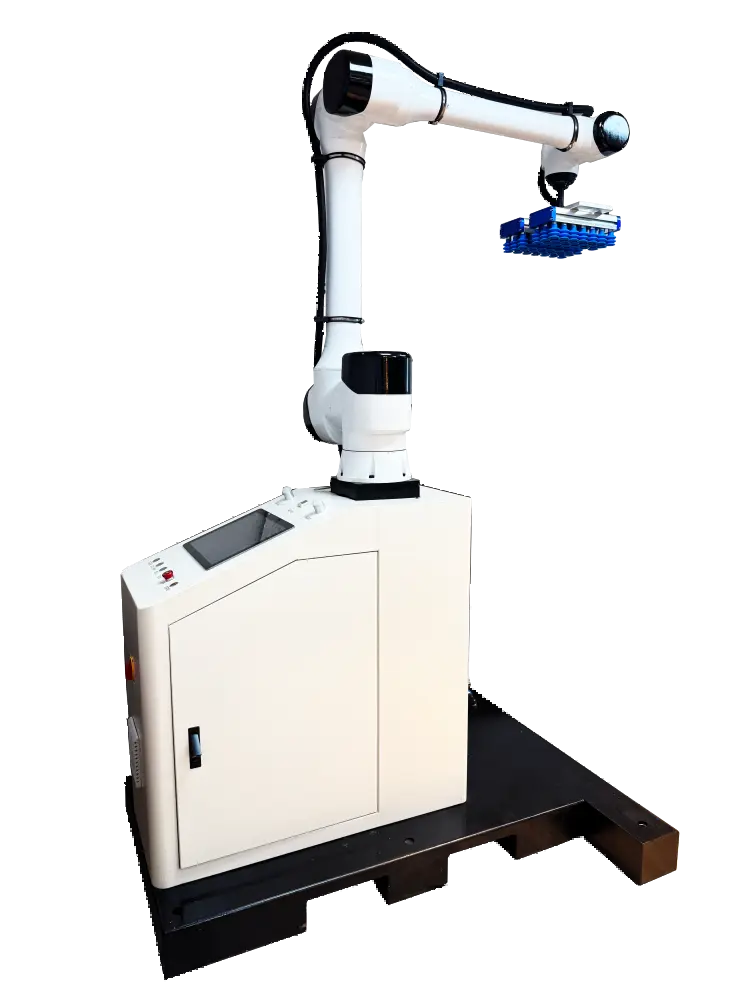
Palletizing robots automate the repetitive, physically demanding task of stacking boxes, bags, or other items onto pallets. Traditional industrial robots designed for this task often required six-figure investments, complex integration, and dedicated floor space. However, the rise of collaborative robots (cobots) and modular systems has reshaped the market:
- Lower Entry Costs: Collaborative palletizing robots (like Huaxiu’s offerings) start at under $50,000, a fraction of the cost of legacy systems.
- Simplified Integration: Plug-and-play designs reduce installation time and eliminate the need for costly engineering teams.
- Flexibility: Modern robots handle mixed SKUs, varying box sizes, and rapid product changeovers without reprogramming.
Key Factors Driving Affordability
-
Payload & Reach Optimization:
Smaller robots (5–20 kg payload) with compact footprints suit lightweight applications (e.g., cosmetics, food packets). These models cut costs by using lighter materials and simplified controls. -
Speed vs. Precision Balance:
High-speed robots (e.g., delta-style for pharmaceutical blister packs) command premium pricing. For many operations, however, “mid-speed” cobots (10–15 cycles/minute) strike a perfect cost-efficiency balance. -
End-of-Arm Tooling (EOAT):
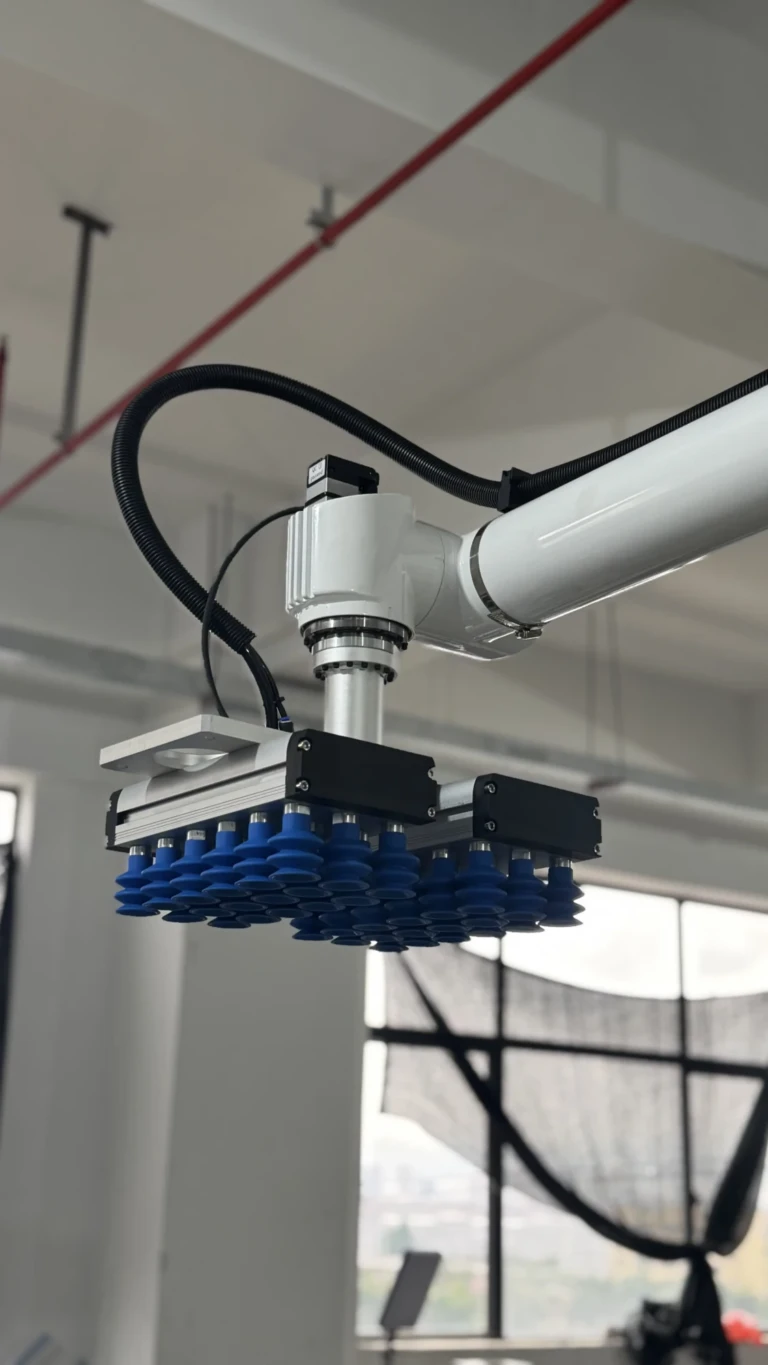
Universal grippers and vacuum systems have replaced custom tooling. Huaxiu’s automatic stretch film or strapping robots, for example, use adaptable EOATs that handle multiple tasks without hardware swaps. - Software & Connectivity:
Open-source programming platforms (ROS-based) and IIoT-ready interfaces allow in-house teams to manage robots without vendor lock-in.
Cost Breakdown: What to Expect
| Robot Type | Price Range | Ideal Application |
|---|---|---|
| Collaborative Cobot | $35,000–$75,000 | Low-volume, high-mix facilities (e.g., craft breweries, specialty foods) |
| Traditional SCARA | $50,000–$120,000 | High-speed, uniform packing (e.g., beverage can palletizing) |
| Heavy-duty 6-Axis Arm | $80,000–$200,000 | Large payloads (25+ kg), wide reach (e.g., construction materials) |
| Integrated Systems | $150,000–$400,000 | Turnkey solutions (e.g., Huaxiu’s pallet-forming + strapping robots with AGV integration) |
Note: Pricing excludes installation/conveyor integration but often includes basic programming.
How to Further Reduce Costs
- Leasing/Robot-as-a-Service (RaaS): Pay monthly fees (from $1,500/month) instead of upfront capital.
- Refurbished/Recertified Models: Save 30–50% with warranties-backed used robots.
- Phased Implementation: Start with semi-automatic sealing or unpacking robots, then add palletizing later.
- Energy Efficiency: Modern servo motors cut power consumption by up to 60% versus hydraulic systems.
ROI: Crunching the Numbers
A $50,000 collaborative palletizing robot handling 800 boxes/hour can replace 2–3 shifts of manual labor. Assuming an average labor cost of $25/hour (wages, benefits, insurance), the payback period is often under 18 months – with ongoing savings of $100,000+ annually.
Real-World Applications
Huaxiu’s clients in the e-commerce sector report 30% faster order fulfillment using automated palletizing alongside shrink-wrap robots, while a Midwest agricultural supplier cut palletizing errors by 95% with a $65,000 cobot system.
Conclusion: Affordability Meets Strategic Advantage
The narrative that robotic palletizing is only for Fortune 500 companies is obsolete. With prices starting near the cost of a luxury car, businesses can now automate their most labor-intensive processes while achieving ROI in under two years. Emerging providers like Huaxiu Robot are accelerating this shift with modular, scalable solutions – from standalone sealing robots to fully integrated lines.
The question isn’t “Can we afford a palletizing robot?” but “Can we afford not to automate?”
FAQs
Q: How much does a basic palletizing robot system cost?
A: Entry-level collaborative robots start around $35,000, while fully integrated systems (robotics + conveyors + software) begin at $150,000.
Q: What ongoing costs should I expect?
A: Annual maintenance averages 3–5% of the robot’s cost ($1,500–$4,000/year for cobots). Energy use is minimal (~0.5–1.5 kWh).
Q: Can these robots handle fragile or irregular items?
A: Yes. Adaptive grippers, vision systems, and force-sensing tech allow gentle handling of glass bottles, bags, or unevenly shaped products.
Q: How long does deployment take?
A: Collaborative systems can be operational in 2–4 weeks. Traditional robots may require 8–12 weeks for integration.
Q: Are there tasks palletizing robots can’t do cost-effectively?
A: Extremely low-volume operations (<50 pallets/day) or ultra-heavy items (500+ kg) may still favor manual solutions.
Q: Do I need coding skills to operate them?
A: No. Most cobots use intuitive drag-and-drop programming interfaces.
Q: What’s the lifespan of a palletizing robot?
A: 10–15 years with proper maintenance. Critical components (servo motors, reducers) often have 5-year warranties.
Automation is no longer a distant future—it’s an accessible tool reshaping productivity today. Consult with automation engineers to explore systems tailored to your throughput, budget, and space constraints.