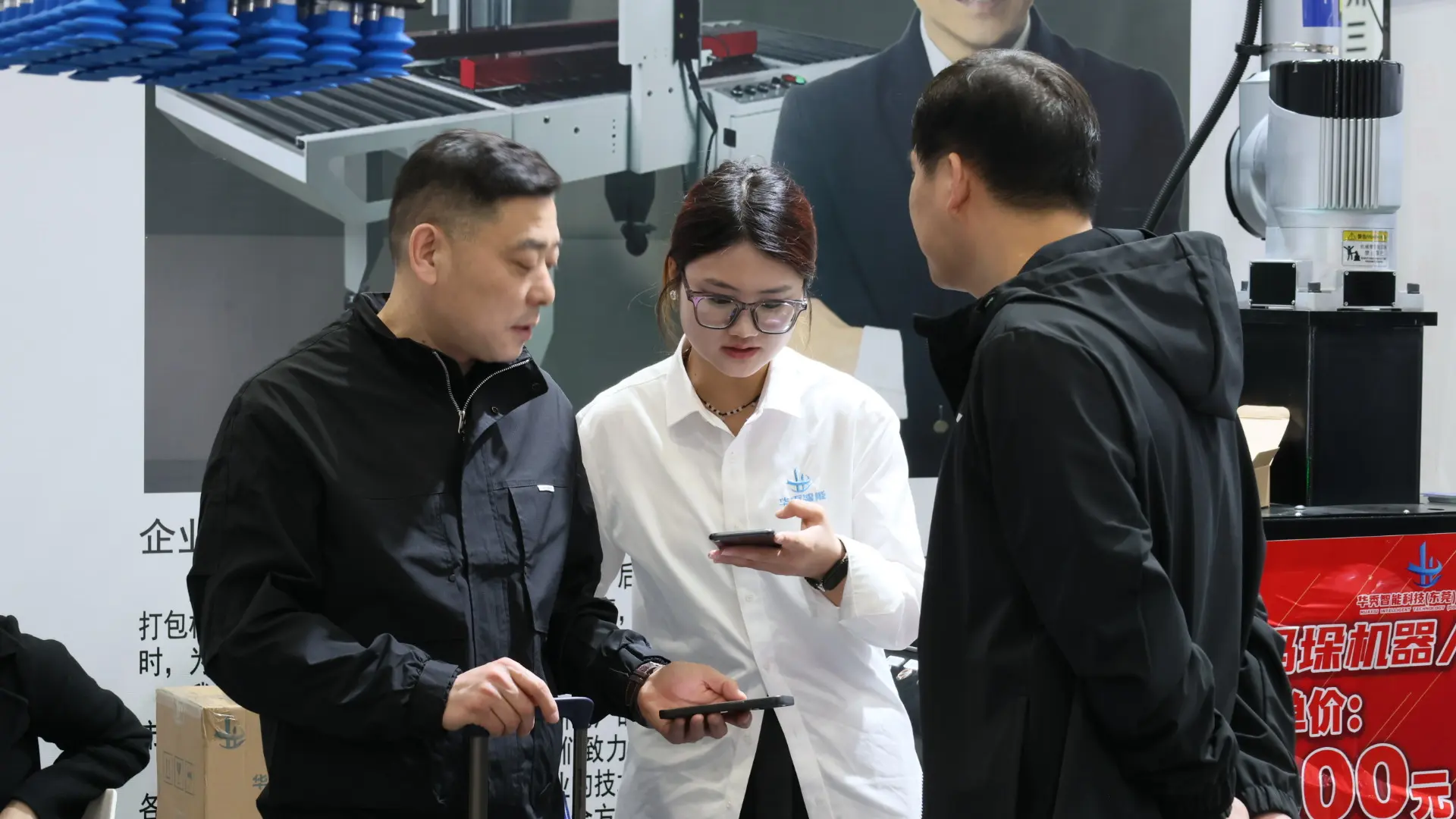
The Rise of China’s Robotic Palletizers: How Automation is Reshaping Logistics
In a world where speed, precision, and efficiency define competitiveness, China’s manufacturing and logistics sectors are undergoing a silent revolution—one led by palletizing robots. Gone are the days of manual stacking, inconsistent quality, and labor-intensive workflows. Today, companies like Huaxiu Robot are at the forefront of this transformation, deploying intelligent robotic solutions that optimize supply chains from production floors to distribution centers. But what’s driving this shift, and why does it matter globally?
The Backbone of Modern Warehousing: Palletizing Robots
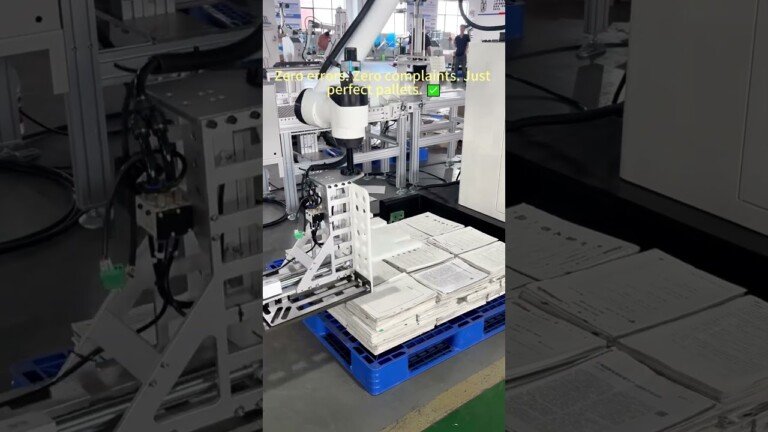
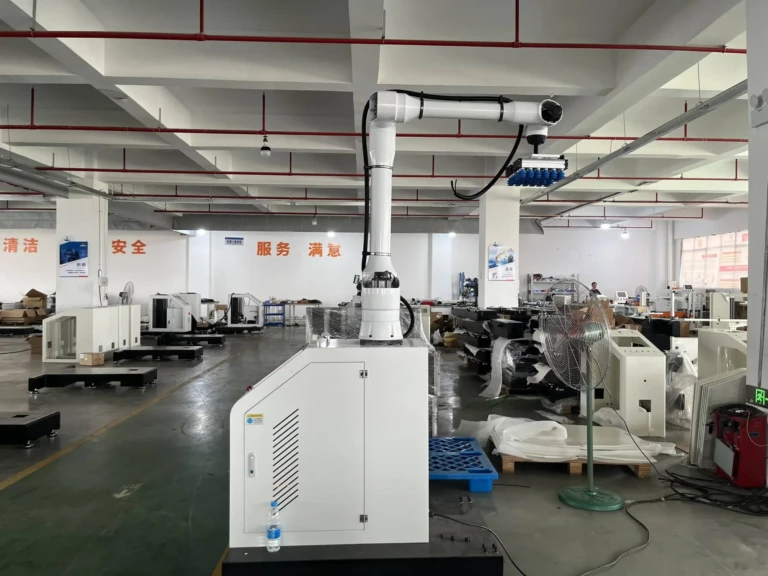
Palletizing—the process of stacking goods onto pallets—is a critical yet historically tedious task in logistics. Manual palletizing is slow, prone to errors, and physically demanding, leading to higher labor costs and increased risk of workplace injuries. Enter automated palletizing robots: programmable, versatile machines capable of handling boxes, bags, drums, and irregularly shaped items with astonishing speed and accuracy.
China’s rapid adoption of these systems isn’t incidental. With the government’s push for “smart manufacturing” under initiatives like Made in China 2025 and rising labor costs, industries from food & beverage to pharmaceuticals are embracing automation to maintain their edge.
Key Innovations Driving the Revolution
Huaxiu Robot exemplifies this evolution with its comprehensive suite of automation tools:
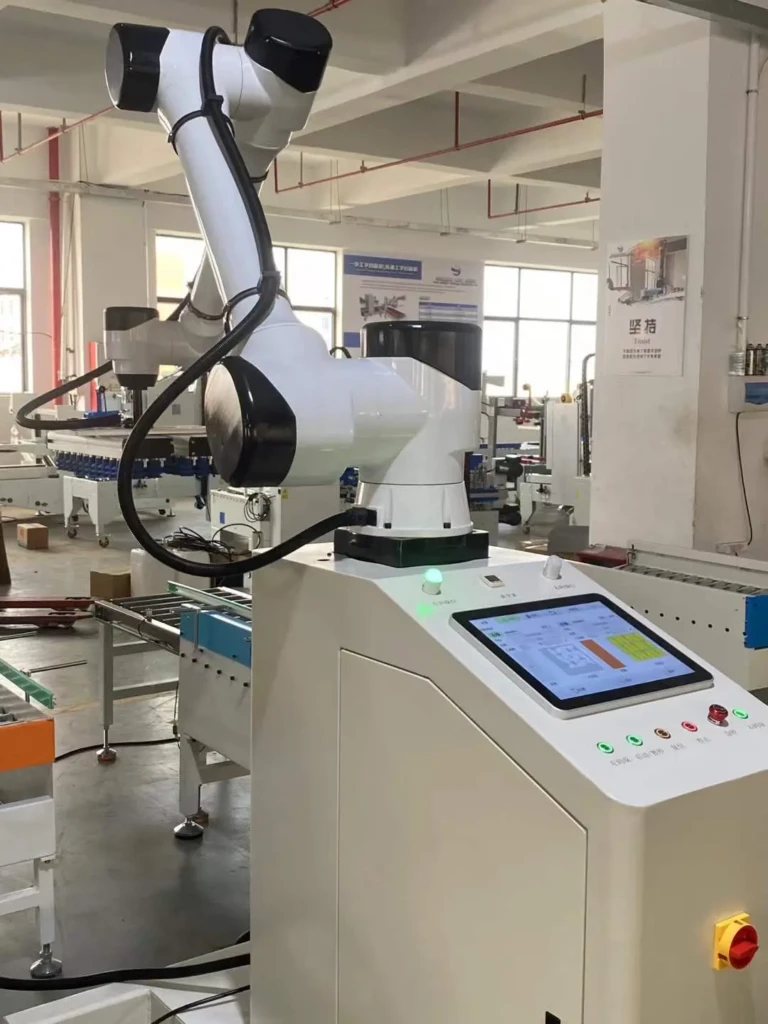
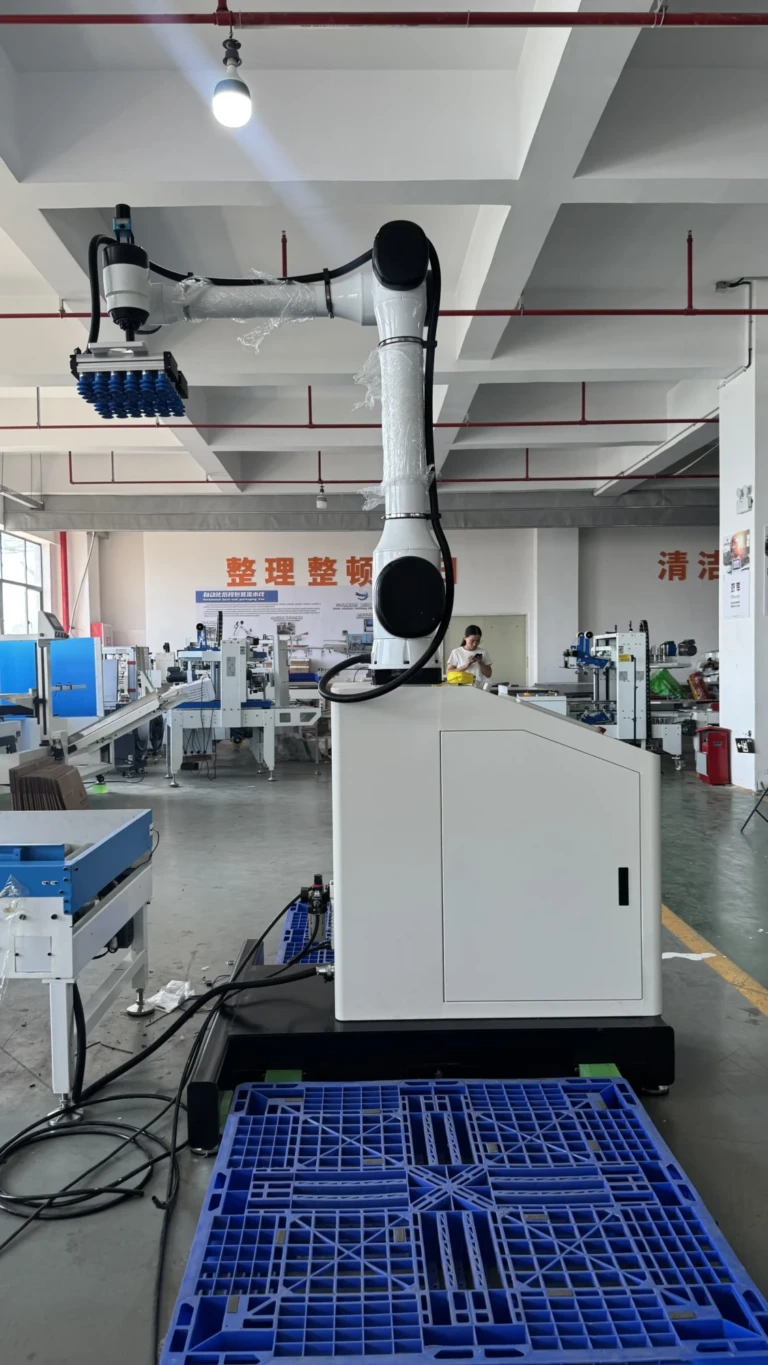
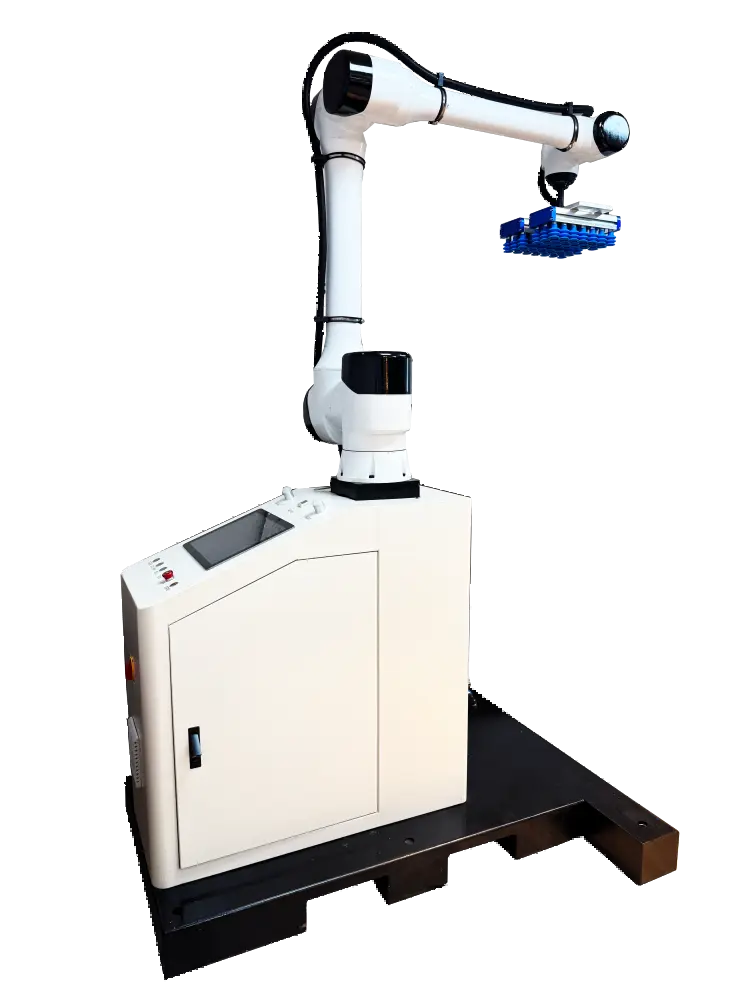
- Collaborative Palletizing Robots (Cobots): Designed to work safely alongside human workers, these cobots adapt to dynamic environments and perform complex stacking patterns without safety cages.
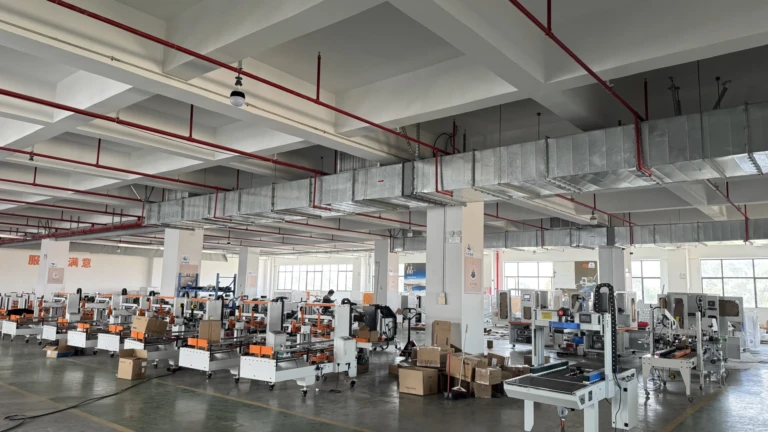
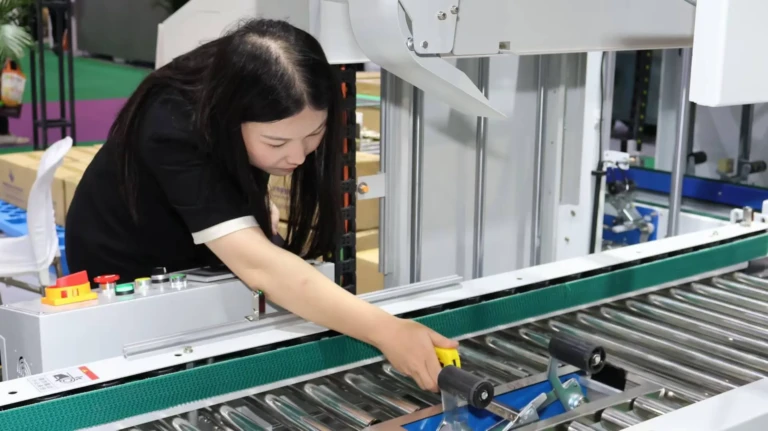
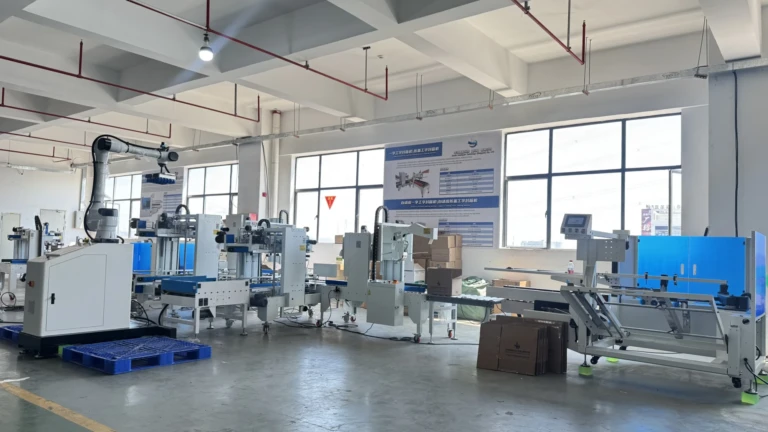
- End-to-End Packaging Systems: Beyond palletizing, Huaxiu’s offerings like automatic unpacking robots, shrink packaging robots, and strapping robots create seamless, fully automated packaging lines.
- Intelligent Integration: Advanced machine vision systems enable robots to identify objects, adjust grip strength, and correct alignment in real time. IoT connectivity allows remote monitoring, predictive maintenance, and data-driven optimization.
Why China?
China’s dominance in this space stems from three factors:
- Scale: Manufacturers serve both massive domestic demand and global export markets, necessitating high-throughput solutions.
- Technological Maturity: Chinese robotics firms have rapidly closed the gap with international rivals, offering competitive pricing without compromising quality.
- Policy Support: Subsidies for automation R&D and tax incentives for upgrading facilities have accelerated adoption.
Case Study: Huaxiu Robot in Action
Consider a Chinese beverage company producing 50,000 bottles per hour. Previously, manual palletizing required 12 workers per shift, with frequent inconsistencies in stack stability. After deploying Huaxiu’s collaborative palletizing robots and stretch film packaging systems:
- Efficiency soared by 200%, with pallets built in under 2 minutes.
- Product damage rates dropped by 90% due to precise handling.
- Labor costs fell by 60%, freeing workers for higher-value roles like quality control.
The Ripple Effect Across Industries
The impact extends beyond warehousing:
- E-commerce: Robots enable 24/7 order fulfillment, meeting same-day delivery expectations.
- Pharmaceuticals: Sterile, error-free palletizing ensures compliance with stringent safety standards.
- Sustainability: Optimized stacking reduces material waste (e.g., stretch film usage) and carbon footprints.
Challenges and the Road Ahead
Despite explosive growth, hurdles remain. Small-to-medium enterprises (SMEs) face upfront investment anxiety, though leasing models and government grants are easing this. Additionally, integrating robots with legacy machinery requires skilled technicians—a gap China is addressing through vocational training programs.
Looking ahead, AI-powered swarm robotics (where multiple robots collaborate autonomously) and 5G-enabled edge computing will push boundaries further. Huaxiu and peers are already testing robots that self-optimize workflows based on real-time data, eliminating the need for pre-programmed instructions.
Conclusion: A Future Built by Robots
China’s palletizing robot revolution isn’t just about replacing human labor—it’s about augmenting capabilities, eliminating inefficiencies, and redefining what’s possible in global logistics. As companies like Huaxiu Robot continue to innovate, the ripple effects will be felt worldwide: lower costs, faster delivery times, and smarter supply chains. For businesses eyeing scalability and resilience, embracing this automation wave isn’t optional—it’s essential.
FAQs on Palletizing Robots in China
Q1: How much does a palletizing robot system cost in China?
A: Costs vary based on payload capacity and complexity. Entry-level systems start at $25,000, while high-speed, fully integrated solutions can exceed $150,000. Many suppliers offer leasing or ROI-based financing.
Q2: Can these robots handle fragile or irregularly shaped items?
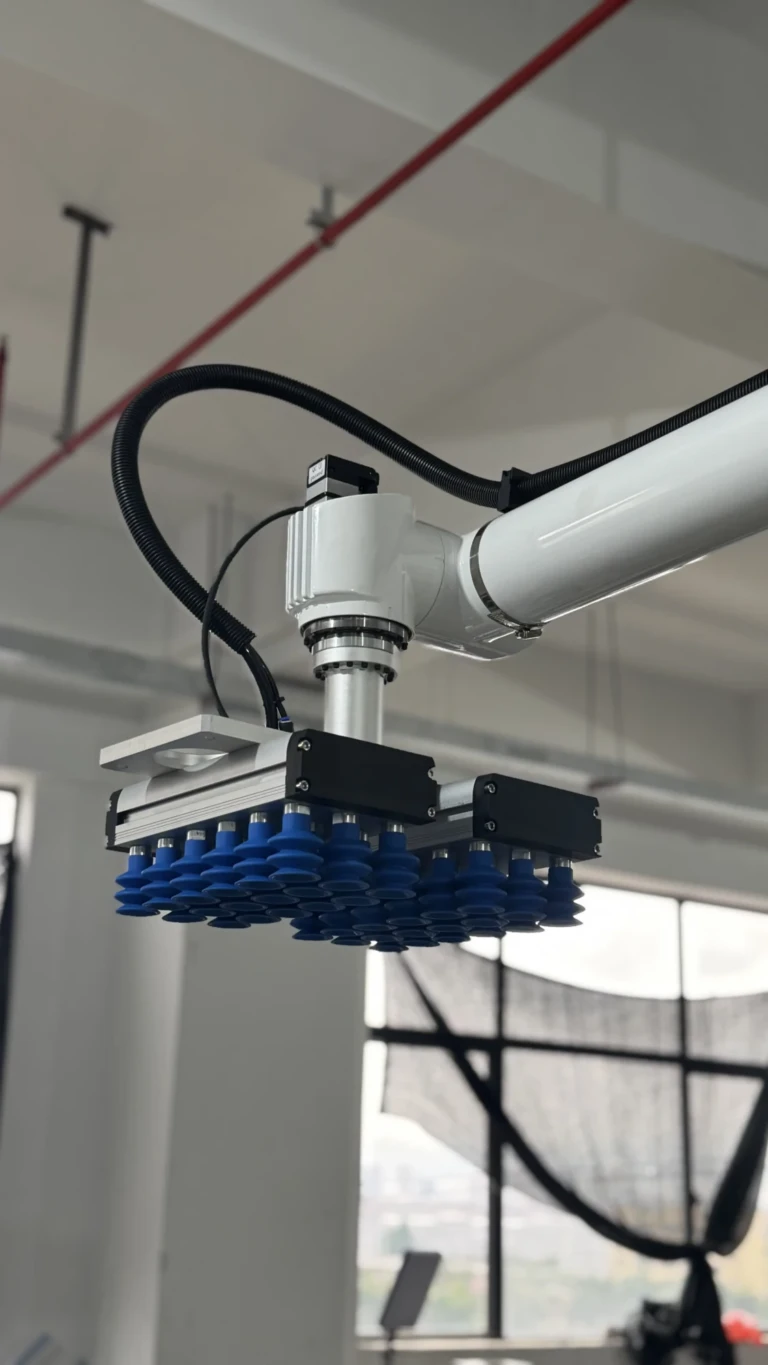
A: Yes. Advanced grippers and machine vision allow handling of delicate goods (e.g., glass bottles) and asymmetrical products (e.g., bags of rice). Custom end-effectors can be designed for unique needs.
Q3: How long does deployment take?
A: Standard systems take 2–4 weeks for installation and training. Complex integrations may require 8–12 weeks, including factory layout adjustments.
Q4: Do Chinese robots comply with global safety standards?
A: Leading brands like Huaxiu certify products to ISO 10218 (industrial robot safety) and ISO/TS 15066 (cobot standards), ensuring compatibility in global markets.
Q5: What’s the ROI timeline for a palletizing robot?
A: Most users report payback within 12–18 months via labor savings, reduced product damage, and higher throughput.
Q6: How do these robots impact employment?
A: While they reduce manual labor needs, they create higher-skilled jobs in programming, maintenance, and system oversight.
Q7: Can palletizing robots integrate with existing ERP/WMS software?
A: Absolutely. Modern robots support API integrations with platforms like SAP or Oracle, enabling real-time inventory tracking and workflow adjustments.
The robotic revolution is here—and China’s palletizing pioneers are leading the charge. For businesses worldwide, staying competitive now means partnering with innovation.