Introduction: The Rise of Automation in China’s Logistics and Manufacturing Landscape
China’s industrial sector is undergoing a seismic shift driven by the "Made in China 2025" initiative, where automation and robotics are no longer luxuries but necessities. Among the most transformative innovations are robotic palletizing solutions, which streamline packaging processes, reduce labor costs, and enhance precision. As factories and warehouses demand higher efficiency, Chinese robotics companies like Huaxiu Robot are rising to the challenge with cutting-edge, customizable systems. In this deep-dive, we explore China’s top palletizing solutions, spotlighting Huaxiu’s diverse portfolio and unpacking what makes their technology stand out in a competitive global market.
Why Robotic Palletizing? The Unignorable Business Case
Palletizing—the process of stacking products onto pallets for storage or transport—is repetitive, physically demanding, and prone to human error. Manual palletizing often leads to inconsistent stacks, workplace injuries, and bottlenecks in high-volume production lines. Robotic palletizers solve these pain points with:
- 24/7 Operation: No shifts, breaks, or fatigue.
- Precision Stacking: Algorithm-driven patterns ensure stability and space optimization.
- Scalability: Easily reprogrammed for new products or layouts.
- ROI-Driven: Payback periods as short as 12–18 months through labor savings and reduced waste.
China’s Leading Robotic Palletizing Innovators
While global brands like ABB and Fanuc dominate mindshare, Chinese manufacturers have rapidly closed the technology gap, offering cost-effective alternatives without compromising performance. Key players include Estun, SIASUN, and EFORT, but Huaxiu Robot has carved a niche with its specialized, end-to-end packaging automation ecosystem.
Huaxiu Robot: A One-Stop Solution for Smart Packaging
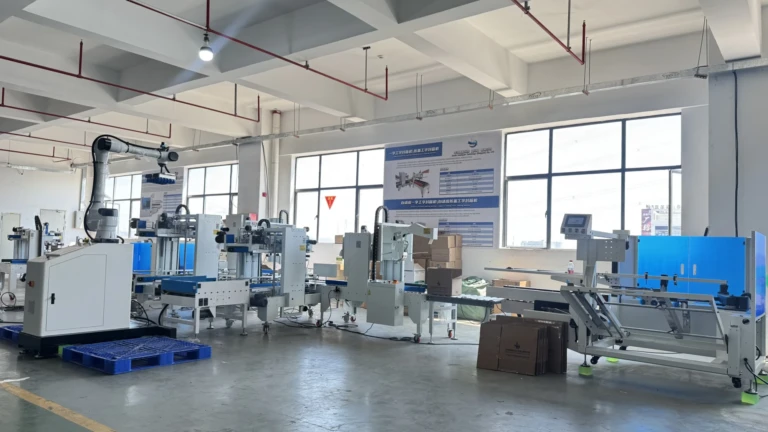
Huaxiu’s product suite addresses every stage of the packaging line, from unboxing to palletizing and securing loads. Here’s a breakdown of their flagship systems:
-
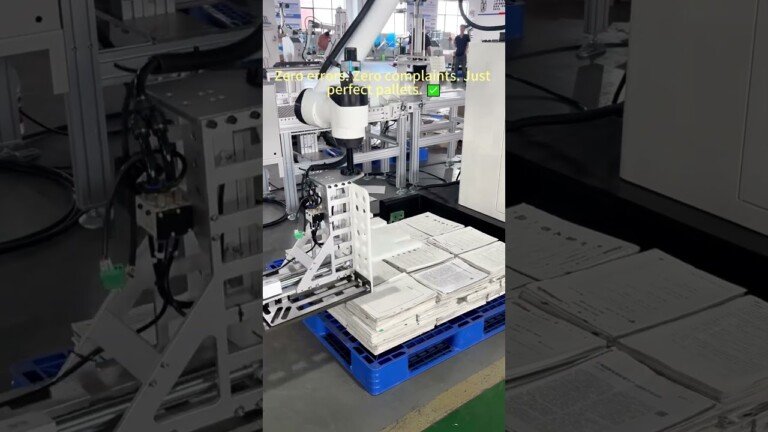
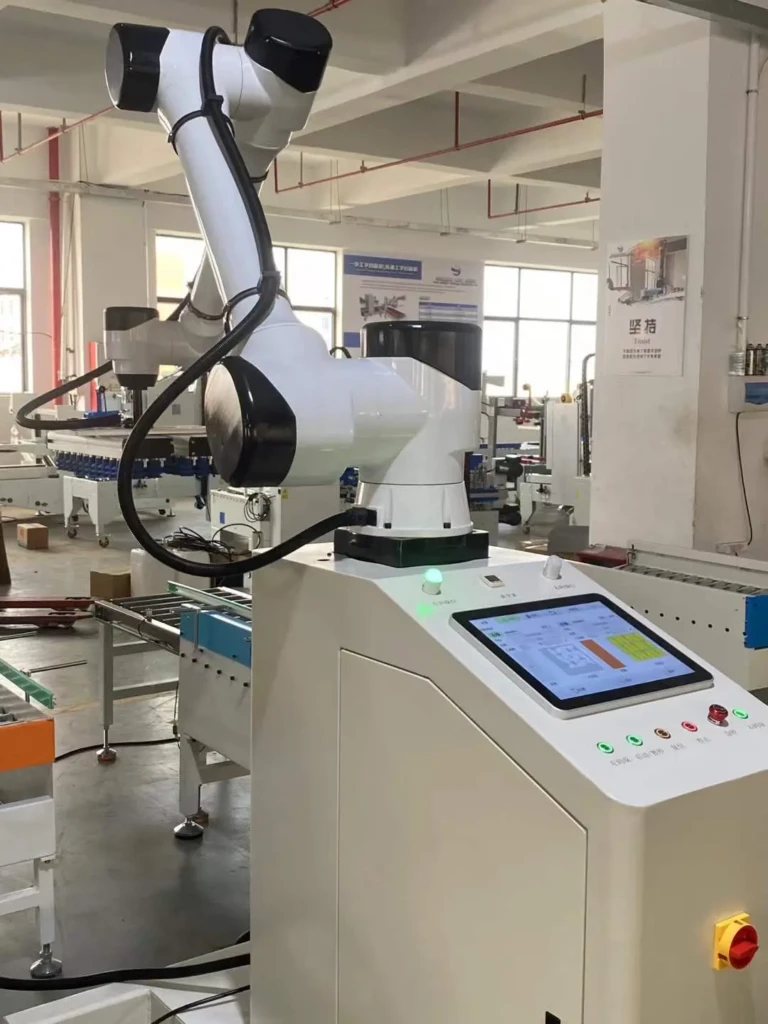
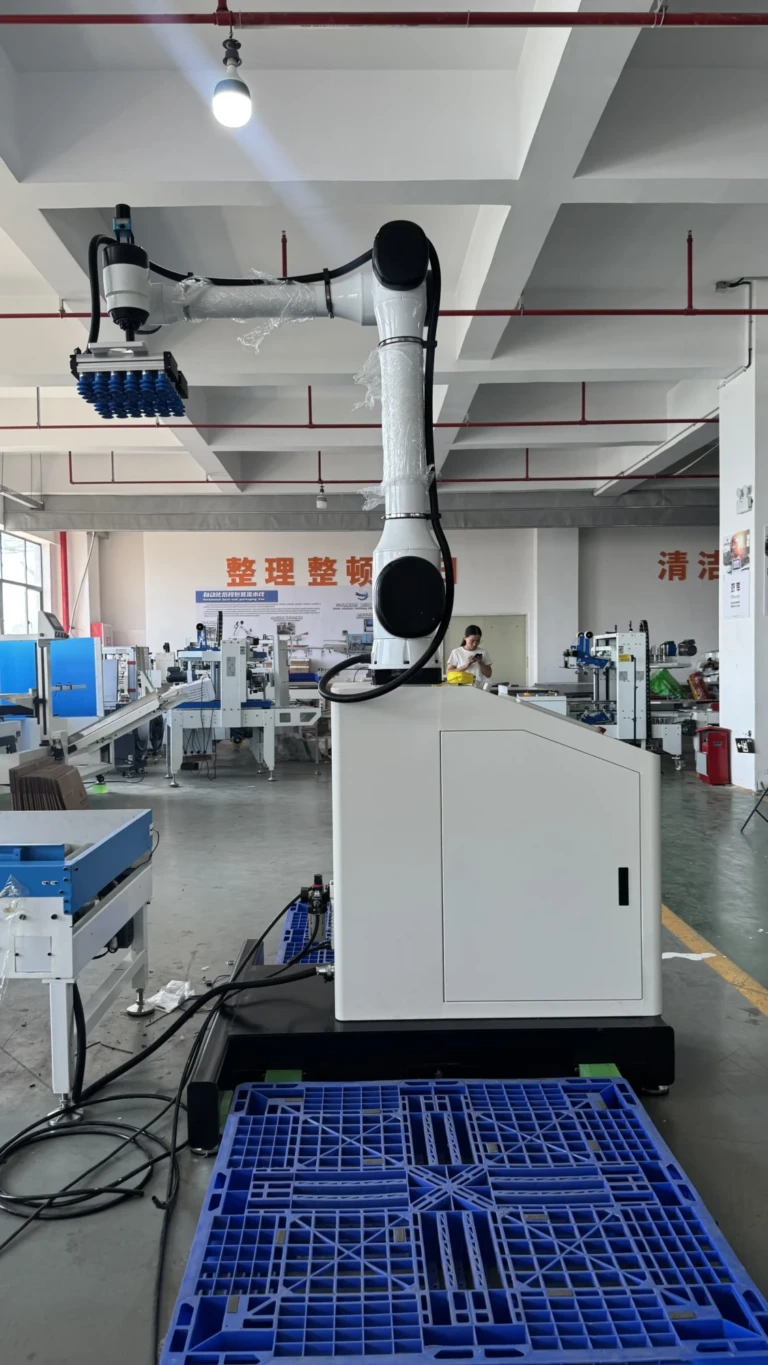
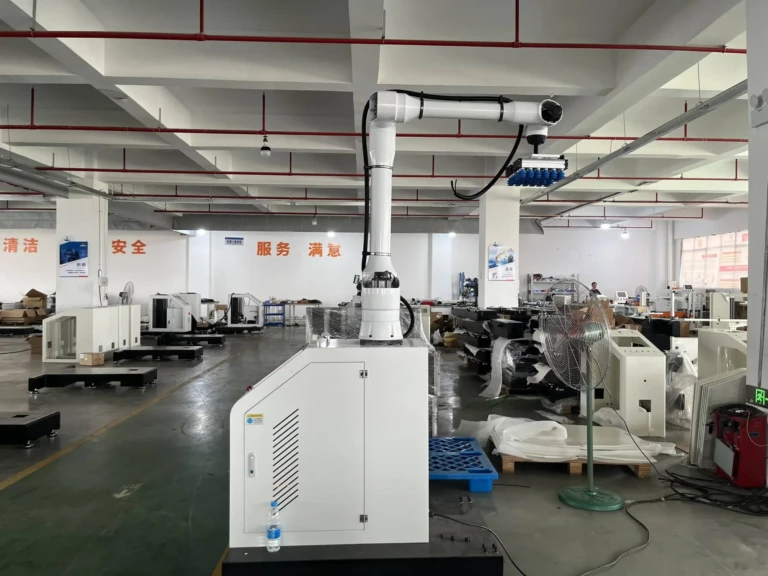
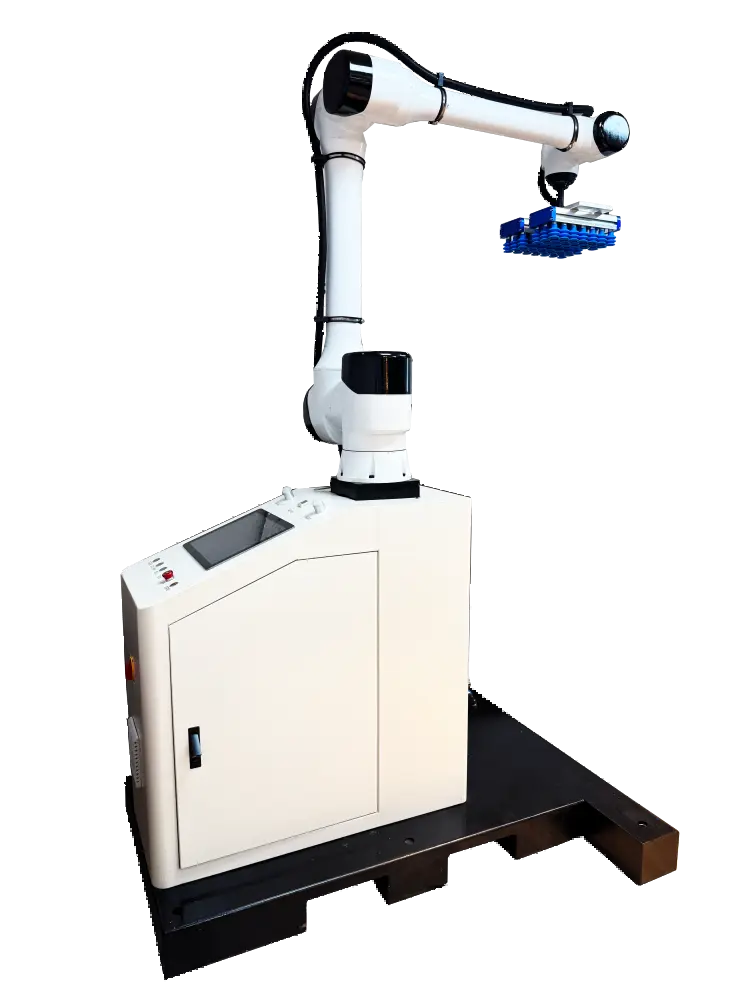
Collaborative Palletizing Robots
- Key Features: Human-robot collaboration (Cobot) technology allows safe operation alongside workers without safety cages. Integrated vision systems adapt to irregularly shaped items.
- Payload: 5–20 kg, ideal for light-to-medium applications (e.g., food, pharmaceuticals).
- Unique Advantage: Rapid deployment—no facility redesign needed.
-
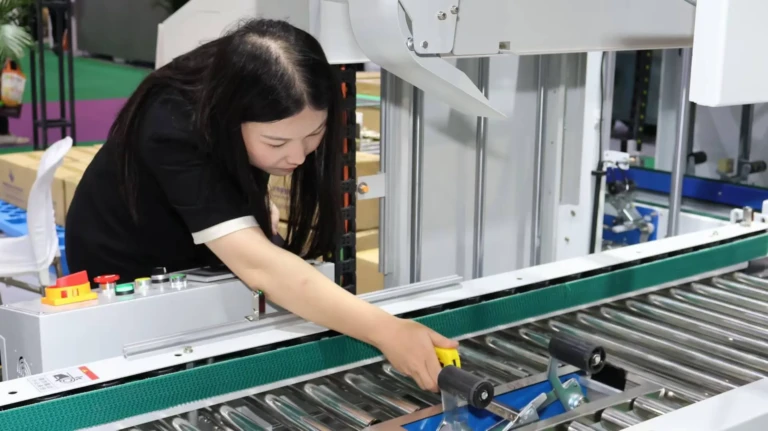
Automatic Unpacking & Sealing Robots
- Process Synergy: These systems automatically open incoming cartons, feed products to the palletizer, then seal and label finished pallets.
- Innovation Spotlight: AI-driven defect detection rejects damaged boxes before sealing.
-
Pallet-Forming & Stabilization Systems
- Pallet Forming Robots: Automatically assemble and position pallets, eliminating manual handling.
- Strapping & Stretch Film Robots: Apply straps or stretch film with tension precision, reducing load shifts during transit. Huaxiu’s fully automatic stretch film wrappers use predictive algorithms to optimize film usage, cutting material costs by up to 15%.
- Shrink Packaging Robots
- Designed for temperature-sensitive or fragile goods, these systems apply heat-activated shrink film for tamper-proof security.
What Sets Huaxiu Apart? Differentiation in a Crowded Market
- Modular Design: Systems integrate seamlessly with existing machinery via PLC/API interfaces, avoiding "rip-and-replace" overhauls.
- Hyper-Customization: Solutions tailored for niche industries—e.g., anti-corrosive robots for chemical plants or IP69K-rated models for washdown environments.
- Data-Driven Optimization: Built-in IoT sensors collect real-time data on cycle times, energy use, and maintenance needs, enabling predictive upkeep.
- Cost Efficiency: Localized R&D and manufacturing in Shenzhen reduce lead times and pricing by 20–40% vs. imported alternatives.
How to Choose the Right Palletizing System: 5 Critical Factors
Selecting a robot isn’t just about specs—it’s about alignment with operational needs:
- Payload & Speed: Match robot capacity to product weight and required cycles/hour.
- Footprint: Cobots excel in tight spaces; heavy-duty gantry systems need more room.
- Product Variability: For mixed-SKU facilities, prioritize vision-guided flexibility.
- Integration Complexity: Seek vendors offering turnkey installation and training.
- Total Cost of Ownership: Factor in energy consumption, maintenance contracts, and scalability.
The Future of Palletizing in China: Trends to Watch
- AI-Powered Adaptive Learning: Robots that self-optimize stacking patterns based on historical data.
- Sustainable Operations: Energy recovery systems and biodegradable film compatibility.
- Cloud Robotics: Remote monitoring/updates via 5G-enabled edge computing.
- Expansion into SMEs: Simplified, lease-to-own models making automation accessible to smaller factories.
Conclusion: Embracing Automation for Competitive Resilience
China’s robotic palletizing sector isn’t just keeping pace with global standards—it’s setting them. Companies like Huaxiu Robot exemplify this progress, blending innovation, affordability, and adaptability to empower manufacturers in an era of supply chain complexity. Whether you’re automating your first production line or upgrading legacy systems, the key lies in partnering with vendors who prioritize scalability and long-term support. The future of manufacturing is automated, and with China’s solutions, that future is within reach today.
FAQs: Robotic Palletizing Solutions Demystified
Q1: How much do Huaxiu’s palletizing robots cost?
Prices vary by configuration, starting at ~$25,000 for collaborative models and reaching $150,000+ for high-speed fully integrated cells. Leasing and financing options are available.
Q2: Can these robots handle fragile or irregularly shaped items?
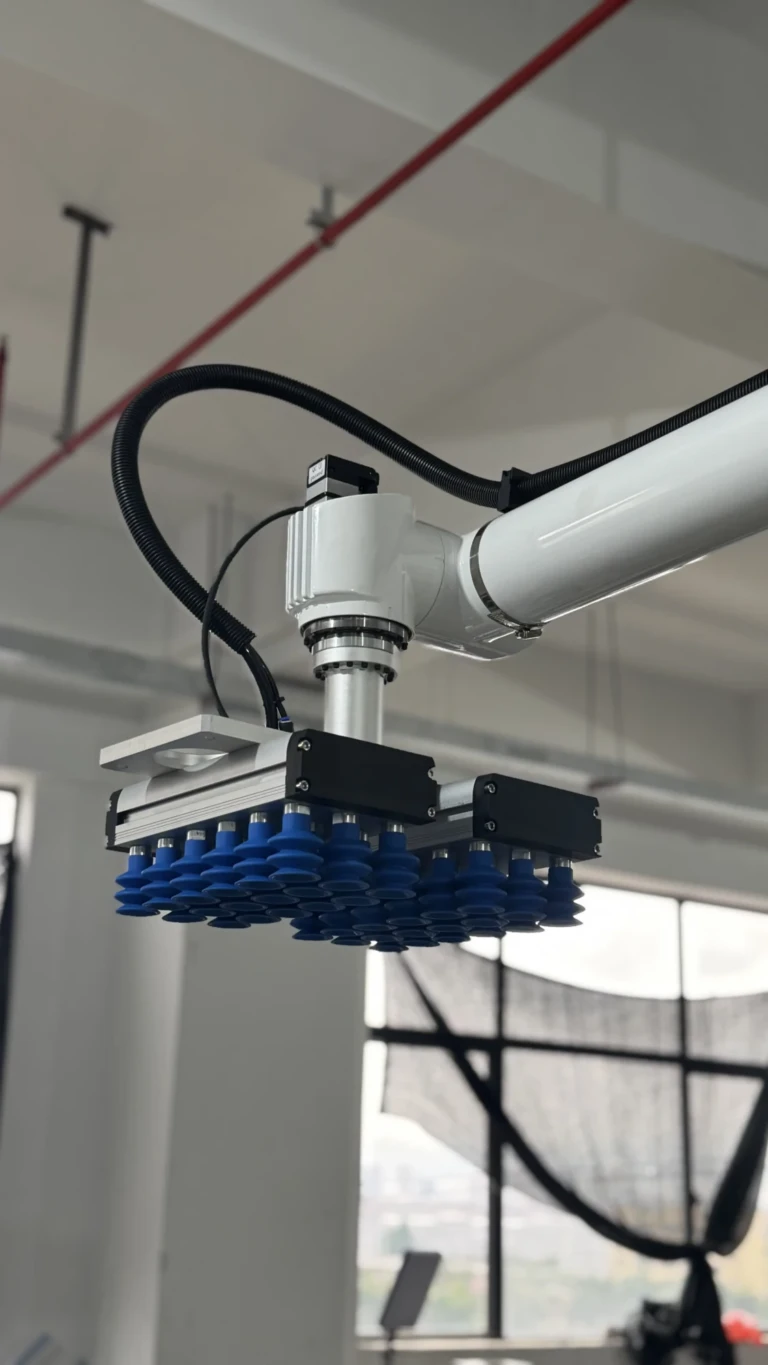
Yes. Vision-guided robots with soft grippers or vacuum cups safely manage bottles, bags, amorphous items, and even glass.
Q3: What’s the typical installation timeline?
Standard systems deploy in 2–4 weeks, while customized solutions may take 8–12 weeks. Huaxiu offers on-site commissioning and operator training.
Q4: Are robotic palletizers safe to work alongside humans?
Absolutely. Collaborative models (like Huaxiu’s cobots) feature force-limiting sensors and emergency stop functions, complying with ISO/TS 15066 safety standards.
Q5: How do I justify the investment to stakeholders?
Focus on ROI metrics: labor cost reduction, throughput increases (up to 300%), error minimization, and worker injury prevention. Most clients break even within 18 months.
Q6: Do Huaxiu robots support integration with Warehouse Management Systems (WMS)?
Yes, via OPC UA or MQTT protocols, enabling real-time data exchange for inventory tracking and predictive analytics.
Final Thought: In the race toward Industry 4.0, robotic palletizing isn’t a luxury—it’s the backbone of efficient, resilient production. With Chinese innovators leading the charge, businesses worldwide can harness automation to thrive in an unpredictable industrial landscape.