The Evolution of Warehousing: How Robotic Palletizers Are Revolutionizing Sortation Efficiency
In today’s fast-paced logistics landscape, efficiency isn’t just a goal—it’s a necessity. As supply chains grow more complex and consumer demands escalate, businesses are turning to automation to stay competitive. At the heart of this transformation are robotic palletizers: intelligent machines designed to streamline the palletizing process while dramatically improving sortation accuracy, speed, and flexibility. In this article, we’ll explore how these systems are redefining warehouse operations, with a focus on the critical role of "sortation efficiency."
The Challenge of Manual and Semi-Automated Palletizing
Traditional palletizing—whether manual or semi-automated—often struggles with four key issues:
- Human Error: Misplaced items, incorrect layer patterns, and pallet instability.
- Speed Limitations: Manual labor can’t match the relentless pace of modern production lines.
- Safety Risks: Repetitive heavy lifting leads to workplace injuries and downtime.
- Inflexibility: Adjusting to new product shapes, weights, or pallet configurations slows workflows.
These inefficiencies cascade into downstream problems: delayed shipments, damaged goods, and higher operational costs.
Enter Robotic Palletizers: Precision Meets Productivity
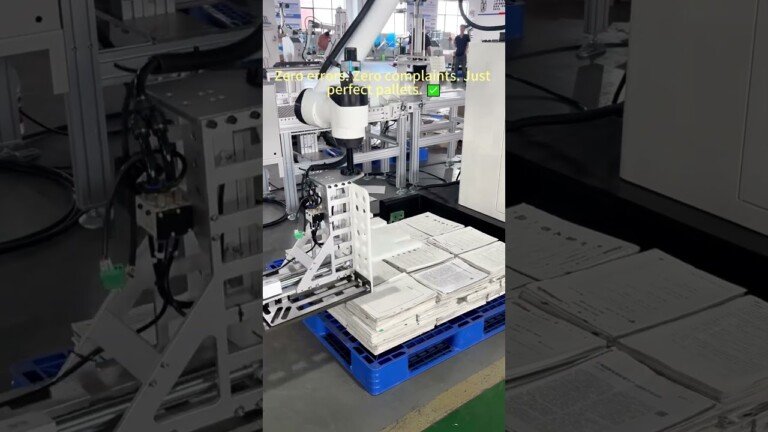
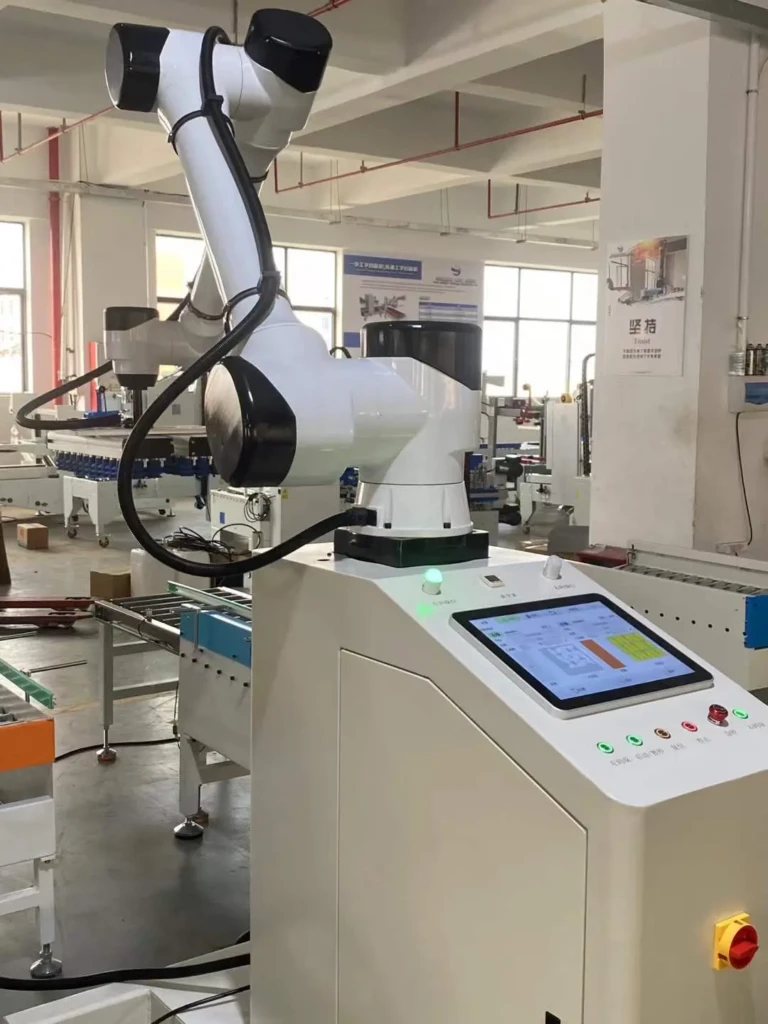
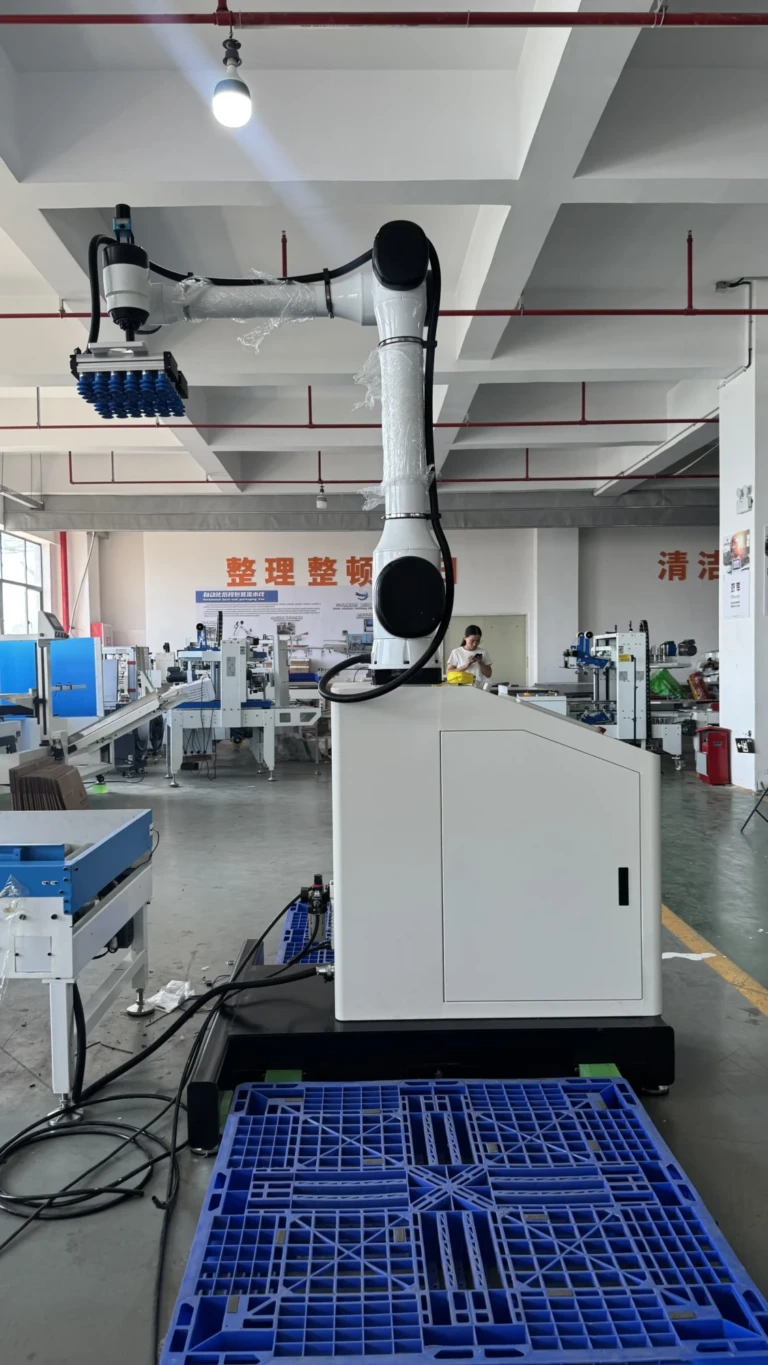
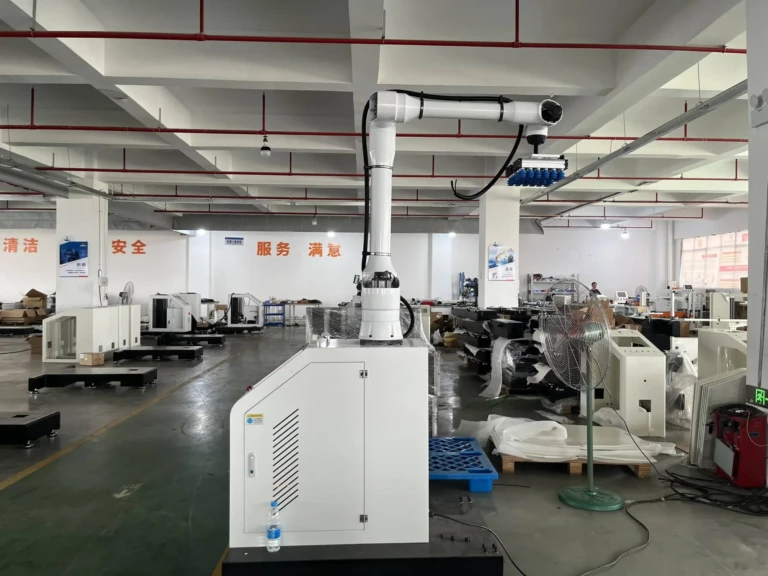
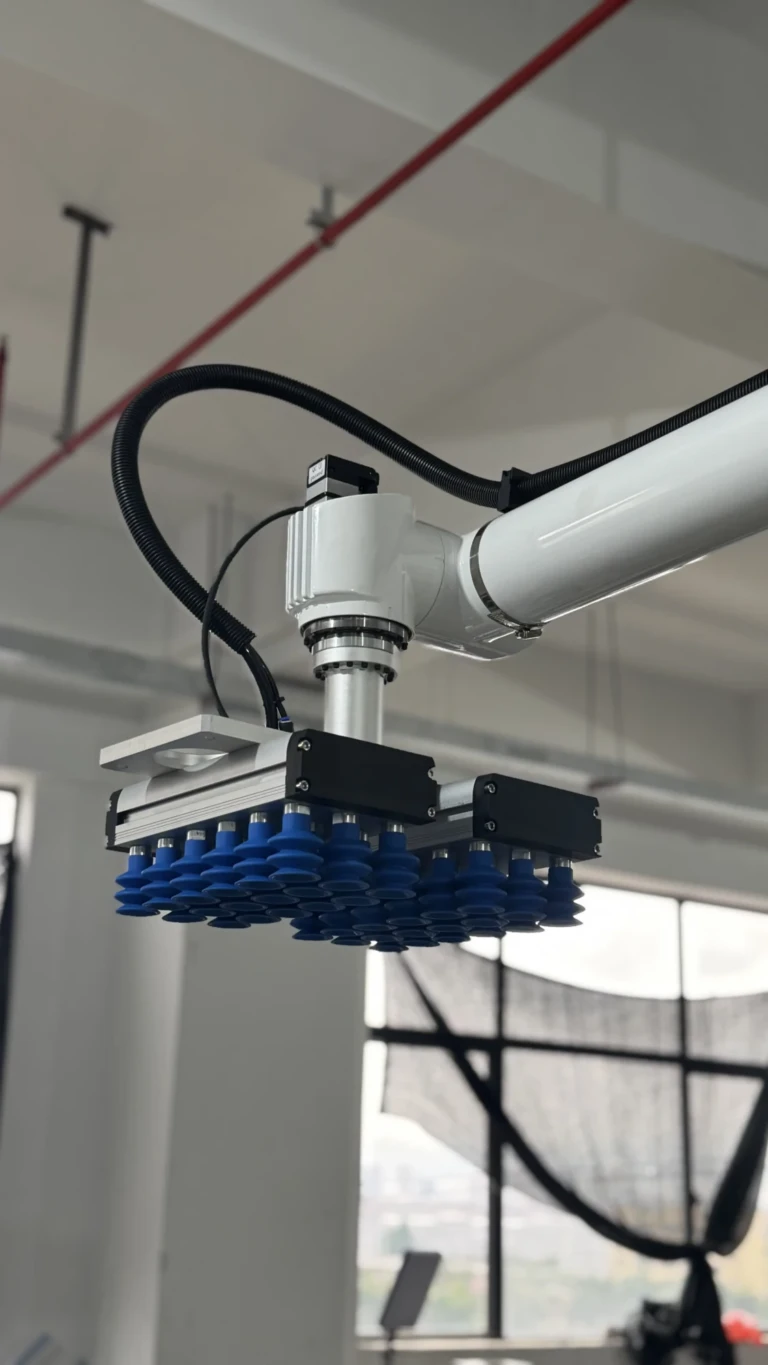
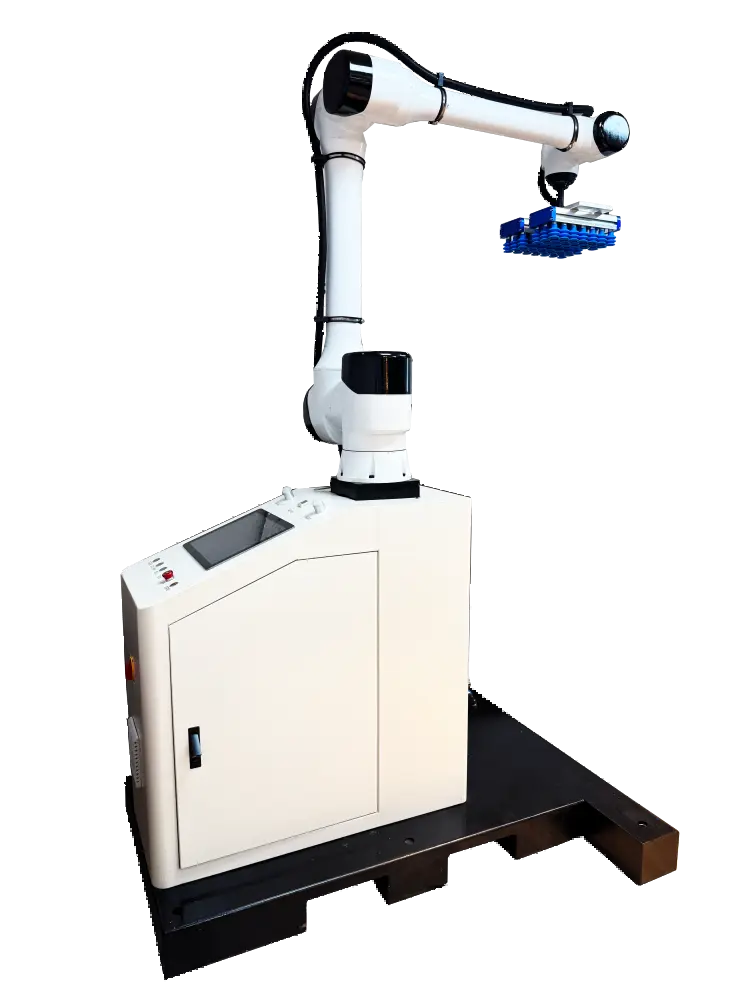
Robotic palletizers automate the stacking of boxes, bags, cartons, or irregularly shaped items onto pallets in predefined patterns. Unlike fixed automation systems, advanced robotic solutions (like Huaxiu Robot’s collaborative palletizing robots) leverage AI, machine vision, and adaptive grippers to handle diverse products without retooling.
How Sortation Efficiency Is Achieved:
- Intelligent Item Recognition:
- Machine vision systems scan items in real-time, identifying dimensions, weight distribution, and orientation.
- For example, Huaxiu’s pallet-forming robots use 3D cameras and machine learning to classify products, even in mixed-SKU environments.
- Dynamic Pattern Optimization:
- Algorithms calculate the optimal stacking sequence to maximize pallet stability and space utilization.
- This minimizes wasted vertical or horizontal space—critical for reducing shipping costs.
- Seamless Integration with Upstream/Downstream Systems:
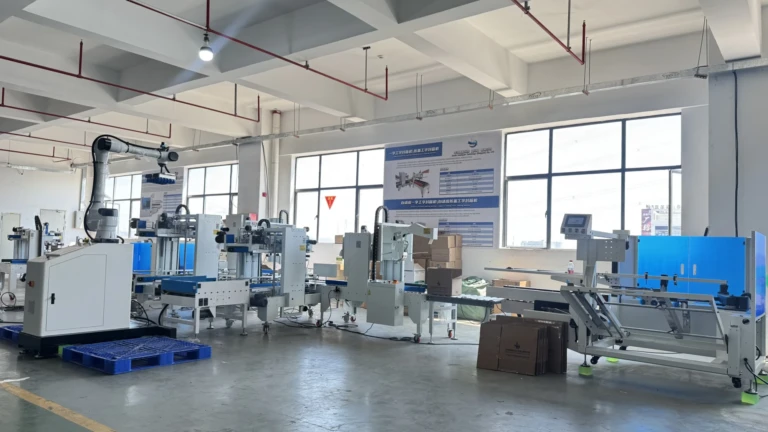
- Robotic palletizers sync with conveyors, wrappers (like stretch film or shrink packaging robots), and warehouse management software (WMS) for end-to-end traceability.
The Metrics That Matter: Quantifying Sortation Gains
When evaluating robotic palletizing systems, sortation efficiency is measured by:
- Cases Per Hour (CPH): Modern robots achieve 1,500+ CPH, outperforming manual labor by 300–500%.
- Error Rate: AI-driven systems reduce mis-picks to <0.1%, compared to 2–5% in manual operations.
- Changeover Time: Huaxiu’s collaborative robots switch between tasks in minutes versus hours for mechanical reconfiguration.
- ROI: Most businesses recoup costs in 12–18 months through labor savings, reduced product damage, and higher throughput.
Real-World Example:
A food and beverage company using Huaxiu’s automated stretch film robots reported a 40% increase in palletizing speed and a 90% reduction in load collapses during transit.
Beyond Speed: Flexible Automation for Modern Needs
Today’s warehouses need agility as much as speed. Leading robotic palletizers address this with:
- Mixed-Case Palletizing: Building stable pallets from assorted box sizes (e.g., e-commerce orders).
- Collaborative Workflows: Cobots like Huaxiu’s collaborative palletizers work alongside humans without safety cages.
- Sustainability: Optimized patterns reduce plastic wrap usage (via precise strapping or shrink packaging robots).
Choosing the Right System: Key Considerations
Not all robotic palletizers are equal. When selecting a solution, consider:
- Payload Capacity: Ranges from 5 kg (for lightweight electronics) to 2,000 kg (for bulk bags).
- Gripper Technology: Vacuum, mechanical, or hybrid grippers for fragile or irregular items.
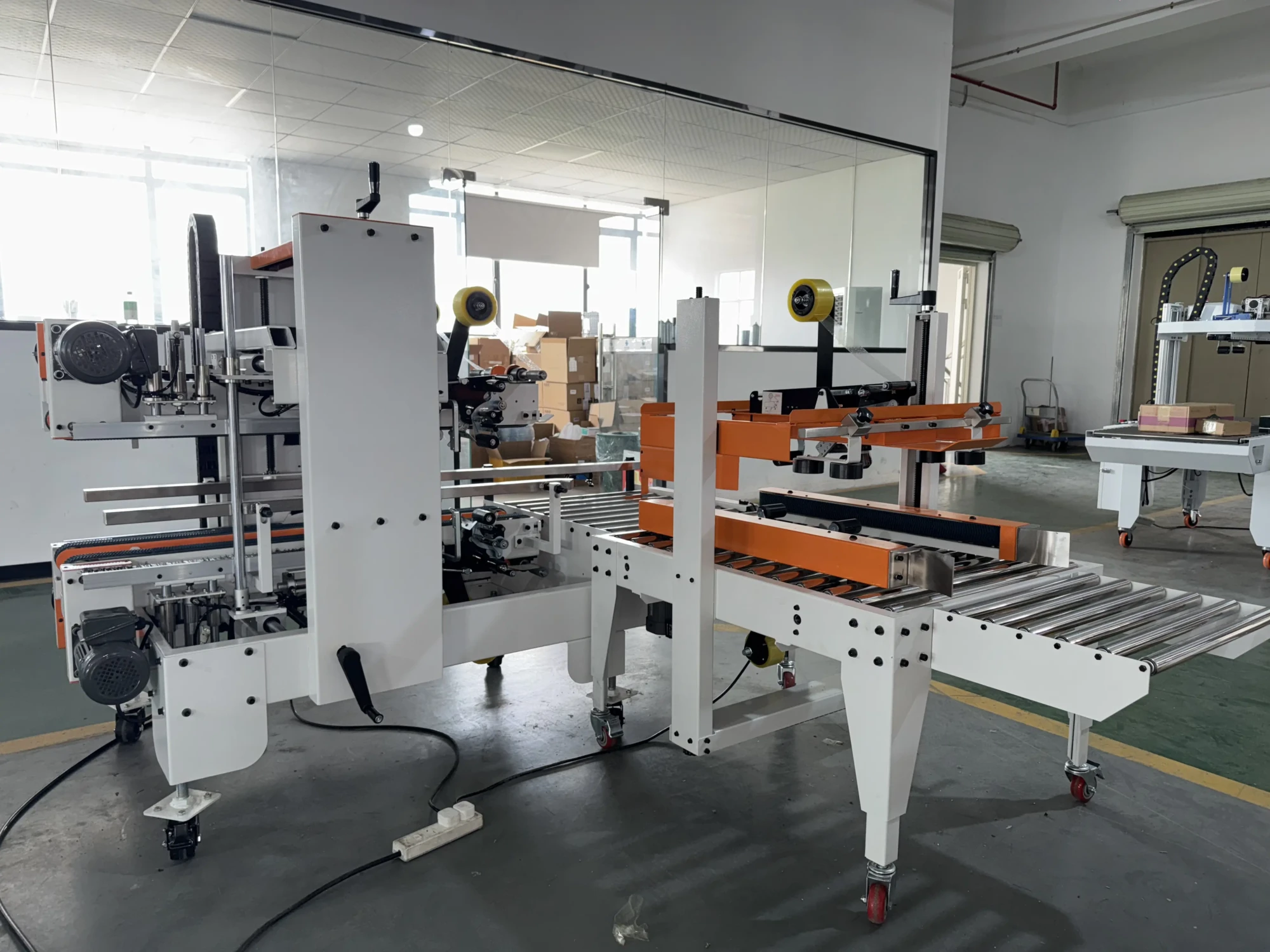
- Integration Depth: Ensure compatibility with sealers (automatic sealing robots), labelers, and WMS.
- Scalability: Modular systems allow for future expansion (e.g., adding automatic unpacking robots).
Huaxiu Robot, for instance, offers a full ecosystem—from semi-automatic sealing robots to fully automated strapping systems—enabling businesses to scale without compatibility hiccups.
The Future: AI-Driven Predictive Palletizing
Emerging trends are pushing sortation efficiency further:
- Predictive Analytics: Algorithms forecast demand shifts and adjust pallet patterns proactively.
- Autonomous Mobile Palletizers (AMPs): Mobile robots that palletize goods directly at production lines.
- Blockchain Integration: Immutable records of pallet histories for compliance and recall management.
Conclusion
Robotic palletizers are no longer a luxury—they’re essential for businesses aiming to thrive in an era of razor-thin margins and same-day delivery expectations. By prioritizing sortation efficiency, companies can achieve:
- Faster order fulfillment
- Lower operational costs
- Enhanced workplace safety
- Scalable growth
Brands like Huaxiu Robot are at the forefront, offering end-to-end solutions that turn palletizing from a bottleneck into a competitive advantage. Whether you’re palletizing boxes, bags, or shrink-wrapped bundles, the future of logistics is automated, adaptive, and intelligent.
FAQs: Robotic Palletizers and Sortation Efficiency
Q1: How much floor space do robotic palletizers require?
A: Compact models like Huaxiu’s collaborative palletizers fit into tight spaces, while high-capacity systems may need 20–50 sqm. Layout optimization tools can minimize footprints.
Q2: Are these systems suitable for small businesses?
A: Yes. Semi-automatic sealing robots or modular pallet-forming robots allow gradual adoption. ROI-focused models cater to SMEs.
Q3: Can robotic palletizers handle fragile or irregular items?
A: Absolutely. Adaptive grippers and vision systems safely manage glass bottles, pouches, or amorphous items like stuffed toys.
Q4: What industries benefit most from robotic palletizing?
A: Food & beverage, pharmaceuticals, e-commerce, and manufacturing—especially those with high SKU variability or seasonal demand spikes.
Q5: How is maintenance managed?
A: Most systems include remote diagnostics and self-calibration. Huaxiu’s fully automatic stretch film robots, for example, alert users to wear-and-tear via IoT sensors.
Q6: Do these robots integrate with existing warehouse software?
A: Yes. APIs allow plug-and-play connectivity with WMS like SAP, Oracle, or custom ERP systems.
For tailored solutions, consult automation specialists to match your workflow needs with the right palletizing technology.
Innovation in automation is accelerating—stay ahead by embracing systems that don’t just keep up but redefine what’s possible.