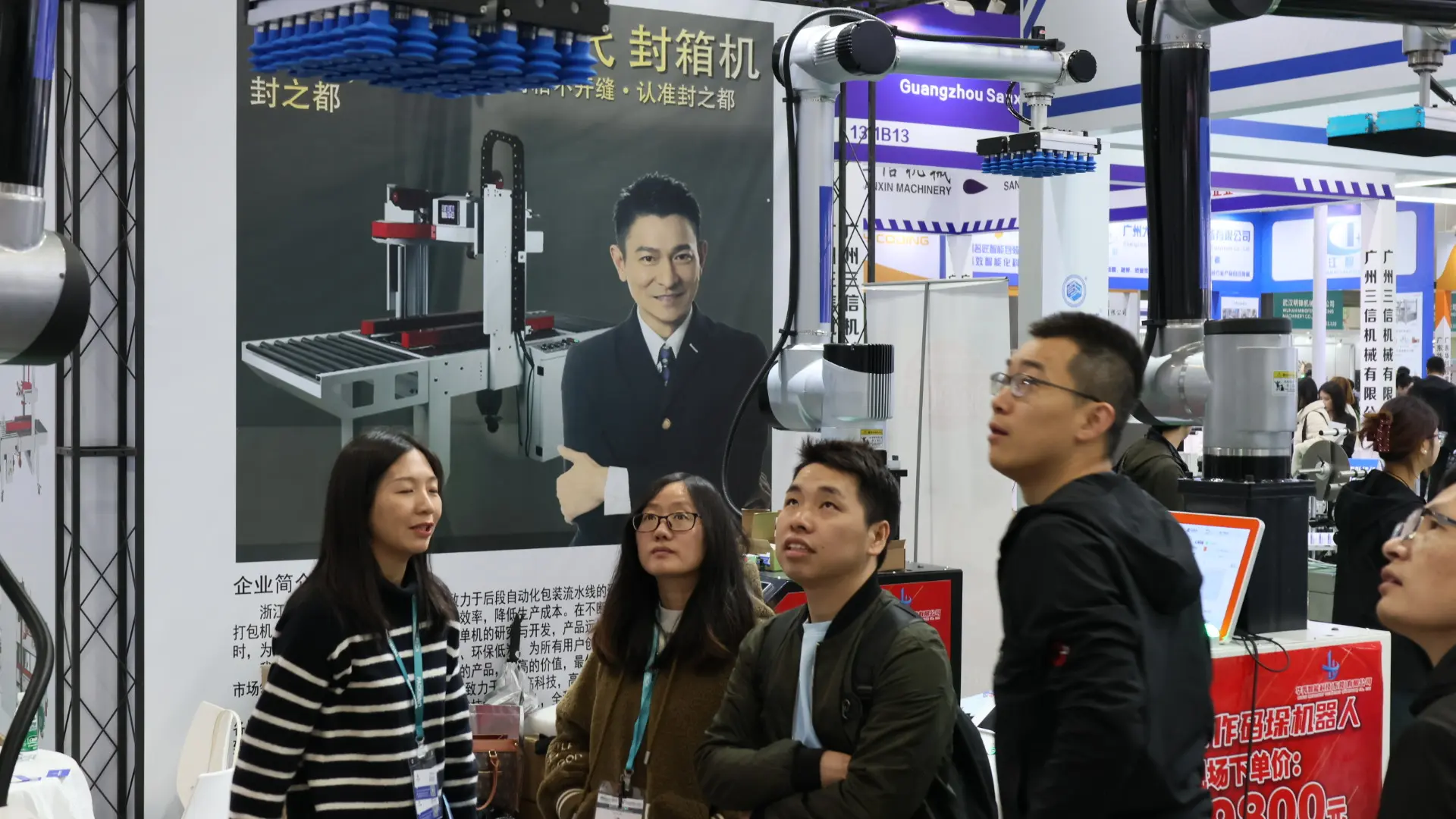
Introduction: The Unseen Labor Revolution in Warehouses
Every minute, warehouses worldwide move thousands of bags—50-pound feed sacks, 25-pound chemical containers, 40-pound fertilizer packages—onto pallets. For decades, this backbreaking labor relied on human workers, leading to fatigue, injury, and inconsistent output. Today, a new wave of automation is changing the game: affordable palletizing robots that deliver factory-direct pricing without compromising performance. These systems aren’t just a luxury for Fortune 500 companies; they’re a scalable reality for small to mid-sized operations ready to boost efficiency, cut costs, and reclaim floor space.
Why Bag Palletizing Demands Precision Automation
Bag palletizing is uniquely challenging. Unlike rigid boxes, bags shift, sag, and settle unevenly during handling. Human workers adjust instinctively, but physical strain leads to slower speeds and higher error rates over time. Robotic palletizers eliminate these inconsistencies with:
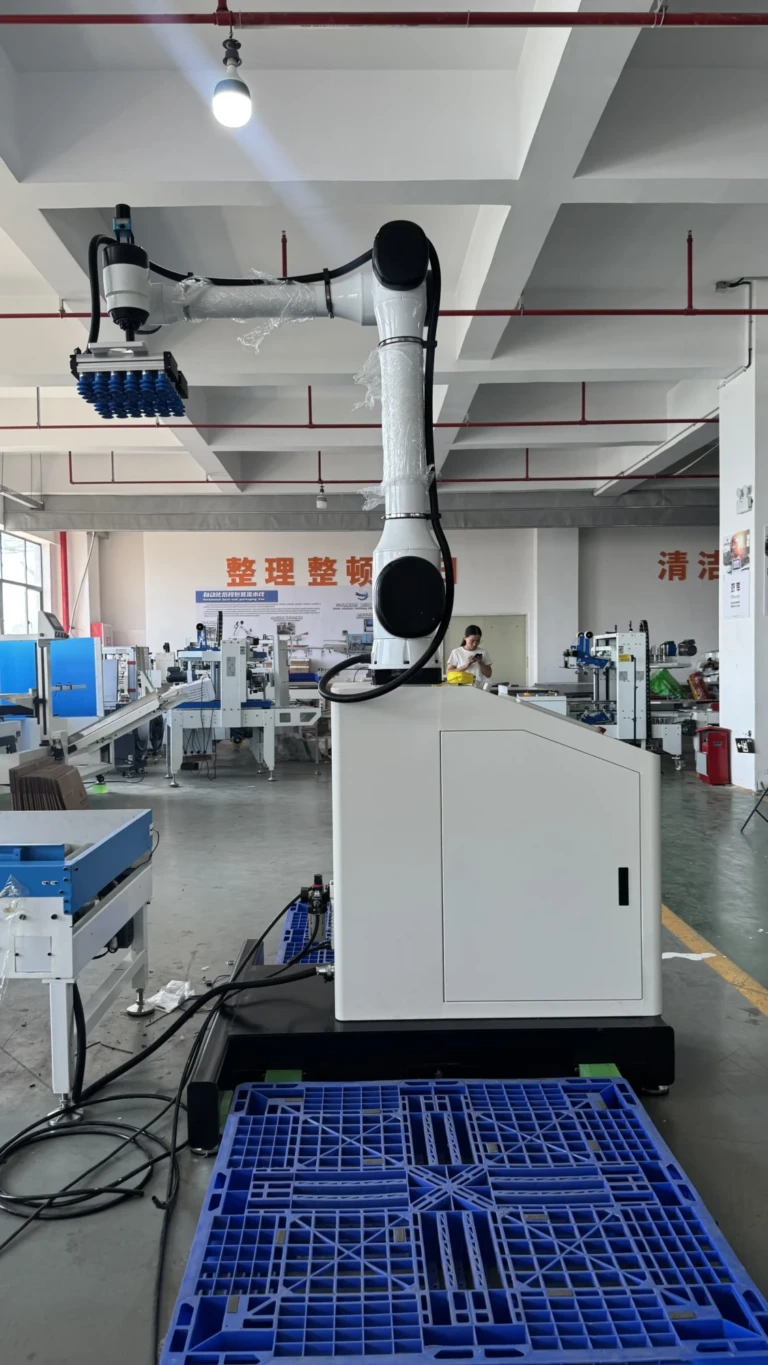
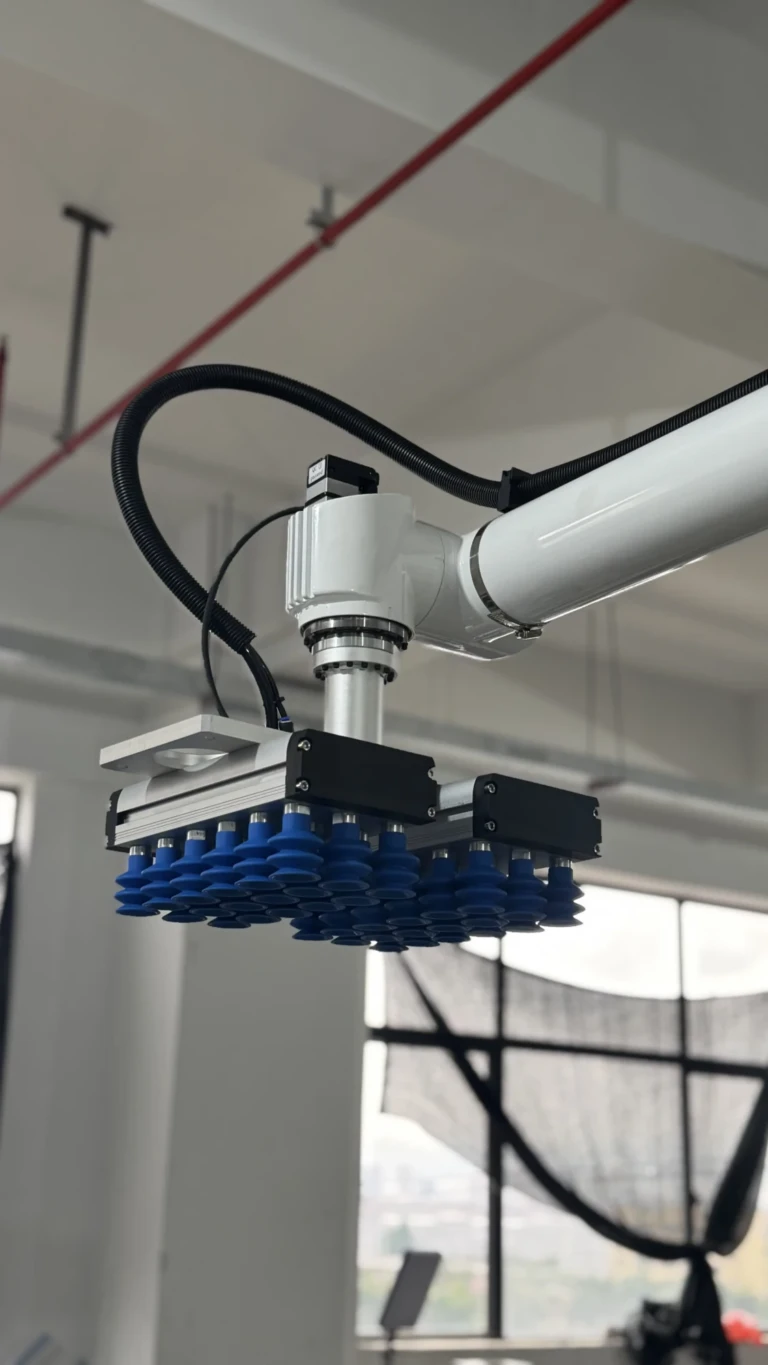
- Adaptive Gripping Technology: Vacuum, hydraulic claws, or hybrid end-effectors handle polywoven, laminated, or burlap materials without tearing.
- 3D Vision Systems: Real-time scanning adjusts placement for irregular stack patterns (e.g., brick-layer or pinwheel configurations).
- Force-Torque Sensors: Detect bag orientation and weight distribution to prevent collapses mid-stack.
For industries like agriculture, chemicals, and construction materials—where bagged goods dominate—automation isn’t optional; it’s survival.
Huaxiu Robots: Factory-Priced Automation Without Compromise
Huaxiu Robot disrupts the robotics market by cutting out intermediaries. As a direct manufacturer, they deliver industrial-grade palletizing solutions at 30–50% below typical integrator quotes. Their flagship bag-handling systems include:
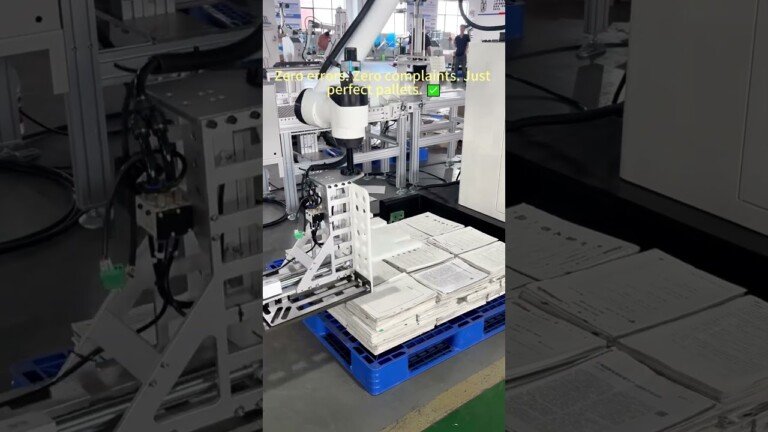
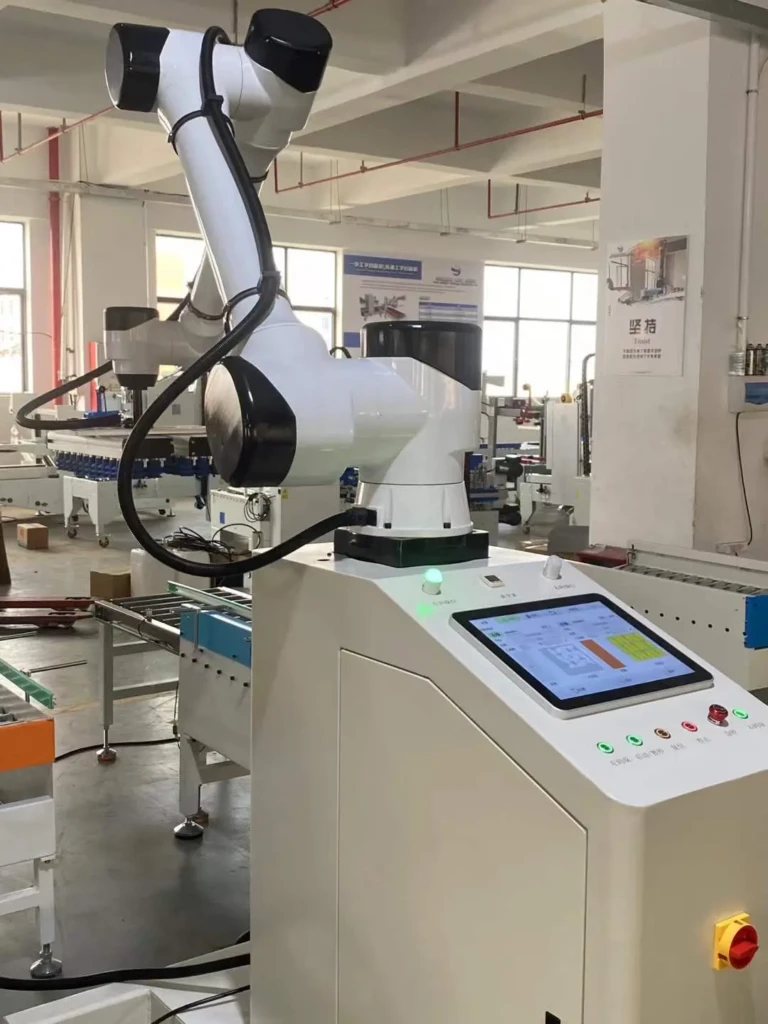
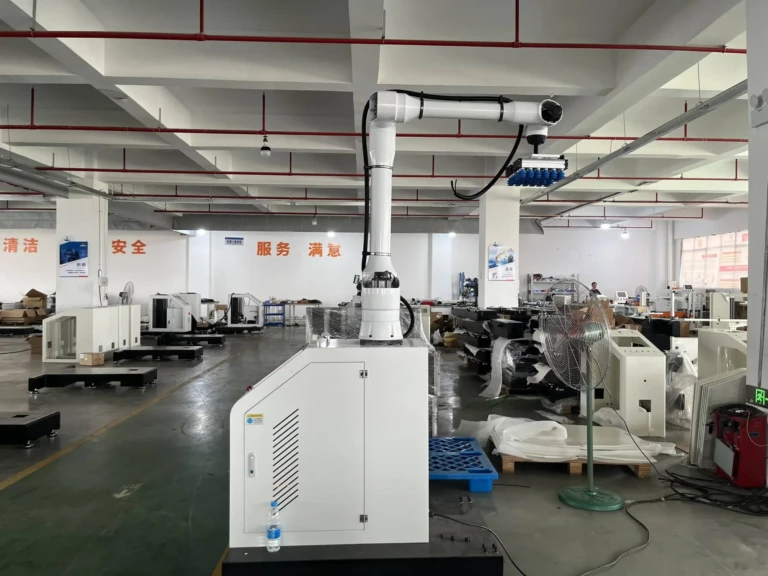
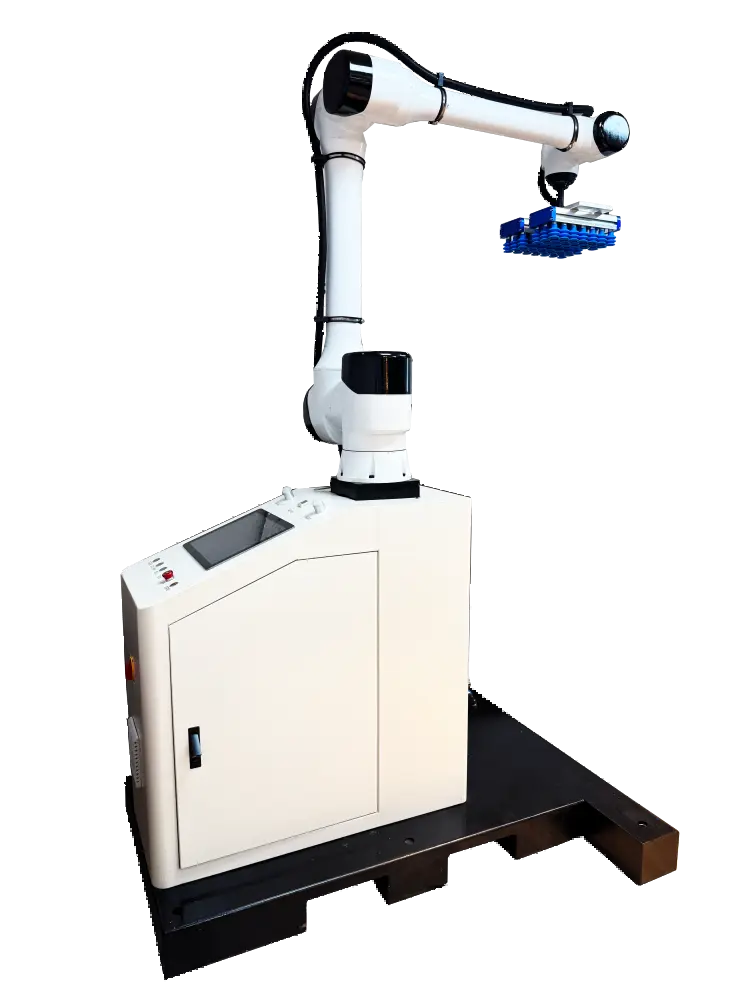
1. Collaborative Palletizing Robots (Cobots)
- Payload: 5–35 kg (ideal for 10–50 lb bags).
- Cycle Time: 12–15 cycles/minute.
- Key Feature: No safety cages needed. Operators work alongside cobots for mixed palletizing (e.g., combining 20 lb flour and 40 lb sugar bags on one pallet).
2. High-Speed Delta Robots
- Payload: 1–5 kg (small bags, pouches).
- Cycle Time: 60+ cycles/minute.
- Application: Ideal for food-grade production lines with hygene-certified (IP67) components.
3. Heavy-Duty 6-Axis Robotic Arms
- Payload: 100–300 kg (bulk bags, super sacks).
- Reach: 2.5–3.2 meters.
- Integration: Compatible with conveyor scales and automated bag placers.
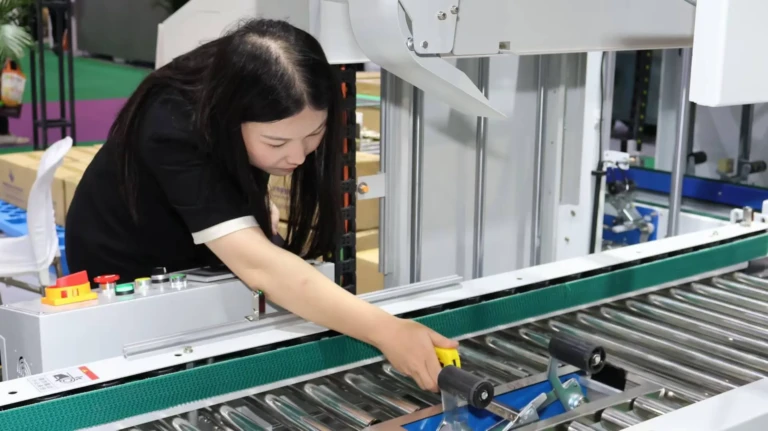
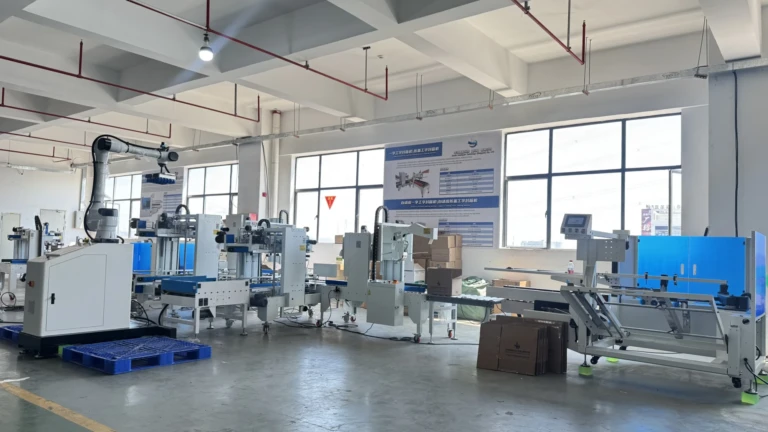
These systems sync with Huaxiu’s complementary automation suite: strappers, stretch wrappers, and tray formers—creating end-to-end palletizing cells.
The Cost-Savings Breakdown: ROI in 6–18 Months
A manual palletizing line requires 4–6 workers per shift to move 500 bags/hour. At $18/hour (including benefits), labor costs exceed $900/day. Comparatively:
- Huaxiu’s Cobot Palletizer: $37,000 (unit) + $8,500 (EOAT).
- Throughput: 800–1,000 bags/hour.
- ROI: Achieved in 9 months via labor reduction.
For high-volume plants, heavy-duty arms running 24/7 can process 40,000+ bags daily—equivalent to 16 human workers. Energy consumption? Just 6 kW/h.
Case Study: Fertilizer Producer Slumps Handling Costs by 64%
A Midwest U.S. fertilizer plant faced rampant worker turnover due to heavy bag handling. After deploying two Huaxiu 6-axis robots:
- Output: Rose from 400 to 1,100 bags/hour.
- Injuries: Zero reported in 18 months (previously 3–5/month).
- Savings: $276,000/year in labor, plus $44,000 in reduced product damage.
Conclusion: Automation Within Reach
Gone are the days when robotic palletizing demanded six-figure investments or yearlong integrations. With manufacturers like Huaxiu Robot offering modular, scalable systems at factory prices, SMEs can now automate without draining capital. Whether you’re stacking 10-pound pet food bags or 2,000-pound super sacks, the technology exists to streamline your line—today. The question isn’t "Can we afford robotics?" but "How much are we losing by waiting?"
FAQs: Bag Palletizing Robots Demystified
Q1: How do "factory prices" impact quality?
Huaxiu and similar direct manufacturers use standardized components (Yaskawa motors, Fanuc controllers) but avoid custom engineering fees. Systems are pre-configured for common bag sizes/materials—keeping costs low without sacrificing durability. Warranties (3–5 years) match premium brands.
Q2: What about maintenance costs?
Annual maintenance averages 4–7% of the robot’s cost—far below labor expenses. Huaxiu’s training programs enable in-house technicians to handle 80% of servicing.
Q3: Can these robots handle mixed SKU pallets?
Yes. Vision-guided systems identify bag labels/QR codes via integrated cameras, adjusting stacking patterns dynamically. Ideal for warehouses building custom orders.
Q4: What’s the installation timeline?
Pre-assembled cobots deploy in 2–3 days. Larger 6-axis systems require 7–10 days for foundation anchoring and conveyor synchronization.
Q5: Are refurbished/used robots a safe alternative?
Only if refurbished by OEMs. Third-party "bargain" bots often lack firmware updates or safety certifications, risking compliance violations.
Q6: How do I justify automation to leadership?
Frame ROI in three layers:
- Labor savings (60–70% reduction).
- Throughput gains (2–3× faster stacking).
- Worker retention (eliminating high-turnover roles).
Use Huaxiu’s free ROI calculator here.
Got questions we didn’t cover? Contact Huaxiu’s engineering team for a custom workflow analysis.