The Evolution of Automation: Why Hybrid Palletizers Are Reshaping Warehouses and Factories
In today’s fast-paced industrial landscape, efficiency, flexibility, and scalability are non-negotiable. As demand surges for faster order fulfillment and more customized product handling, traditional palletizing systems are struggling to keep up. Enter hybrid palletizers—a groundbreaking fusion of precision robotics and adaptable automation that’s rapidly becoming the linchpin of modern intralogistics.
What Are Hybrid Palletizers?
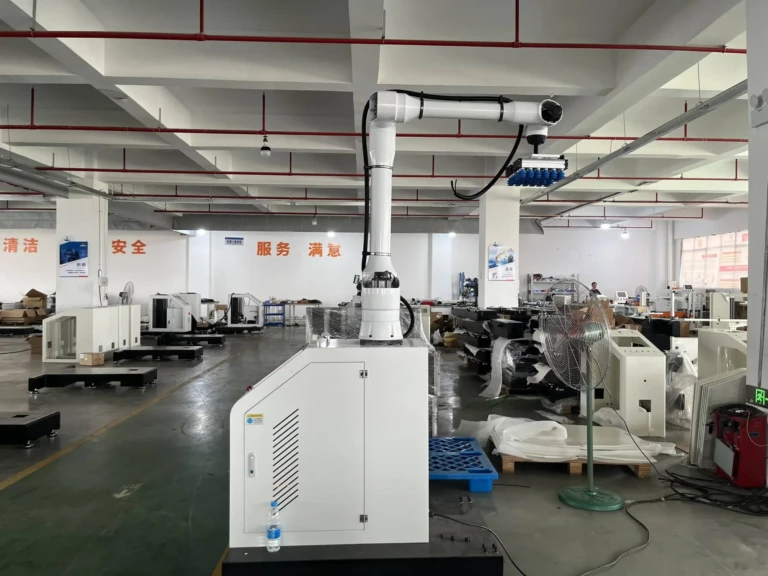
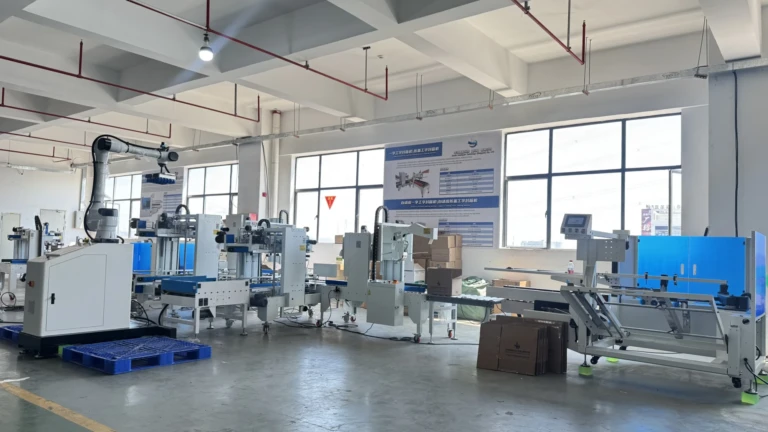
Hybrid palletizers combine the best of two worlds: the high-speed consistency of traditional automated systems (like robotic arms or gantry-based solutions) with the agility of collaborative robots (cobots) and AI-driven adaptability. Unlike single-technology systems, hybrids dynamically allocate tasks between components based on real-time needs. For example, a high-speed robot might handle bulk stacking of uniform cases, while a cobot intervenes to handle irregularly shaped items or last-minute pattern changes.
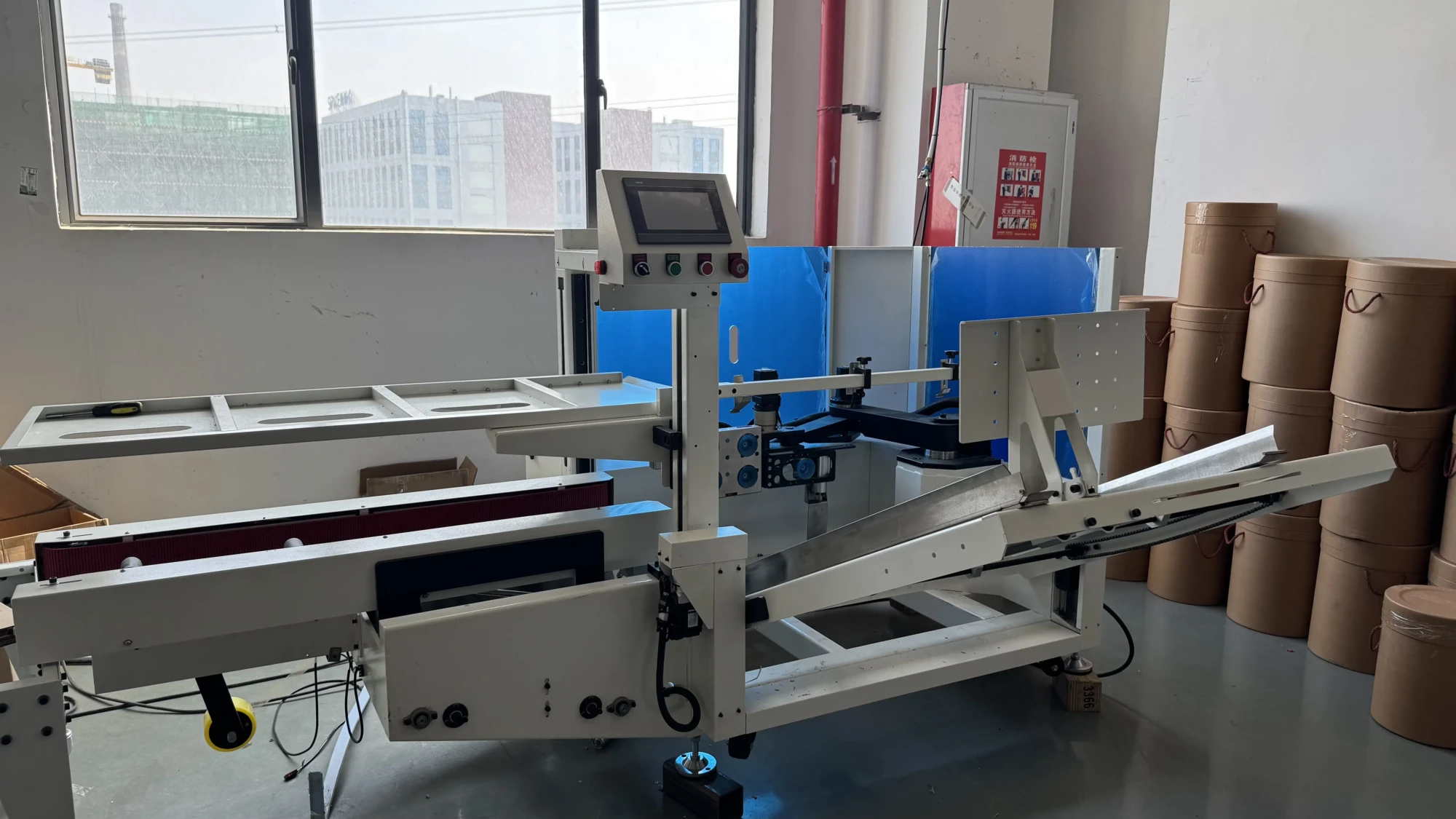
These systems leverage advanced software for predictive analytics, vision-guided positioning, and seamless integration with upstream/downstream equipment—such as Huaxiu Robot’s automatic unpacking, sealing, and stretch-film packaging robots—to create end-to-end automation with minimal human intervention.
Key Components Driving Hybrid Palletizer Innovation
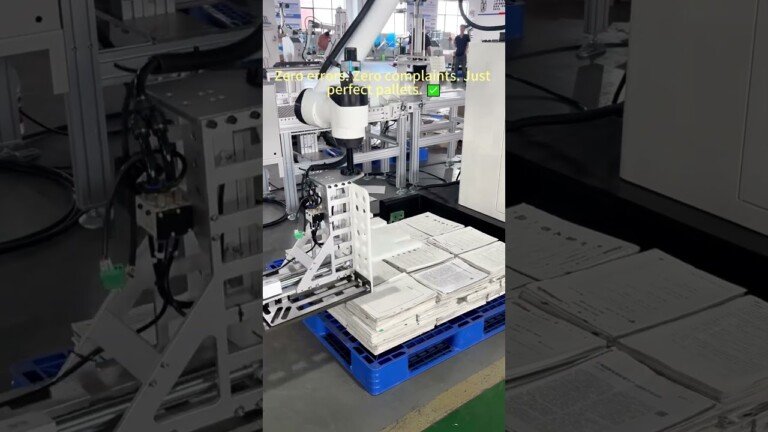
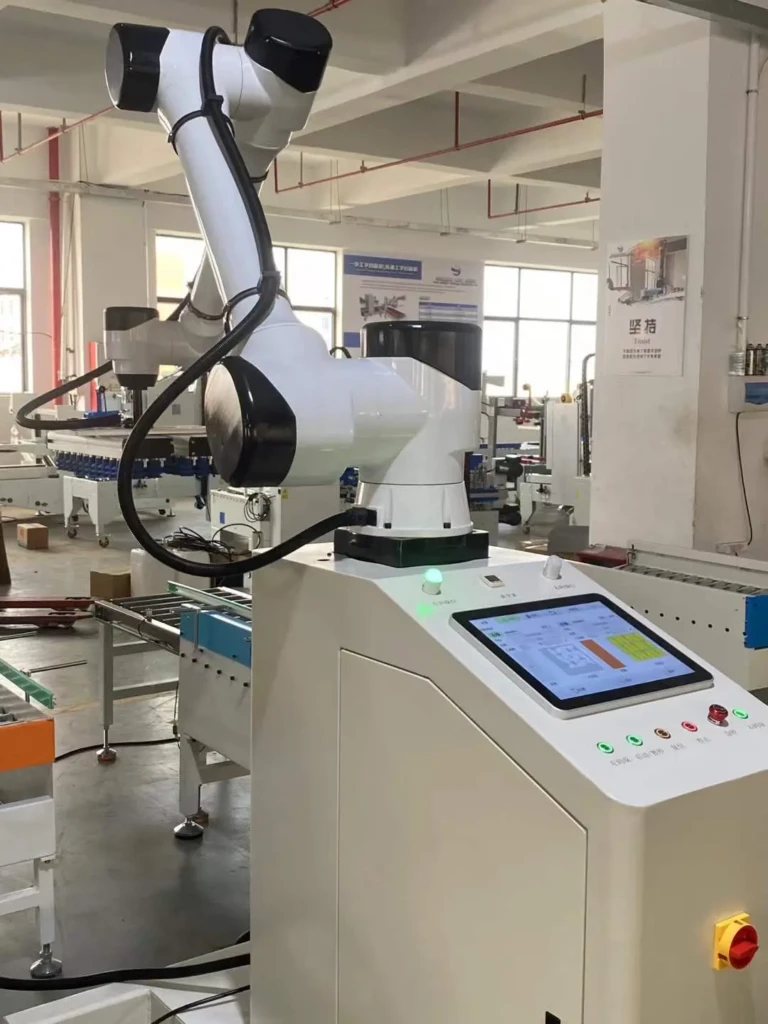
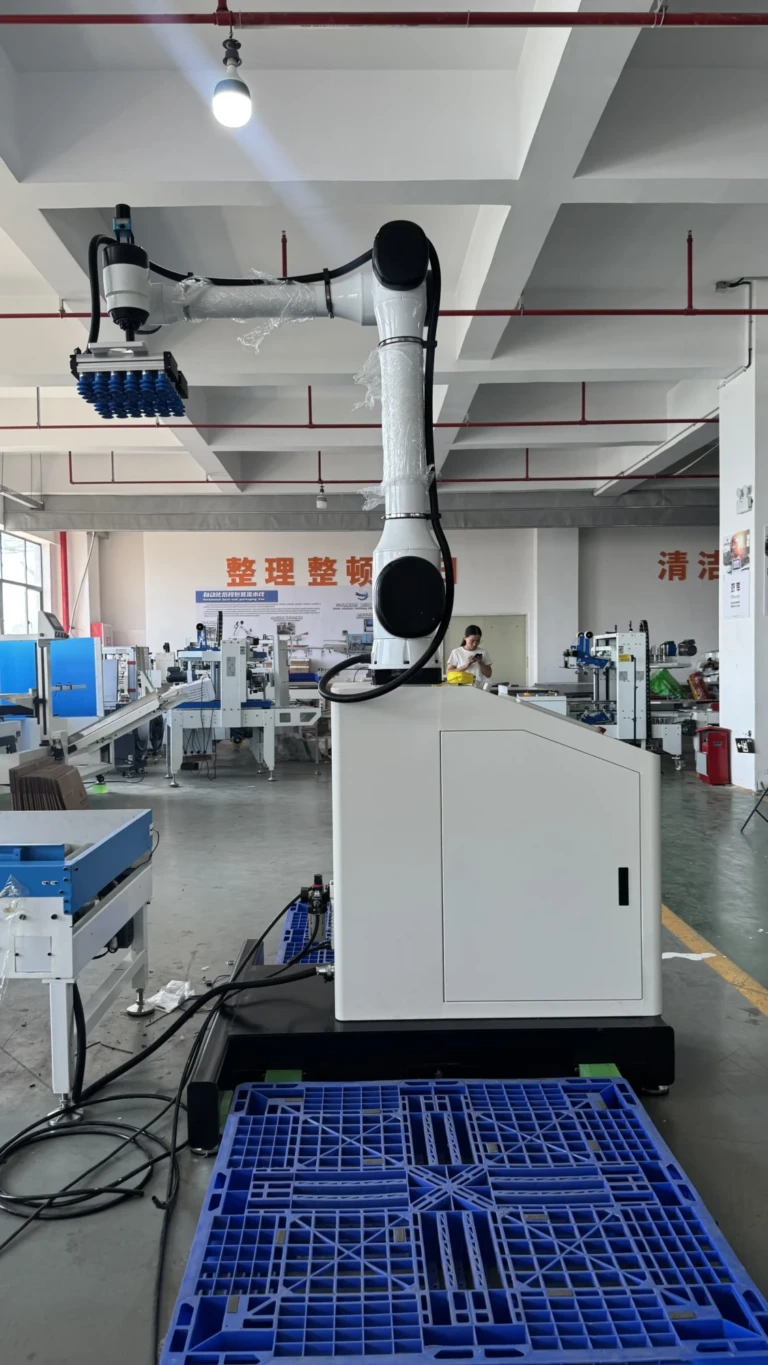
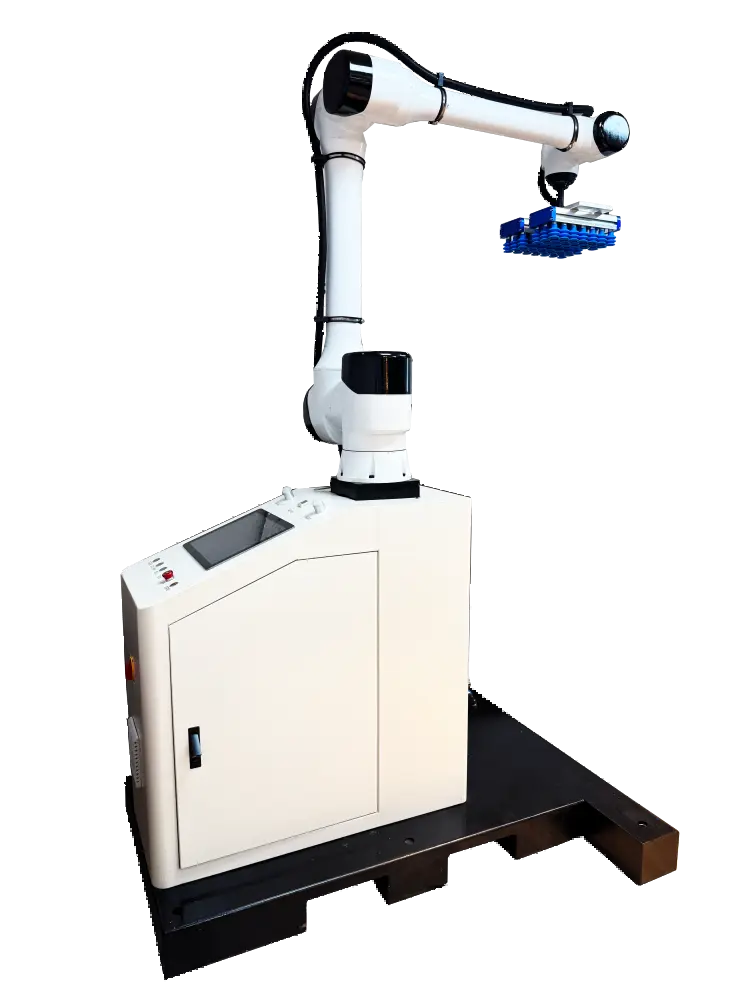
- Robotic Arms & Cobots: High-payload arms provide brute-force stacking power, while cobots (like Huaxiu’s collaborative palletizing robots) enable safe human-robot collaboration for complex or fragile items.
- Vision Systems: AI-powered cameras scan incoming products to identify size, shape, and orientation, enabling real-time adjustments to pallet patterns.
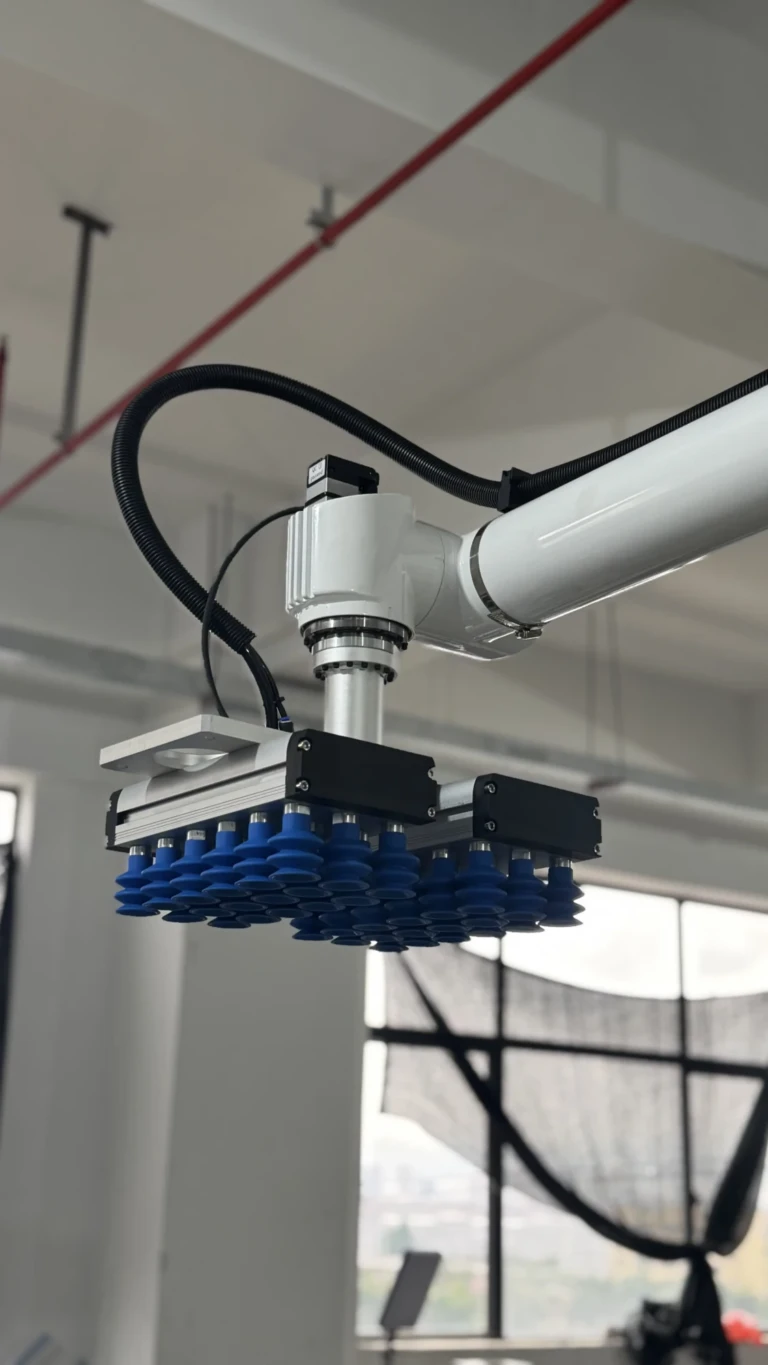
- Adaptive Grippers: Switchable end-effectors handle everything from boxes and bags to shrink-wrapped bundles without downtime.
- Integrated Software: Centralized control systems optimize workflows, predict maintenance needs, and sync with warehouse management systems (WMS).
Why Hybrid Systems Outperform Traditional Automation
- Flexibility: Handle mixed SKUs, variable case sizes, and frequent product changeovers—critical for e-commerce and CPG industries.
- Efficiency: Cobots manage exceptions (e.g., damaged boxes) while primary robots maintain peak throughput, eliminating bottlenecks.
- Space Optimization: Compact designs like Huaxiu’s pallet-forming robots minimize floor space versus bulky conveyor-based lines.
- ROI Acceleration: Reduced labor costs, fewer errors, and 24/7 operation pay back investments faster than single-mode systems.
A Case in Point: A beverage manufacturer using Huaxiu’s hybrid solution achieved a 40% boost in palletizing speed while cutting labor costs by 60%—all while handling seasonal packaging variations effortlessly.
The Future of Hybrid Palletizing: AI, Sustainability, and Beyond
- AI-Driven Optimization: Machine learning algorithms will predict optimal pallet patterns based on order data, truck loading constraints, and even weather conditions for transport.
- Energy Efficiency: Next-gen models, like Huaxiu’s fully automatic stretch-film robots, will prioritize energy recovery and reduced material waste.
- IoT Integration: Real-time diagnostics via embedded sensors will enable predictive maintenance, slashing downtime.
- Scalable Modularity: Businesses can start with semi-automatic sealing robots and scale up to fully autonomous hybrid cells as needs evolve.
Conclusion: The Hybrid Imperative
The era of "one-size-fits-all" automation is over. Hybrid palletizers represent a seismic shift toward systems that adapt, learn, and grow alongside businesses. By blending speed with intelligence, they empower companies to navigate volatile markets, labor shortages, and sustainability demands.
For forward-thinking manufacturers and logistics providers, investing in hybrid technology isn’t just an upgrade—it’s a strategic necessity to future-proof operations. Whether you’re integrating Huaxiu’s strapping robots or shrink-wrapping solutions, the hybrid approach ensures you stay ahead in the age of smart automation.
FAQs About Hybrid Palletizers
Q1: Are hybrid palletizers suitable for small warehouses?
Absolutely! Systems like Huaxiu’s semi-automatic sealing robots can be scaled to fit tight spaces and lower volumes, with modular options to expand later.
Q2: How do hybrid systems improve safety?
Cobots feature force-limiting sensors and collision detection, allowing them to work safely alongside humans without cages.
Q3: What’s the typical ROI timeline for a hybrid palletizer?
Most businesses see full ROI in 12–24 months due to labor savings, reduced product damage, and increased throughput.
Q4: Can hybrids handle temperature-sensitive goods (e.g., pharmaceuticals)?
Yes—hybrids integrate climate-controlled grippers and vision systems to ensure compliance with cold-chain requirements.
Q5: Do hybrid palletizers require specialized IT infrastructure?
No. Cloud-based platforms enable easy integration with existing ERP/WMS systems, minimizing IT overhead.
Ready to explore hybrid palletizing for your operation? Solutions like Huaxiu Robot’s end-to-end automation suite are redefining what’s possible—combining brute force with brainpower to deliver unprecedented efficiency.