
The Quiet Revolution: How Palletizing Robots Are Reshaping Automotive Manufacturing
In the high-octane world of automotive manufacturing, efficiency isn’t just a goal—it’s a survival imperative. Amid rising consumer demands, labor shortages, and global competition, the industry is undergoing a silent transformation driven by palletizing robots. These industrial workhorses are no longer confined to science fiction; they’re now mission-critical assets revolutionizing how cars, parts, and components move from assembly lines to shipping docks. Let’s explore why automotive giants and suppliers are rapidly adopting this technology—and what it means for the future.
Why Palletizing Robots Are Conquering Auto Factories
Traditional palletizing—stacking boxes, engines, or tires onto pallets—is physically taxing, error-prone, and increasingly unsustainable. With automotive supply chains handling thousands of SKUs (from fragile electronics to bulky exhaust systems), manual labor struggles to keep up. Palletizing robots address these pain points head-on:
-
Precision Meets Brutal Workloads:
A single robot arm can palletize 1,500+ parts per hour with millimeter accuracy, eliminating product damage during handling. For delicate batteries or sensors, this precision prevents warranty claims worth millions. -
24/7 Endurance Without Downtime:
Automotive production cycles don’t pause for fatigue. Robots thrive in three-shift operations, maintaining throughput during peak demand (e.g., new model launches). -
Space Optimization:
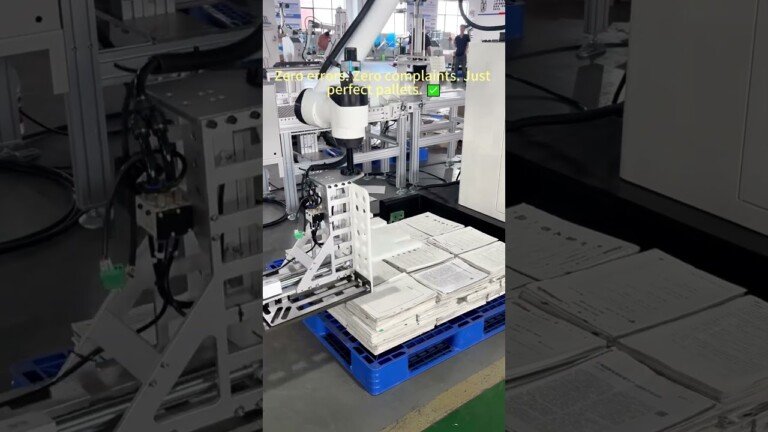
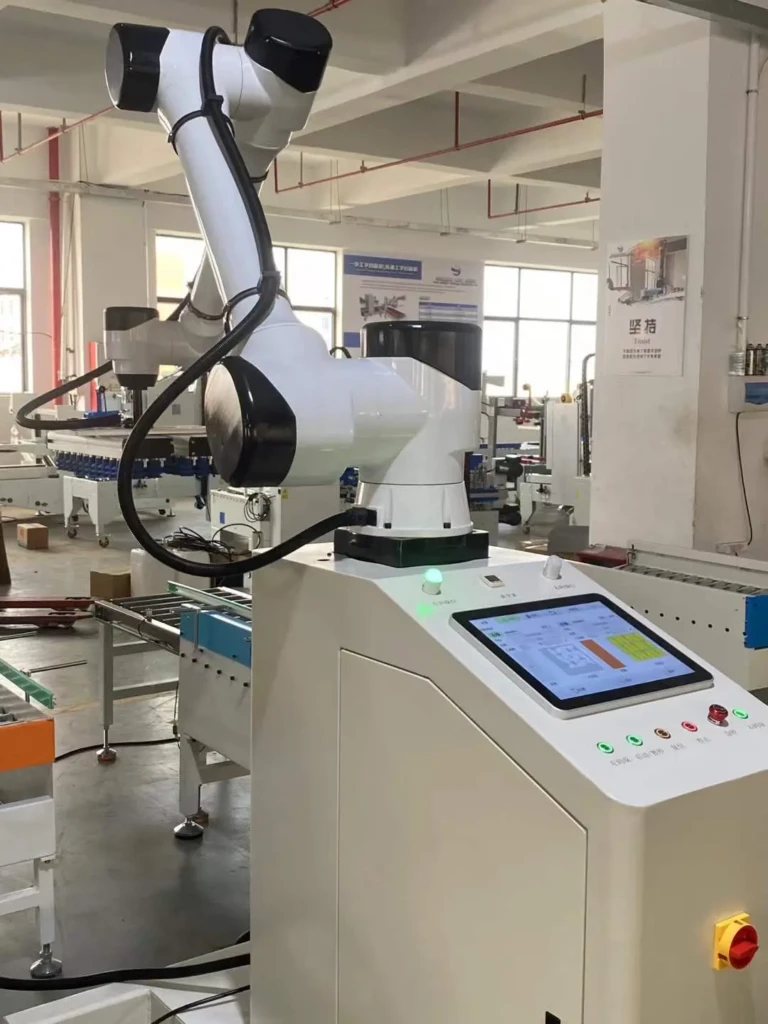
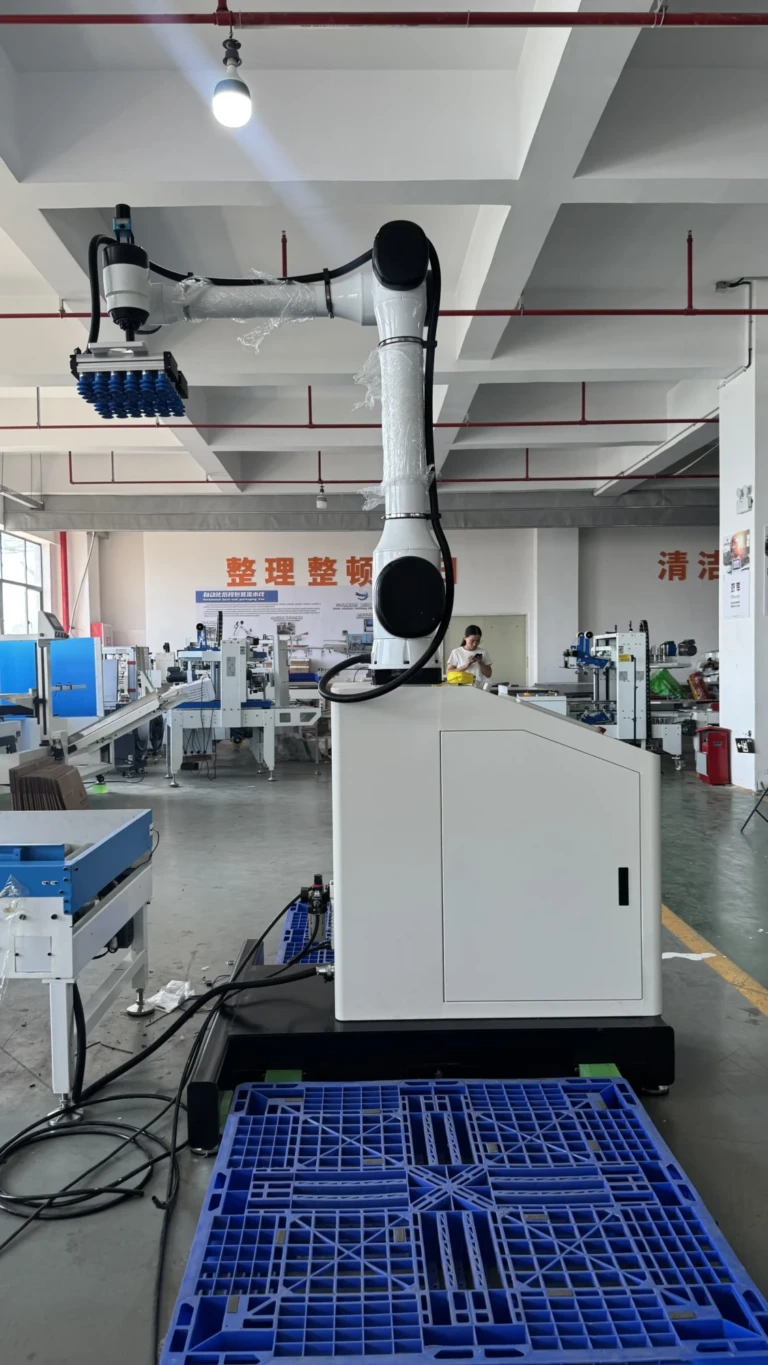
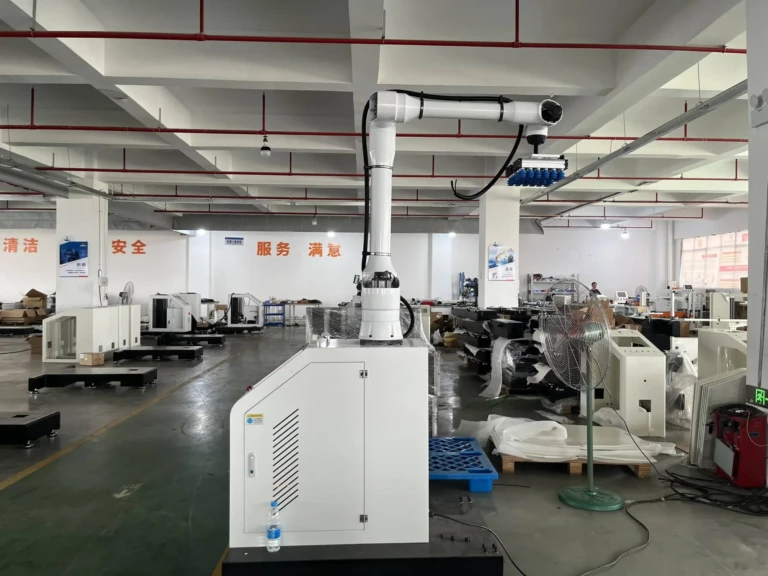
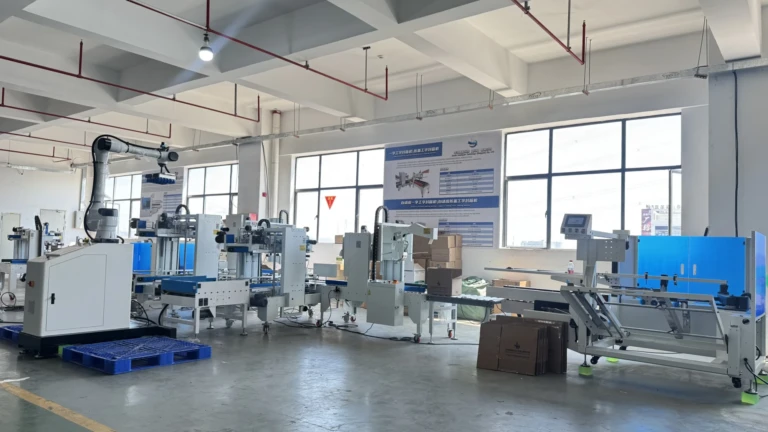
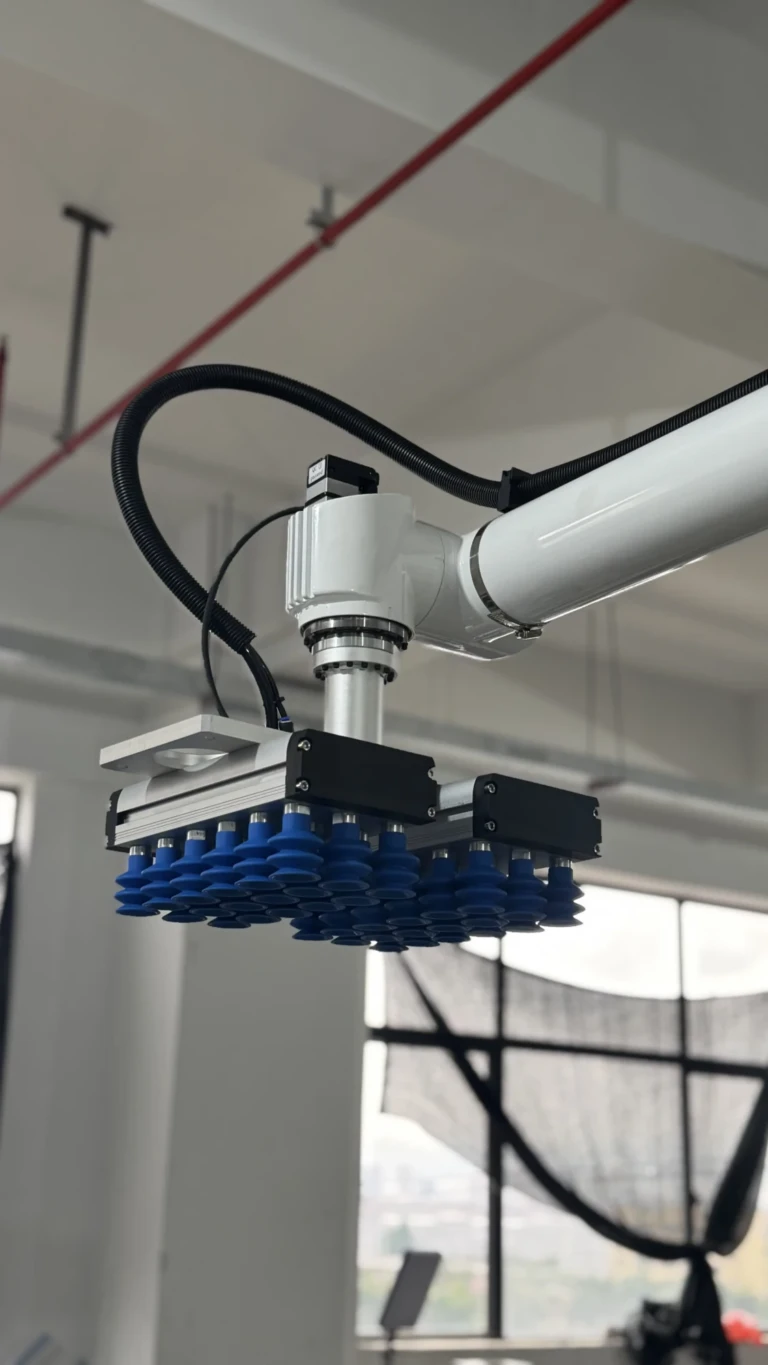
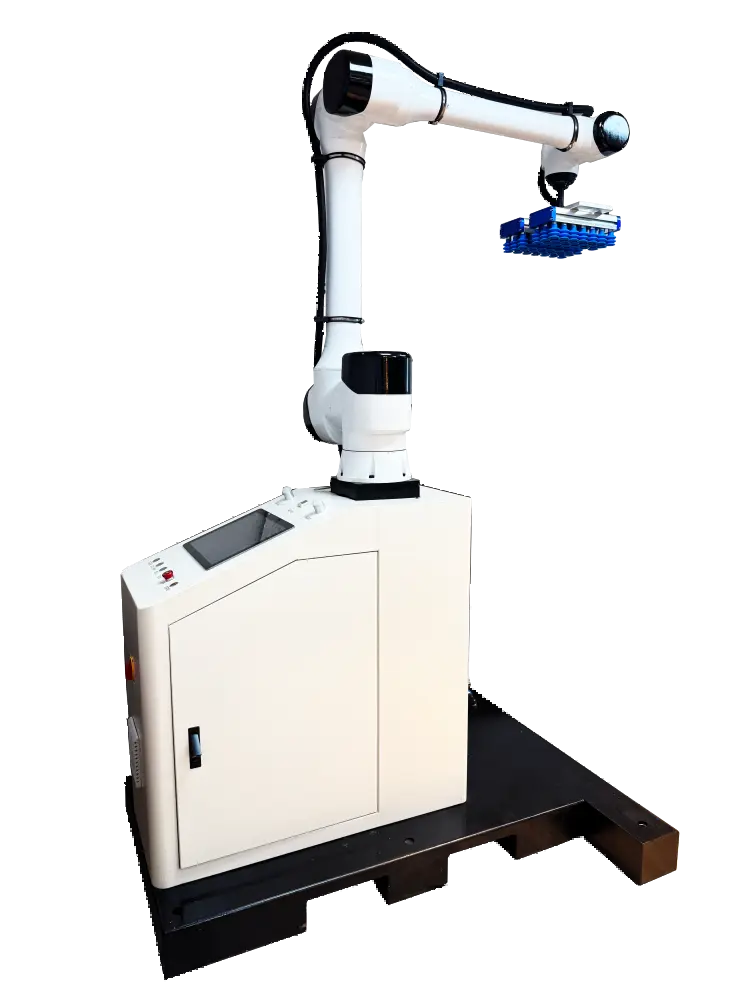
Compact robotic cells like Huaxiu’s collaborative palletizers fit into tight factory floors, stacking pallets vertically where manual labor can’t reach safely. - Data-Driven Adaptability:
Modern systems integrate with IIoT (Industrial Internet of Things) platforms, allowing real-time adjustments. Switch from palletizing brake pads to alternators? A quick software update reconfigures the robot’s path—no physical retooling.
Beyond Speed: Strategic Benefits Auto Makers Can’t Ignore
While speed grabs headlines, the strategic advantages of robotic palletizing run deeper:
-
Labor Reallocation:
Ford’s Valencia plant redeployed 120 workers from repetitive palletizing to QA/QC roles after adopting robots—boosting morale and reducing turnover. -
Supply Chain Agility:
During the 2023 semiconductor crunch, robots allowed manufacturers to rapidly repalletize components for prioritized vehicle models, slashing delays. -
Sustainability Wins:
Robots minimize packaging waste through optimized stacking patterns. BMW reported a 15% reduction in cardboard usage after deploying Huaxiu’s automatic stretch film packaging robots, saving $2.8M annually. - Safety Compliance:
Eliminating heavy lifting reduces musculoskeletal injuries—a critical win in regions with strict occupational safety laws (e.g., EU’s Machinery Directive).
Overcoming Adoption Hurdles: It’s Not Just About Hardware
Transitioning to robotic palletizing isn’t plug-and-play. Common challenges—and how leaders solve them:
-
Integration Complexities:
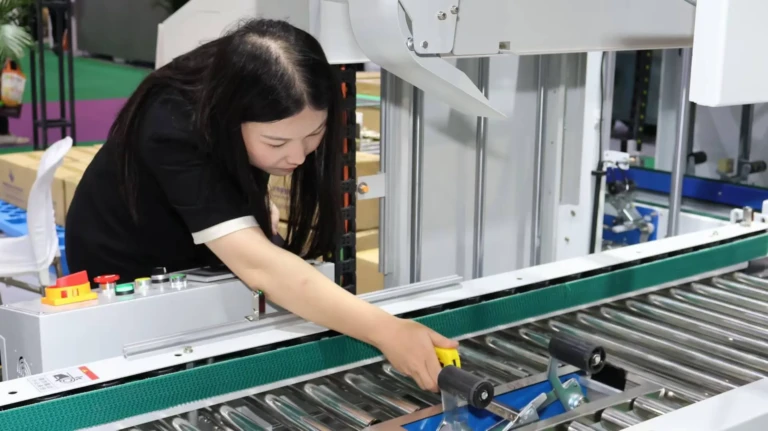
Retrofitting legacy systems often requires PLC reprogramming and middleware. Huaxiu’s semi-automatic sealing robots, for instance, sync seamlessly with ERP systems like SAP for real-time inventory updates. -
Upfront Costs:
While ROI is undeniable (typically 12-18 months), smaller Tier 2 suppliers hesitate. Solutions like RaaS (Robotics-as-a-Service) models offer subscription-based access to Huaxiu’s strapping robots, cutting capital expenditure. - Workforce Upskilling:
BMW’s "Robot Whisperer" program trains technicians in robot maintenance and programming, transforming apprehension into empowerment.
Huaxiu’s Innovations Driving Auto Sector Evolution
As automation demands escalate, Huaxiu Robot’s solutions are tailored for automotive rigor:
-
Pallet Forming Robots:
Build mixed-SKU pallets of transmissions, infotainment kits, and airbags—handling items from 0.5kg to 1,500kg without reconfiguration. -
Shrink Packaging Robots:
Weatherproof pallets for cross-continent shipping, critical for EV battery exports exposed to humidity. - Collaborative Palletizing Robots (Cobots):
Safely share space with humans for final inspection staging, using LiDAR to halt operations if workers approach.
The Future: AI, Swarm Robotics, and Beyond
Tomorrow’s auto factories will leverage palletizing robots with embedded AI vision:
-
Predictive Stacking Algorithms:
Machine learning analyzes historical data to optimize pallet configurations for load stability and truck space utilization. -
Swarm Robotics:
Multiple robots coordinating to palletize entire car chassis—currently piloted at Volvo’s Gothenburg plant. - Self-Learning Systems:
Huaxiu’s R&D in reinforcement learning allows robots to self-correct stacking errors without programmer intervention.
Conclusion: Palletizing Robots as Competitive Leverage
The automotive sector’s embrace of palletizing robots transcends efficiency—it’s a strategic reset. As EVs, autonomous driving, and mobility-as-a-service redefine the industry, manufacturers leveraging Huaxiu-grade automation will dominate. These systems aren’t just moving boxes; they’re enabling faster time-to-market, greener operations, and unprecedented flexibility. The question isn’t if to automate palletizing—it’s how fast to scale.
FAQs: Auto Sector Palletizing Robots
Q1: How long does deploying palletizing robots take in an active auto plant?
A: Installation typically takes 2-4 weeks, avoiding line shutdowns via phased integration during maintenance windows.
Q2: Can robots handle irregularly shaped auto parts like exhaust pipes?
A: Yes. Vision-guided systems with Huaxiu’s 3D scanners adapt grippers to secure asymmetrical items securely.
Q3: What’s the average ROI timeline?
A: 12-24 months, factoring in labor savings, reduced damage, and throughput gains (case-specific).
Q4: Are these robots safe around workers?
A: Collaborative models (ISO/TS 15066 compliant) feature force-limiting sensors and emergency stops, ensuring OSHA compliance.
Q5: Can I reuse palletizing robots for different vehicle models?
A: Absolutely. Software-defined trajectories allow quick reprogramming—no hardware changes needed.
Let us know in the comments how your organization is leveraging palletizing robots—or what’s holding you back!