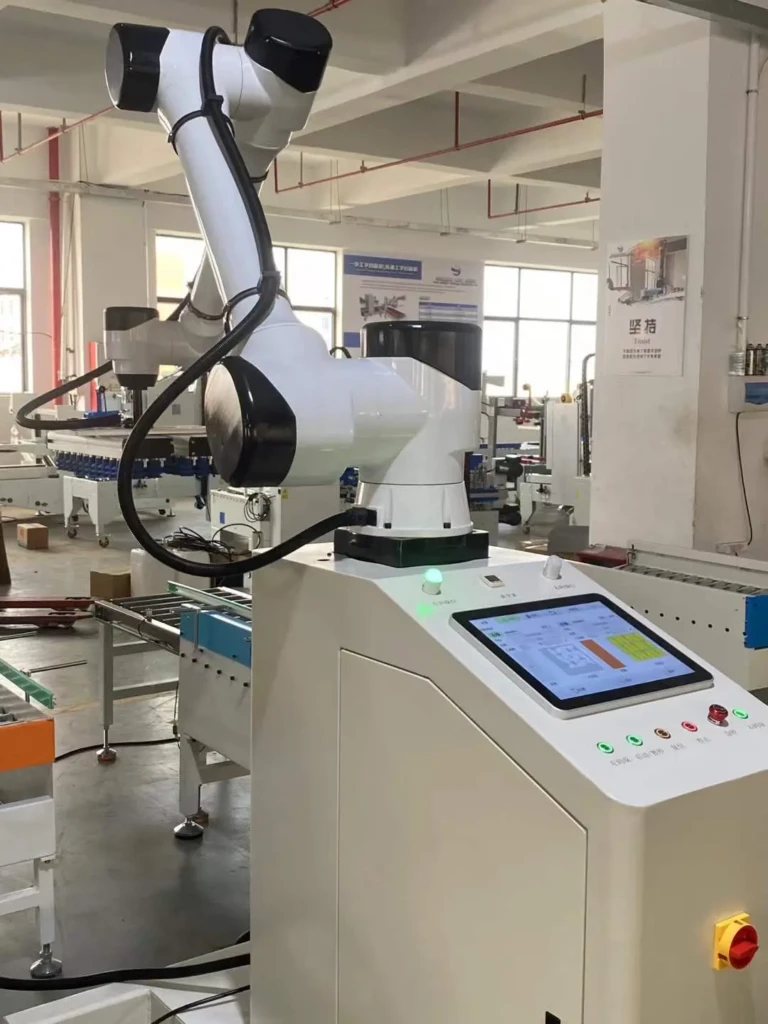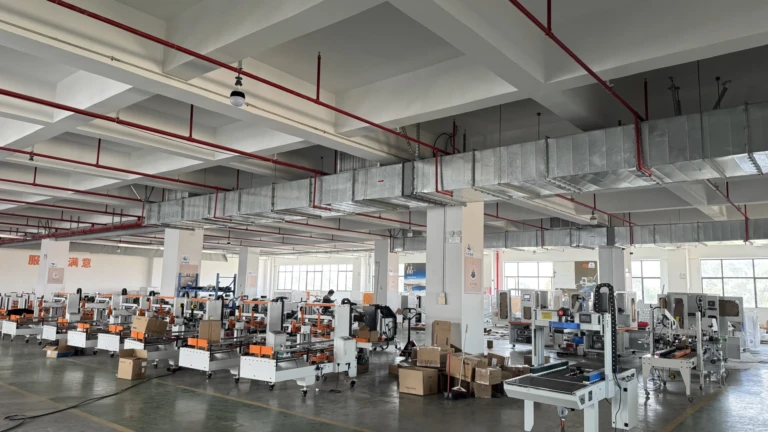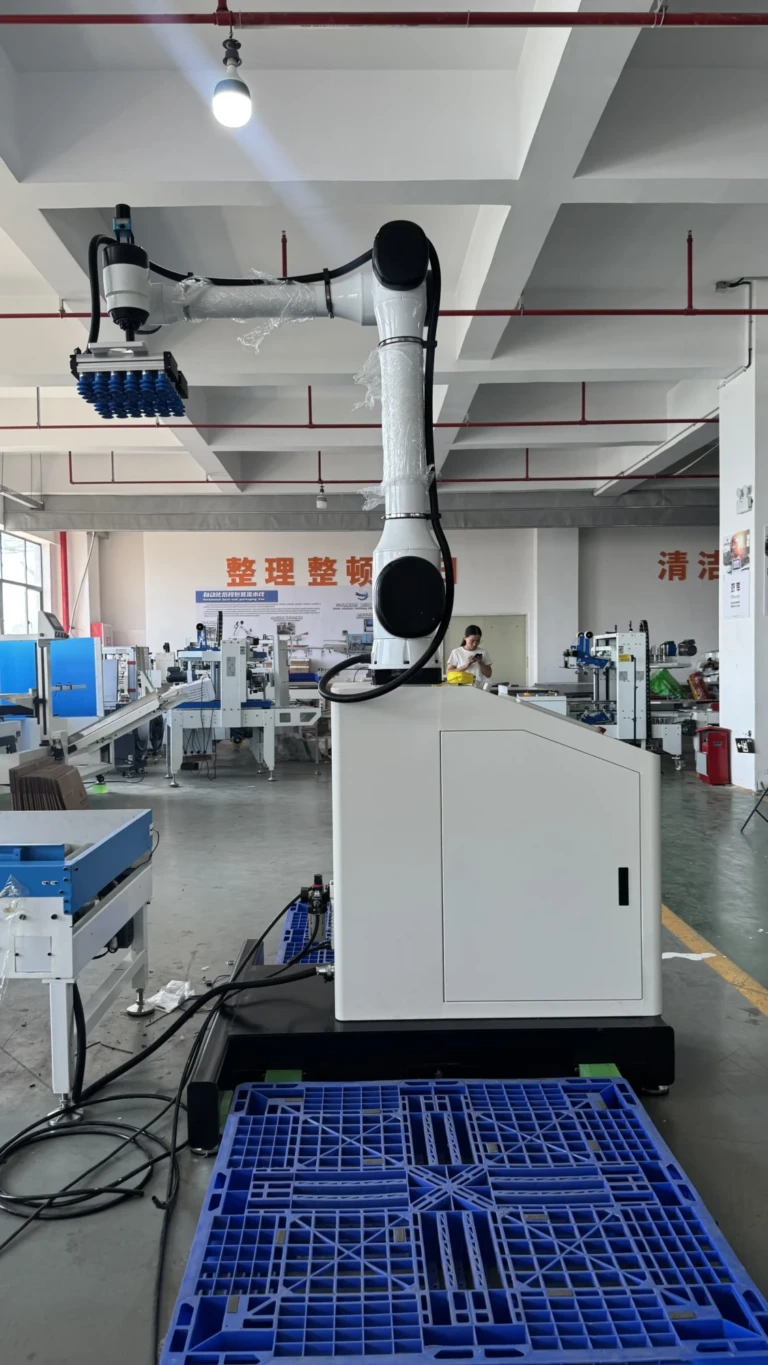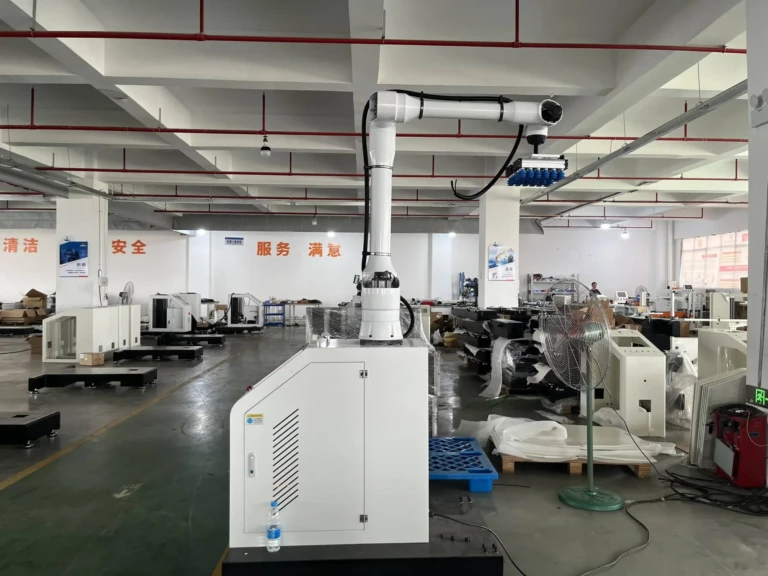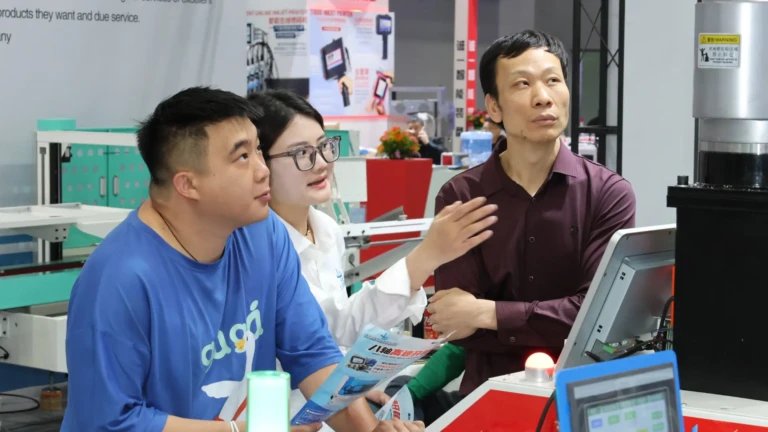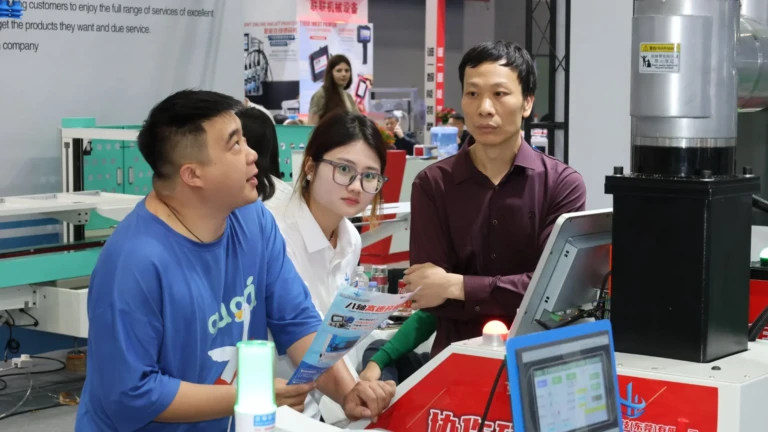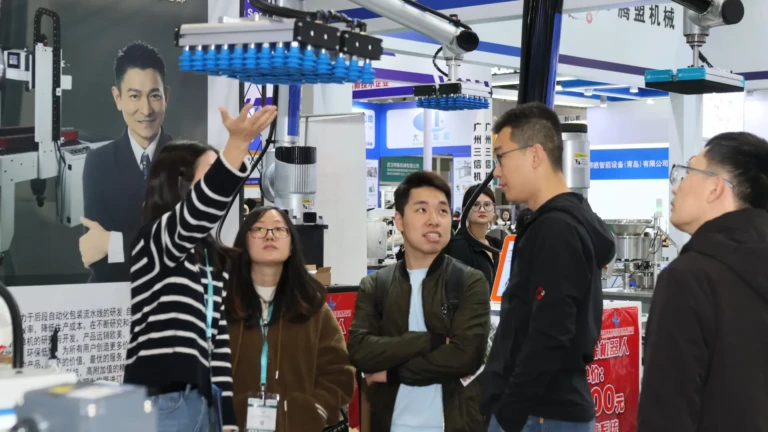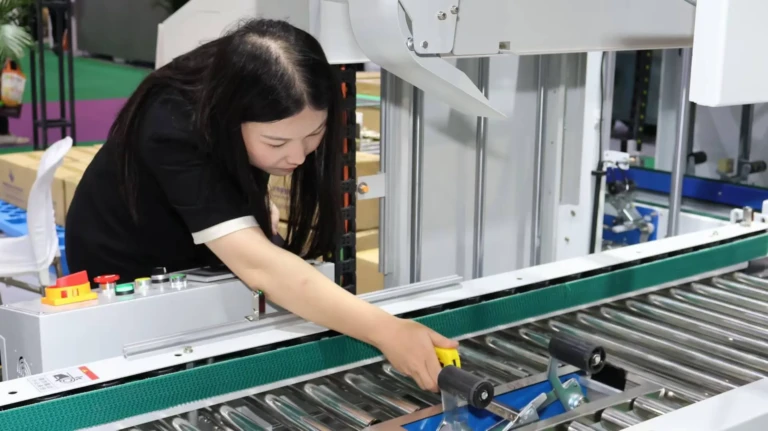

Walking through a bustling manufacturing facility, you’ll notice one recurring challenge: palletizing. It’s repetitive, physically demanding, and prone to human error—until automation steps in. Recently, a Kuka Palletizing Robot demo video has been making waves across industrial automation circles, showcasing not just speed and precision, but a glimpse into the future of smart logistics. At Huaxiu Robot, we’ve always championed robotic innovation, and dissecting this demonstration offers valuable insights into why palletizing automation is no longer a luxury but a necessity for competitive operations.
Breaking Down the Kuka Palletizing Robot Demo: What Makes It Stand Out?
The video opens with the Kuka robotic arm positioned in a simulated warehouse environment, ready to handle packages of varying sizes and weights. Here’s what unfolds:
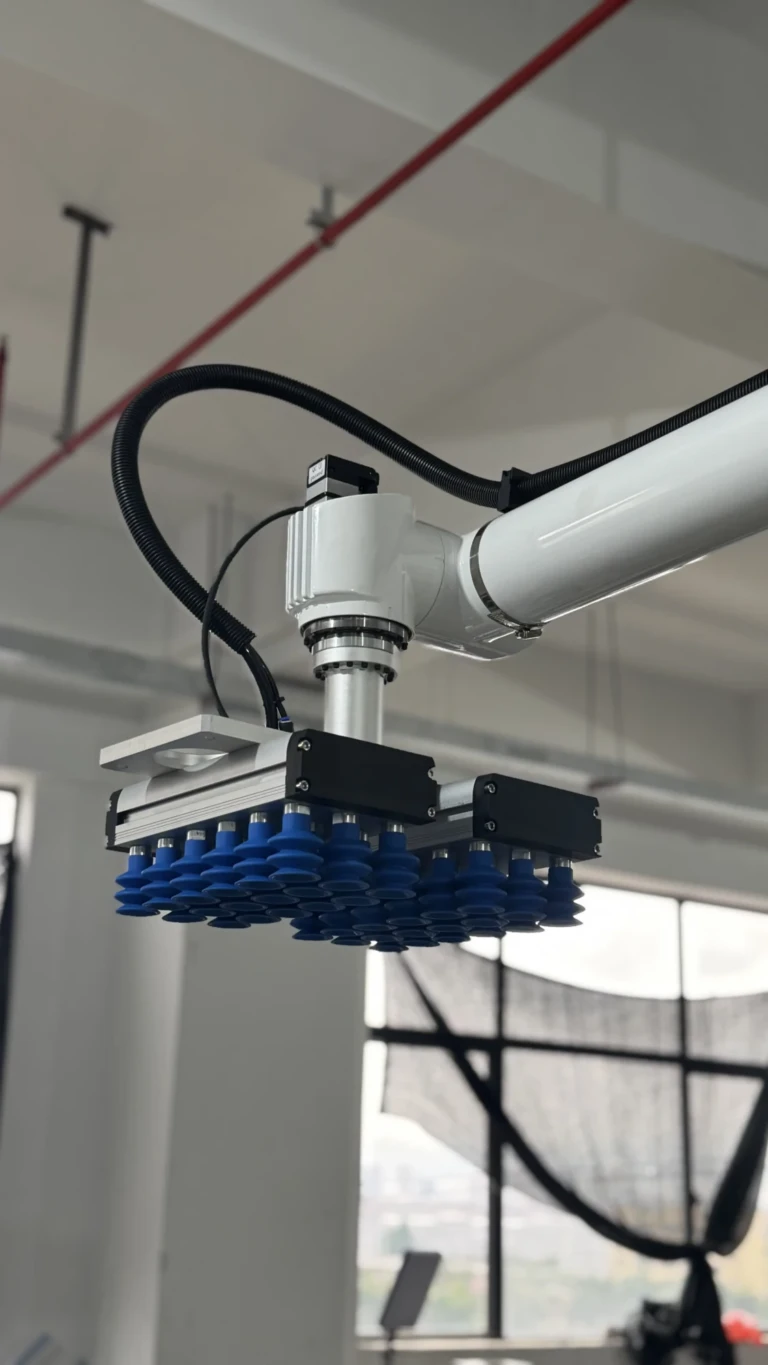
- Adaptive Gripper Technology: The robot employs an AI-powered vision system to identify irregularly shaped items—a common hurdle in palletizing. It adjusts grip strength and orientation in real-time, ensuring fragile items aren’t crushed while bulky ones stay secure.
- Speed vs. Precision: Kuka’s robot clocks in at 1,200 cycles per hour—an impressive feat—yet places boxes with millimeter-level accuracy, even on unstable pallet stacks.
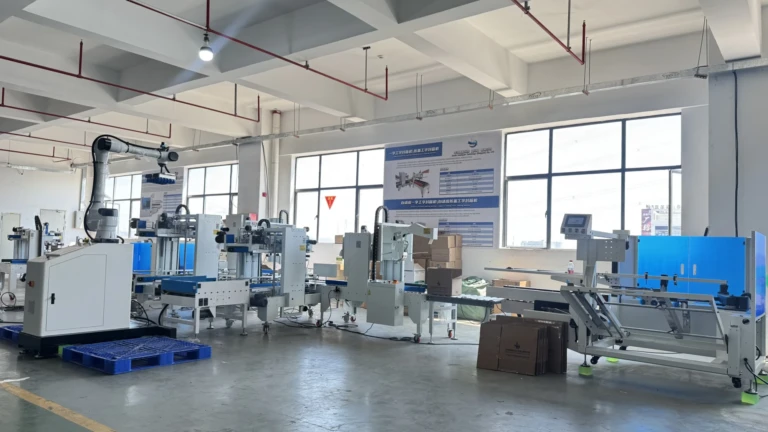
- Seamless Integration: The demo highlights interoperability with upstream/downstream systems (like Huaxiu’s automatic sealing robots or strapping robots), creating a unified packaging line without manual intervention.
- Energy Efficiency: Unlike older hydraulic systems, Kuka’s electromechanical design reduces power consumption by up to 20%, a critical factor for facilities targeting net-zero goals.
Why Palletizing Robots Are Revolutionizing Warehouses
Beyond the flashy demo, the real-world implications are profound:
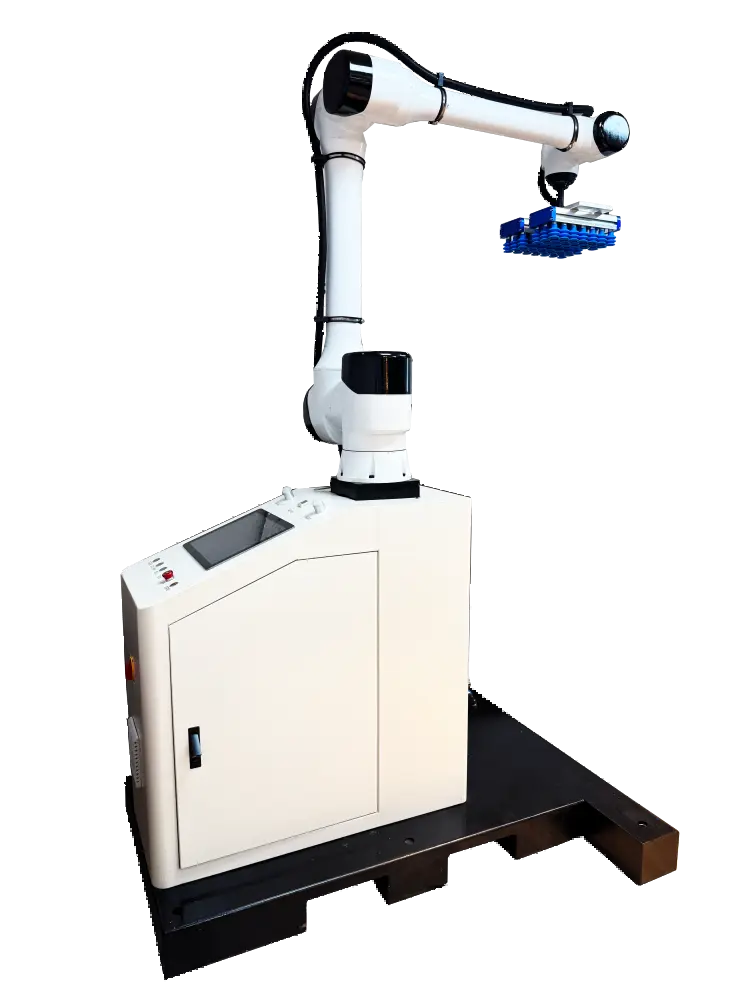
- Labor Optimization: With global labor shortages worsening, palletizing robots like Kuka’s or Huaxiu’s collaborative palletizing robots fill gaps without layoffs—workers shift to supervisory or technical roles.
- Error Reduction: Human fatigue leads to misaligned pallets, causing accidents or shipment rejections. Robots maintain consistency 24/7.
- Space Utilization: Advanced algorithms calculate optimal pallet patterns, maximizing trailer space and cutting shipping costs.
The Huaxiu Ecosystem: Beyond Palletizing
While Kuka excels in heavy-duty palletizing, Huaxiu’s portfolio tackles the entire packaging lifecycle:
- Start with an automatic unpacking robot to unload goods.
- Seal cartons with our automatic sealing robots.
- Palletize with speed using collaborative robots (ideal for mixed SKU facilities).
- Finish with fully automatic stretch film packaging robots or shrink packaging robots.
This end-to-end integration minimizes bottlenecks—no more siloed machinery or compatibility headaches.
Conclusion: The Future Is Automated (and Collaborative)
The Kuka demo isn’t just a showcase of brute-force automation; it’s a roadmap for adaptability. Smaller facilities might lean into Huaxiu’s flexible collaborative palletizing robots, while mega-warehouses deploy high-capacity systems like Kuka’s. Either way, the era of manual palletizing is fading. As AI vision, IoT connectivity, and sustainable design converge, the next frontier is predictive palletizing—where robots preemptively adjust to seasonal demand or supply chain disruptions.
The question isn’t if your facility needs this technology, but how soon you can integrate it to stay ahead.
FAQs About Palletizing Robots
Q1: How difficult is it to integrate a palletizing robot with existing machinery?
Modern robots use open-architecture PLCs and APIs for plug-and-play compatibility. Huaxiu’s team typically completes integration in under 2 weeks.
Q2: Can these robots handle mixed-SKU pallets?
Yes. AI vision systems classify items by size, weight, and fragility, dynamically adjusting stacking patterns.
Q3: What’s the ROI for a palletizing robot?
Most operations break even in 12–18 months via labor savings, reduced product damage, and higher throughput.
Q4: Are robotic palletizers safe to work alongside humans?
Collaborative models (like Huaxiu’s) feature force-limited joints and laser scanners to halt motion if a worker enters a zone.
Q5: Do I need to reconfigure my warehouse layout?
Not necessarily. Mobile robotic units (AMRs) can navigate tight aisles, while stationary arms optimize fixed stations.
Explore Huaxiu’s automated packaging solutions to build a smarter, faster supply chain.