The Hidden Cost of Manual Palletizing (And How Affordable Robotics Can Save Your Bottom Line)
For decades, manufacturers and warehouses accepted manual palletizing as an unavoidable expense – a slow, injury-prone process draining productivity, inflating labor costs, and limiting scalability. But the robotics revolution has fundamentally changed the equation. Affordable palletizing robots are no longer a luxury reserved for Fortune 500 companies. Advanced automation is now accessible to mid-sized businesses, acting as a powerful cost-containment tool with rapid ROI.
Why Palletizing is Ripe for Automation
Palletizing is repetitive, physically demanding, and often a bottleneck. Human workers face fatigue, injury risks (especially back strain from lifting), and inconsistent speeds. Seasonal demand spikes make staffing chaotic, while labor shortages compound these issues. Meanwhile, operational costs quietly escalate: worker’s compensation claims, turnover expenses, training downtime, and production delays from human-paced workflows.
Enter palletizing robots. Once prohibitively expensive, technological advancements – particularly in collaborative robotics (cobots), modular design, and smarter grippers – have slashed upfront costs while boosting flexibility.
The New Era of Affordability: Key Drivers
What makes modern palletizing robots so cost-effective?
-
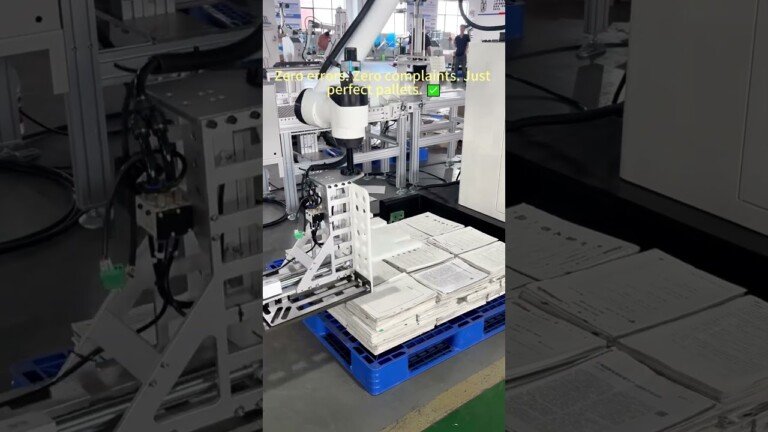
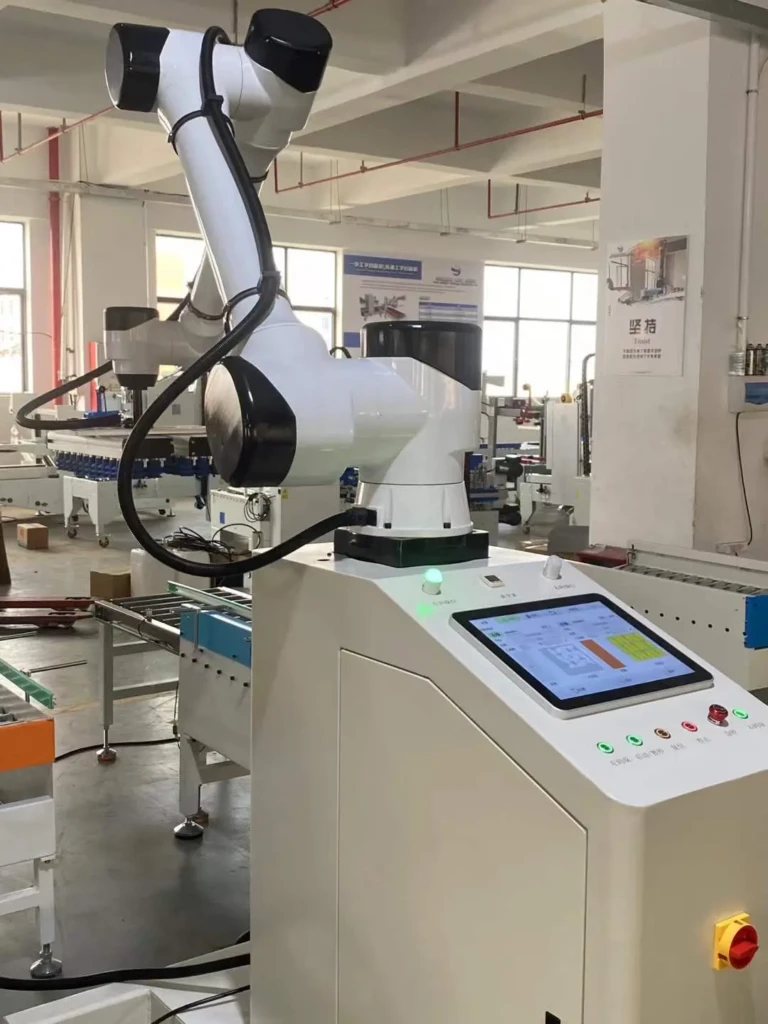
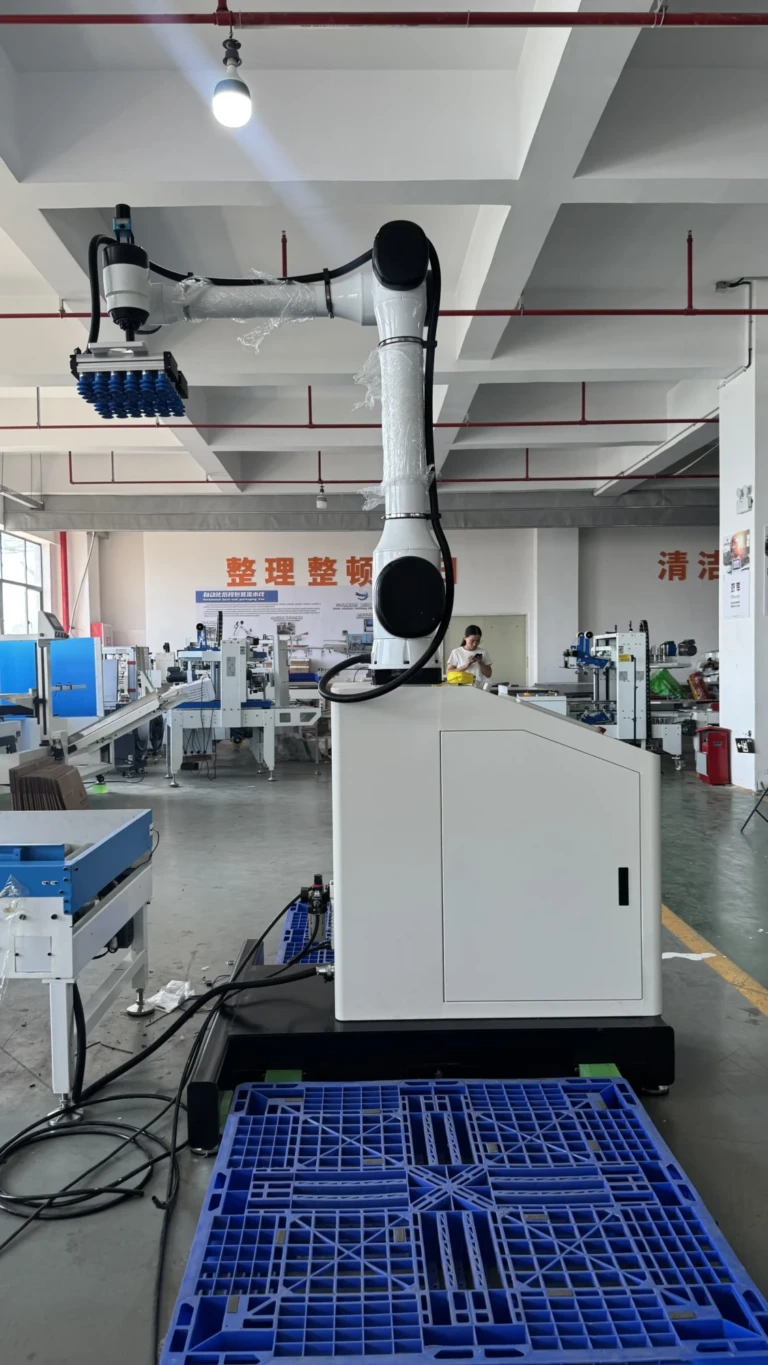
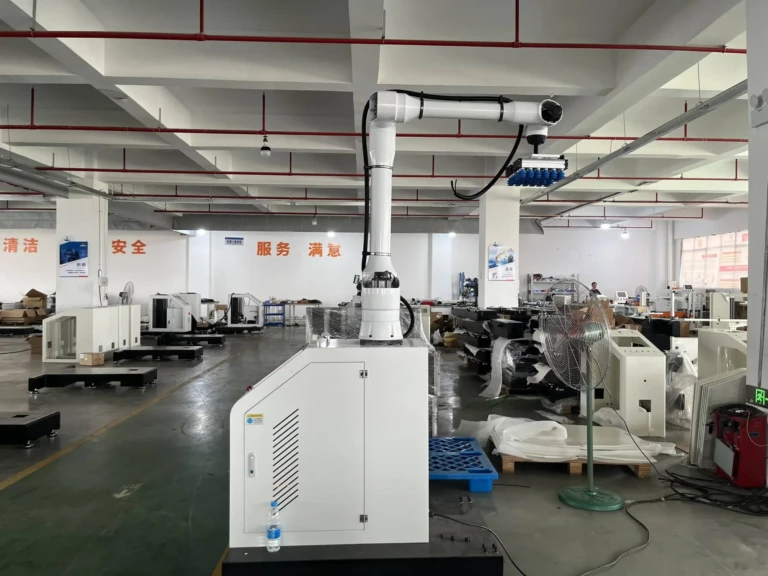
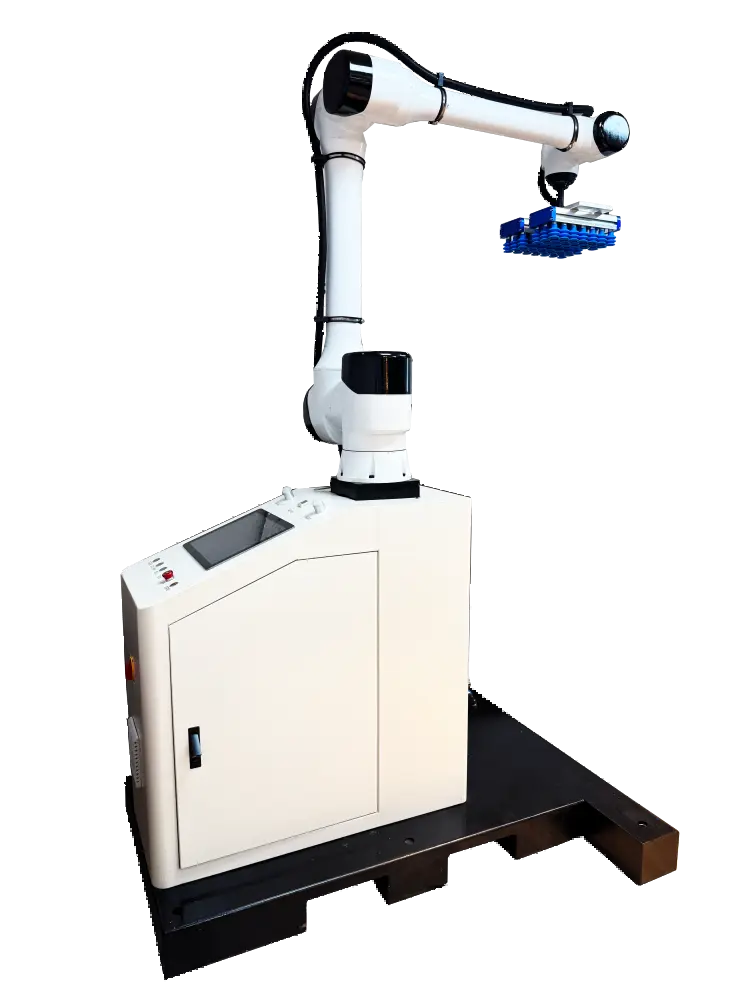
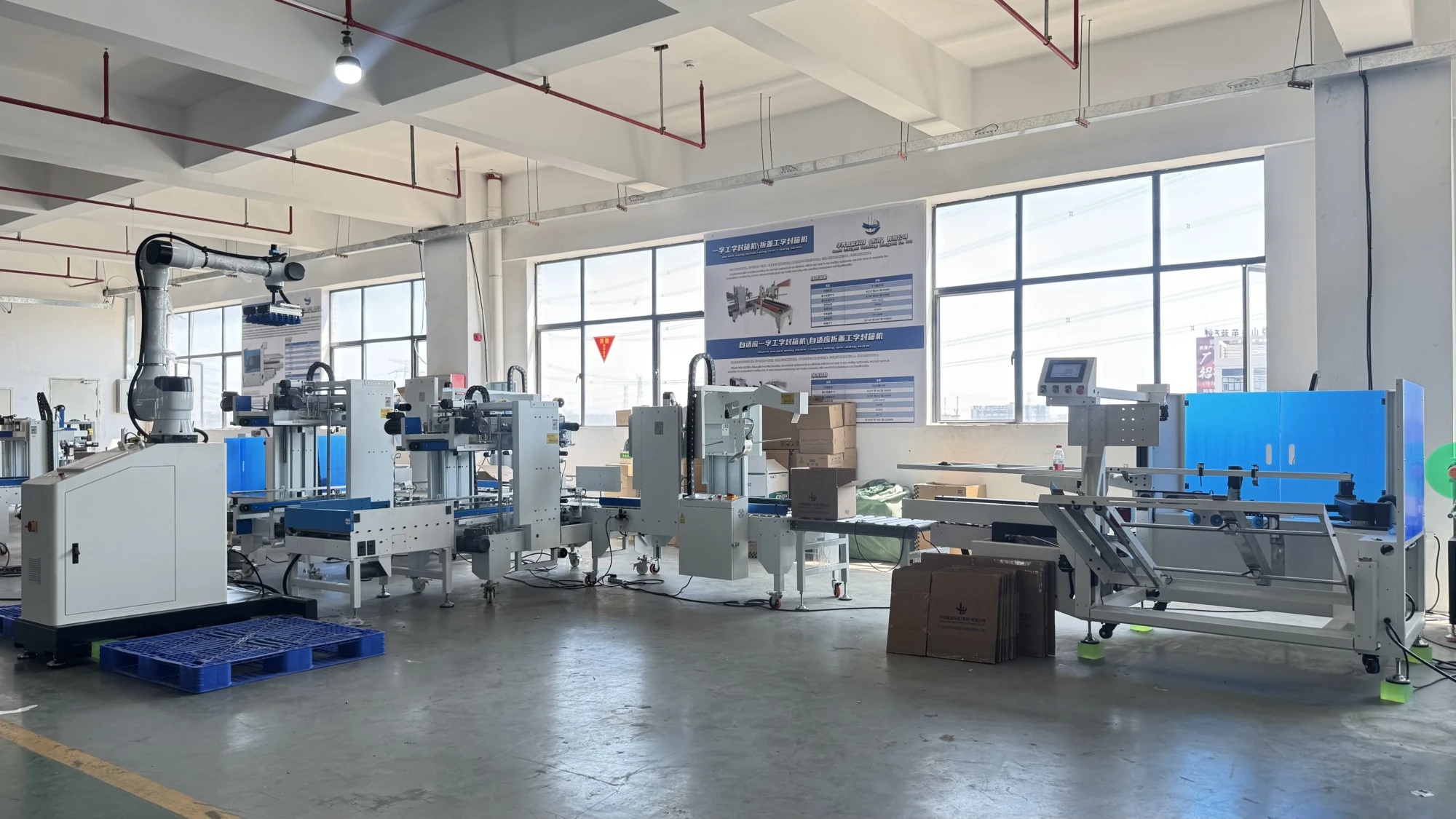
Collaborative Robot (Cobot) Palletizers: Unlike traditional industrial robots requiring safety cages, cobots work safely alongside humans. This eliminates costly facility reconfigurations. Huaxiu’s collaborative palletizers, for example, deploy quickly, need minimal programming, and adapt to mixed-SKU pallets without expensive retooling.
-
Plug-and-Play Modular Systems: Companies like Huaxiu Robot offer pre-engineered palletizing cells that integrate seamlessly with existing conveyor systems. This "robot-as-a-tool" approach drastically reduces integration time and engineering fees.
-
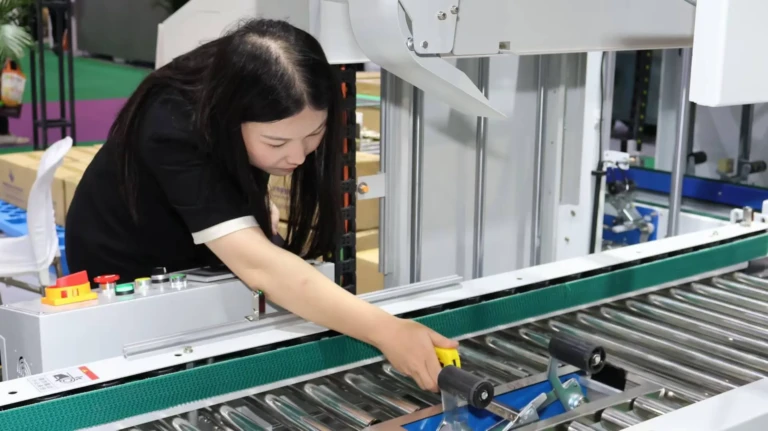
Hybrid Solutions for Flexibility: Not every pallet requires a 1,500 kg/hour monster. Affordable semi-automatic sealing robots or pallet-forming robots can handle lower-volume lines, allowing businesses to scale automation incrementally.
- Reduced Total Cost of Ownership (TCO): Modern robots need minimal maintenance (no hydraulic fluids, fewer moving parts), consume less energy, and offer 5-7 years of reliable service. Cloud-based monitoring even enables predictive maintenance, avoiding unplanned downtime.
Beyond the Robot: The Full Ecosystem for Cost Savings
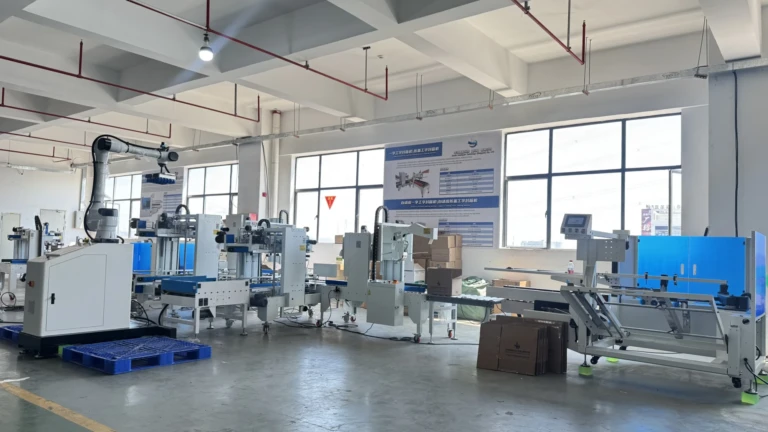
True savings emerge when palletizing robots are part of an integrated material handling workflow. Huaxiu Robot’s product portfolio exemplifies this holistic approach:
- Upstream/Support Automation: Automatic unpacking robots feed products directly to palletizers, eliminating manual handling. Shrink wrapping robots or strapping robots secure finished pallets without secondary labor.
- Optimized Ancillary Processes: Why use a $250k robot to apply stretch film? A fully automatic stretch film packaging robot handles this tedious, low-skill task at a fraction of the cost.
- Space Efficiency: Compact robotic cells like Huaxiu’s semi-automatic sealing robots maximize floor space utilization – critical for smaller facilities.
Cost-Saving Scenarios: Crunching the Numbers
Example 1: A beverage manufacturer replacing night shifts with one Huaxiu collaborative palletizer:
- Savings: $65,000/year in labor + $12,000 reduced injury claims + 15% increased throughput.
- Payback Period: 14 months (robot cost: ~$90k).
Example 2: A pharmaceutical warehouse adding stretch film robots to 3 lines:
- Savings: $8/pallet in labor + 30% film reduction via precise tension control. ROI: <10 months.
Key Takeaway: The biggest savings aren’t just labor replacement – it’s error reduction (damaged goods), reduced film/wrapping material waste, minimized product loss, and reclaiming floor space.
Choosing the Right Cost-Effective Palletizing Robot
Not all "affordable" robots deliver equal value. Prioritize:
- True Collaborative Safety (ISO 10218 compliant) – Avoid hidden costs of safety barriers.
- Easy Integration – Look for PLC-agnostic systems withModbus/TCP or Ethernet/IP.
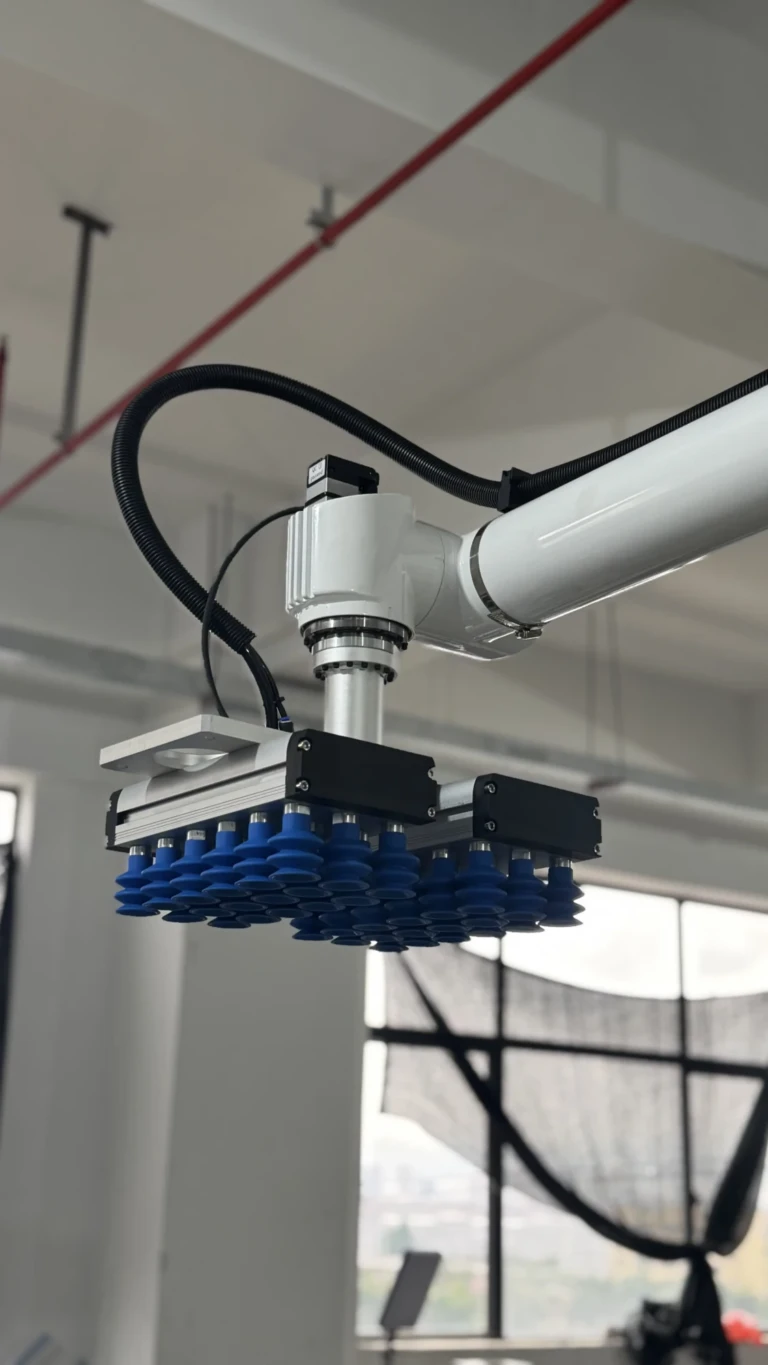
- Gripper Versatility – Vacuum, mechanical, or hybrid grippers that handle diverse package sizes without costly changeovers.
- Scalability – Can the robot handle higher speeds if demand grows? Huaxiu’s modular designs allow adding axes later.
Conclusion
Affordable palletizing robots are a strategic investment, not an expense. With prices starting below $50k for basic models and ROI often measured in months – not years – automation is now a lever for immediate cost control. Forward-thinking companies aren’t just cutting expenses; they’re redeploying human talent to higher-value roles, boosting throughput without expanding footprints, and gaining resilience against labor volatility.
The barrier to entry has fallen. The question isn’t whether you can afford a palletizing robot – it’s whether you can afford not to explore how it bends your cost curve downward.
FAQ Section
Q: How much floor space do palletizing robots require?
A: Modern collaborative systems like Huaxiu’s CP-600 need just 2m x 2m, often fitting directly into existing lines. Compact stretch film robots require even less.
Q: Can these robots handle mixed-SKU or variable-sized boxes?
A: Yes. Advanced vision systems and AI-enabled software allow real-time adjustment to different box dimensions and pallet patterns.
Q: What about maintenance costs?
A: Annual maintenance typically costs 3-5% of the robot’s price. Huaxiu’s diagnostic software further lowers this by predicting component wear.
Q: Are used/remanufactured robots a safe cost-saving option?
A: Caution advised. Newer collaborative robots often have lower TCO than refurbished industrial robots due to energy efficiency, safety compliance, and warranty coverage.
Q: How long does deployment take?
A: Pre-configured cells can be operational in 2-3 days vs. months for custom systems. Huaxiu’s "QuickStart" palletizers average 48-hour installs.
Q: Can I automate palletizing partially before going fully robotic?
A: Absolutely. Semi-automatic palletizing stations (human loads, robot stacks) reduce strain while keeping initial costs low. Huaxiu offers these hybrid solutions.
Q: Do these robots require specialized programmers?
A: No. Most Huaxiu models use intuitive touchscreen interfaces or even smartphone apps for path teaching – no coding expertise needed.
Explore how affordable automation reshapes your cost structure. Schedule a free ROI analysis with our engineers to model potential savings specific to your operation.