Introduction: Why Palletizer Speed Matters in Modern Warehousing
In today’s fast-paced logistics landscape, speed isn’t just a luxury—it’s a necessity. The Fuji ACE EC-101HS palletizer stands at the forefront of this demand, engineered to deliver exceptional performance while maintaining precision and reliability. But what exactly does "speed" mean for this system, and how does it translate to real-world efficiency? In this deep dive, we’ll unpack the mechanics behind the EC-101HS’s velocity, its implications for your operations, and how Huaxiu Robot leverages this technology to elevate automated palletizing solutions.
Understanding the Fuji ACE EC-101HS: A Speed Breakdown
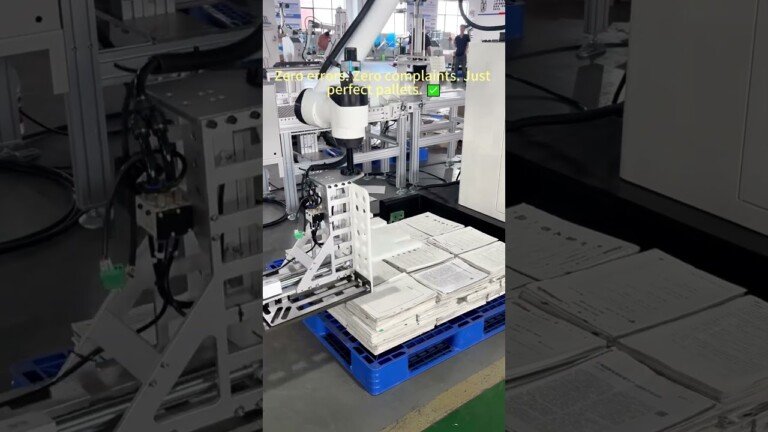
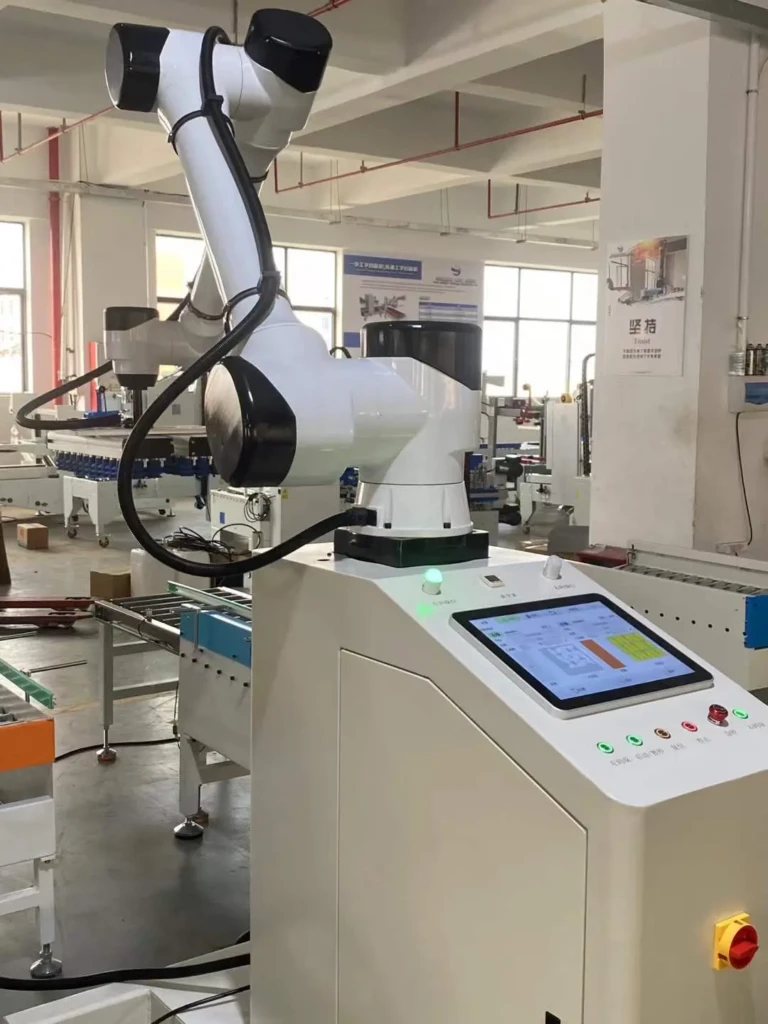
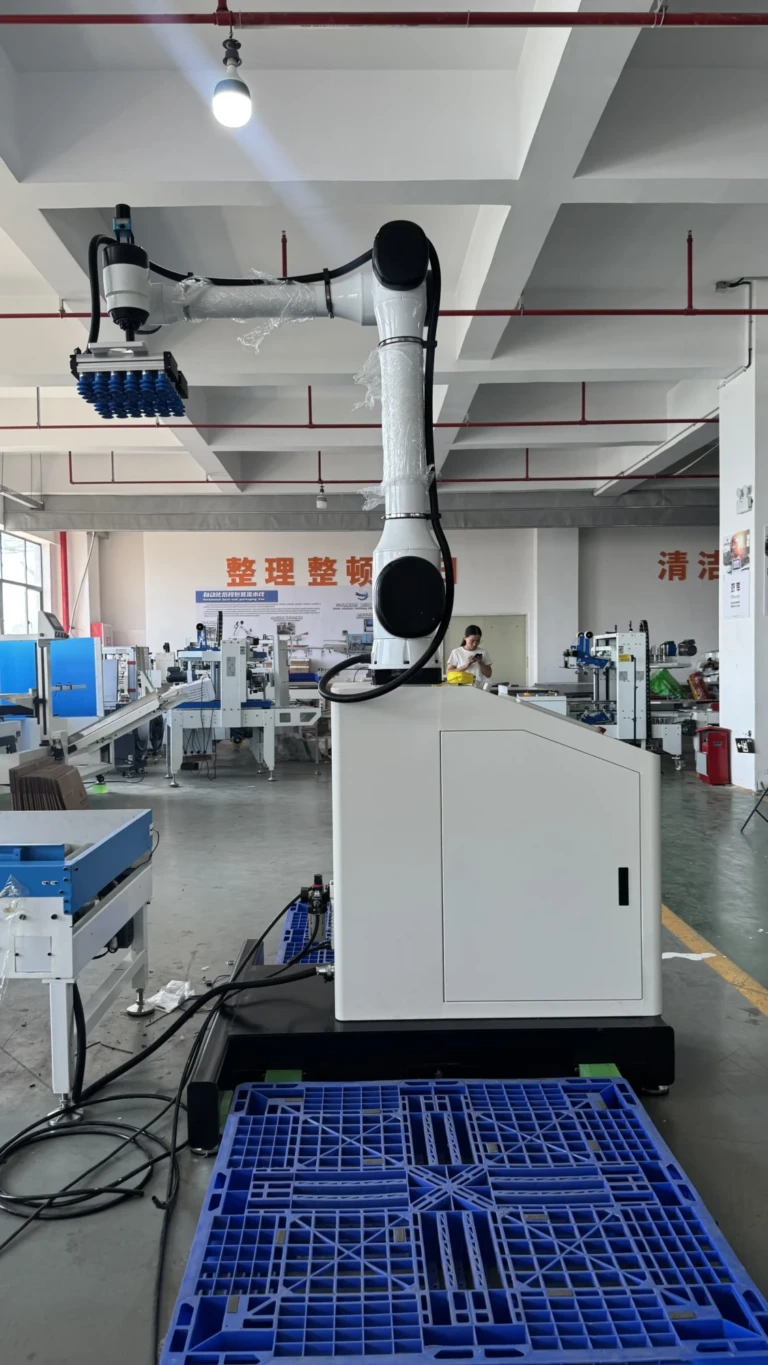
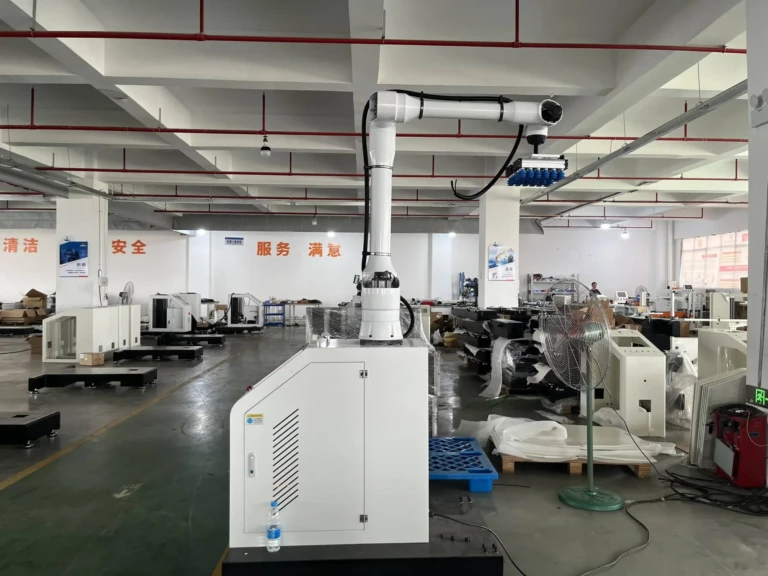
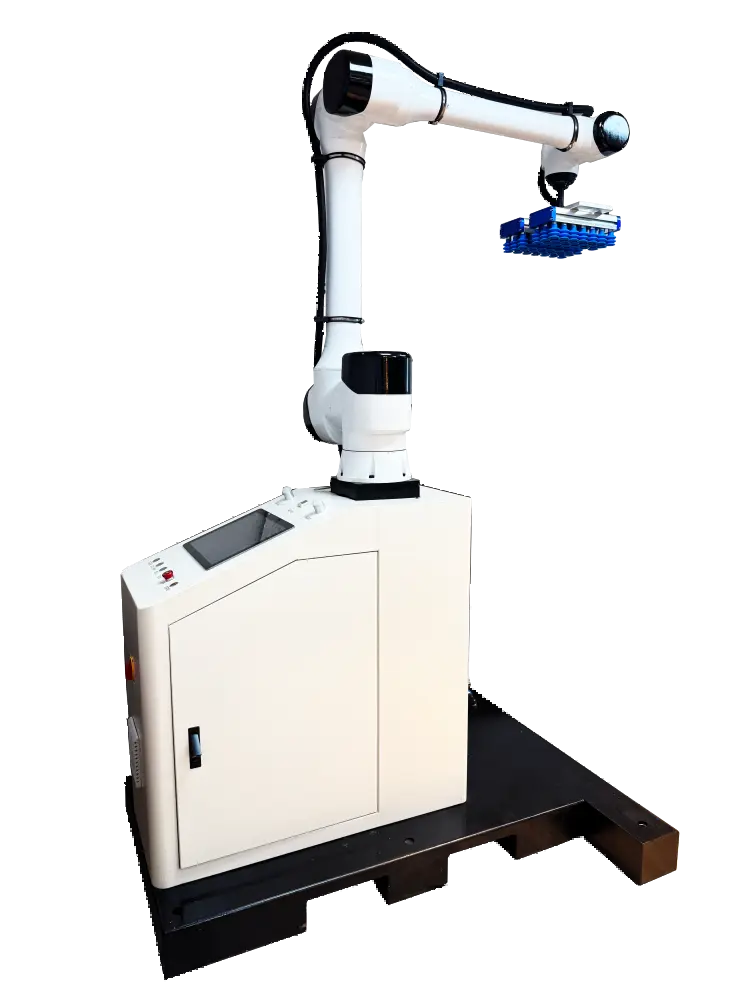
The EC-101HS is a high-speed collaborative palletizing robot designed for lightweight to medium-load applications. Its standout feature is its ability to achieve cycle times as low as 4–6 seconds per layer, depending on the product’s weight, size, and stacking configuration. Here’s how its speed metrics break down:
- Max Payload: 10 kg (22 lbs)
- Max Reach: 1,010 mm (40 inches)
- Cycle Time: 4–6 seconds/layer (for standard configurations)
These figures translate to 800–1,200 units palletized per hour under optimal conditions, making it ideal for industries like food & beverage, pharmaceuticals, and e-commerce fulfillment.
What Drives the Fuji ACE EC-101HS’s Speed?
Several engineering innovations contribute to the EC-101HS’s rapid performance:
- High-Performance Servo Motors: Precision-controlled motors ensure smooth, rapid joint movements without sacrificing positioning accuracy.
- Lightweight Arm Design: Constructed from high-strength aluminum alloys, the arm minimizes inertia while maximizing acceleration.
- Optimized Trajectory Planning: Advanced algorithms calculate the shortest, collision-free path between pickup and placement points.
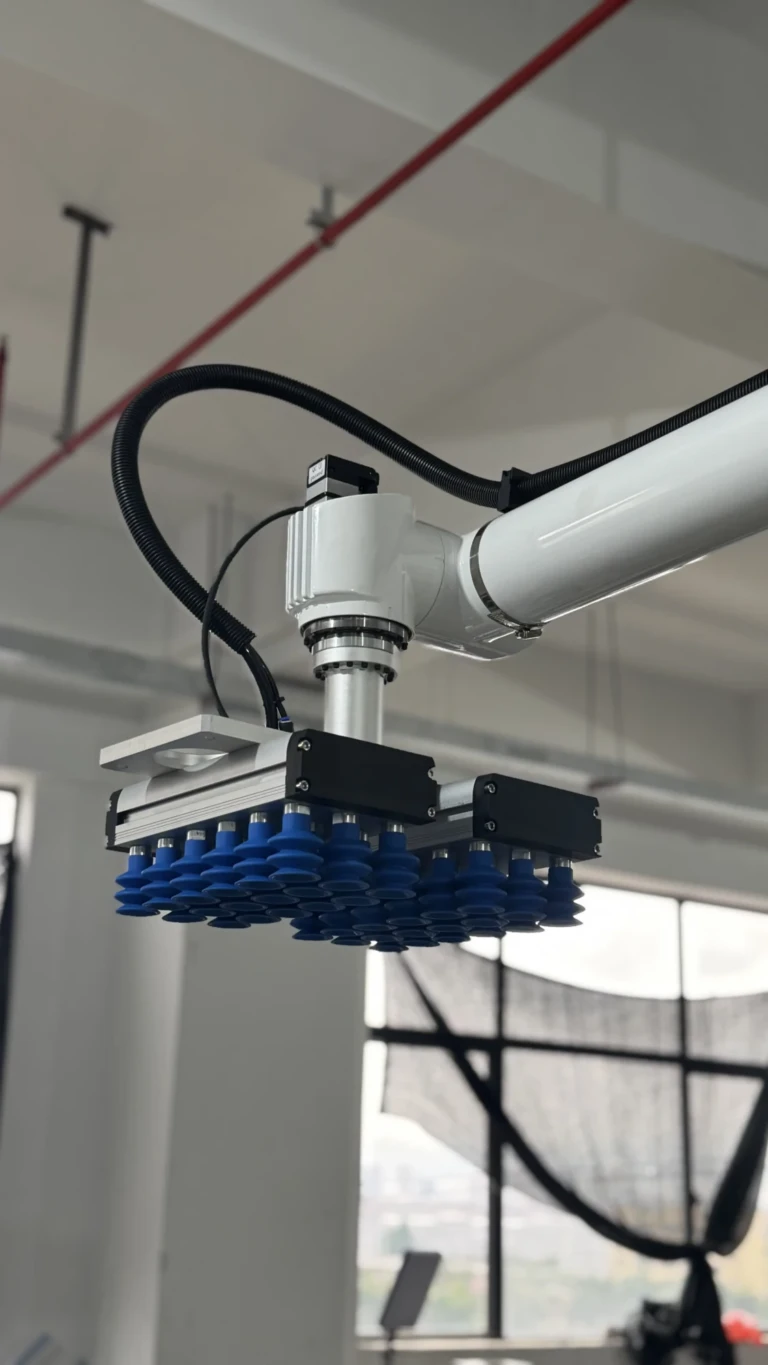
- Tool-Specific Grippers: Customizable EOAT (end-of-arm tooling) minimizes load-handling time by securely gripping irregular or fragile items.
Factors Impacting Real-World Speed
While the EC-101HS boasts impressive specs, its actual throughput depends on operational variables:
- Pattern Complexity: Simple column stacking is faster than interlocking or mixed-SKU patterns.
- Product Variability: Consistent item sizes/weights enable speed optimization; irregular items may require slower handling.
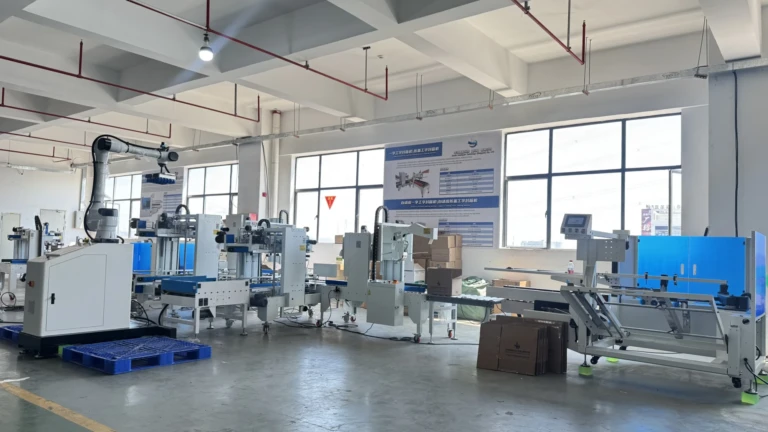
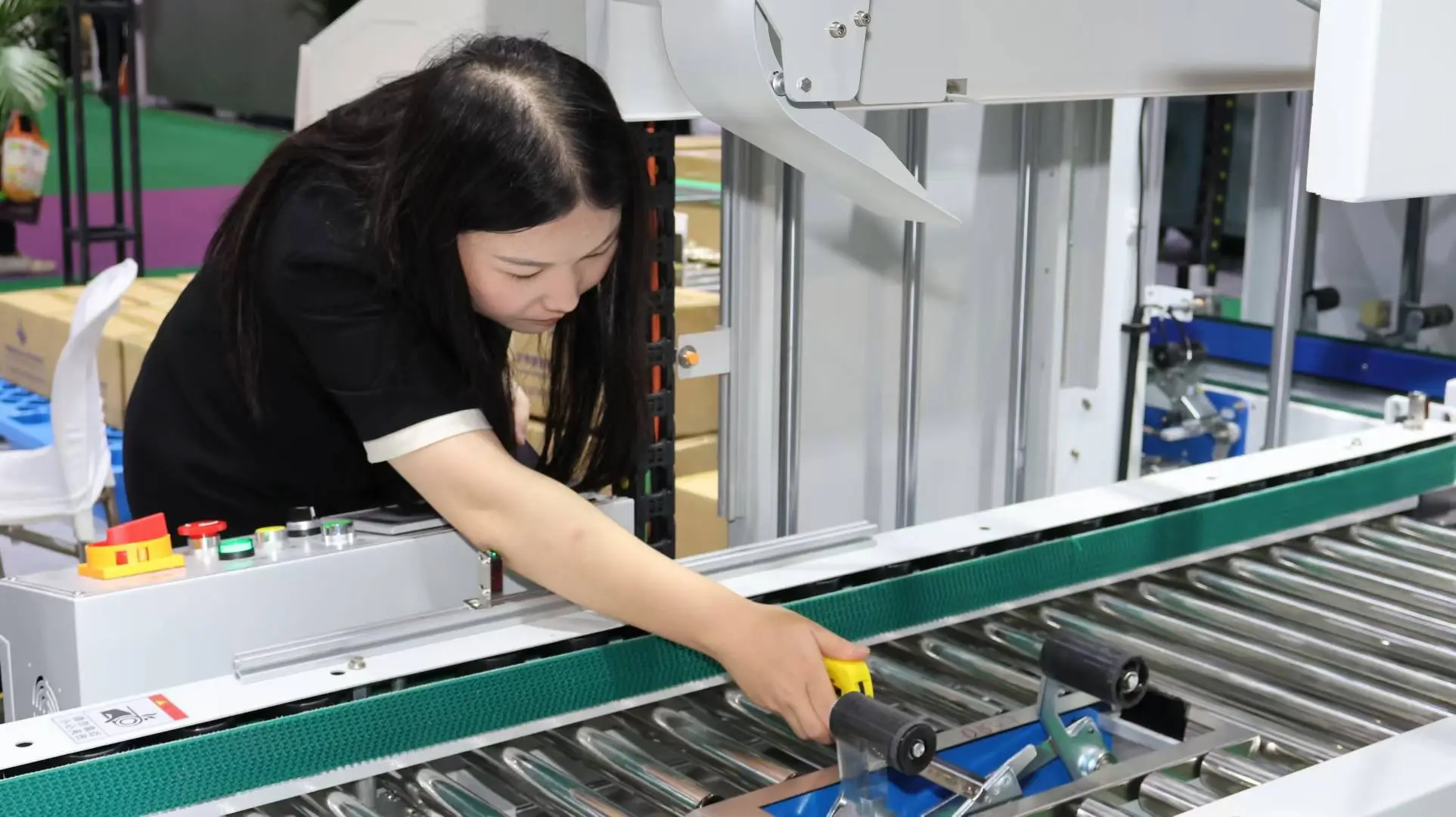
- Integration with Upstream/Downstream Systems: Bottlenecks in conveyors or sealing robots (like Huaxiu’s semi-automatic sealing systems) can limit overall efficiency.
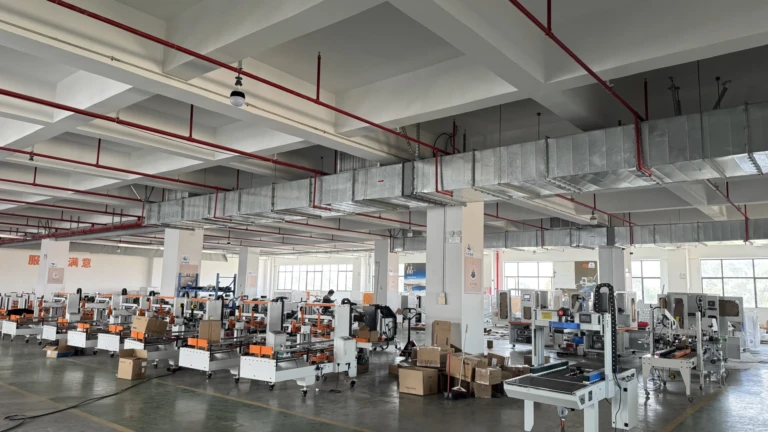
- Workspace Layout: A clutter-free environment maximizes the robot’s reach and minimizes cycle interruptions.
Optimizing the EC-101HS for Maximum Efficiency
To squeeze every second out of the palletizing process, consider these strategies:
- Simplify Patterns: Use software-preconfigured templates (e.g., column, brick, or pinwheel) to reduce programming downtime.
- Pair with Complementary Automation: Integrate with Huaxiu’s stretch film wrappers or strapping robots to create a seamless end-of-line workflow.
- Regular Maintenance: Lubricate joints and calibrate sensors quarterly to prevent wear-induced slowdowns.
- Software Upgrades: Leverage Huaxiu’s proprietary vision systems or AI-driven path optimization tools to adapt to new SKUs faster.
How Does the EC-101HS Compare to Other Palletizers?
While traditional high-speed palletizers (e.g., gantry systems) excel in heavy-duty scenarios, the EC-101HS shines in versatility and space efficiency for small-to-mid-size facilities:
- Collaborative Advantage: Unlike cage-guarded robots, the EC-101HS requires minimal safety distancing, allowing tighter integration with human operators.
- Scalability: Modular design enables easy expansion (e.g., adding a second arm) for growing throughput needs.
- ROI Efficiency: Lower upfront costs and energy consumption vs. bulkier systems.
Conclusion: Speed as a Gateway to Smarter Logistics
The Fuji ACE EC-101HS redefines palletizing speed not through raw power alone but via intelligent engineering that harmonizes velocity, precision, and adaptability. For warehouses seeking to balance throughput with flexibility, this robot offers a future-proof solution—especially when paired with Huaxiu Robot’s ecosystem of automated unpacking, sealing, and wrapping systems. By understanding the nuances of its performance, businesses can unlock productivity gains that ripple across their entire supply chain.
FAQs About the Fuji ACE EC-101HS Speed
-
Can the EC-101HS handle heavier loads at reduced speeds?
Yes—while its max payload is 10 kg, heavier items (up to 15 kg) can be handled at slower cycles by adjusting acceleration parameters. -
Does humidity or temperature affect its performance?
The robot operates optimally in 0–45°C (32–113°F) environments. Extreme conditions may slightly reduce motor efficiency. -
How does maintenance impact speed consistency?
Properly maintained EC-101HS units show <2% speed degradation over five years. Neglected systems risk 10–15% slowdowns due to friction or misalignment. -
Can it integrate with existing ERP/WMS systems?
Absolutely. Huaxiu provides API access for seamless data flow between the palletizer and warehouse management platforms. - Is the EC-101HS suitable for irregularly shaped items?
With Huaxiu’s adaptive vacuum or clamp grippers, it can handle bottles, bags, and boxes of varying dimensions—speed may dip by 10–20% for complex shapes.
Huaxiu Robot Expertise Note
As pioneers in robotic logistics automation, Huaxiu Robot’s suite of solutions—from collaborative palletizers to fully automatic stretch wrappers—ensures end-to-end efficiency. Our engineers optimize every system, including the Fuji ACE EC-101HS, to deliver tailored speed, reliability, and ROI.