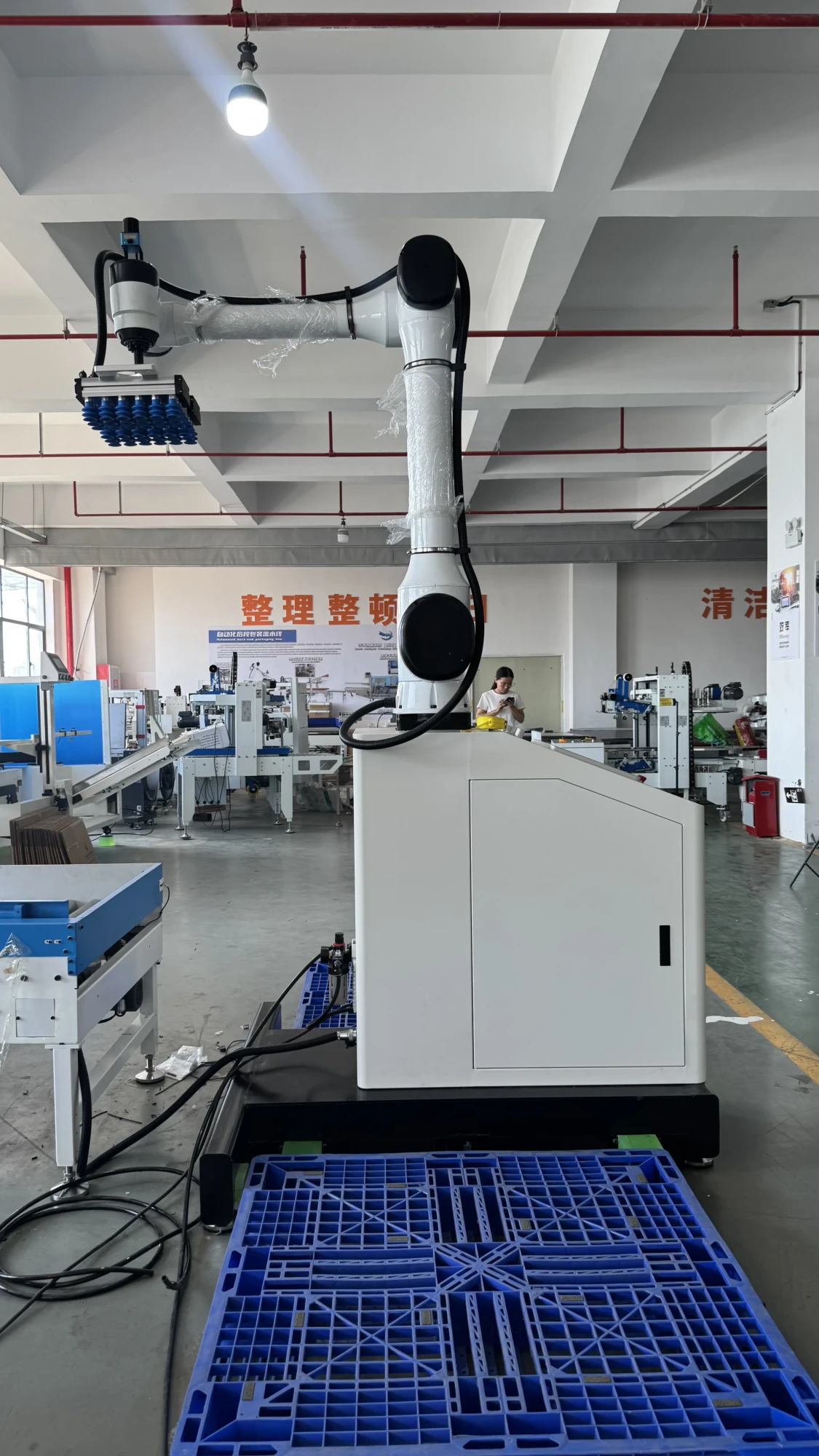
The Silent Revolution: How Pallet Picking Robots Are Transforming Warehouse Automation
In the relentless pursuit of operational efficiency, warehouses and distribution centers are undergoing a seismic shift. The days of manual pallet handling—prone to human error, fatigue, and inefficiency—are fading fast. Enter pallet picking robots, the unsung heroes of modern warehouse automation. These sophisticated machines are not just futuristic novelties; they’re proven solutions driving productivity, safety, and profitability. Let’s unpack how this technology works, why it’s essential, and how innovators like Huaxiu Robot are leading the charge.
What Are Pallet Picking Robots?
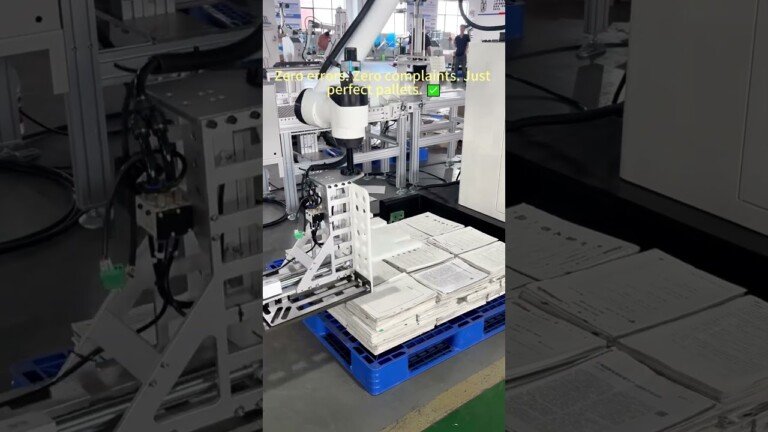
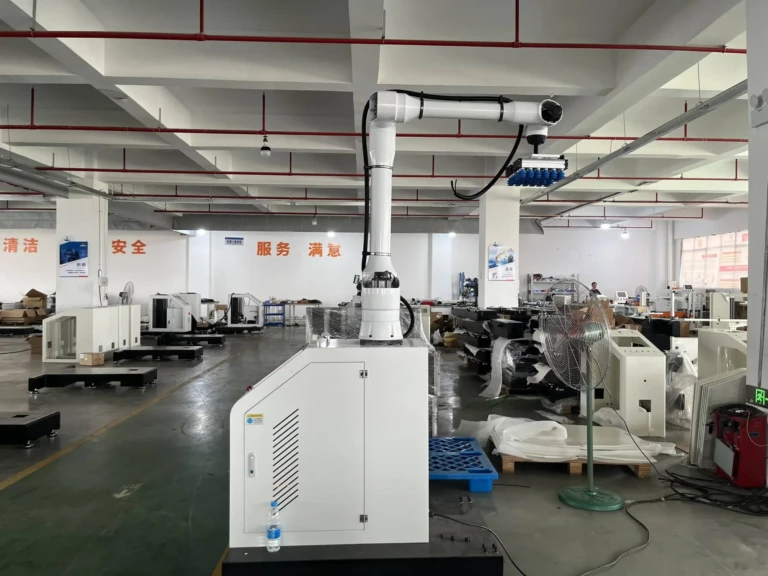
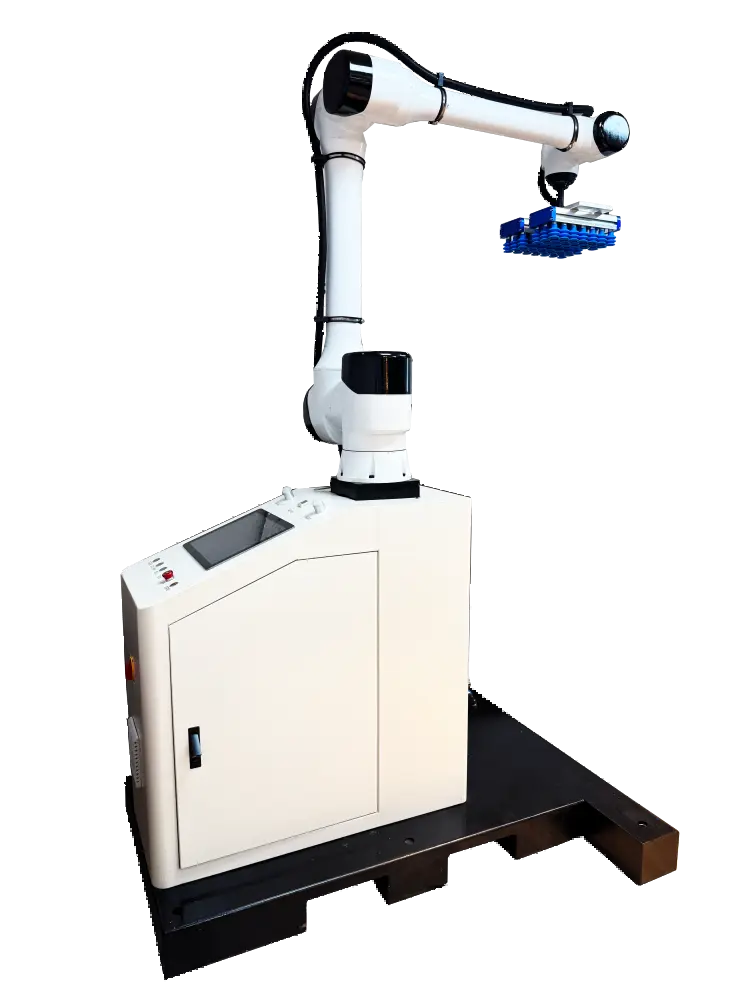
Pallet picking robots are autonomous or semi-autonomous systems designed to handle, stack, wrap, and transport palletized goods within warehouses. Using advanced sensors, AI algorithms, and precision mechanics, they replicate (and often surpass) human capabilities in speed, accuracy, and endurance. Unlike traditional automated systems, modern palletizing robots are increasingly collaborative, working alongside human teams without safety cages—thanks to breakthroughs in computer vision and adaptive grippers.
The Engine Beneath the Hood: Core Technologies
-
Machine Vision & AI Scanning:
Equipped with 3D cameras and LiDAR, these robots identify pallet orientation, product dimensions, and stacking patterns in real time. AI algorithms optimize grab points, adapt to irregular shapes, and even predict load stability risks. -
Multi-Functional End Effectors:
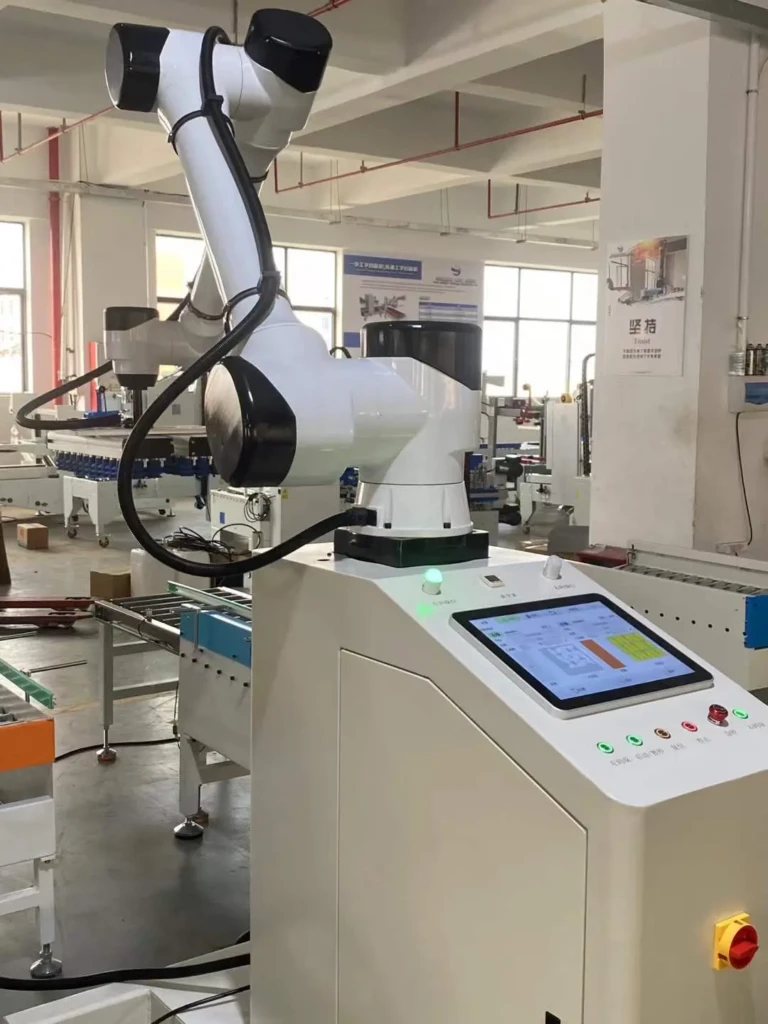
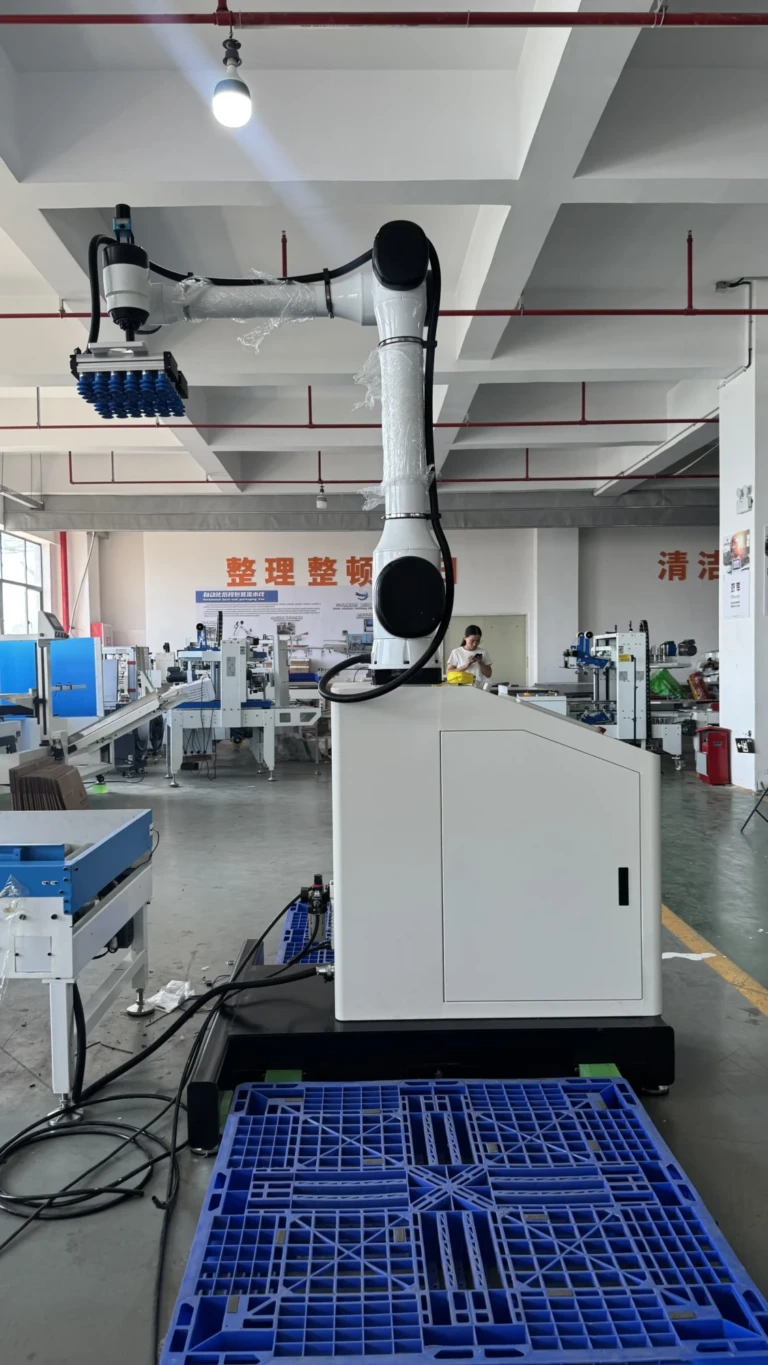
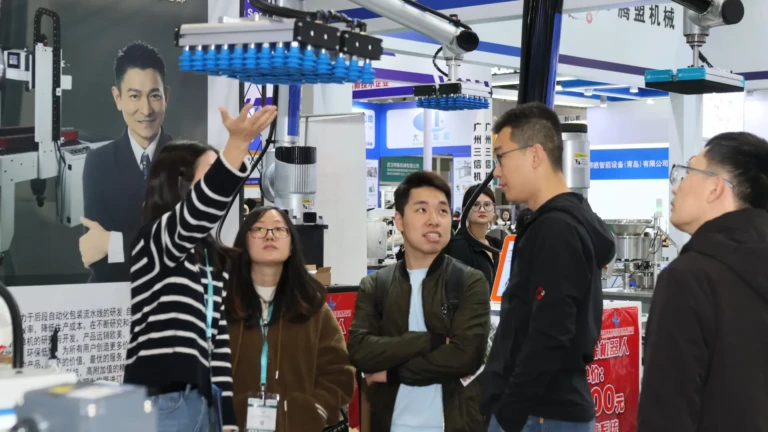
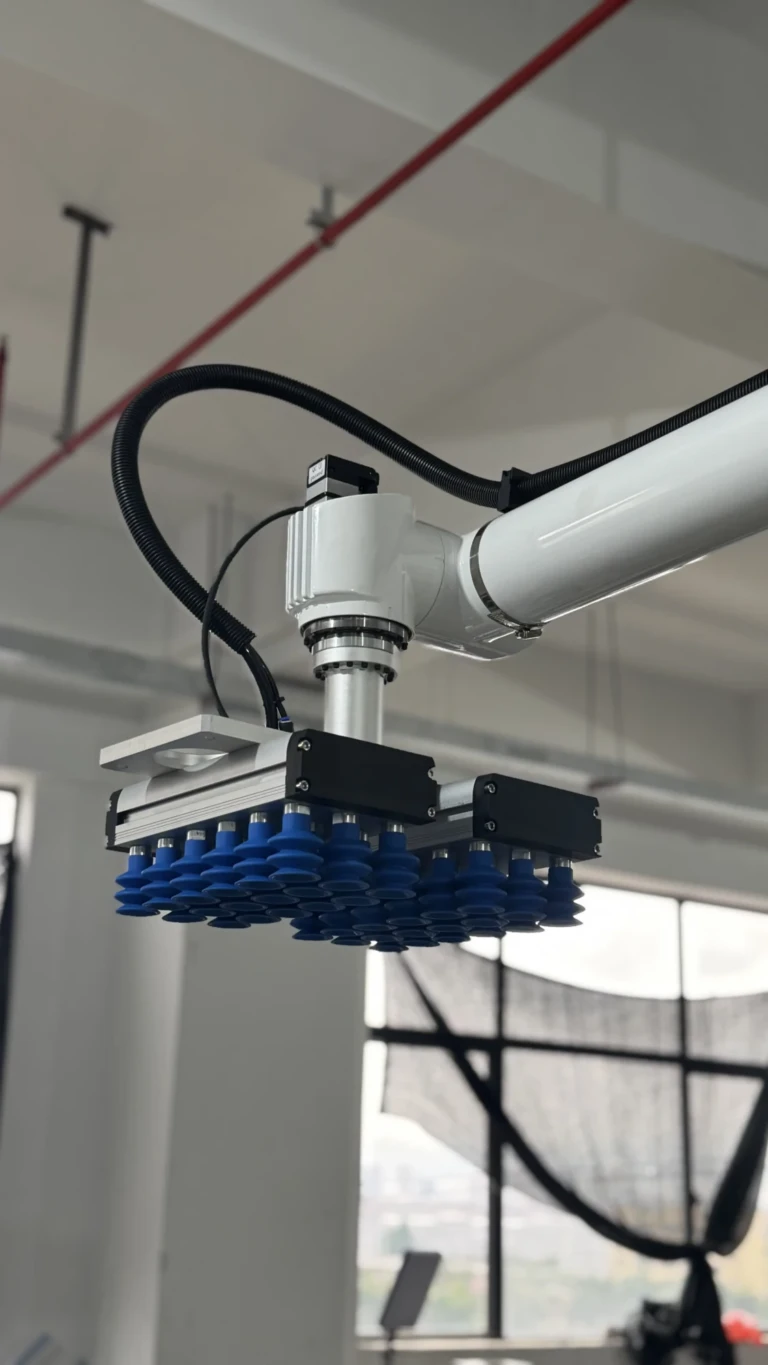
From vacuum grippers for boxes to mechanical arms for barrels, robots like Huaxiu’s collaborative palletizing robots handle diverse products without manual reconfiguration. -
Integrated Fleet Management:
Multiple robots synchronize via centralized software, orchestrating tasks like transport, strapping, and labeling seamlessly. For example, Huaxiu’s fully automatic stretch film packaging robots can wrap pallets while automatic sealing robots secure cartons—all within a unified workflow. - Edge Computing & IoT Connectivity:
Real-time data on robot performance, maintenance needs, and throughput is fed into predictive analytics dashboards, enabling proactive optimization.
Where Do They Shine? Key Applications
- E-commerce Fulfillment: High-speed picking for mixed-SKU pallets, crucial for next-day delivery demands.
- Food & Beverage: Hygienic, temperature-resistant robots handle perishables without contamination risks.
- Pharmaceuticals: Precision stacking of fragile or high-value items with audit-compliant tracking.
- Manufacturing: Just-in-time pallet delivery to production lines, minimizing downtime.
The Tangible Benefits: Beyond Labor Savings
- 25–70% Faster Cycle Times: Robots work 24/7 without breaks, slashing order processing windows.
- Near-Zero Error Rates: Machine vision ensures accurate SKU placement, eliminating mispicks and returns.
- Safer Work Environments: Reduced heavy lifting cuts musculoskeletal injuries by up to 90%.
- Scalability: Modular systems (like Huaxiu’s semi-automatic sealing robots) allow phased deployment, aligning automation costs with growth.
- Space Optimization: Compact robotic cells free up floor space versus traditional conveyors.
Huaxiu Robot: A Symphony of Automation Solutions
While pallet picking is the star, true efficiency emerges when robots operate as an ecosystem. Huaxiu’s integrated portfolio eliminates bottlenecks at every touchpoint:
- Pallet Formation & Reinforcement: Pallet forming robots build stable bases, while strapping robots secure loads.
- Packaging Integrity: Automatic unpacking/sealing robots maintain box integrity, critical for damage-prone goods.
- End-of-Line Excellence: Shrink packaging robots and stretch film wrappers ensure weather-resistant transit readiness.
This end-to-end automation not only boosts throughput but simplifies compliance with retail-specific pallet standards (e.g., FDA, FEFO).
Debunking the Myths: Are Robots Right for You?
-
Myth 1: “Only large warehouses can afford robotics.”
Reality: Huaxiu’s semi-automatic systems (like their semi-automatic sealing robots) offer entry-level automation for SMBs, with ROI often under 12 months. -
Myth 2: “Robots eliminate jobs.”
Reality: A 2023 MHI Report shows automation typically upskills labor—technicians overseeing robotic fleets earn 35% more than manual handlers. - Myth 3: “Integration disrupts operations.”
Reality: Modern systems use plug-and-play APIs, minimizing downtime during deployment.
Conclusion: The Future Is Collaborative
Pallet picking robots are no longer a luxury—they’re a necessity in an era of razor-thin margins and consumer demands for speed. As AI and interoperability advance, we’ll see even tighter collaboration between humans and machines, with robots handling repetitive tasks while workers focus on strategy and exception management. Companies like Huaxiu Robot exemplify this evolution, offering not just isolated machines but holistic ecosystems that redefine what’s possible in logistics.
The question isn’t if you should automate pallet handling—it’s how quickly you can start.
FAQs
Q1: How do pallet picking robots handle mixed-SKU pallets?
A: Advanced vision systems scan each item’s barcode/dimensions, while AI plans optimal stacking sequences to maximize stability and minimize empty space.
Q2: What’s the maintenance cost for these robots?
A: Typically 5–10% of the initial purchase price annually, with modular designs allowing component-level repairs. Huaxiu’s robots feature self-diagnostic tools to preempt failures.
Q3: Can they integrate with existing WMS/ERP systems?
A: Yes. Most robots use open-source protocols (e.g., REST APIs) to sync with software like SAP or Oracle within hours.
Q4: Are there payload limitations?
A: Current models handle 1,500–3,000 kg, though heavy-duty variants exist for industrial loads. Always match the robot’s specs to your typical unit load.
Q5: How long does implementation take?
A: For a single robot cell: 2–4 weeks. For complex fleets with wrapping/sealing integration: 8–12 weeks.
Q6: Do they require specialized infrastructure?
A: Standard 480V power and flat concrete floors suffice. No structural modifications are needed for most systems.
Ready to transform your warehouse? The age of intelligent automation is here—and it’s working quietly, efficiently, and relentlessly.