Introduction
Imagine a bustling warehouse where pallets move seamlessly through narrow aisles without human intervention, stacking products with millimeter precision while operating 24/7. This isn’t science fiction—it’s the reality enabled by pallet shuttle robots, a game-changer for modern logistics. As supply chains face relentless pressure to deliver faster, cheaper, and more accurately, automation tools like these are no longer optional—they’re essential. Let’s explore how integrating pallet shuttle robots can transform your operations, slash costs, and future-proof your business.
How Pallet Shuttle Robots Work
Pallet shuttle robots are autonomous, rail-guided vehicles designed for high-density storage in facilities like Automated Storage and Retrieval Systems (AS/RS). Equipped with sensors, laser guidance, and intelligent software, they operate within compact racking systems to:
- Transport pallets between loading stations and storage lanes.
- Optimize space by eliminating the need for forklift aisles.
- Execute tasks via centralized Warehouse Management System (WMS) commands.
Unlike manual handling, these robots work flawlessly in sub-zero cold storage or dark warehouses, ensuring uninterrupted operations.
5 Ways Pallet Shuttle Robots Turbocharge Efficiency
1. Up to 4x Faster Throughput
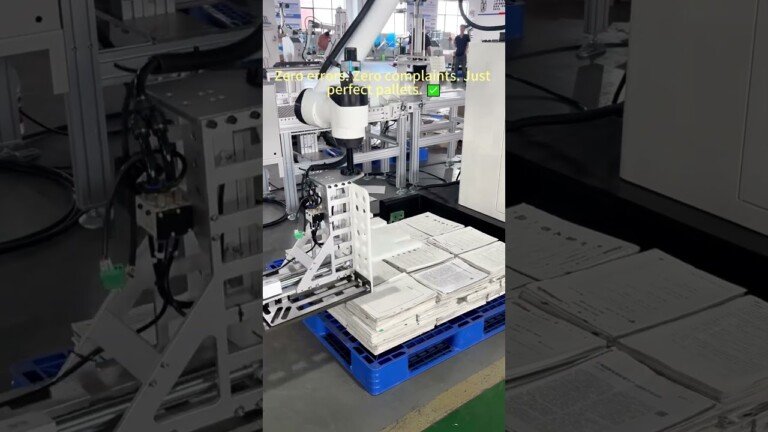
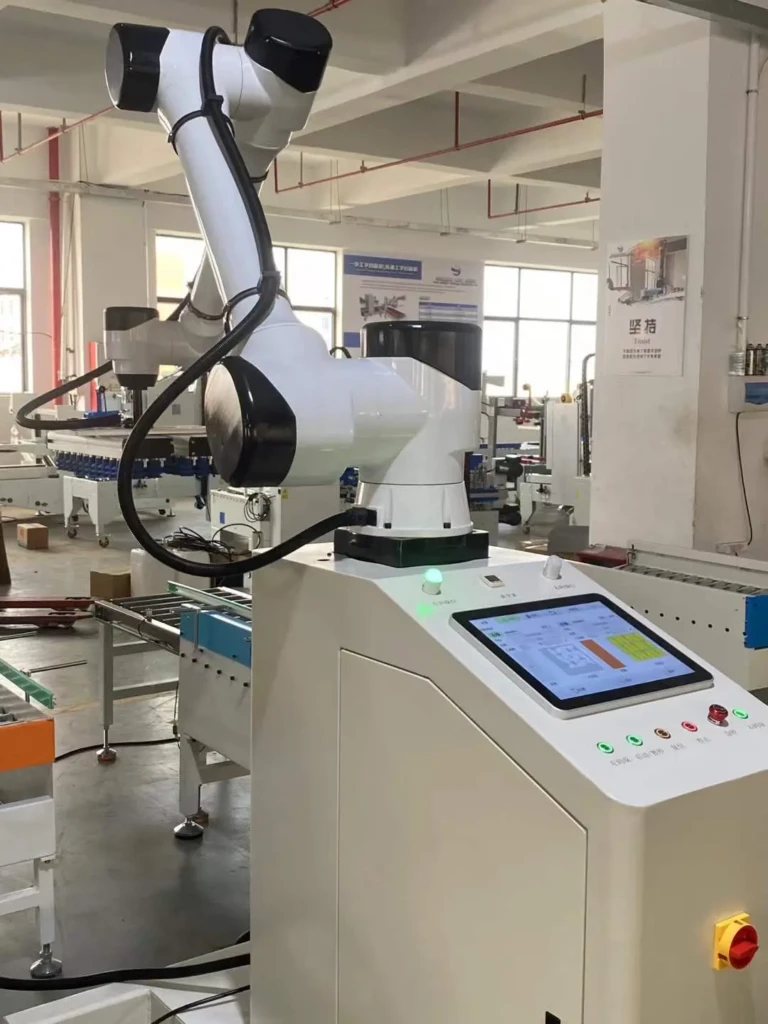
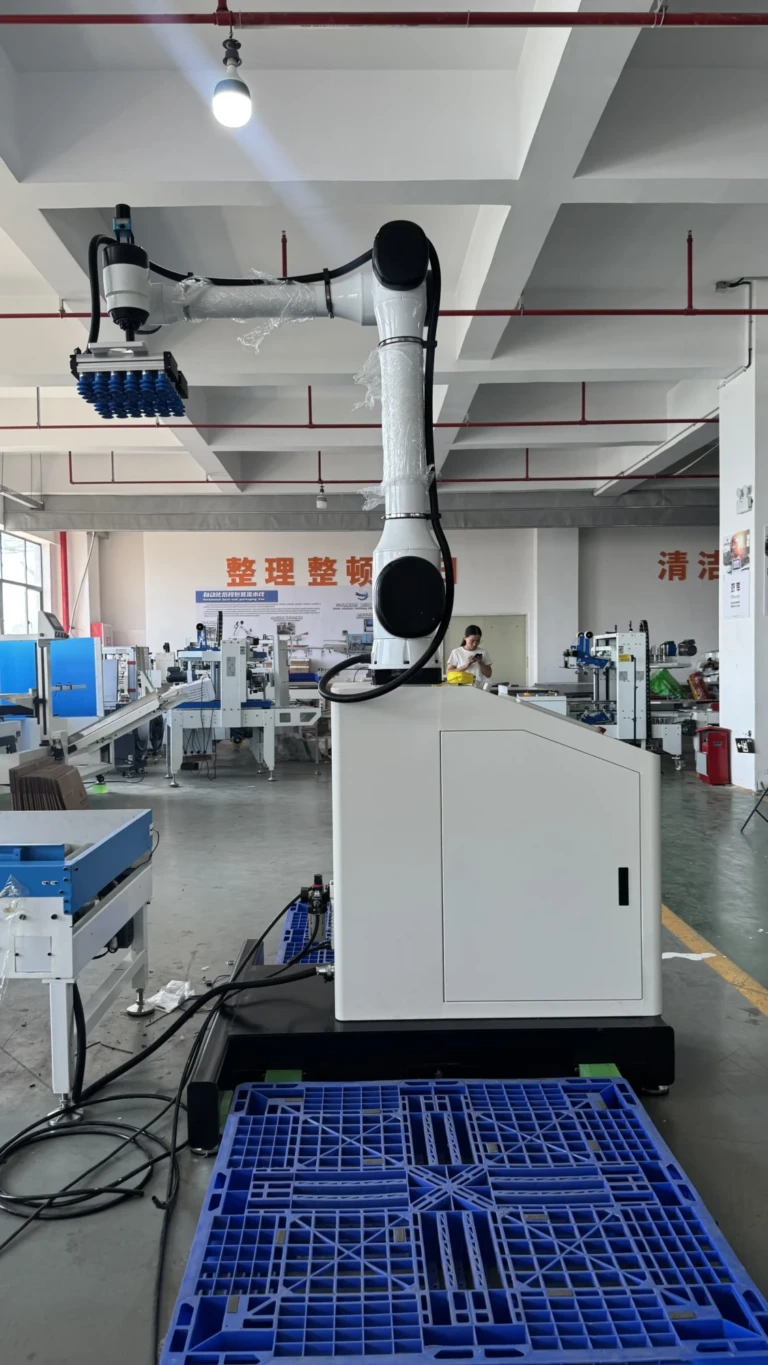
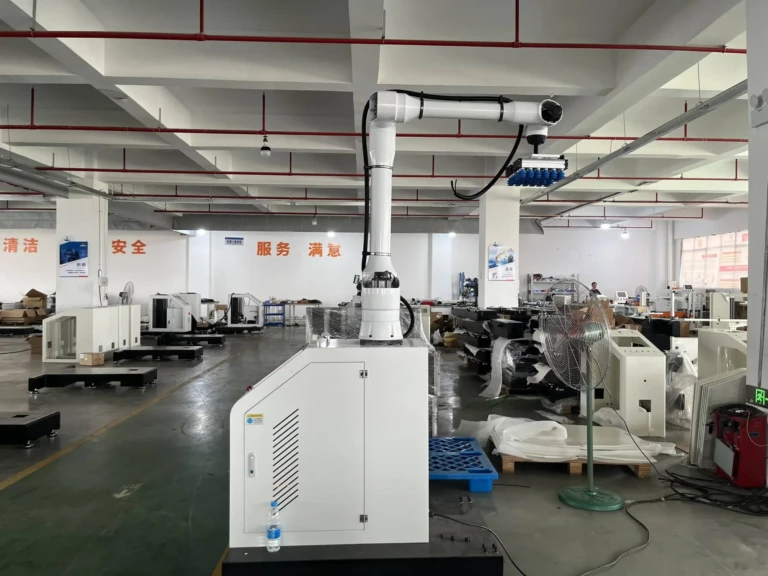
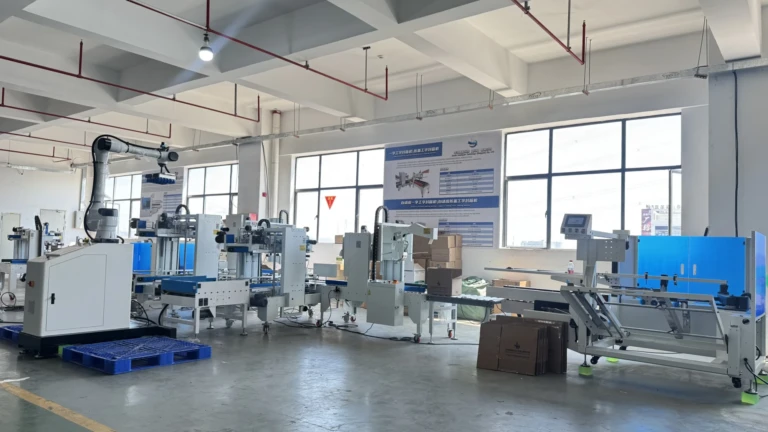
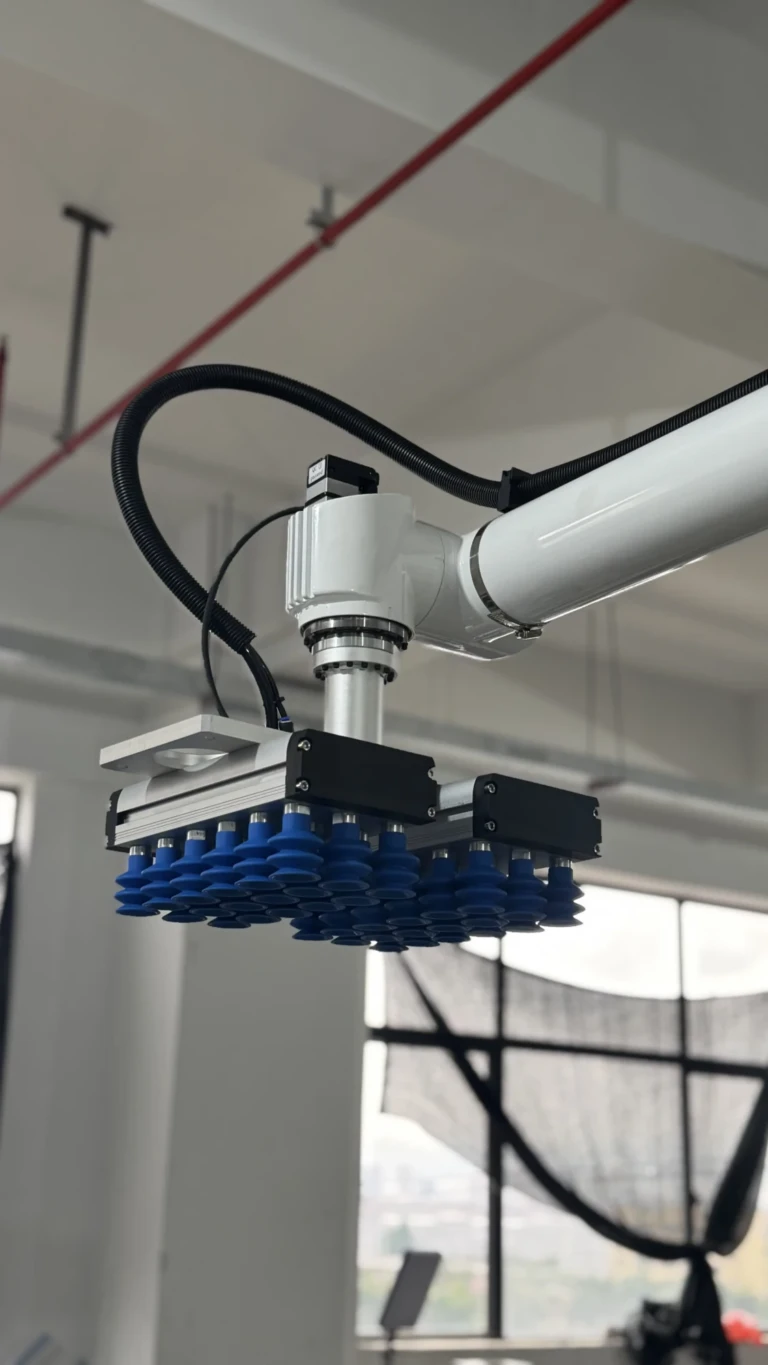
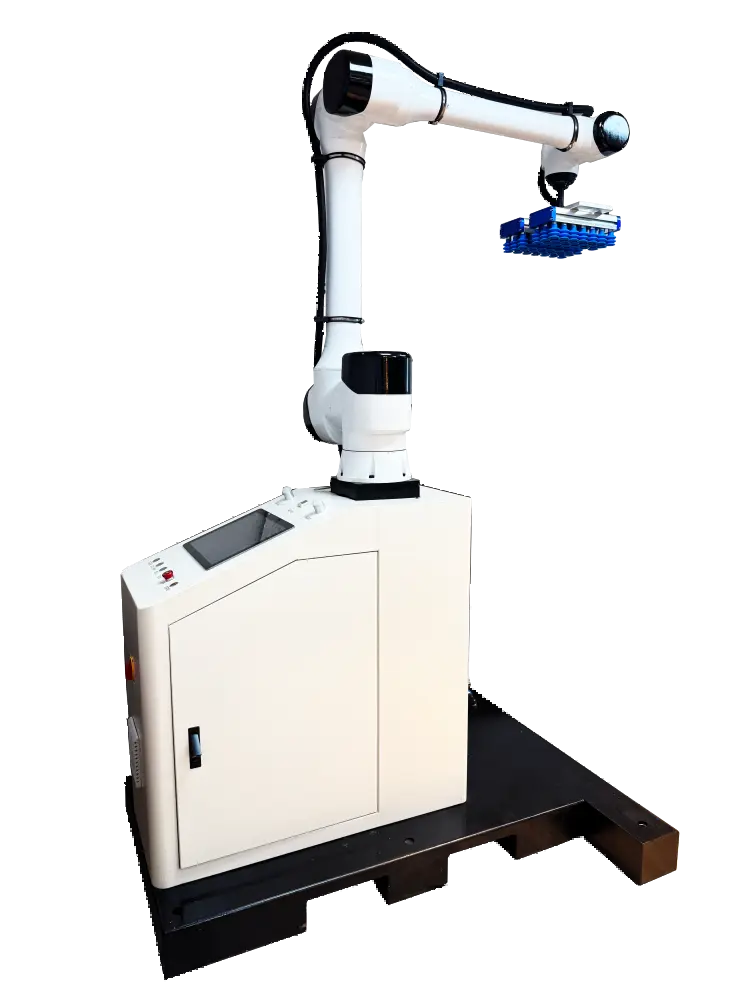
Manual pallet handling is slow, error-prone, and limited by labor shifts. Pallet shuttle robots cut cycle times by 70%, moving 50+ pallets per hour with zero downtime. For example, Huaxiu’s shuttle robots synchronize seamlessly with their collaborative palletizing robots and strapping robots, creating a fluid, end-to-end process from production to dispatch.
2. 40% Greater Storage Density
By removing the need for wide forklift aisles, shuttle systems allow warehouses to store more goods in the same footprint. Deep-lane racking setups accommodate 30+ pallets in a single row, a critical advantage for high-volume e-commerce or seasonal industries.
3. Pinpoint Accuracy & Reduced Damage
Human errors—like misaligned pallets or collisions—cost companies up to $1.2M annually in damaged goods. Pallet shuttles mitigate this risk with:
- Laser-guided positioning (±2mm accuracy).
- Anti-collision algorithms.
- Real-time inventory tracking, integrated with Huaxiu’s fully automatic stretch film packaging robots to ensure load stability.
4. Lower Lifetime Costs
While the upfront investment is higher than manual systems, ROI kicks in fast:
- Labor Savings: One shuttle system replaces 3–4 forklift operators.
- Energy Efficiency: Electric shuttles consume 60% less power than traditional machinery.
- Longevity: Minimal moving parts mean fewer breakdowns. Huaxiu’s models include self-diagnostic features to preempt maintenance needs.
5. Agile Scalability
Shuttle robots adapt to fluctuating demand. Start with a single unit in a high-traffic zone, then expand fleet sizes or integrate with Huaxiu’s pallet-forming robots and shrink packaging robots as needs evolve.
Real-World Applications
- Cold Storage Logistics: Shuttle robots thrive in freezer warehouses (-25°C), where human labor is hazardous and costly.
- Pharma & Food: Compliance with strict hygiene/traceability standards is streamlined via automated digital logs.
- B2C E-Commerce: Pair shuttles with Huaxiu’s automatic unpacking robots to accelerate order fulfillment during peak seasons.
The ROI Equation: Are Shuttle Robots Worth It?
A medium-sized warehouse handling 500 pallets daily can expect:
- Payback Period: 18–24 months.
- Annual Savings: $250K+ from labor, energy, and waste reduction.
- Intangible Gains: Enhanced safety, scalability, and customer satisfaction.
Pro Tip: Pilot the technology in one zone first. Huaxiu offers customizable retrofitting solutions, such as integrating semi-automatic sealing robots to phase automation gradually.
Future-Proofing Warehouses with Huaxiu’s Ecosystem
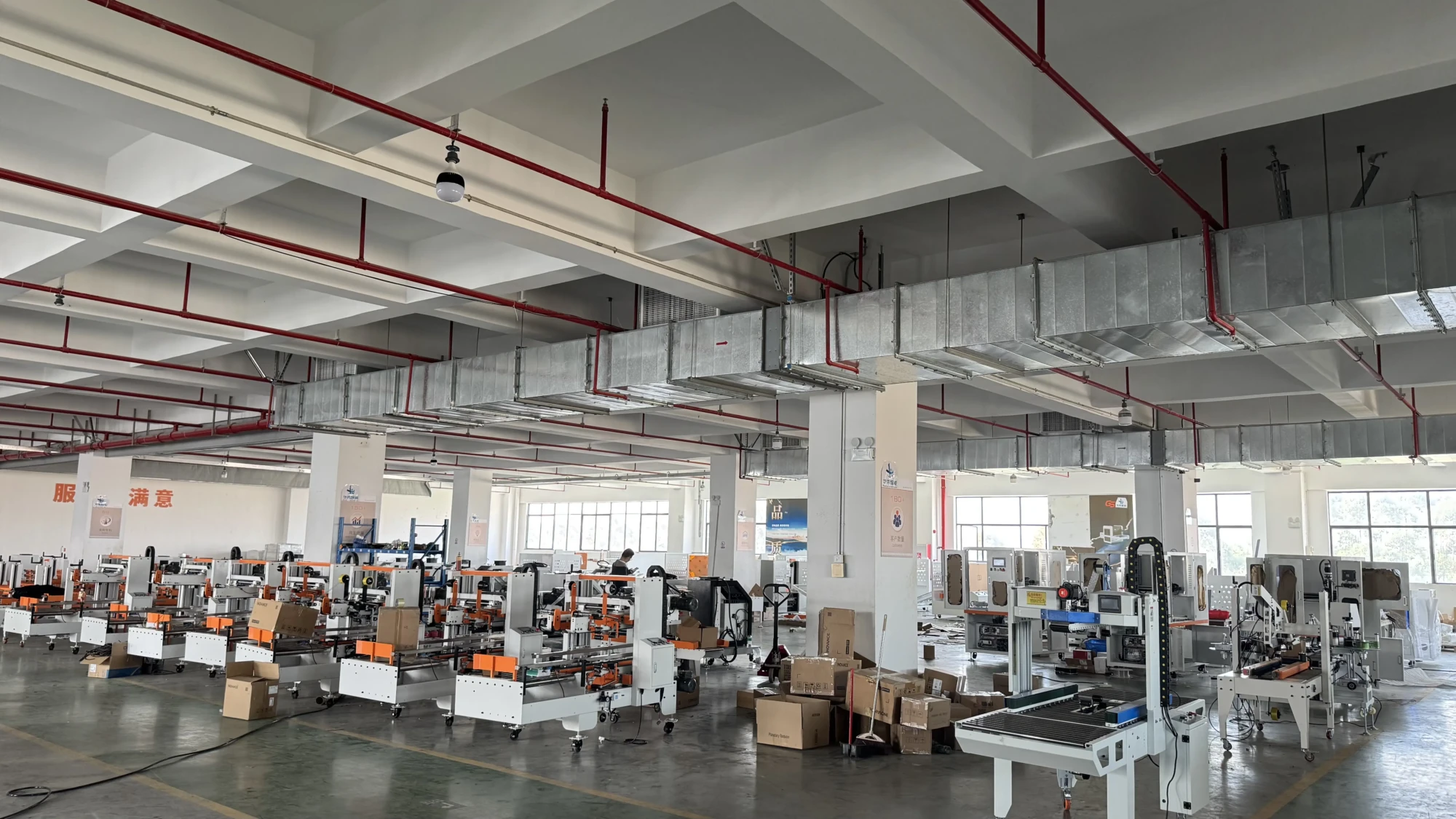
Pallet shuttle robots are just one link in the automation chain. Huaxiu’s holistic product range—from automatic sealing robots to collaborative palletizers—creates a cohesive workflow. Picture a facility where shuttle robots retrieve pallets, automated strappers secure loads, and stretch film wrappers prepare them for shipping—all orchestrated by AI.
Conclusion
Pallet shuttle robots represent a quantum leap in warehousing efficiency. They solve critical pain points—space constraints, labor shortages, and accuracy gaps—while laying the groundwork for fully autonomous “dark warehouses.” As pioneers like Huaxiu Robot continue refining these systems with smarter software and modular integrations, early adopters will dominate their markets. The question isn’t whether to automate—it’s when, and pallet shuttles offer one of the fastest paths to ROI.
FAQs
Q: Can shuttle robots handle mixed SKU warehouses?
A: Absolutely. Advanced models use barcode/RFID scanning to sort and store varying product types accurately.
Q: How long does installation take?
A: Retrofitting existing racking takes 2–4 weeks. New builds might require 8–12 weeks for full integration.
Q: What’s the difference between single-deep and double-deep shuttles?
A: Single-deep systems access one pallet depth per aisle; double-deep models retrieve two pallets deep, doubling density but requiring specialized forklifts for loading.
Q: Do they work with FIFO and LIFO systems?
A: Yes. Shuttles easily toggle between First-In-First-Out (e.g., perishables) and Last-In-First-Out (e.g., bulk retail goods) logic.
Q: What if a shuttle breaks down?
A: Most systems deploy multiple shuttles per aisle. If one malfunctions, others compensate while it’s repaired—no operational disruption.
Q: Can Huaxiu’s robots integrate with my current WMS?
A: Yes. Huaxiu designs interoperable systems compatible with major platforms like SAP or Oracle via API.
Q: Are there lightweight shuttles for small businesses?
A: Compact models handling 1-ton loads are ideal for SMEs. Pair them with Huaxiu’s semi-automatic sealing robots for a balanced automation entry point.
For tailored solutions matching your operational scale and sector, explore Huaxiu’s integrated robotics ecosystem—where cutting-edge engineering meets real-world logistics demands.