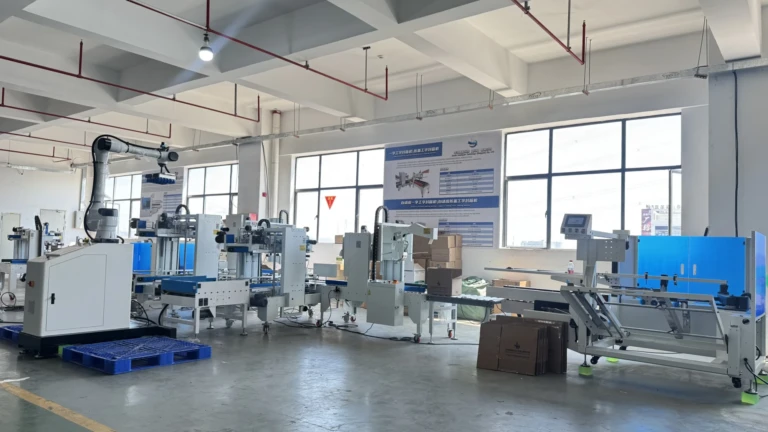

The Dawn of AGV Pallet Robots: Redefining Industrial Automation
The manufacturing and logistics sectors are undergoing a seismic shift, driven by the rapid adoption of Automated Guided Vehicles (AGVs)—and pallet-handling AGVs are at the forefront of this revolution. Unlike traditional forklifts or manual material handling systems, AGV pallet robots represent a smarter, safer, and more sustainable path forward. These self-navigating vehicles are transforming warehouses, factories, and distribution centers into agile, data-driven ecosystems. As industries grapple with labor shortages, rising operational costs, and demands for faster order fulfillment, AGV pallet robots emerge not as a luxury but as a cornerstone of future-ready operations.
Why AGV Pallet Robots Are the Future of Automation
AGV pallet robots eliminate the inefficiencies of human-reliant workflows. Equipped with advanced sensors, AI-driven navigation, and real-time fleet management capabilities, these robots excel in repetitive tasks like transporting palletized goods, sorting inventory, and optimizing storage layouts. Here’s how they’re reshaping automation:
-
Intelligent Navigation & Adaptability
Modern AGVs use LiDAR, vision systems, and Simultaneous Localization and Mapping (SLAM) algorithms to navigate dynamically. Unlike fixed conveyor belts or rail-guided systems, AGV pallet robots adapt to changing floor plans, avoiding obstacles and recalculating paths on the fly. This flexibility is critical for industries scaling operations or reconfiguring layouts seasonally. -
24/7 Operational Capacity
AGVs work tirelessly without breaks, shifts, or fatigue. In e-commerce hubs facing relentless delivery pressures or factories operating round-the-clock, this translates to uptime improvements of 30–50%, drastically reducing bottlenecks. -
Seamless Software Integration
Leading AGV platforms, like those from Huaxiu Robot, integrate with Warehouse Management Systems (WMS) and Enterprise Resource Planning (ERP) software. This enables end-to-end traceability, predictive maintenance, and data analytics—turning raw operational data into actionable insights. - Safety by Design
AGV pallet robots mitigate workplace hazards with collision-avoidance sensors, emergency braking, and predefined safety zones. In facilities with mixed human-robot workflows, this reduces accidents by up to 70% compared to manual handling.
Beyond Basic Transport: Advanced Capabilities
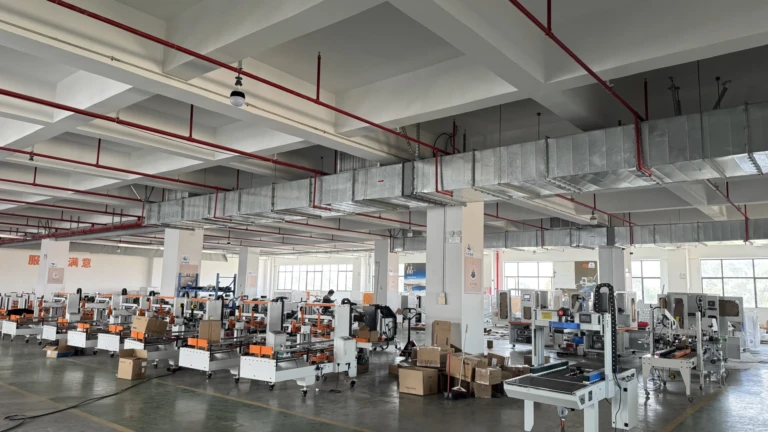
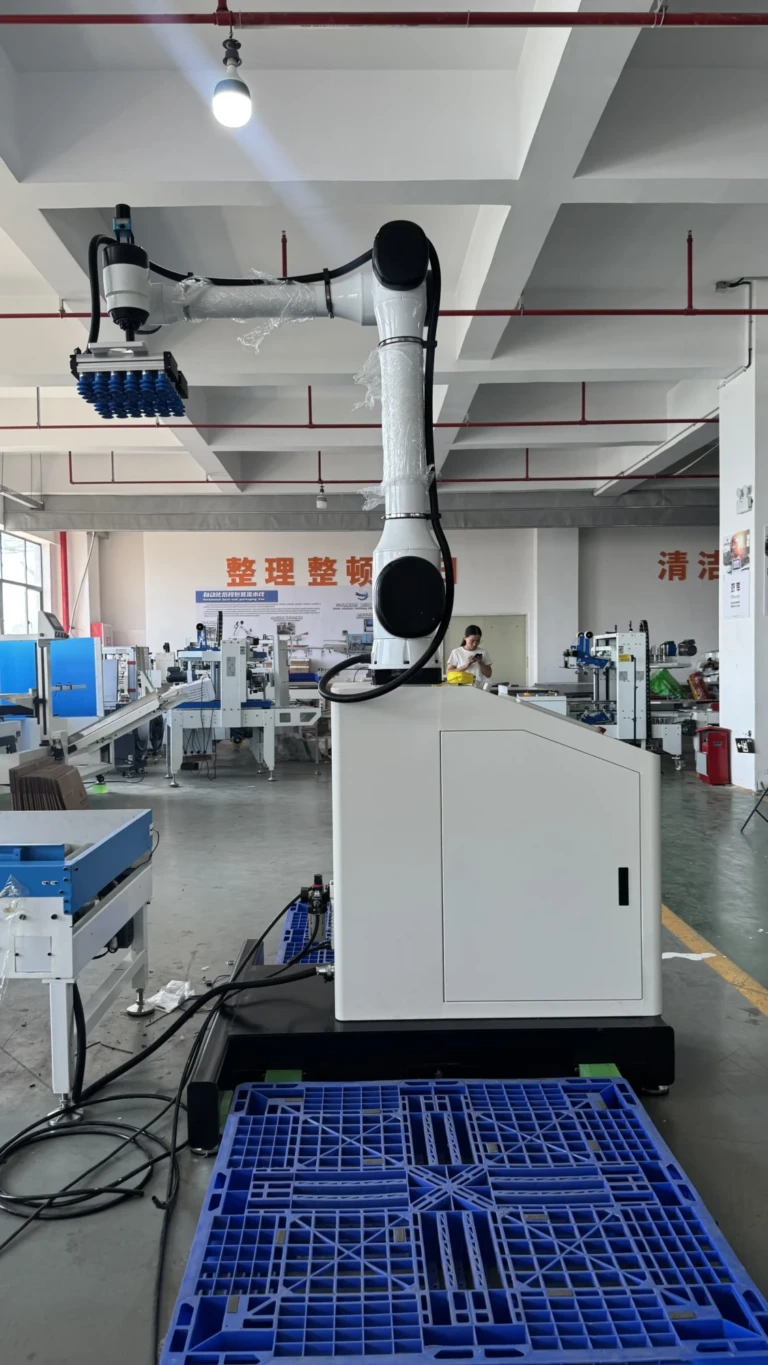
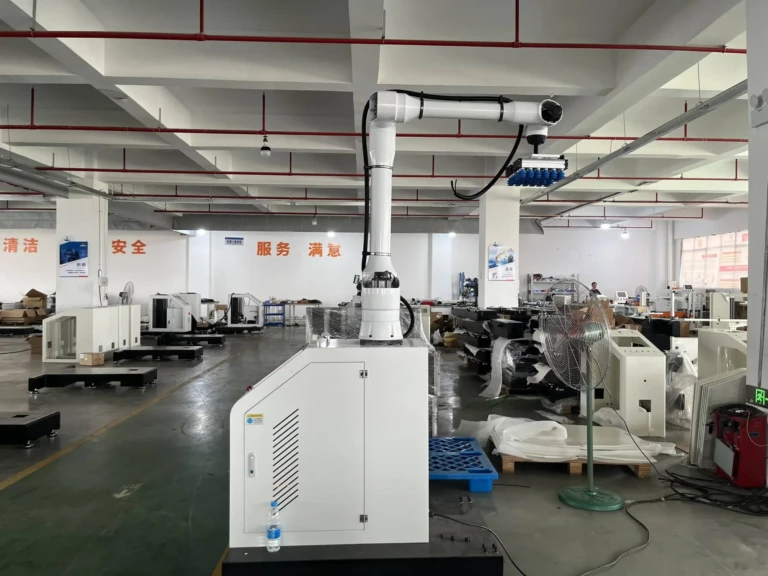
The latest AGV pallet robots transcend simple point-to-point movement. Innovations like Huaxiu Robot’s integrated solutions—which include palletizing, strapping, stretch-wrapping, and sealing robots—create closed-loop automation ecosystems. For instance:
- A pallet-forming AGV can autonomously stack, secure, and wrap pallets, then transport them to loading docks.
- Collaborative palletizing robots work alongside humans to handle fragile or irregularly shaped items.
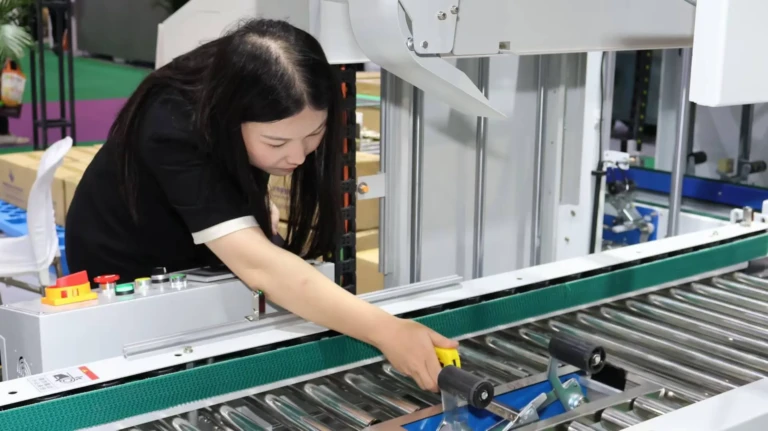
- Automatic sealing and strapping robots ensure consistency in packaging quality, reducing material waste.
This holistic approach minimizes human touchpoints, accelerates throughput, and maintains uniform product integrity from production to shipping.
The ROI Revolution: Cost vs. Value
While the upfront cost of AGV pallet robots may give pause, their long-term value is undeniable:
- Labor Cost Reduction: Automating pallet transport can cut labor expenses by 40–60%.
- Error Minimization: Automated systems reduce misplacement, damage, and mis-shipments by over 90%.
- Space Optimization: AGVs’ precision maneuvering allows for tighter racking configurations, increasing storage density by up to 20%.
- Scalability: Modular AGV fleets can expand or reconfigure as business needs evolve—no costly infrastructure overhauls required.
Driving Sustainability and Compliance
AGV pallet robots contribute to ESG (Environmental, Social, Governance) goals:
- Energy Efficiency: Electric AGVs lower carbon footprints compared to fossil fuel-powered forklifts.
- Waste Reduction: Automated packaging robots (like Huaxiu’s stretch film and strapping systems) use exact material quantities, eliminating excess.
- Regulatory Alignment: Consistent documentation of handling processes aids compliance with safety and quality standards (e.g., ISO, OSHA).
Implementing AGV Pallet Robots: Key Considerations
1. Infrastructure Readiness:
Assess facility Wi-Fi coverage, floor conditions, charging stations, and workflow patterns. SLAM-based AGVs require minimal infrastructure, making them ideal for brownfield sites.
2. Workflow Optimization:
Identify high-impact areas—like loading bays or high-traffic corridors—where AGVs can maximize ROI. Phase deployments to minimize disruption.
3. Vendor Ecosystem:
Partner with providers like Huaxiu Robot, which offer end-to-end solutions (from robots to software) and localized support.
4. Workforce Upskilling:
Train staff to supervise, program, and maintain AGV fleets. This transforms operational roles from manual labor to tech-driven oversight.
Conclusion: The Unstoppable Rise of AGV Automation
AGV pallet robots are no longer a futuristic concept—they’re a present-day imperative. By blending autonomous mobility, intelligent software, and versatile payload handling, they address the core challenges of modern industry: speed, safety, and scalability. Companies slow to adopt risk falling behind competitors who leverage these technologies to slash costs, boost productivity, and meet ever-tighter customer expectations.
As pioneers like Huaxiu Robot continue to innovate, expect AGVs to grow even more sophisticated—think swarm intelligence, predictive analytics, and tighter human-robot collaboration. The future of automation isn’t just automated; it’s adaptive.
FAQs: AGV Pallet Robots Demystified
Q1: How do AGV pallet robots navigate without predefined paths?
Modern AGVs use fusion positioning systems (LiDAR + cameras + inertial sensors) and SLAM algorithms to build real-time maps of their environment, enabling free-roaming navigation.
Q2: Can AGVs work alongside human employees safely?
Yes. Safety-certified AGVs feature laser scanners, 360° obstacle detection, and speed restrictions in shared zones. Many comply with ISO 3691-4 standards for industrial safety.
Q3: What industries benefit most from AGV pallet robots?
Manufacturing, food & beverage, pharmaceuticals, e-commerce fulfillment, and automotive sectors see significant gains due to their high-volume pallet movements.
Q4: How long does AGV implementation take?
Depending on fleet size and complexity, deployment can take 4–12 weeks. SLAM-based systems require less downtime than traditional AGVs with magnetic tape or QR code setups.
Q5: Can AGVs handle multi-brand pallet types or irregular loads?
Advanced models, like Huaxiu’s collaborative palletizing robots, use vision systems and adaptive grippers to manage mixed pallet configurations, sacks, or odd-shaped items.
Q6: What’s the typical lifespan of an AGV pallet robot?
With proper maintenance, AGVs last 7–10 years. Regular software updates and modular components (e.g., replaceable batteries) extend longevity.
Embrace the future—where every pallet moves smarter, safer, and faster.