The Essential Guide to China’s Palletizing Robot Costs in 2024
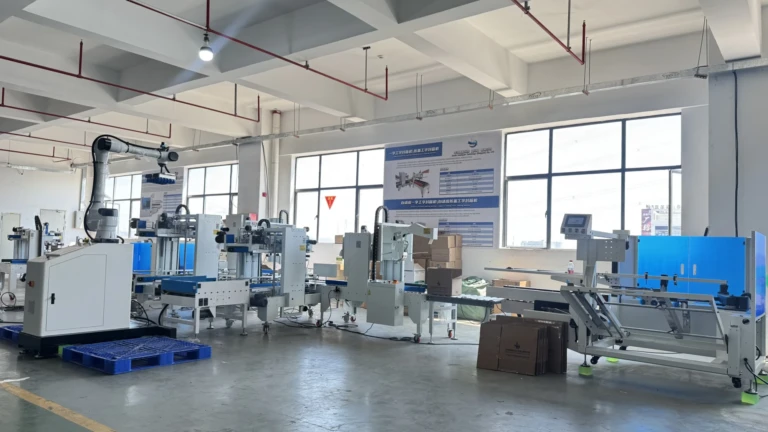
The rise of automation in China’s manufacturing and logistics sectors has transformed palletizing from a labor-intensive task into a precision-driven operation. For businesses exploring robotic palletizing solutions, understanding the cost landscape is critical for budgeting and ROI calculations. In 2024, China remains a global leader in robotic palletizing systems, offering a spectrum of options tailored to diverse industrial needs. This guide dives into the key cost factors, emerging trends, and how brands like Huaxiu Robot are shaping the market.
Why Palletizing Robots? The Business Case
Palletizing robots optimize efficiency, reduce human error, and minimize workplace injuries. With China’s labor costs rising (+8.3% year-on-year in manufacturing, per 2023 data), automation pays off faster than ever. Typical ROI periods now range from 12–24 months, depending on throughput and application complexity.
Decoding Palletizing Robot Costs in 2024
Costs vary significantly based on payload capacity, speed, customization, and integration depth. Below is a breakdown:
1. Robot Hardware Costs
- Entry-Level (≤50 kg payload):
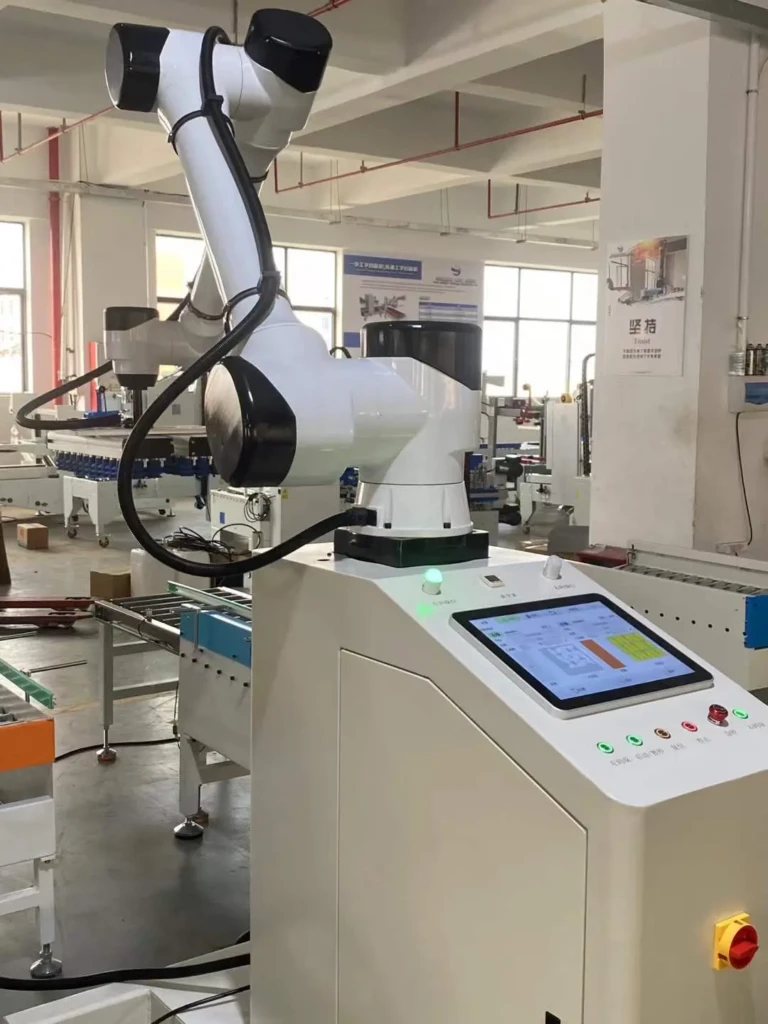
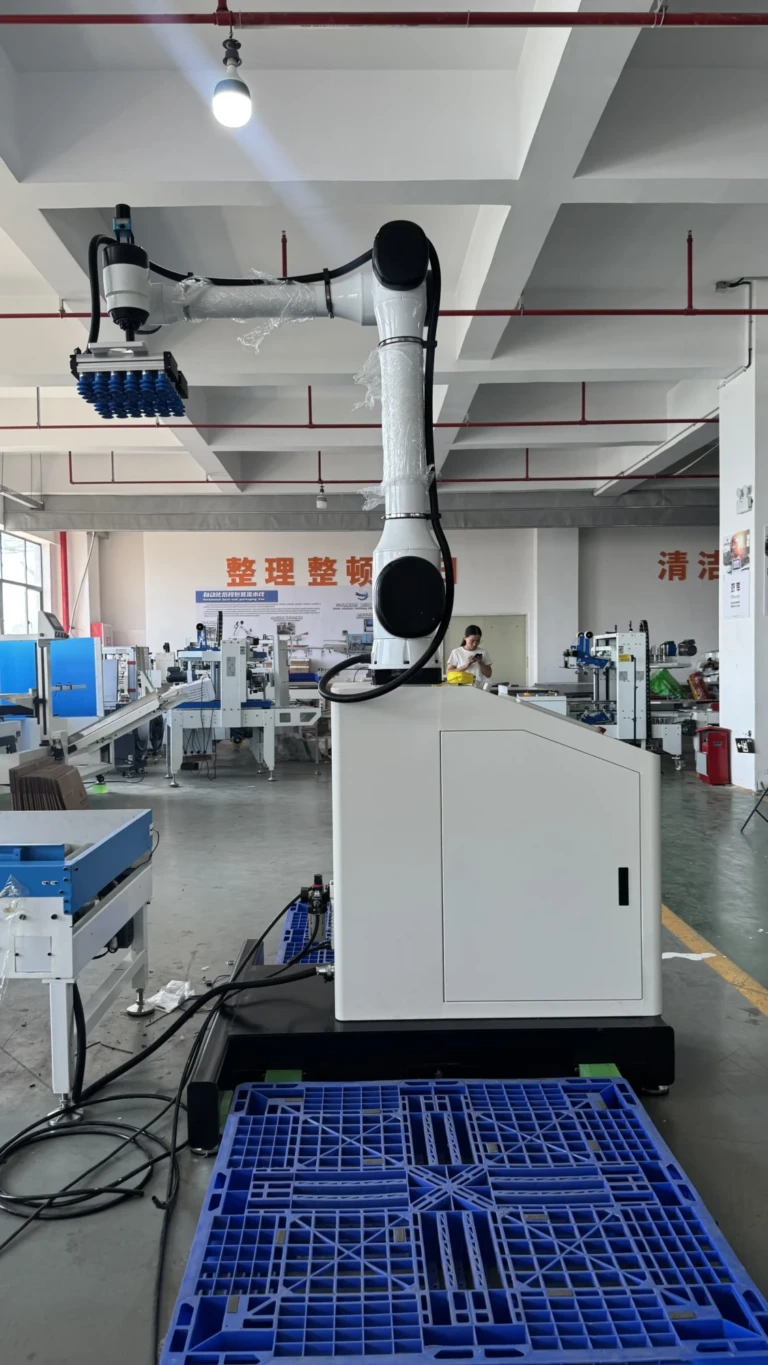
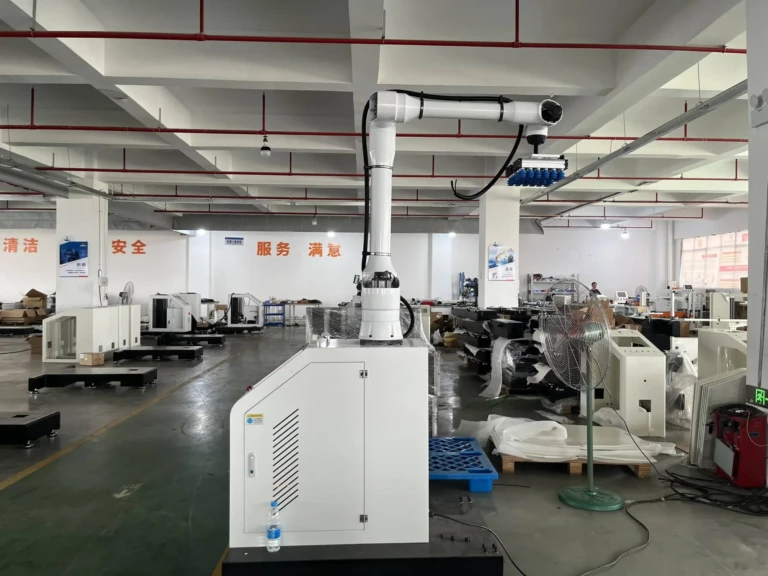
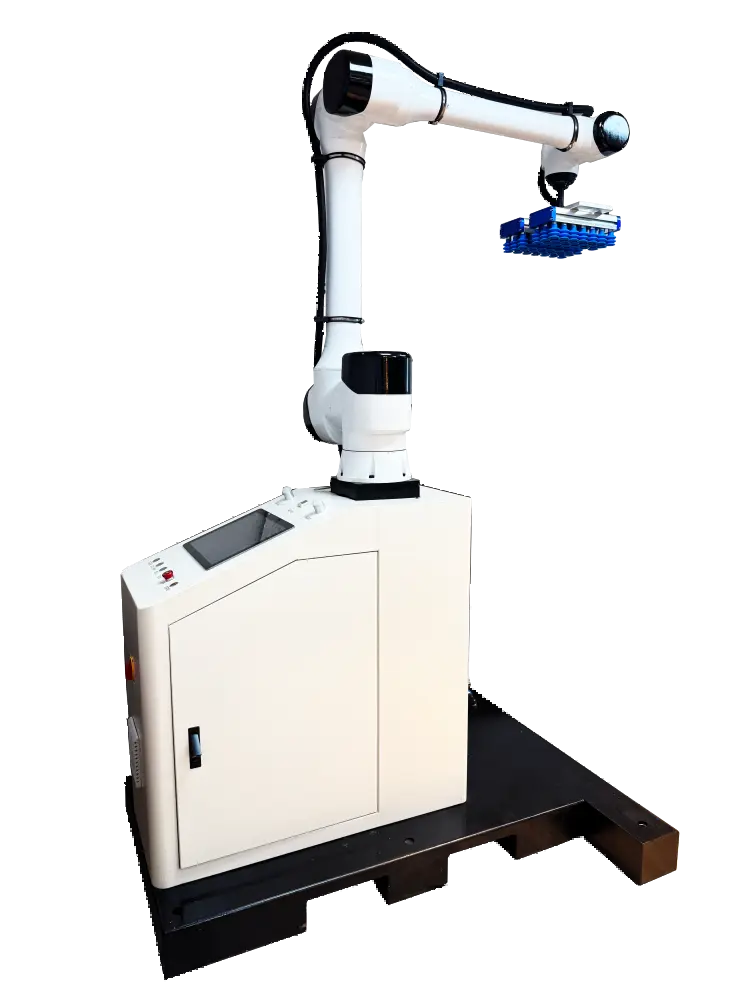
- Collaborative Palletizing Robots: Ideal for SMEs. Prices start at ¥150,000–¥300,000 (≈$21,000–$42,000).
- Brands like Huaxiu Robot offer compact, plug-and-play models requiring minimal floor space.
- Mid-Range (50–200 kg payload):
- Traditional articulated robots dominate here. Expect ¥300,000–¥700,000 (≈$42,000–$98,000).
- Heavy-Duty (200–1,500 kg):
- High-speed delta or gantry robots for industries like cement or beverages. Costs exceed ¥800,000 (≈$112,000).
2. End-of-Arm Tooling (EOAT)
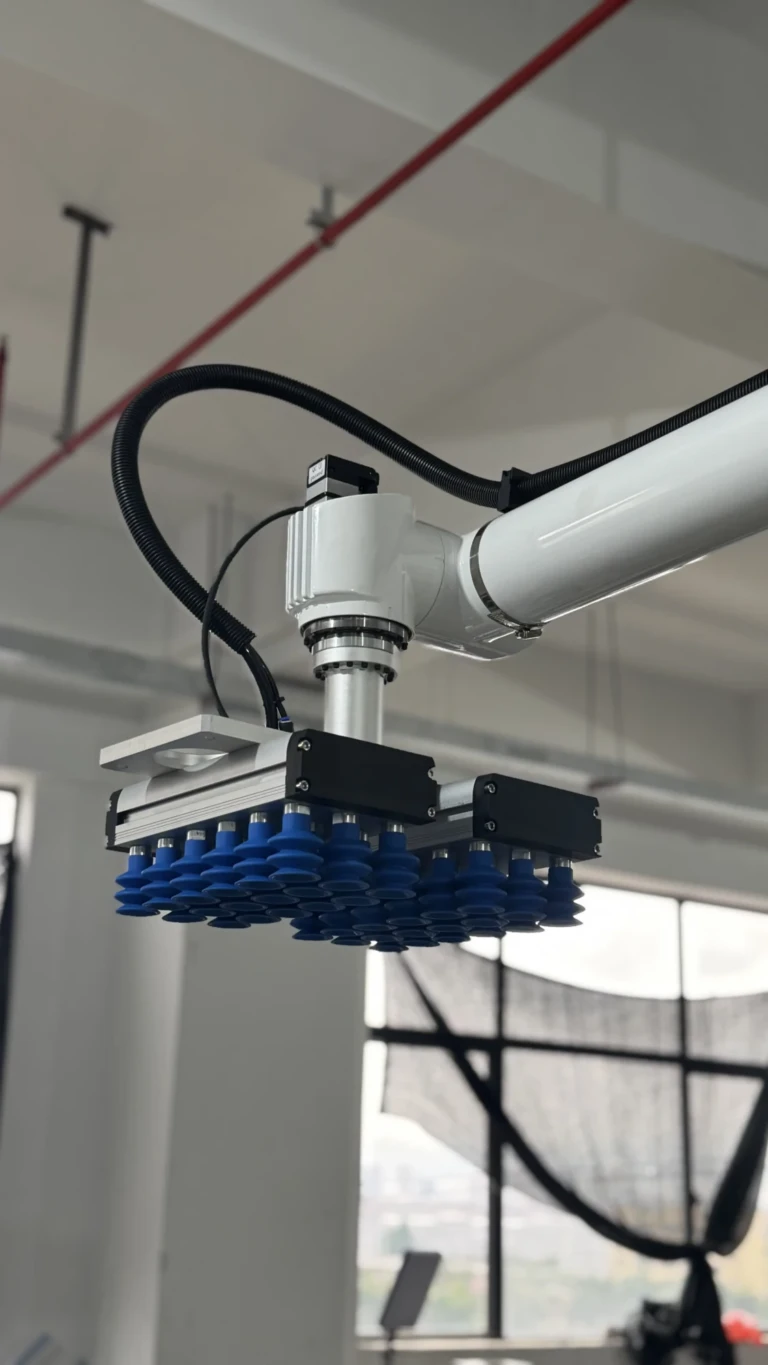
Vacuum grippers, mechanical claws, or hybrid systems add ¥20,000–¥100,000 (≈$2,800–$14,000). Custom EOAT for irregular items (e.g., glass bottles) can increase costs.
3. Integration & Software
- Basic PLC Integration: ¥50,000–¥150,000 (≈$7,000–$21,000).
- Advanced Vision Systems: For mixed-SKU palletizing, add ¥80,000–¥200,000 (≈$11,200–$28,000).
- Huaxiu’s proprietary software enables real-time adjustments via HMI panels, reducing programming costs by ~15%.
4. Auxiliary Equipment
- Peripheral Systems: Conveyors, safety fencing, or pallet dispensers add ¥20,000–¥200,000 (≈$2,800–$28,000).
- Packaging Integration: Systems like Huaxiu’s automatic stretch film wrappers or strapping robots streamline workflows but require additional investment (¥100,000–¥400,000/unit).
5. Hidden Costs
- Installation & Training: 5–10% of total project cost.
- Maintenance: Annual service contracts average ¥15,000–¥50,000 (≈$2,100–$7,000).
Huaxiu Robot’s Innovation Edge
As a leader in integrated packaging automation, Huaxiu Robot offers:
- Collaborative Palletizers: Safe for Shared Workspaces, payback in ≤18 months.
- End-to-End Solutions: From automatic unpacking to shrink wrapping, eliminating multi-vendor complexity.
- Energy Efficiency: Models with regenerative drives cut power costs by up to 20% vs. competitors.
Regional Cost Variations in China
- Tier 1 Cities (Shanghai, Shenzhen): Higher labor/installation costs but premium after-sales support.
- Inland Provinces (Sichuan, Hunan): Lower operational costs but limited local service networks.
Pro Tip: Partner with manufacturers offering nationwide service hubs (e.g., Huaxiu has 12 service centers).
2024 Market Trends Impacting Costs
- Localization Drive: Chinese-made components (reducers, controllers) now cover 70% of the supply chain, reducing import tariffs.
- AI-Driven Optimization: Machine learning algorithms maximize payload/cycle efficiency, justifying higher upfront costs.
- Modular Design: Scalable robots let users add functions (e.g., from semi-automatic to full sealing robots) without full replacements.
Financial Considerations
- Leasing Options: Monthly rates from ¥12,000 (≈$1,680) for SMEs.
- Government Subsidies: China’s “Smart Manufacturing” initiative funds up to 20% of automation projects in key sectors (e.g., food, pharmaceuticals).
Conclusion: Is a Palletizing Robot Worth It in 2024?
For businesses handling ≥50 pallets/day, robotic palletizing is no longer a luxury but a necessity. Chinese brands like Huaxiu Robot deliver world-class performance at 30–50% lower costs than European or Japanese counterparts. While entry prices remain substantial, falling lifecycle costs and rising labor shortages make 2024 the optimal year to invest.
Key Takeaway: Focus on total cost of ownership (TCO), not just upfront price. A well-integrated system from a reliable provider pays dividends in uptime, safety, and scalability.
FAQs
Q1: What’s the average price range for a palletizing robot in China?
A: Expect ¥150,000–¥1,500,000 (≈$21,000–$210,000), depending on payload, speed, and customization.
Q2: How much does installation cost?
A: Installation typically adds 5–10% to the robot price. Complex integrations (e.g., ERP connectivity) may cost extra.
Q3: Are used robots a good option?
A: Refurbished units (¥80,000–¥400,000) can be cost-effective but may lack warranty coverage or software updates.
Q4: What industries benefit most from palletizing robots?
A: Food & beverage, pharmaceuticals, e-commerce, and chemicals—especially where hygiene, speed, or heavy lifting are critical.
Q5: How does Huaxiu Robot compare to global brands like Fanuc or ABB?
A: Huaxiu offers competitive pricing (30–40% lower) with comparable performance in standard applications. For extreme precision (<0.1mm repeatability), premium brands still lead.
Q6: What’s the typical lifespan of a palletizing robot?
A: 8–12 years with proper maintenance. Core components (reducers, controllers) often outlast the robot frame.
By strategically evaluating costs and partnering with innovative suppliers like Huaxiu Robot, businesses can unlock automation’s full potential while future-proofing their operations. Reach out to trusted providers for a customized ROI analysis—your competitive edge starts here.