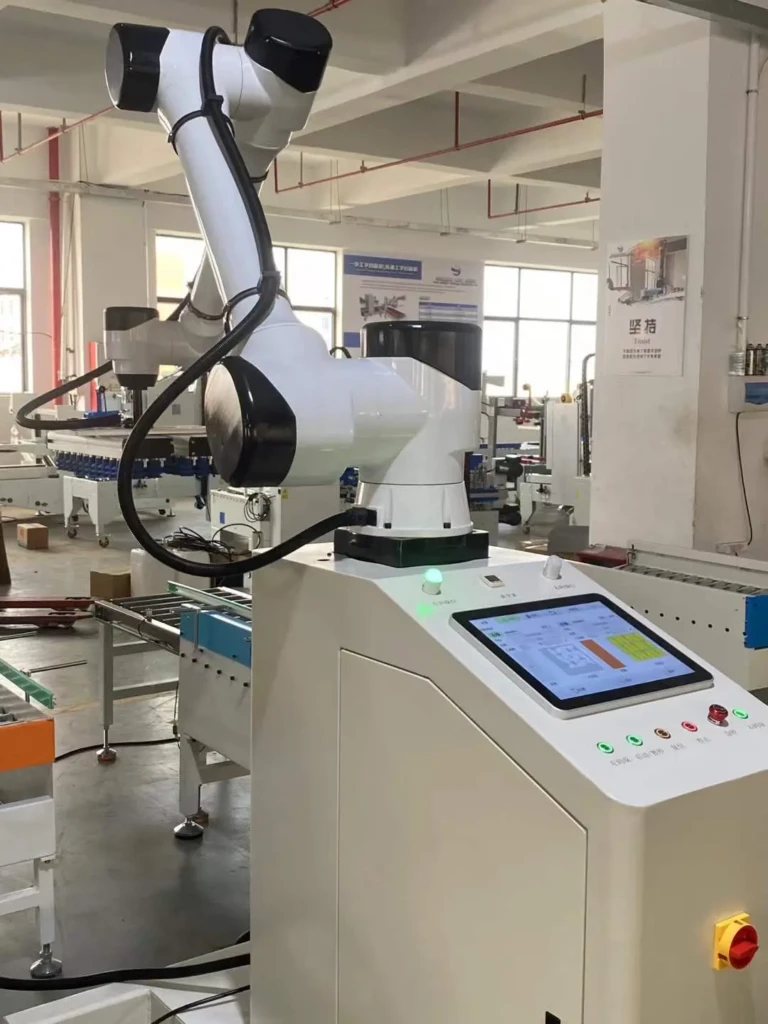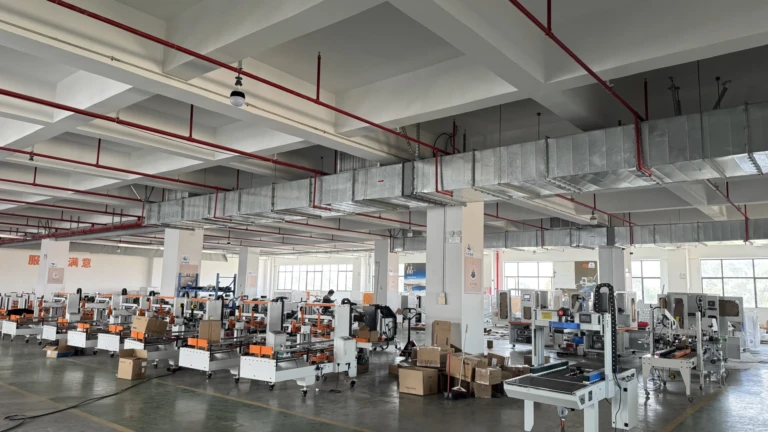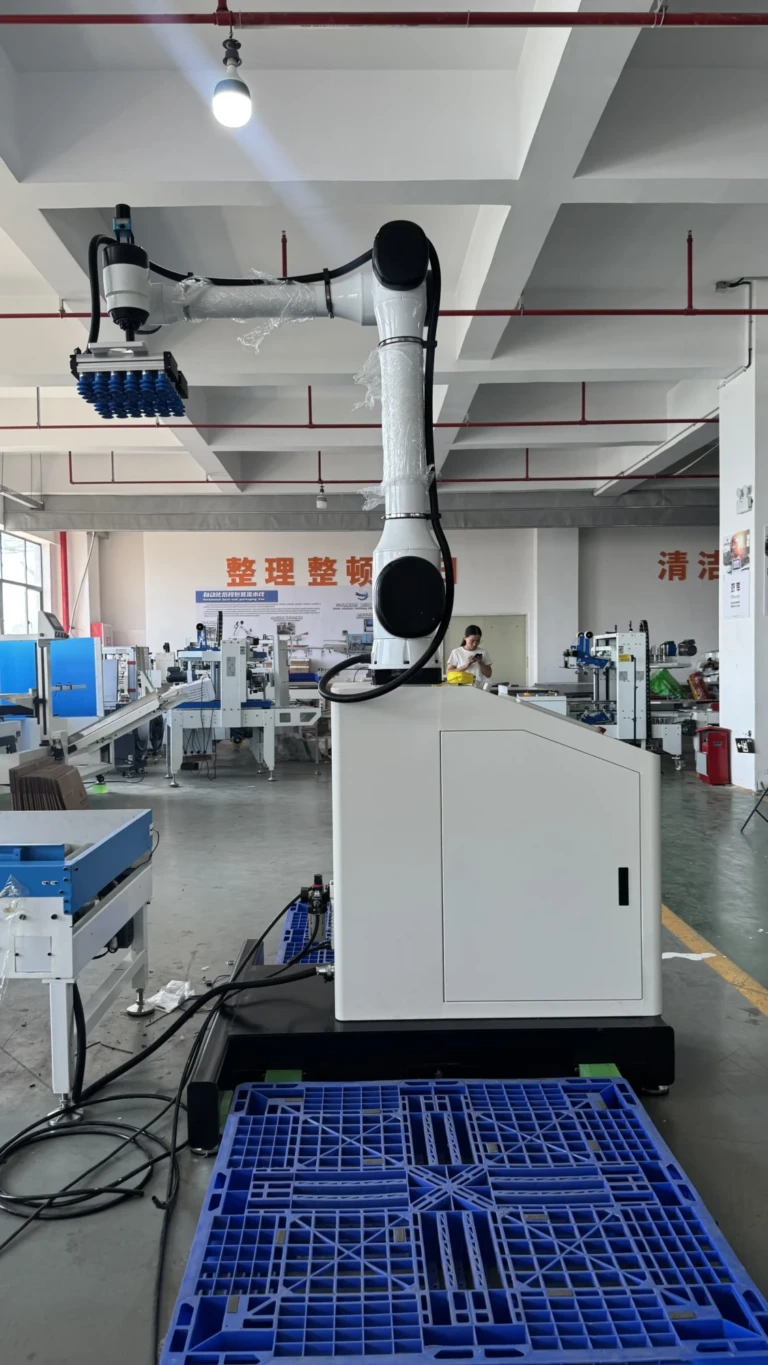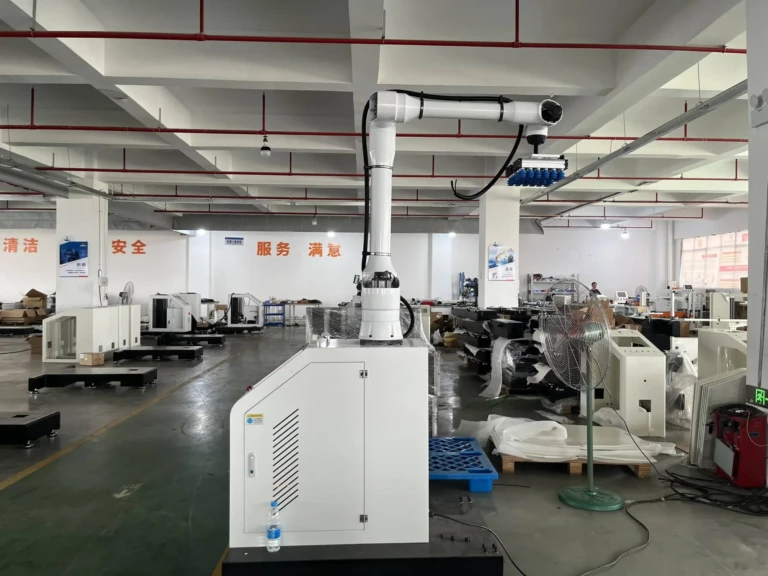
The Real Cost of Palletizing Robots in China: Breaking Down Factory Prices & Long-Term Value
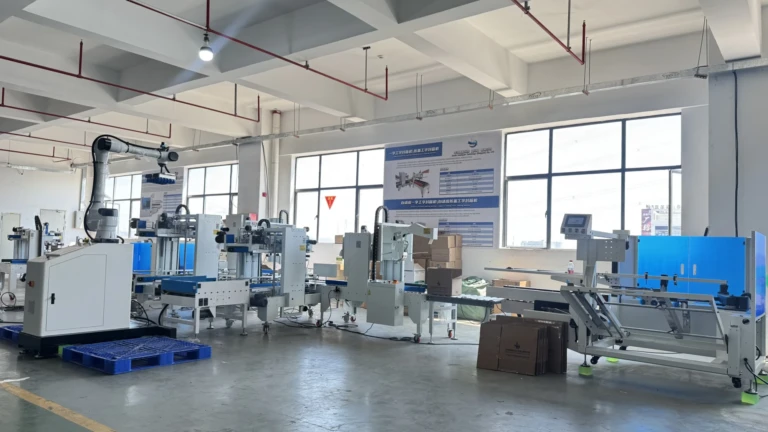
The global shift towards automation has made palletizing robots indispensable in manufacturing, logistics, and warehousing. China, now a powerhouse in industrial robotics, offers some of the most competitive prices for these systems—but understanding the full cost picture is critical. Whether you’re considering Huaxiu Robot’s collaborative palletizing robots or a fully automated stretch-film packaging line, this guide unpacks the factors shaping pricing in China and how to evaluate ROI.
Why China? The Cost Advantage in Robotics
China’s robotics industry has evolved from "affordable alternatives" to global leaders in innovation and scale. Domestic brands like Huaxiu Robot leverage vertically integrated manufacturing, streamlined supply chains, and government subsidies to deliver robots at 20–40% lower costs than Western/Japanese counterparts—without compromising performance.
Key Factors Influencing Palletizing Robot Costs
-
Robot Type & Payload Capacity
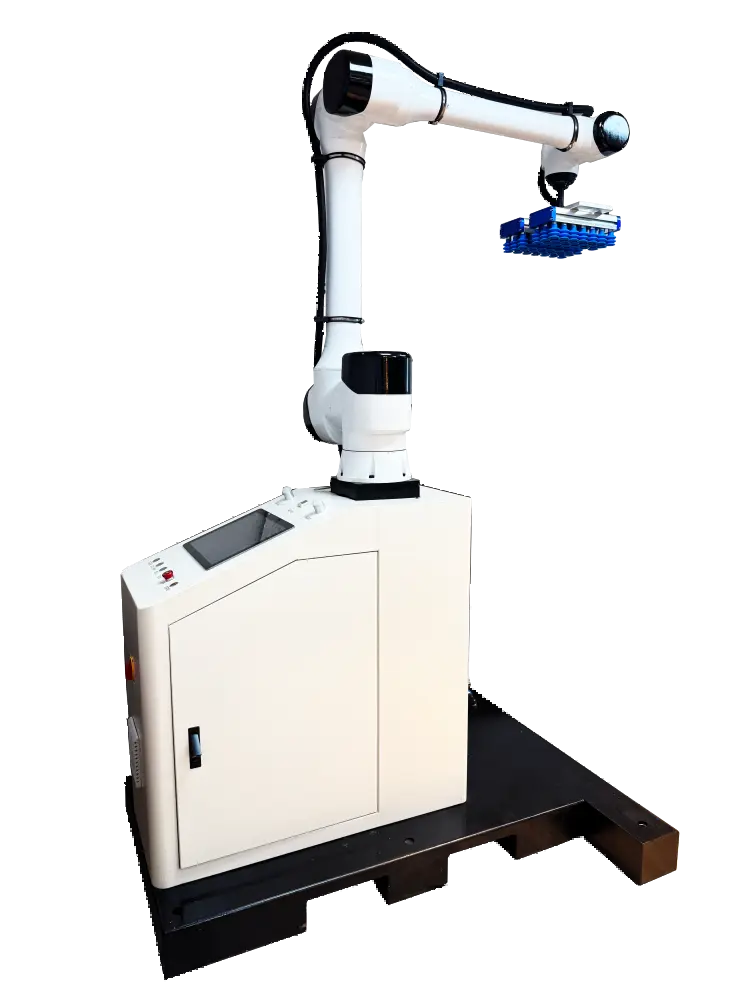
- Collaborative (Cobot) Palletizers: Ideal for low-to-medium throughput (e.g., Huaxiu’s models for SMEs). Prices: ¥80,000–¥200,000 ($11,000–$28,000).
- Industrial Articulated Arm Robots: Heavy-duty models for high-speed palletizing (1,000+ cycles/hour). Prices: ¥150,000–¥500,000 ($21,000–$70,000).
- Integrated Turnkey Systems: Fully automated lines (e.g., pallet forming + strapping + stretch wrapping). Prices: ¥300,000–¥1.5M+ ($42,000–$210,000+).
-
Reach & Speed
Robots with longer reach (e.g., 2,000mm+) or faster cycle times (e.g., 10+ cycles/minute) command premium pricing. -
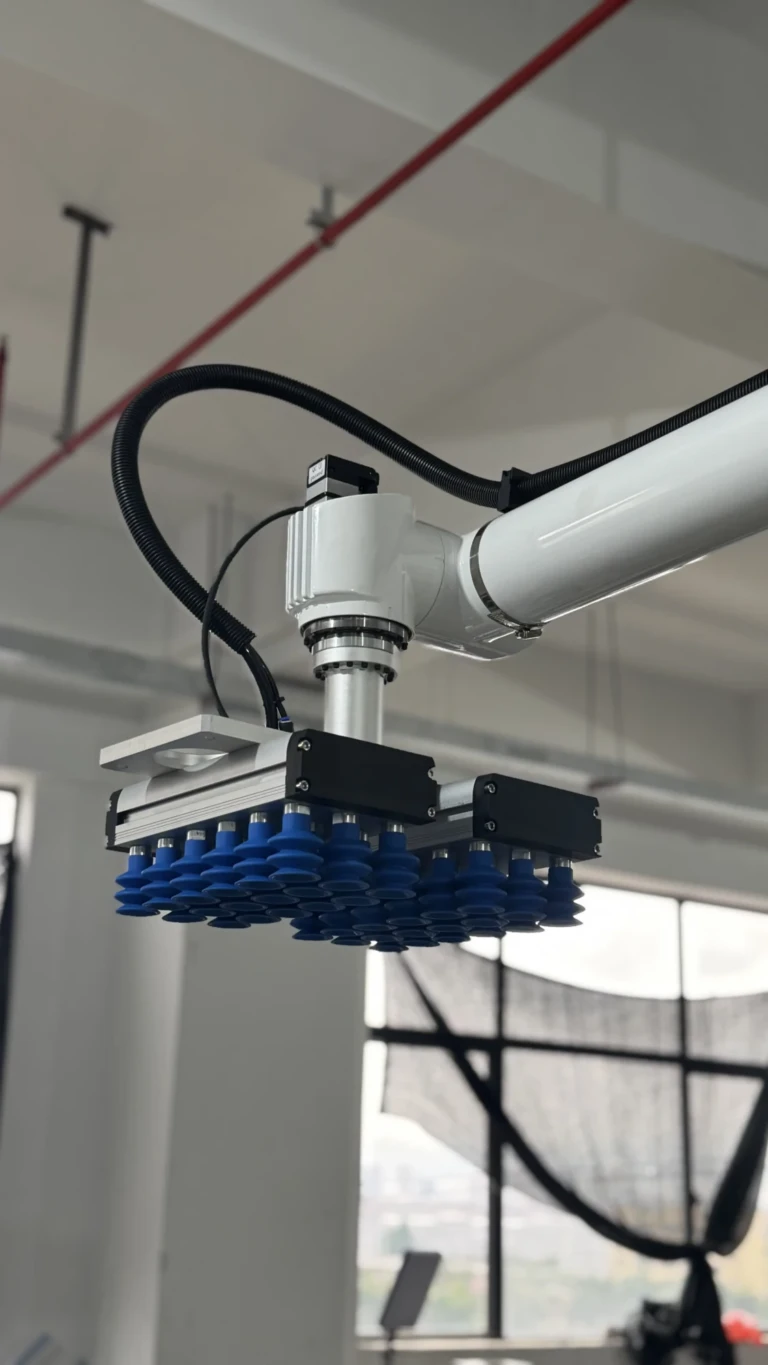
End-of-Arm Tooling (EoAT)
Custom grippers, vacuum heads, or adaptive tools add ¥15,000–¥50,000 ($2,100–$7,000). -
Material & Build Quality
Aluminum frames reduce weight and cost, while cast-iron joints enhance durability for 24/7 operations. - Software & Integration
Advanced PLCs, vision systems, or AI-driven optimizations (e.g., load stability algorithms) increase upfront costs but reduce long-term errors.
Typical Price Ranges in China (2024)
| Robot Type | Price Range (USD) | Best For |
|---|---|---|
| Entry-Level Cobot | $11,000–$18,000 | Low-volume, mixed-SKU operations |
| Mid-Range Articulated | $25,000–$50,000 | Beverage, food, pharmaceuticals |
| High-Speed Delta Robot | $60,000–$90,000 | Ultra-high-speed packaging lines |
| Integrated Turnkey Line | $80,000–$210,000+ | End-to-end palletizing + wrapping |
Note: Prices exclude shipping, import duties, and installation.
Huaxiu Robot’s Product Ecosystem: Where Cost Meets Innovation
Huaxiu’s strength lies in offering a complete packaging workflow at competitive rates:
- Semi-Automatic Sealing Robots: Affordable entry points (from ¥50,000 / $7,000) for SMEs.
- Shrink Packaging & Strapping Robots: Mid-range automation (¥120,000–¥300,000 / $17,000–$42,000) for standardized pallets.
- AI-Optimized Collaborative Palletizers: Reduce labor costs by 70% with ROI in <12 months.
Crucially, Huaxiu’s localized support (spare parts, maintenance) cuts downtime risks—a hidden cost often overlooked with imported robots.
Hidden Costs & How to Mitigate Them
- Installation & Training: Budget 10–15% of robot cost for setup.
- Energy Consumption: Servo-driven robots (e.g., Huaxiu’s stretch film models) use 30% less power than pneumatic systems.
- Customization Fees: Modular designs (e.g., swappable EoAT) minimize retrofitting costs.
Why "Cheapest" Isn’t Always Best: The Quality Imperative
While budget robots from lesser-known factories start at ¥60,000 ($8,500), they often lack:
- ISO 10218-1 safety certifications
- IP-rated dust/water resistance
- Precision reducers (e.g., Harmonica drives)
- 10,000+ hour MTBF (mean time between failures)
Pro Tip: Prioritize suppliers with CE/UL certifications and 5+ years in operation.
The ROI Case: When Will Your Robot Pay for Itself?
For a ¥200,000 ($28,000) Huaxiu collaborative palletizer:
- Labor Savings: Replaces 2–3 workers (¥120,000/year savings in China).
- Error Reduction: Near-zero product damage vs. manual handling.
- Uptime: 95%+ efficiency with 2-shift operation.
Break-even point: 14–18 months for most manufacturers.
Conclusion: Strategic Automation Pays Dividends
China’s palletizing robot market offers unparalleled value, but selecting the right partner is key. Brands like Huaxiu Robot exemplify the balance between cost efficiency and innovation, providing scalable solutions from semi-automatic sealing to fully integrated lines. By focusing on lifecycle value—not just sticker price—businesses can achieve rapid ROI while future-proofing their operations.
FAQs: China Palletizing Robot Costs
Q1: How long does installation take?
A: Cobot systems can be deployed in 1–3 days. Turnkey lines require 2–4 weeks for integration.
Q2: What’s the maintenance cost?
A: Annual upkeep averages 5–8% of the robot’s price. Huaxiu offers service contracts from ¥8,000/year ($1,100).
Q3: Are Chinese robots compatible with European/US machinery?
A: Yes—most support Modbus, Ethernet/IP, or PROFINET protocols. Confirm integration specs pre-purchase.
Q4: What’s the lead time for delivery?
A: Standard models ship in 4–8 weeks. Custom solutions take 10–14 weeks.
Q5: Do factories provide warranties?
A: Reputable brands offer 1–3 years for parts/labor. Huaxiu includes 24/7 remote diagnostics.
Q6: Can I customize robots for irregularly shaped items?
A: Yes. Adaptive grippers and 3D vision systems (added cost: ¥20,000–¥60,000 / $2,800–$8,500) handle non-standard loads.
Final Thought: As labor costs rise globally, the question isn’t "Can I afford a palletizing robot?" but "Can I afford not to automate?" With China’s mature robotics ecosystem, the barrier to entry has never been lower—and the payoff never clearer.