The Comprehensive Guide to China Palletizing Robot Prices & Wholesale Purchasing Strategies
The global logistics and manufacturing sectors are increasingly turning to automation to address labor shortages, enhance efficiency, and reduce operational costs. Among the most transformative technologies are palletizing robots, which automate the stacking and organizing of goods onto pallets. China, as a leading hub for industrial robotics, offers competitive pricing and innovative solutions for businesses worldwide. However, navigating the wholesale market requires a deep understanding of price determinants, product specifications, and supplier reliability. This guide unpacks critical factors influencing China’s palletizing robot prices and provides actionable strategies for wholesale buyers.
1. Key Factors Driving Palletizing Robot Prices in China
A. Robot Type & Payload Capacity
Palletizing robots vary significantly based on their design and capabilities. For instance:
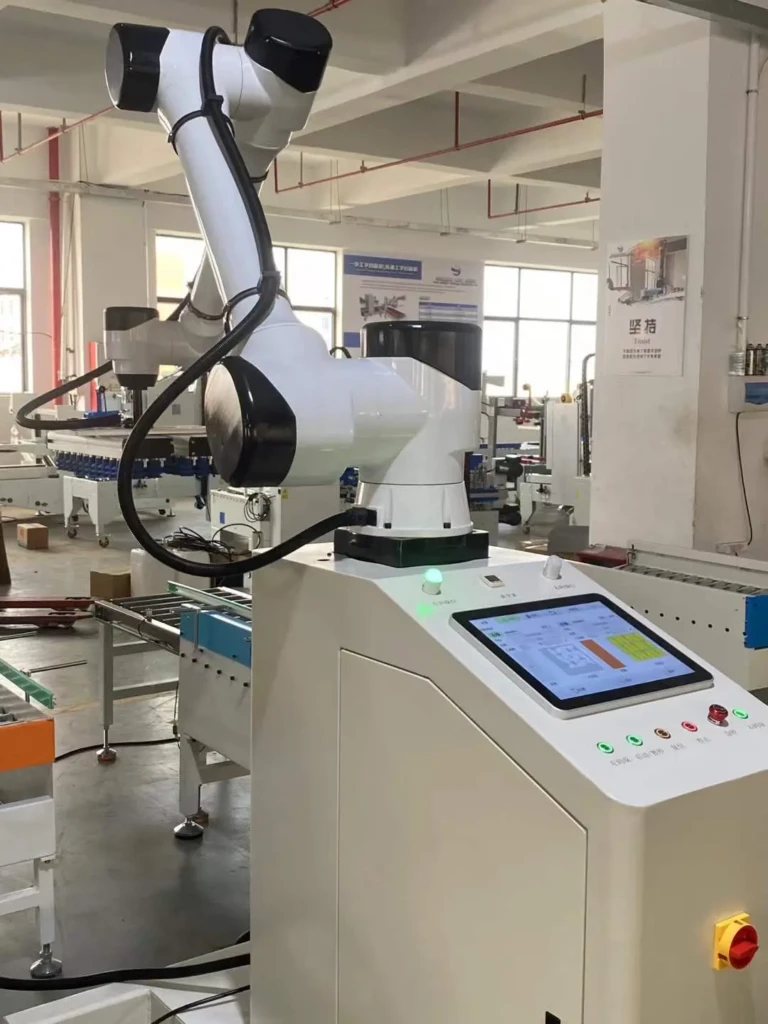
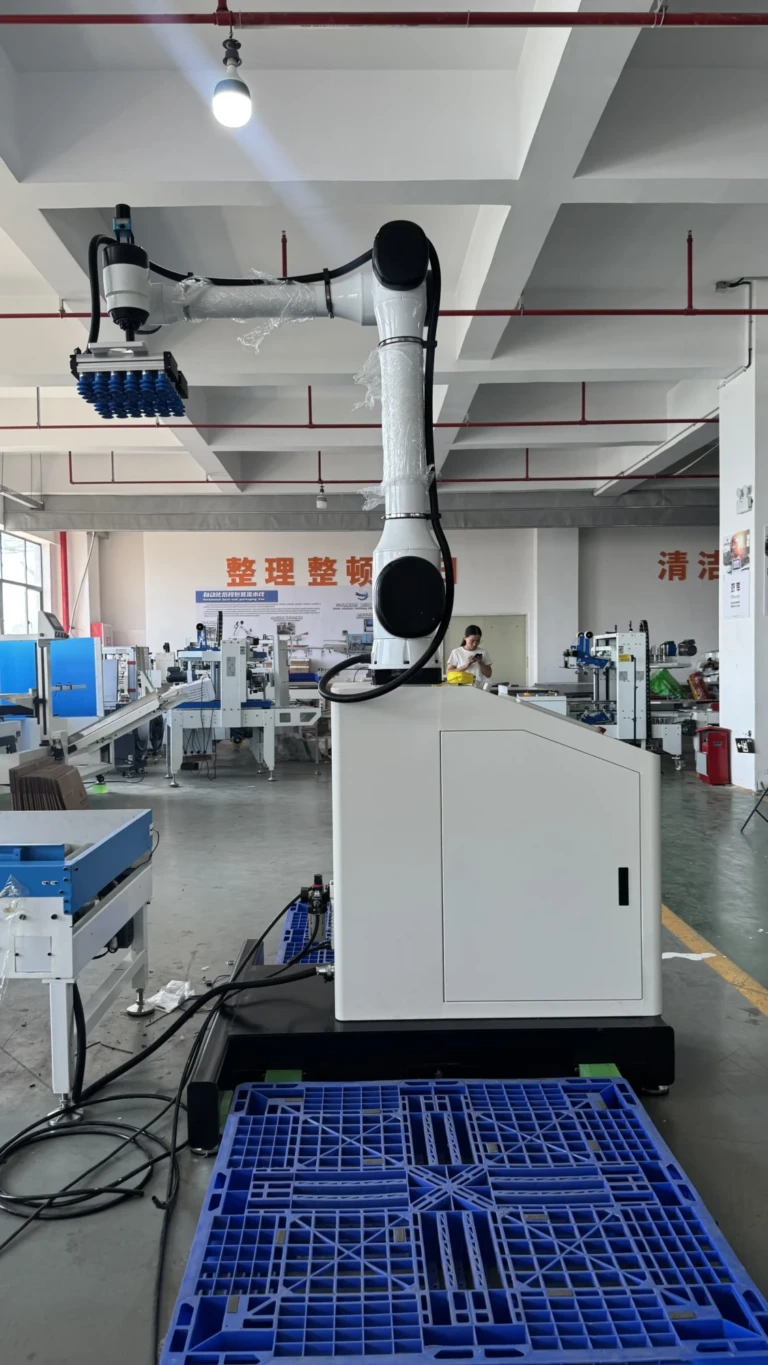
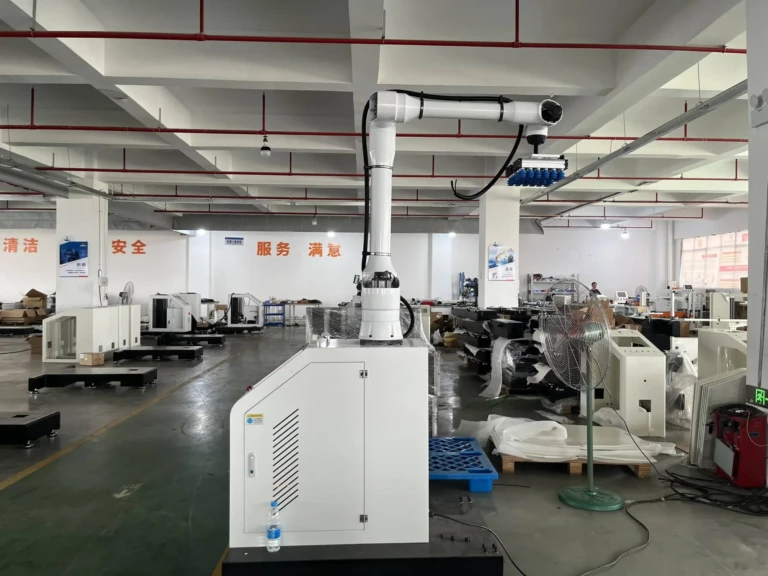
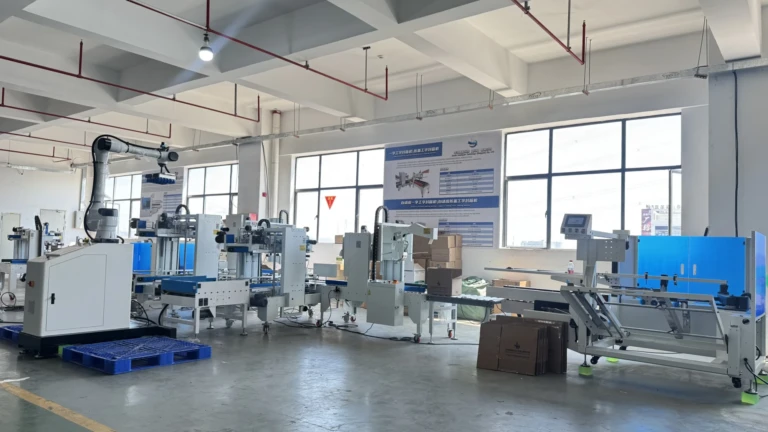
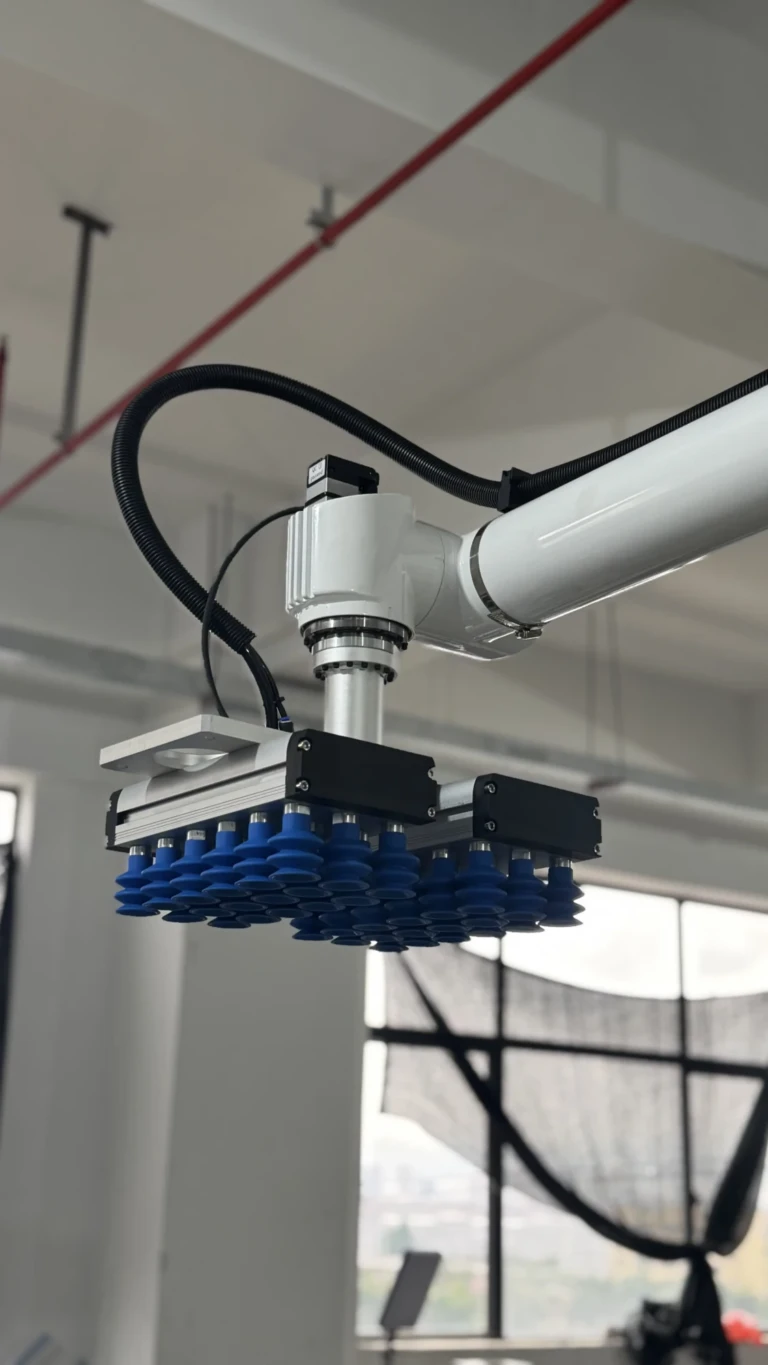
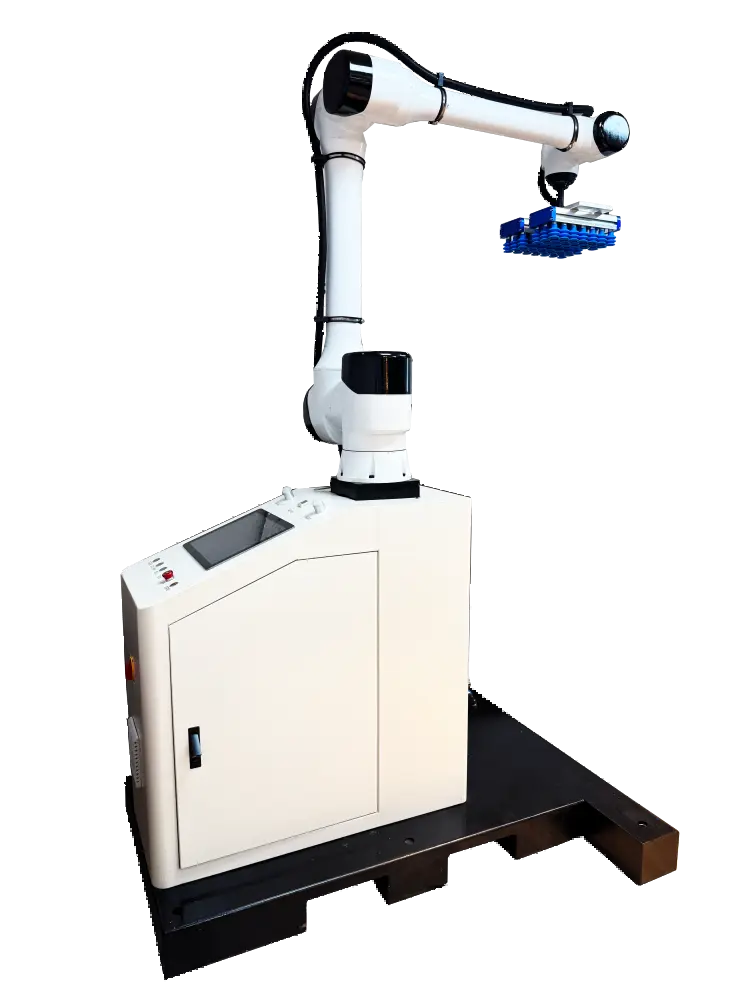
- Collaborative Palletizing Robots: Designed to work alongside humans, these models (like Huaxiu’s collaborative series) prioritize safety and flexibility. Prices typically start at $25,000–$40,000 for payloads under 20 kg.
- High-Capacity Industrial Robots: Heavy-duty systems handling 100–1,000 kg payloads (e.g., Huaxiu’s pallet-forming robots) range from $50,000 to $120,000+, depending on speed and precision.
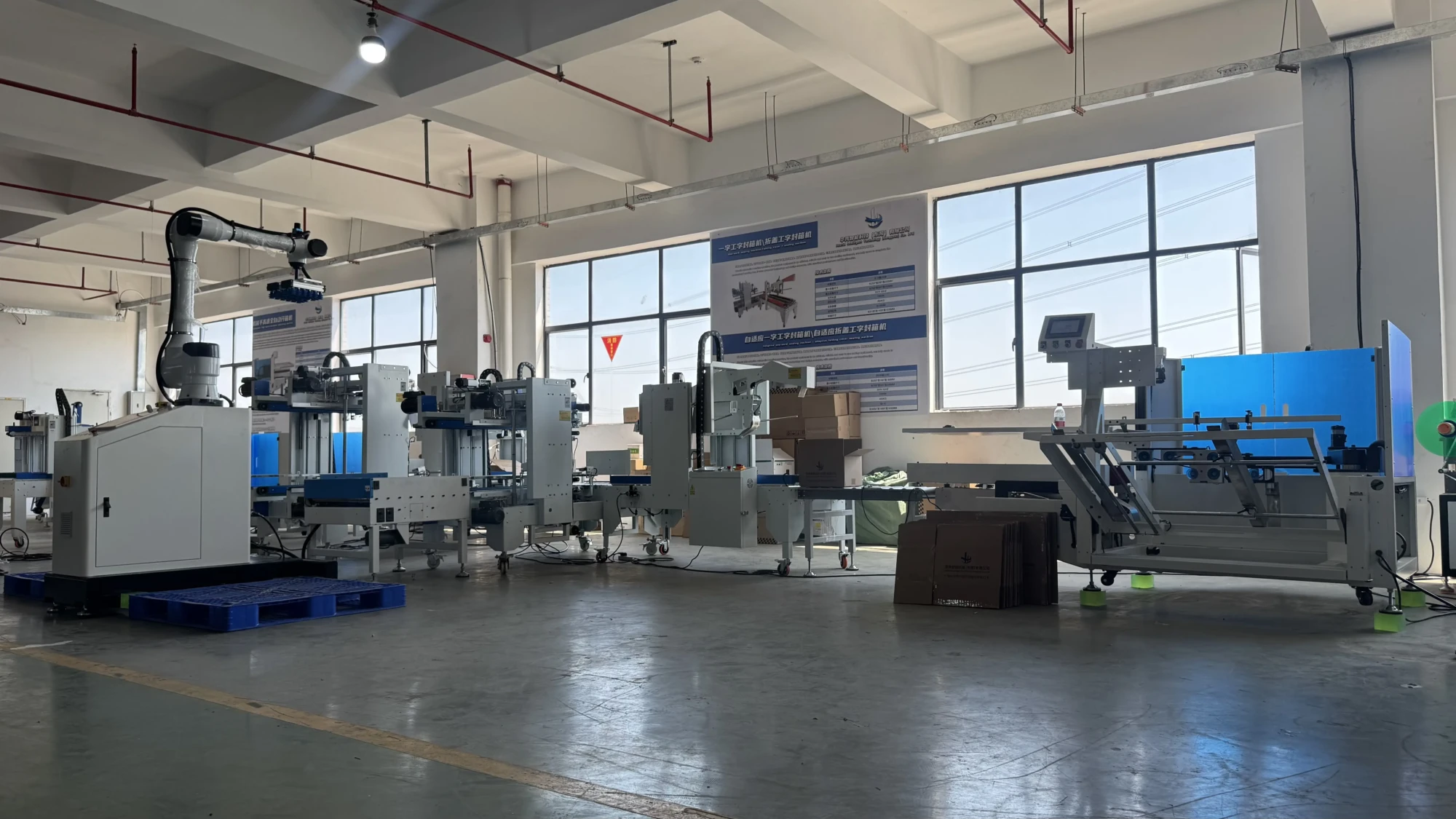
- Integrated Packaging Systems: Multi-functional robots combining palletizing with sealing or strapping (such as Huaxiu’s shrink-wrap or strapping robots) command premiums of 20–30% over standalone units.
B. Technical Specifications
- Speed: Robots operating at 1,500 cycles/hour cost 15–25% more than slower (800–1,000 cycles/hour) models.
- Reach & Axis Count: A 6-axis robot with a 3-meter reach offers greater maneuverability than 4-axis alternatives but costs $8,000–$15,000 more.
- Software Integration: Advanced vision systems or AI-driven path optimization add $10,000–$25,000 to the base price.
C. Brand Positioning
Chinese manufacturers like Huaxiu Robot balance affordability with reliability. While European brands (ABB, KUKA) may charge 40–60% more for comparable specs, Huaxiu’s solutions deliver similar performance with localized service networks, reducing downtime risks.
2. Wholesale Purchasing Guide: Maximizing Value
A. Identify Volume-Based Discount Structures
Most Chinese suppliers offer tiered pricing for bulk orders. For example:
- Orders of 10–50 units: 5–12% discount.
- Orders exceeding 100 units: 15–25% discount + waived shipping or installation costs.
Tip: Negotiate spare parts packages (grippers, sensors) into bulk deals to lower long-term maintenance expenses.
B. Evaluate Total Cost of Ownership (TCO)
- Hidden Costs: Import duties (5–15%), installation (3–5% of robot price), and annual maintenance (1–3%) are often overlooked.
- Energy Efficiency: Huaxiu’s servo-driven robots consume 30% less power than traditional pneumatic systems, saving $3,000–$5,000 annually in electricity.
C. Verify Certifications & Compliance
Ensure robots meet international standards (ISO 10218, CE, UL) to avoid customs delays or safety liabilities. Reputable suppliers provide documentation upfront.
D. Consider Regional Manufacturing Clusters
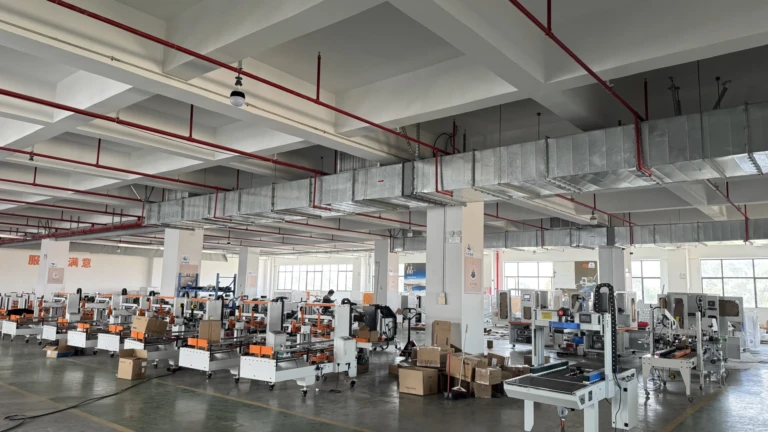
Cities like Shanghai, Shenzhen, and Hangzhou house China’s leading robotics ecosystems. Local sourcing reduces lead times by 7–14 days and fosters easier factory audits.
3. Case Study: Cost-Benefit Analysis of Huaxiu Robots
A beverage manufacturer replacing manual palletizing with Huaxiu’s A-12H Collaborative Palletizing Robot ($35,000 wholesale price) achieved:
- Labor Savings: Reduced headcount by 3 workers ($45,000/year in wages).
- Efficiency Gains: 150% faster throughput, eliminating bottlenecks.
- ROI: Full payback within 14 months, with $25,000/year ongoing savings.
4. Future Trends Impacting Prices
- Localization: With 80% of components now sourced domestically, Chinese brands like Huaxiu are less vulnerable to global supply chain disruptions.
- AI-Driven Automation: Vision-guided robots with machine learning capabilities will dominate premium markets by 2025, though prices are projected to drop 8–10% annually due to mass production.
Conclusion
China’s palletizing robot market offers unparalleled value for wholesale buyers, blending advanced engineering with cost efficiency. By prioritizing payload requirements, negotiating bulk discounts, and calculating TCO, businesses can secure systems that slash operational costs while boosting productivity. Suppliers like Huaxiu Robot exemplify this synergy, offering scalable solutions—from collaborative arms to fully automated stretch-film packaging lines—that cater to diverse industrial needs. In an era defined by automation, strategic investment in Chinese robotics isn’t just a procurement decision; it’s a competitive imperative.
FAQs: China Palletizing Robot Wholesale Purchases
Q1: What’s the average lead time for wholesale robot shipments?
Lead times range from 8–12 weeks for standard models. Customized systems may require 14–18 weeks.
Q2: Do Chinese suppliers offer warranty coverage?
Yes. Huaxiu provides 2–3 years for core components (reducers, controllers) and 1 year for peripherals. Extended warranties cost 2–4% of the purchase price.
Q3: Can robots integrate with existing ERP/MES systems?
Most Huaxiu robots support API integration with SAP, Oracle, and custom software via OPC UA or Ethernet/IP protocols.
Q4: What post-sales support is included?
Remote diagnostics, on-site technician dispatch (within 72 hours), and operator training are standard among top-tier suppliers.
Q5: Are refurbished/used palletizing robots a viable wholesale option?
While prices are 40–60% lower, refurbished units often lack warranties and may have compatibility issues with newer software.
Q6: How do I avoid counterfeit robots?
Work exclusively with suppliers holding ISO 9001 certification and verified Alibaba Gold Supplier status. Cross-check factory audits through third parties like SGS.
Q7: What’s the minimum order quantity (MOQ) for wholesale purchases?
MOQs start at 5–10 units, though smaller trial orders (<5) may be negotiable for a 10–15% price premium.
By combining technical expertise with market-tested procurement strategies, this guide empowers businesses to navigate China’s dynamic robotics landscape confidently. Always prioritize partnerships with suppliers that align with your operational scale and innovation roadmap.