Introduction: Understanding China’s Palletizing Robot Market
In today’s fast-paced industrial landscape, automation is no longer optional—it’s essential. Palletizing robots have emerged as game-changers for warehouses and production lines, boosting efficiency, reducing labor costs, and minimizing errors. For businesses sourcing these solutions, China has become a global hub for high-quality, competitively priced robotics. But navigating the wholesale market requires a clear understanding of pricing variables, product specifications, and supplier reliability. This guide dives deep into what shapes the cost of palletizing robots from China, with a focus on industry leaders like Huaxiu Robot, and how to maximize your investment.
Key Factors Influencing Palletizing Robot Wholesale Prices
-
Robot Type & Functionality
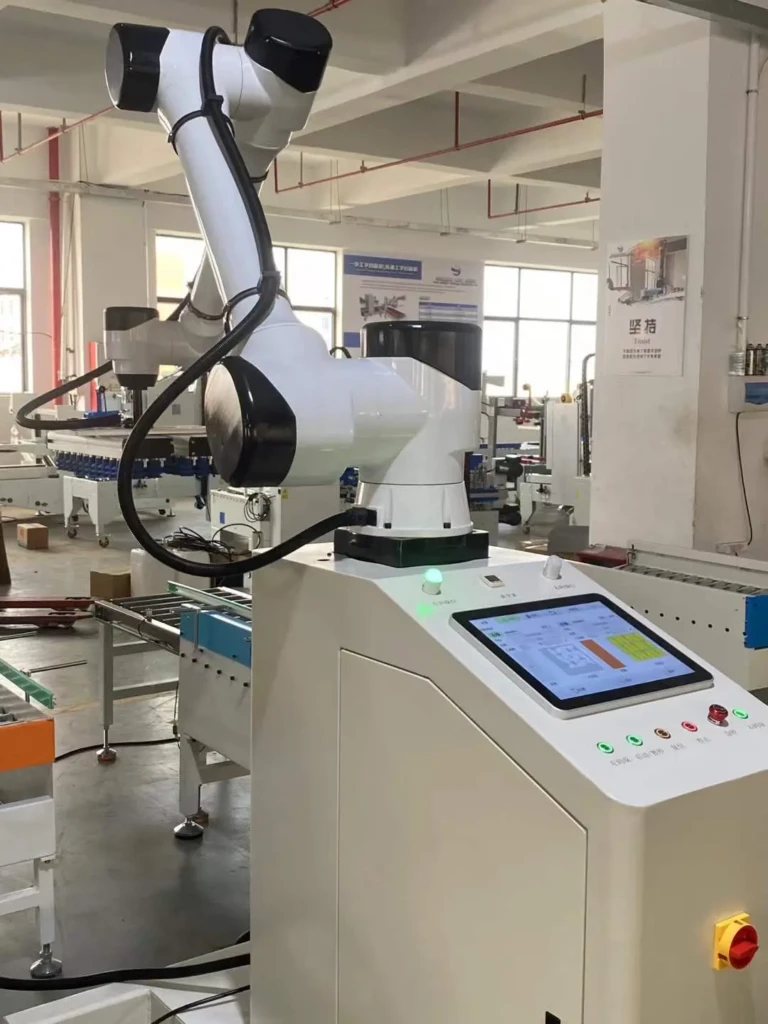
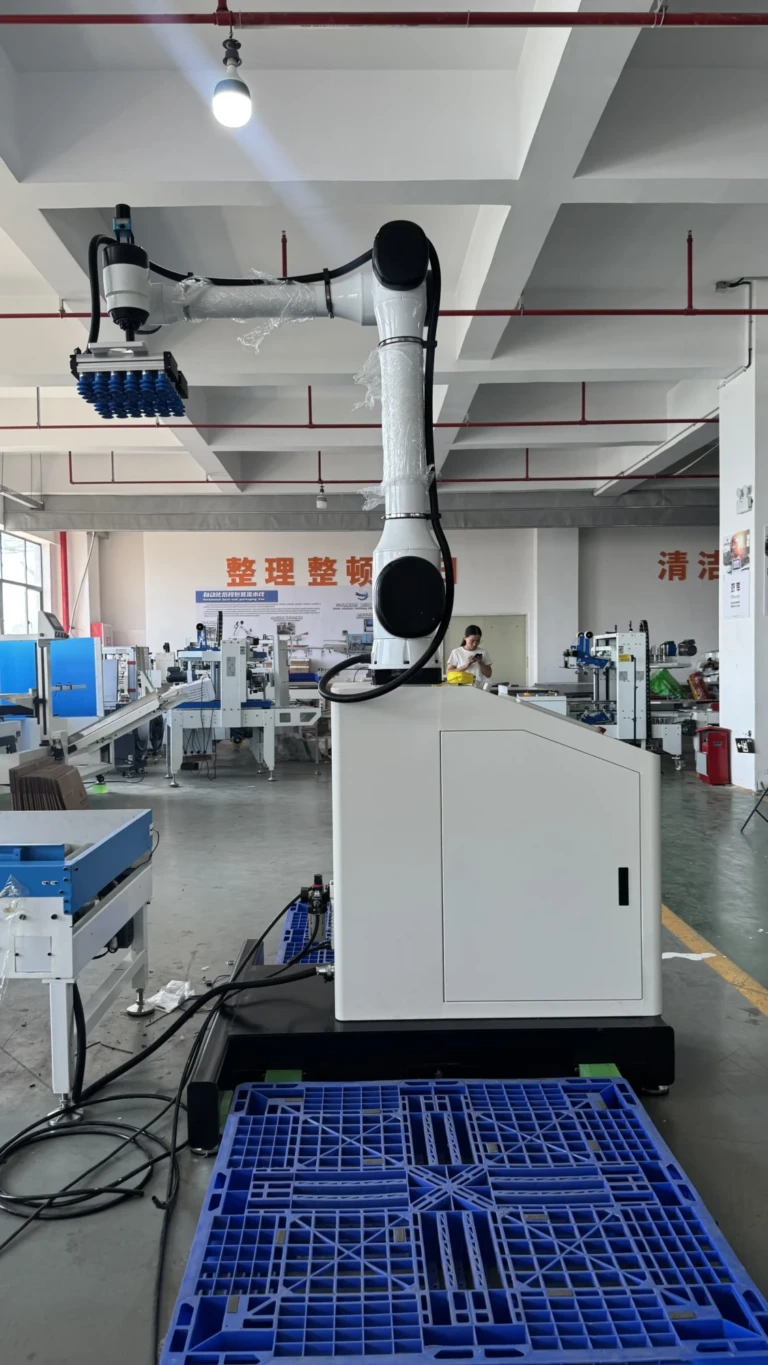
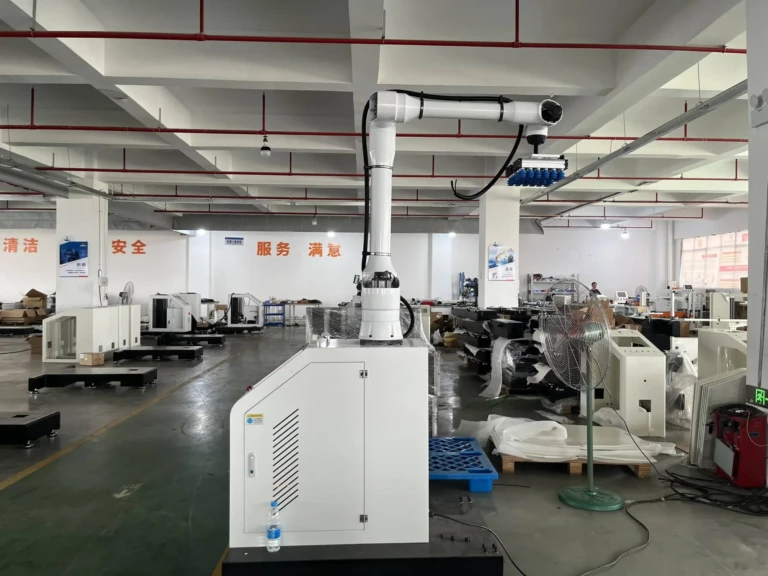
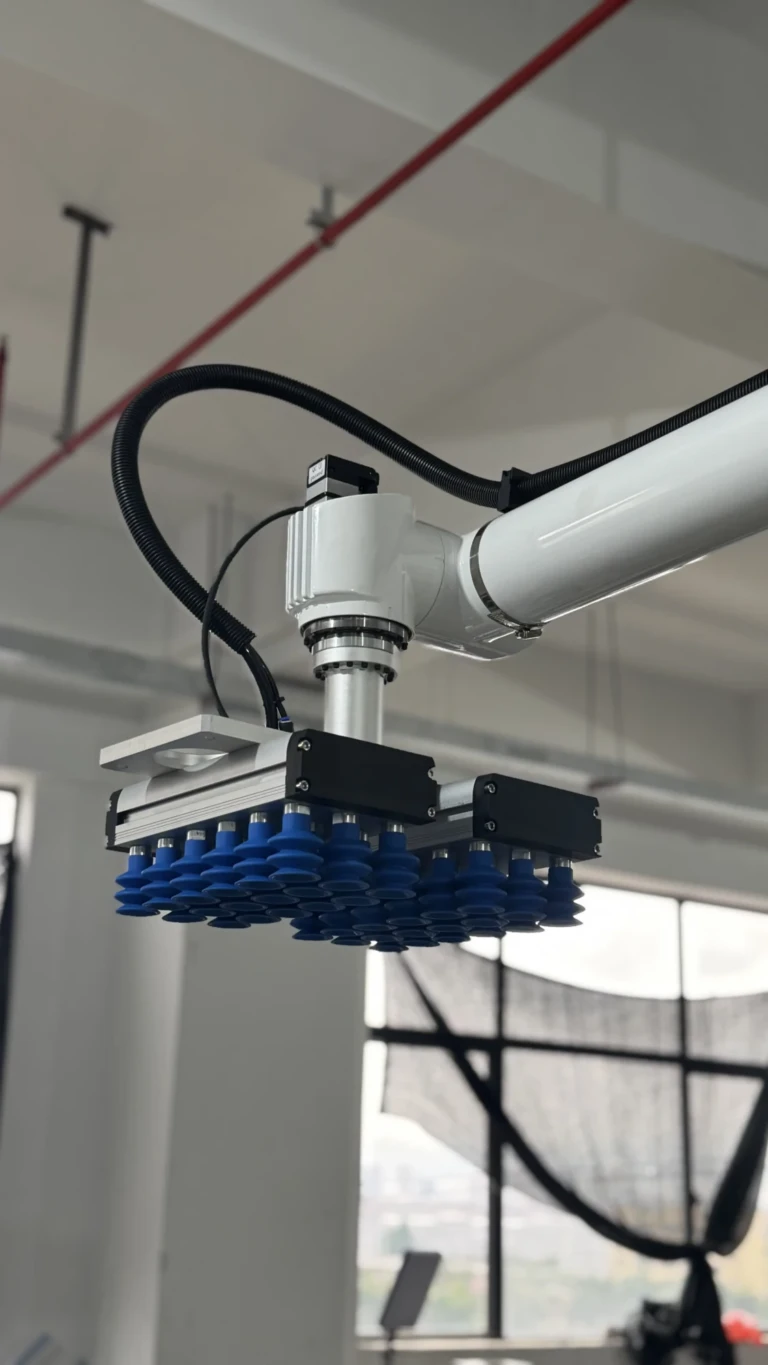
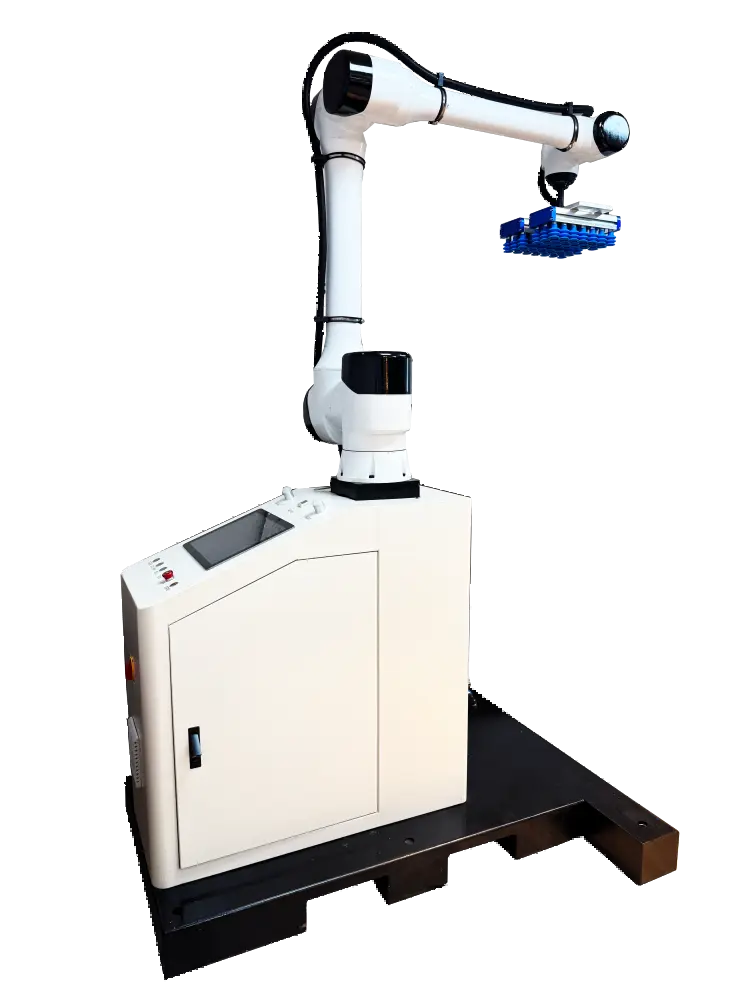
From collaborative arms ideal for flexible operations (like Huaxiu’s collaborative palletizing robots) to high-speed industrial models, capabilities directly impact pricing. For instance:- Collaborative Robots (Cobots): Priced between $20,000–$50,000, these excel in human-robot collaboration, with built-in safety features.
- Traditional Articulated Robots: Larger payload systems (e.g., 200–1,000 kg) range from $50,000–$150,000, suited for heavy-duty tasks.
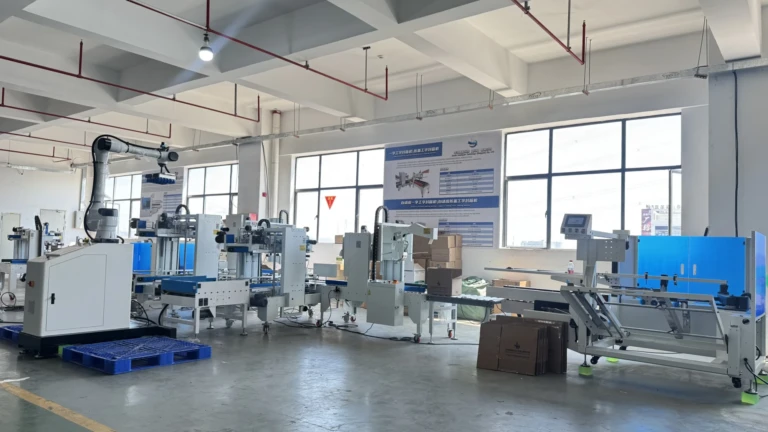
- Integrated Solutions: Fully automated systems like Huaxiu’s pallet-forming or shrink-packaging robots may cost $80,000–$300,000 depending on customization.
-
Payload Capacity & Reach
Higher payload robots (e.g., handling 500 kg vs. 20 kg) command premium pricing due to robust components. Similarly, extended reach (1,500–3,000 mm) raises costs by 15–30%. -
Speed & Precision
Robots capable of 1,500 cycles/hour with ±0.1 mm repeatability can cost 20% more than standard models. Speed-critical industries (e.g., food & beverage) prioritize this. -
Brand Reputation & Support
Established manufacturers like Huaxiu Robot often price 10–20% higher than smaller vendors but offer proven reliability, comprehensive warranties, and local technical support—critical for minimizing downtime. - Customization & Integration Costs
Adding vision systems, specialized EOAT (end-of-arm tooling), or integrating with existing logistics software (e.g., ERP/WMS) can increase base prices by 25–50%.
China’s Pricing Advantage: Why Wholesale Buyers Choose Local Suppliers
China dominates the global robotics supply chain, offering 20–40% lower prices than European or U.S. brands due to:
- Economies of Scale: Massive production volumes reduce component costs.
- Government Incentives: Subsidies for automation manufacturers keep prices competitive.
- Localized Supply Chains: Proximity to motor, reducer, and controller suppliers cuts lead times and logistics fees.
Sample Wholesale Price Ranges (Huaxiu Robot Focus):
- Entry-Level Palletizing Arms: $15,000–$35,000 (payload 10–50 kg; suitable for SMEs).
- Mid-Range Industrial Robots: $40,000–$90,000 (payload 100–300 kg; e.g., automatic strapping/sealing robots).
- Advanced Turnkey Systems: $120,000+ (e.g., fully automatic stretch film palletizers with AI-based adaptive stacking).
Beyond the Robot: Hidden Costs to Consider
- Shipping & Duties: Air freight for a 500 kg robot from China to Europe averages $5,000–$8,000; sea freight is cheaper but slower.
- Installation & Training: Budget 10–15% of the robot’s price for on-site setup and operator training.
- Maintenance Contracts: Annual service plans range from $2,000–$10,000, ensuring software updates and part replacements.
Market Trends Driving Affordability
- Rising Demand for Collaborative Models: Cobot palletizers (like Huaxiu’s) are projected to grow at 45% CAGR through 2030, pushing prices down via mass adoption.
- Modular Design: Suppliers now offer “pay-as-you-scale” solutions, letting buyers add functions like automatic unpacking or sealing later.
- Competition in Secondary Cities: Manufacturers in Chengdu, Hefei, and Changsha (not just Shanghai/Shenzhen) undercut prices by 8–12%.
How to Select a Reliable Wholesale Partner
- Audit Factory Certifications: ISO 9001, CE, and CR (China Robot) certifications are non-negotiable.
- Request On-Site Demos: Test the robot’s performance with your specific SKUs or box sizes.
- Analyze Total Lifecycle Value: A $50,000 robot saving $200,000/year in labor offers ROI within 3–6 months.
Conclusion: Smart Investment in Automation Pays Off
China’s palletizing robot market delivers unparalleled cost efficiency without sacrificing quality. By balancing technical specs, supplier credibility, and lifecycle costs, businesses can secure systems that enhance productivity for decades. Leaders like Huaxiu Robot exemplify this blend of innovation and affordability—whether you’re automating a small workshop or a Fortune 500 factory floor.
FAQs: China Palletizing Robot Wholesale
Q1: How many robots do I need to qualify for wholesale pricing?
Most suppliers offer tiered discounts for orders of 3+ units, with savings up to 15%. Customized bulk quotes start at 10+ units.
Q2: Are Chinese robots compatible with Western safety standards?
Yes. Reputable brands adhere to ISO 10218 (safety requirements) and provide CE/UL certification for global markets.
Q3: What’s the average lead time for delivery?
Standard models ship in 4–8 weeks. Customized systems take 10–16 weeks, including factory acceptance testing (FAT).
Q4: Do suppliers offer financing or lease options?
Many now partner with fintech firms to provide 1–3-year leasing plans, reducing upfront costs by 60–80%.
Q5: How long until I see ROI on a palletizing robot?
Most clients recover costs in 6–18 months via labor savings, reduced product damage, and 24/7 operational capacity.
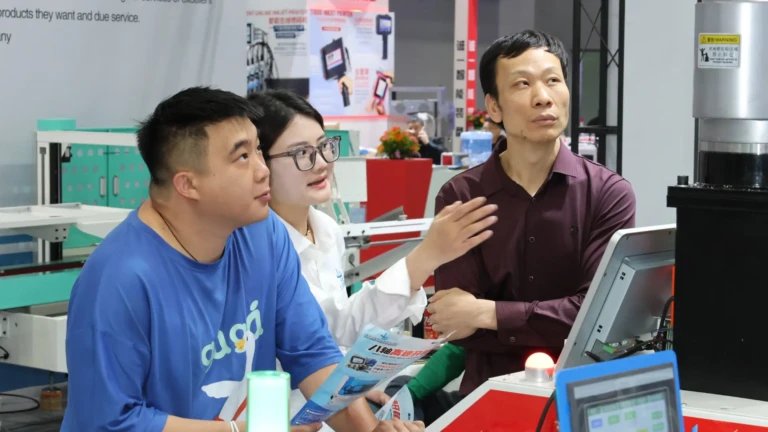
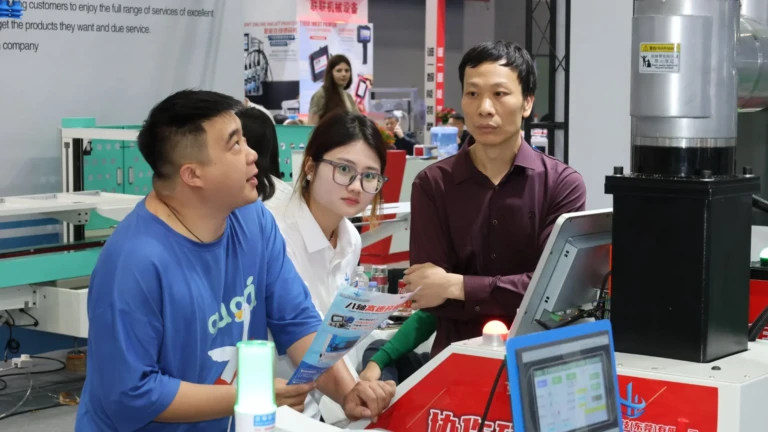
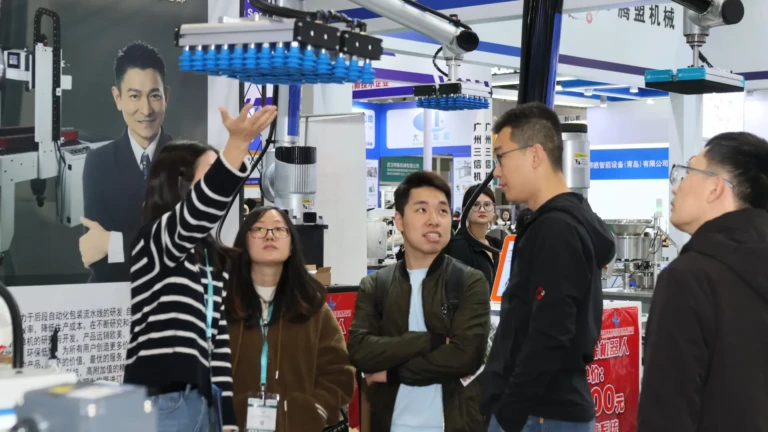
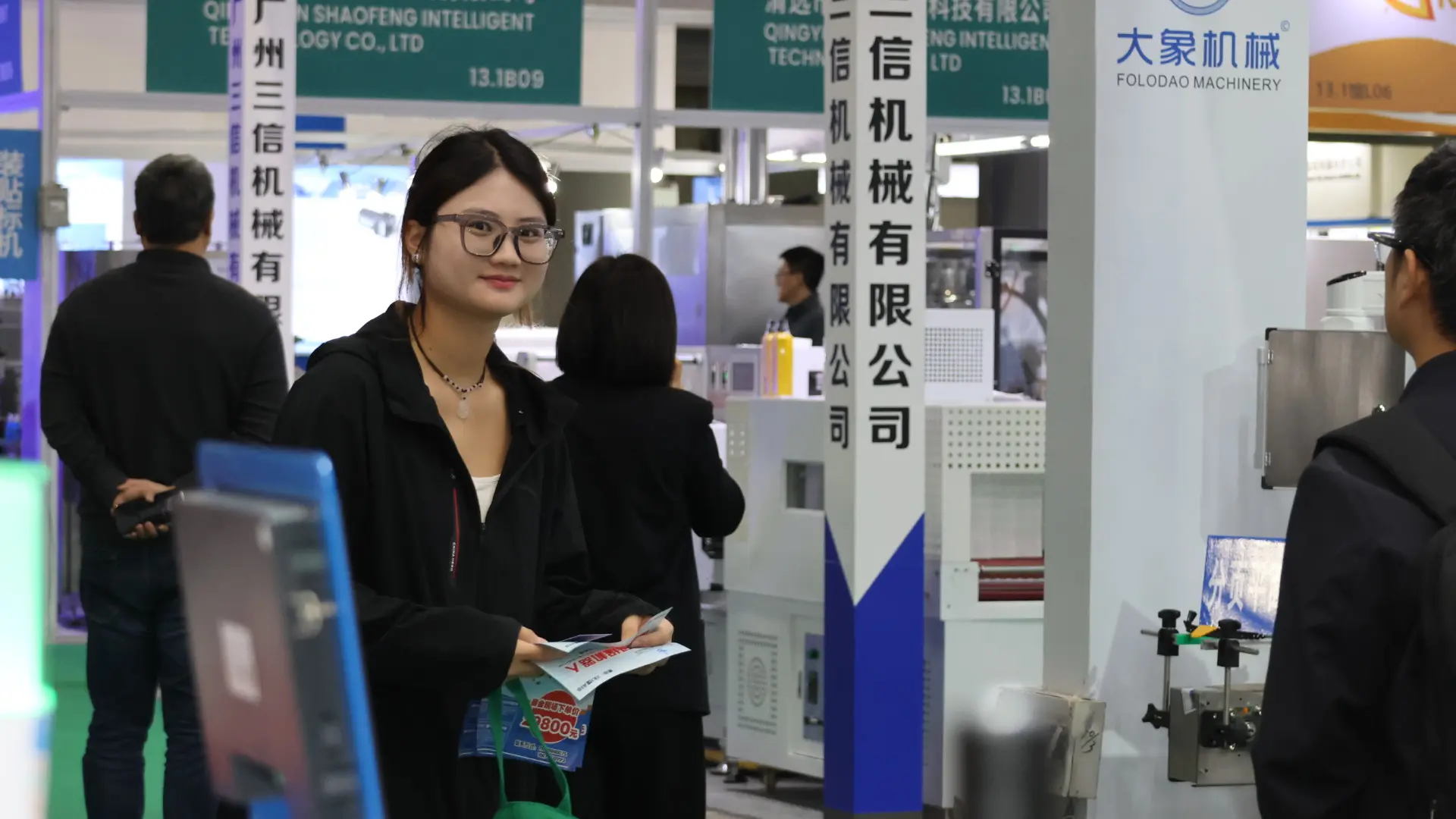
Final Tip: Leverage trade shows like China International Robotics Exhibition (CIRE) to negotiate face-to-face with suppliers and compare live demos. The future of automation is here—strategic sourcing ensures you won’t be left behind.