The Rise of China’s Robotic Palletizing Giants: Innovation Meets Industrial Demand
In the global automation revolution, China has cemented its position as a powerhouse in robotic manufacturing, particularly in the palletizing sector. Driven by labor shortages, rising wages, and the pursuit of precision, Chinese manufacturers are turning to robotics to optimize logistics, warehousing, and production lines. Leading this transformation are homegrown innovators like Huaxiu Robot, whose cutting-edge solutions are reshaping industries worldwide.
Why China Dominates Robotic Palletizing
China’s robotic industry has surged ahead thanks to strategic government initiatives like Made in China 2025, which prioritizes smart manufacturing and automation. Combine this with vast domestic demand, aggressive R&D investment, and cost-efficient production, and it’s no surprise that Chinese robotic palletizing systems now rival—and often surpass—those from Europe, Japan, or the U.S.
Spotlight on Huaxiu Robot: A Leader in Integrated Solutions
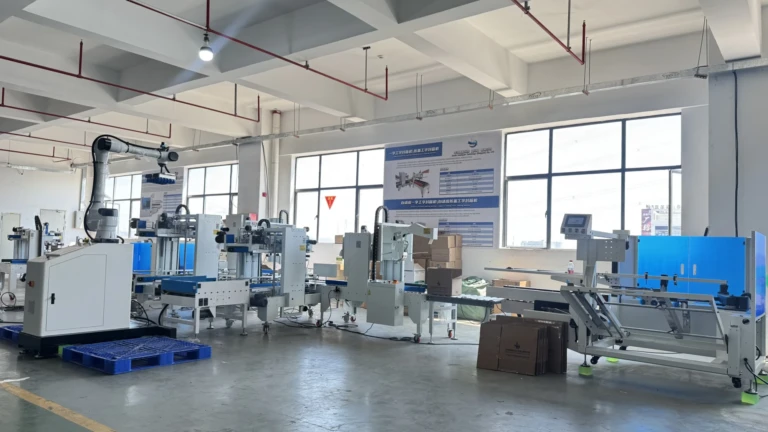
Huaxiu Robot stands out among China’s elite manufacturers for its end-to-end automation ecosystem. Unlike companies specializing in single-task robots, Huaxiu offers a comprehensive suite of interconnected systems designed to handle every stage of packaging and palletizing with minimal human intervention. Their flagship products include:
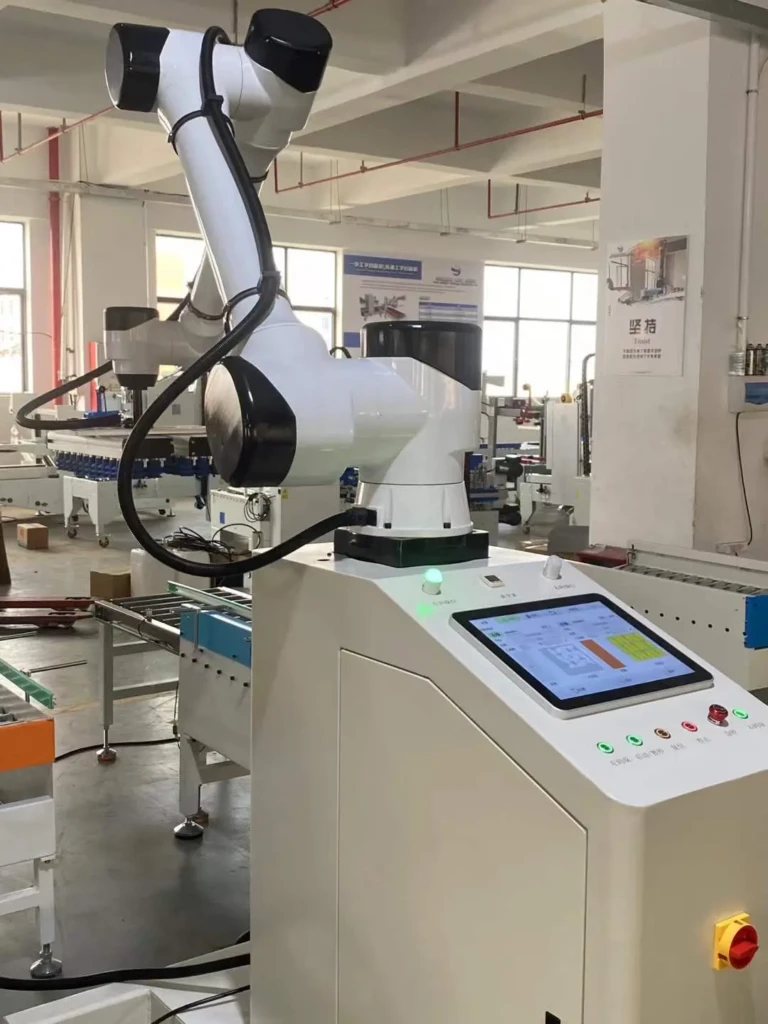
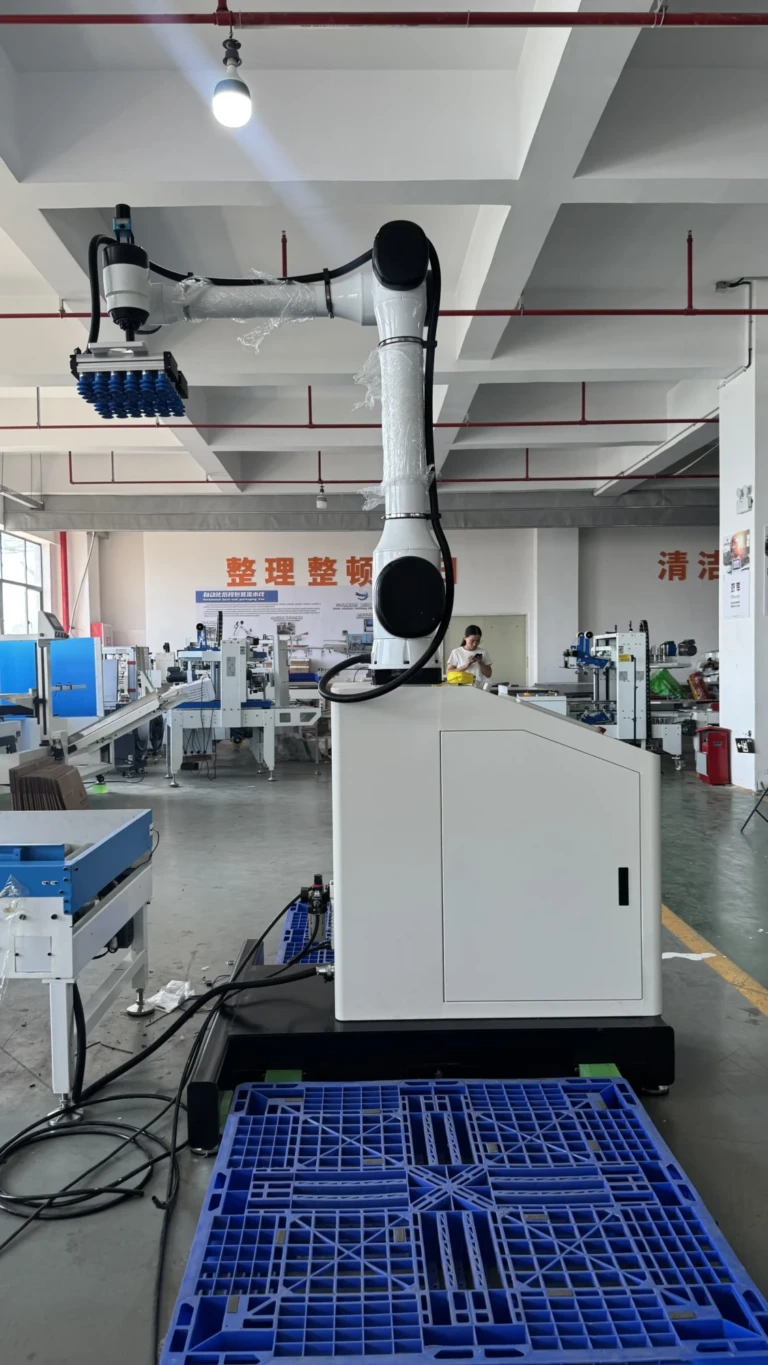
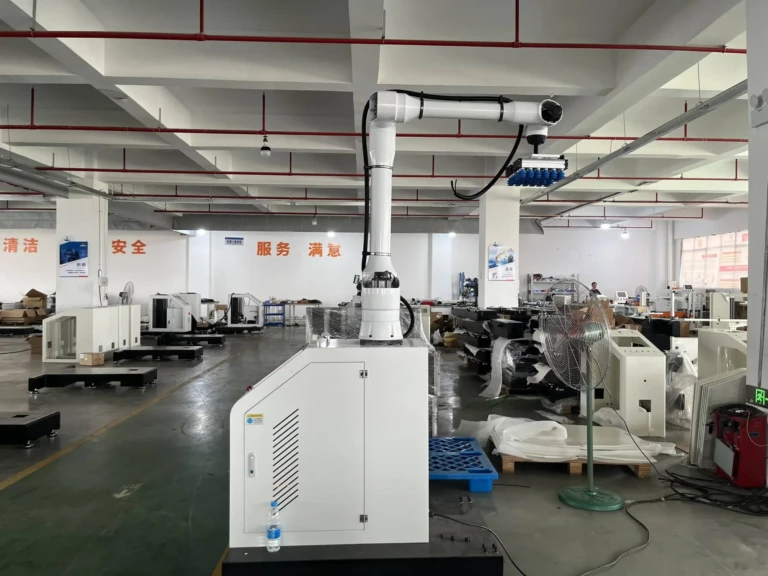
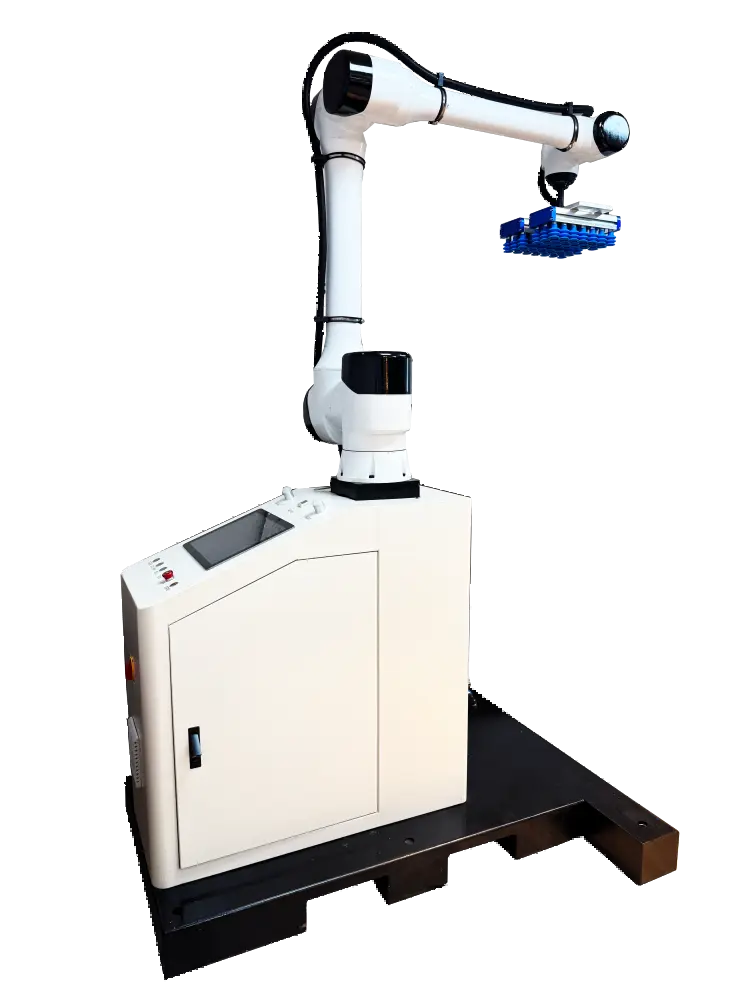
- Collaborative Palletizing Robots (Cobots): Designed for flexibility, these cobots work safely alongside humans, adapting to dynamic production environments.
- Automatic Unpacking/Sealing Robots: Streamline the loading and sealing of cartons with millimeter-perfect accuracy.
- Pallet-Forming & Strapping Robots: Optimize pallet stability for transport, reducing product damage and labor costs.
- Shrink/Stretch Film Wrapping Robots: Enhance load security while minimizing material waste.
- Semi-Automatic Hybrid Systems: Bridge gaps in fully automated lines for smaller manufacturers.
Huaxiu’s machines excel in industries ranging from food and beverage to pharmaceuticals, electronics, and e-commerce logistics. For example, a beverage giant using Huaxiu’s cobots reported a 50% reduction in palletizing time and eliminated ergonomic injuries caused by repetitive lifting.
What Sets Chinese Leaders Apart?
Huaxiu and peers like Siasun and ESTUN Robotics dominate globally due to three key advantages:
- Cost-Effectiveness: High-quality systems at 30–50% lower costs than Western counterparts.
- Customization: Rapid adaptation to niche workflows (e.g., irregularly shaped items, temperature-sensitive environments).
- Smart Connectivity: Integration with IoT platforms and AI-driven predictive maintenance.
Global Impact and Sustainability
China’s robotic manufacturers aren’t just serving local markets. Companies like Huaxiu export to over 50 countries, with significant footprints in Southeast Asia, Europe, and North America. Their energy-efficient designs also align with global ESG goals—Huaxiu’s stretch film robots, for instance, use 20% less plastic than conventional models.
The Road Ahead
As Industry 4.0 accelerates, Chinese palletizing robots are evolving beyond mechanical labor. Innovations in computer vision, swarm robotics (multi-robot coordination), and edge-AI analytics will further reduce downtime and enhance adaptability. Huaxiu’s recent partnership with a top AI research institute to develop self-optimizing palletizing algorithms exemplifies this trend.
Conclusion
China’s robotic palletizing leaders, spearheaded by pioneers like Huaxiu Robot, are redefining industrial efficiency. By merging affordability, innovation, and scalability, they empower businesses of all sizes to compete in an automated future. For companies seeking to upgrade their logistics, partnering with these manufacturers isn’t just a smart choice—it’s a strategic imperative.
FAQs: Robotic Palletizing Systems
Q1: How much does a robotic palletizing system cost?
Prices vary based on payload, speed, and customization, but Chinese systems typically range from $50,000 to $200,000—far cheaper than European equivalents. ROI is often achieved in 1–3 years via labor savings and productivity gains.
Q2: Are these robots difficult to integrate with existing production lines?
Leading manufacturers offer plug-and-play solutions compatible with standard PLCs (Programmable Logic Controllers) and warehouse management software. Huaxiu provides 24/7 remote diagnostics to troubleshoot integration hurdles.
Q3: What safety features do collaborative palletizing robots include?
Cobots use force-limiting sensors, 3D vision systems, and emergency braking to avoid collisions. Many comply with ISO 10218 and ISO/TS 15066 safety standards.
Q4: Can robotic palletizers handle fragile or irregularly shaped items?
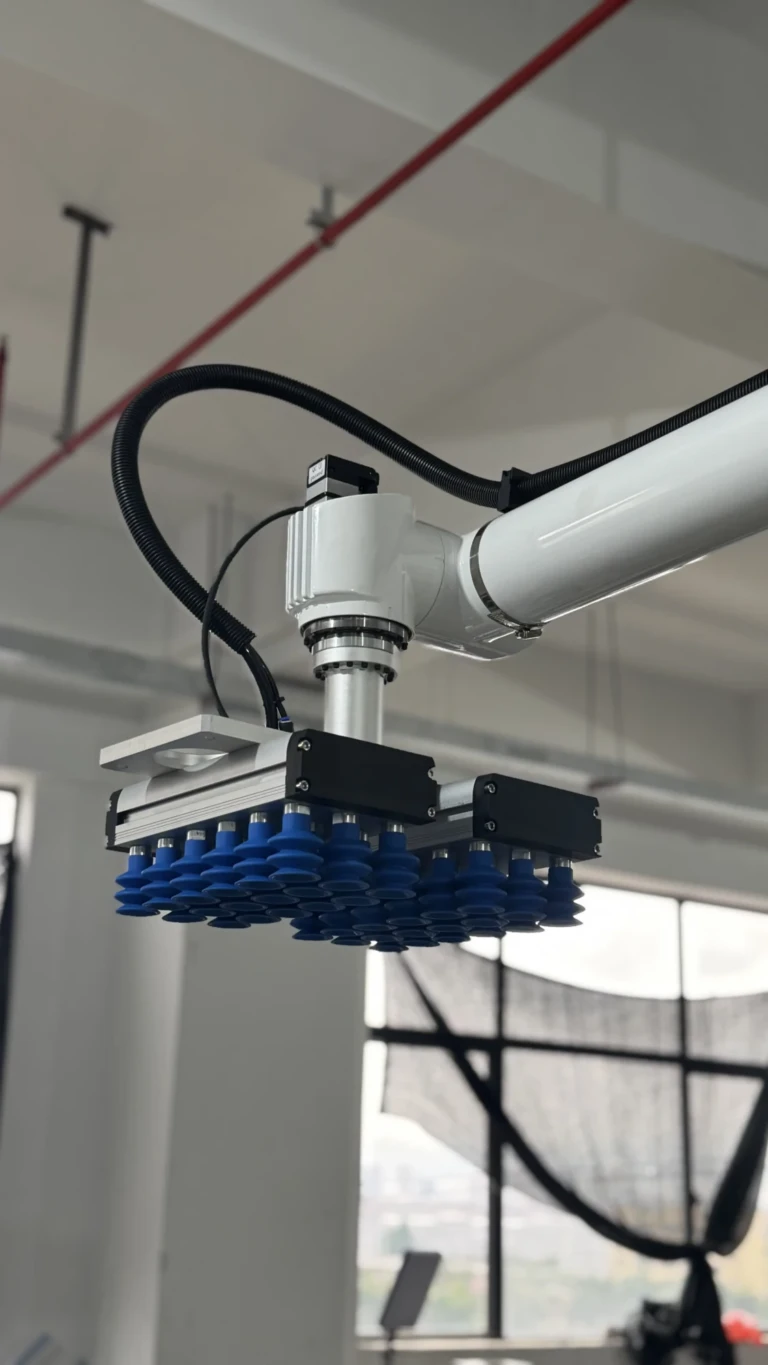
Yes. Advanced grippers (e.g., vacuum-based, soft robotic) and AI vision ensure delicate items like glass bottles or electronics are palletized securely.
Q5: How do these systems impact sustainability?
Robots reduce packaging waste via precise material use and lower energy consumption compared to manual labor. Huaxiu’s stretch film robots, for example, cut plastic waste by 15–30%.
Looking to automate your palletizing? Contact China’s industry leaders to explore tailor-made solutions that scale with your business.