Introduction: The Rising Demand for Palletizing Automation
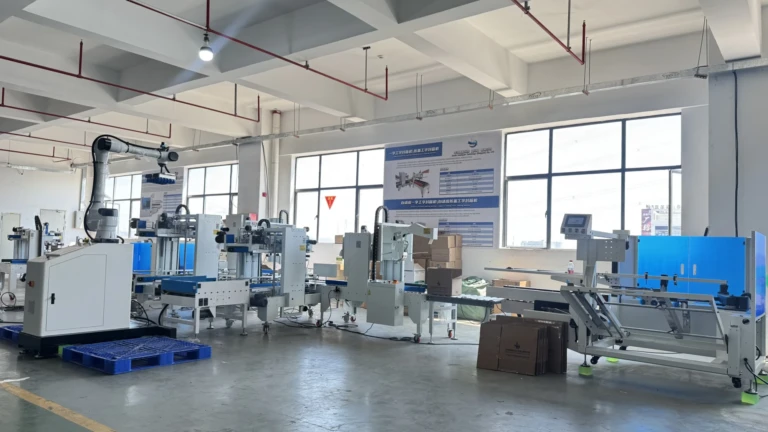
In today’s fast-paced manufacturing and logistics sectors, efficiency is non-negotiable. Factory pallet robots—ranging from collaborative palletizing arms to fully automated stretch film wrappers—are no longer luxury investments but essential tools for staying competitive. However, cost remains a critical factor for businesses evaluating automation. This guide dives deep into the cost structure of palletizing robots, explores the value proposition of industry-leading solutions like Huaxiu Robot’s product suite, and provides actionable insights to help you make an informed decision.
Factors Influencing Factory Pallet Robot Costs
-
Robot Type & Functionality
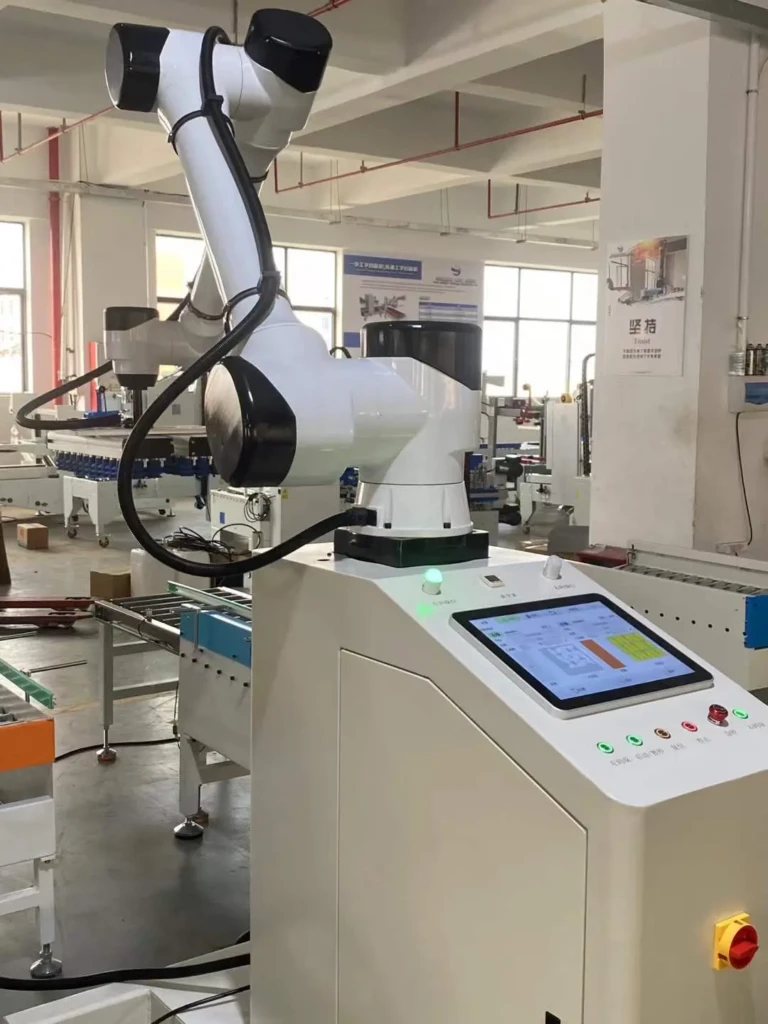
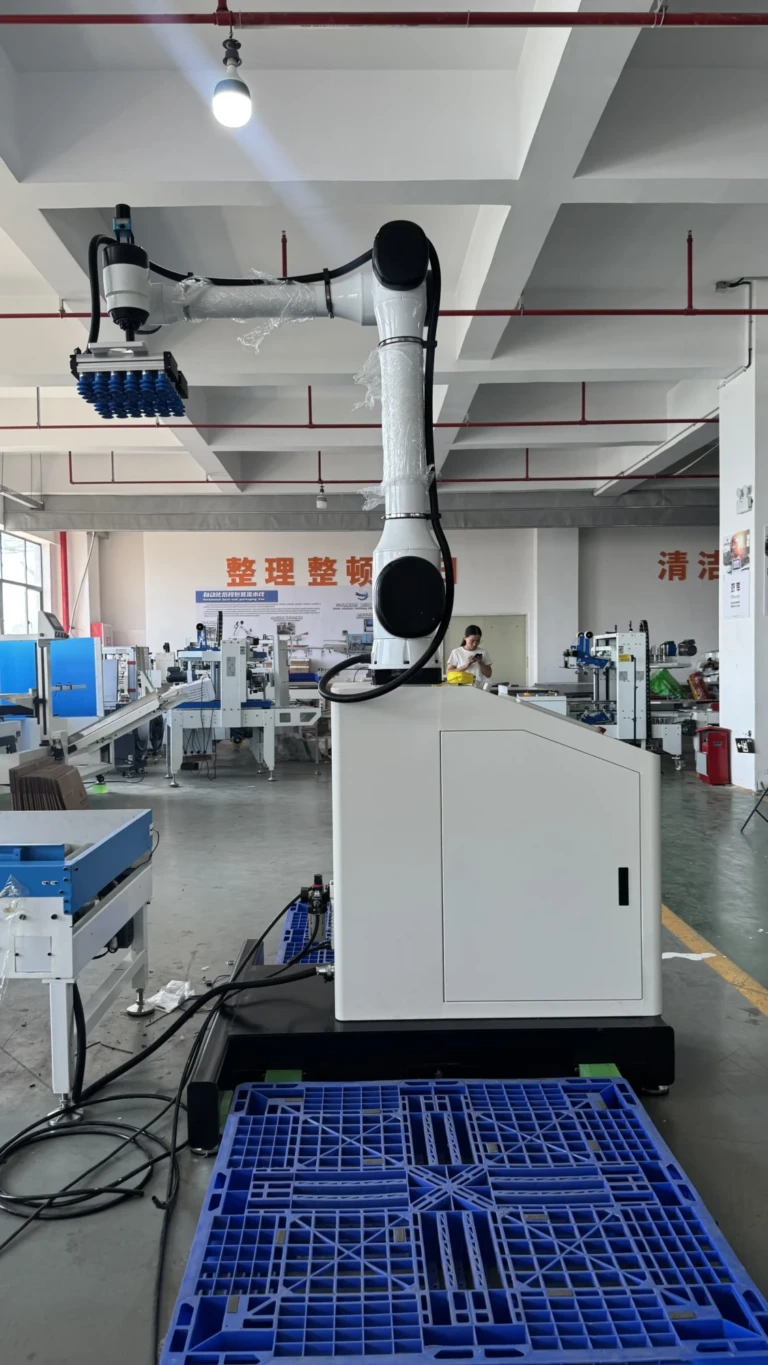
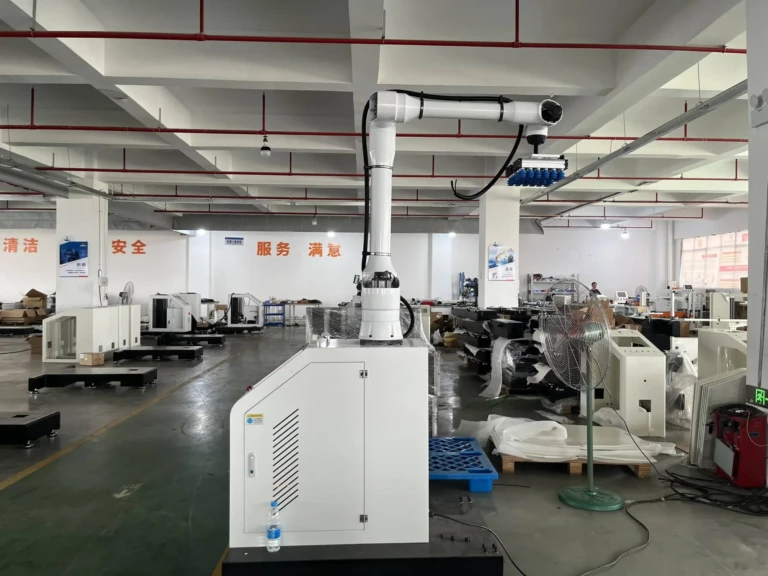
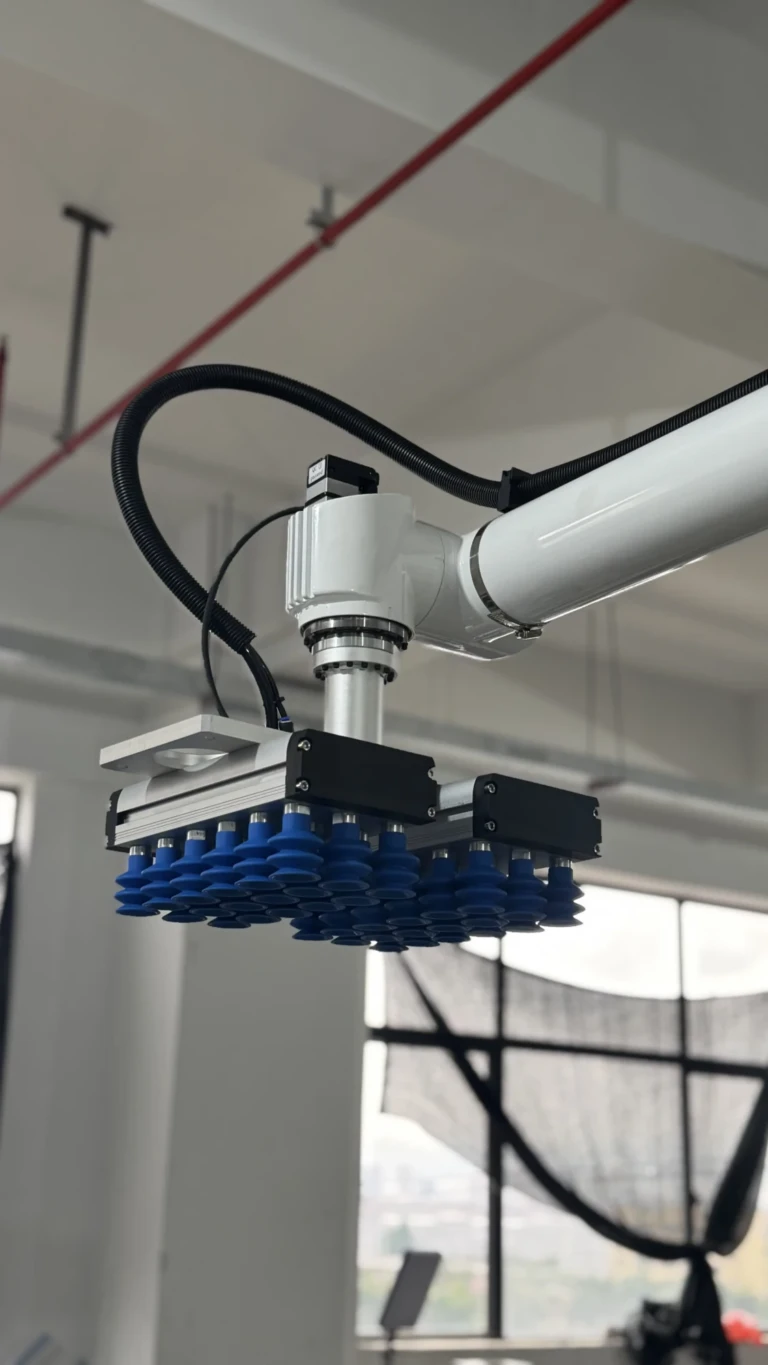
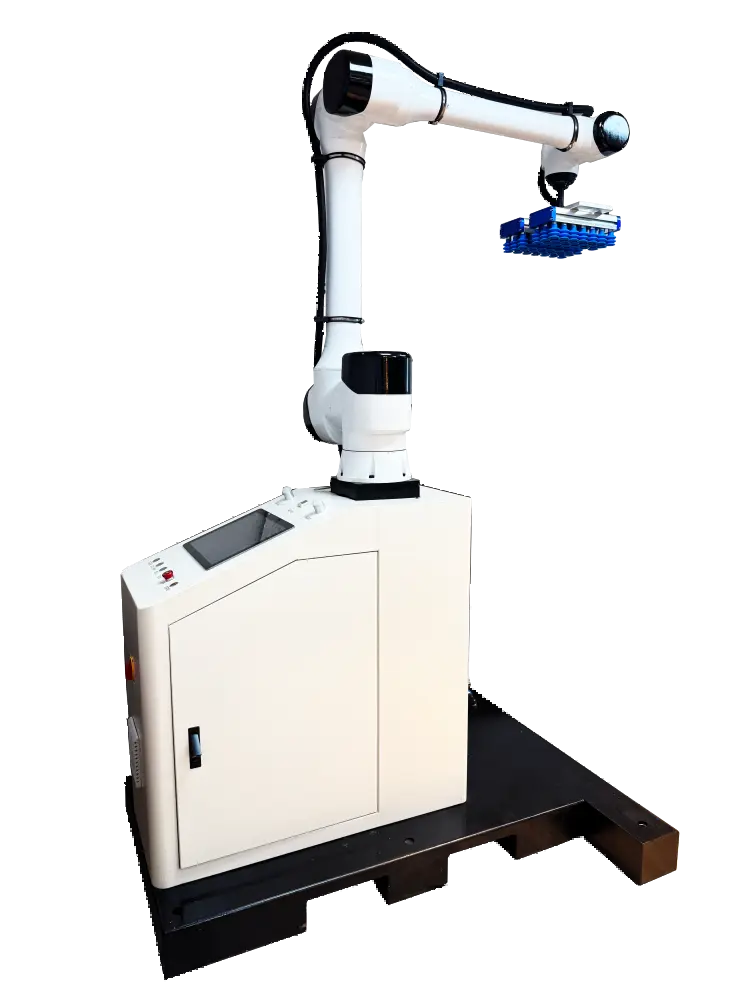
- Collaborative Palletizing Robots: Designed to work alongside humans, these robots command higher prices due to advanced safety sensors and flexible programming. Huaxiu’s collaborative models, for example, optimize low-to-medium throughput workflows without safety cages.
- Fully Automated Systems: End-to-end solutions like Huaxiu’s strapping robots or shrink packaging robots involve integrated vision systems and conveyor networks, increasing upfront costs but minimizing manual intervention.
- Specialized Units: Niche robots like pallet-forming or semi-automatic sealing robots offer mid-range pricing, ideal for targeted applications like e-commerce fulfillment.
-
Payload Capacity & Speed
High-capacity robots (e.g., handling 1,500 kg+ pallets) require reinforced structures and precision motors, raising costs by 15–30% compared to low-payload models. Throughput speed (cycles per hour) also impacts pricing—high-speed unpacking or sealing robots justify premiums with rapid ROI in high-volume environments. -
Integration Complexity
Retrofitting robots into legacy production lines often necessitates custom software interfaces, PLC upgrades, or conveyor modifications. Huaxiu’s modular designs reduce integration costs, but bespoke installations can add 10–25% to the total investment. -
Software & Intelligence
AI-driven features like adaptive gripping (for irregularly shaped boxes) or predictive maintenance algorithms elevate costs. Huaxiu’s robots with real-time load optimization or remote diagnostics offer long-term savings despite higher initial prices. - Brand & Support
Established brands like Huaxiu Robot balance premium pricing with extensive warranties (3–5 years), 24/7 technical support, and readily available spare parts—critical for minimizing downtime costs.
Huaxiu Robot’s Product Range & Pricing Insights
Huaxiu offers a comprehensive portfolio of palletizing automation solutions, with prices varying based on capability and scalability:
- Collaborative Palletizing Robots: ≈ $50,000–$120,000
Ideal for SMEs seeking flexibility; lower payload (5–50 kg) but easy redeployment. - Automatic Unpacking/Sealing Robots: ≈ $30,000–$80,000
Streamline packaging lines with consistent tape or film application. - Shrink Packaging & Strapping Robots: ≈ $75,000–$150,000
High-speed units for securing palletized goods in distribution centers. - Fully Automatic Stretch Film Wrappers: ≈ $20,000–$60,000
Cost-effective for uniform load stabilization. - End-to-End Palletizing Cells: ≈ $200,000–$500,000+
Customizable systems incorporating pallet forming, stacking, and sealing.
Note: Pricing excludes installation, training, or ancillary equipment (e.g., conveyors).
Hidden Costs & ROI Considerations
- Energy Consumption: Electric robots (e.g., Huaxiu’s collaborative models) cut power costs by 40% vs. pneumatic alternatives.
- Maintenance: Sealed robotic arms reduce lubricant and part replacement expenses. Annual upkeep averages 5–8% of upfront cost.
- Labor Savings: A single palletizing robot can replace 2–4 workers, yielding ROI in 1–3 years depending on shift schedules.
- Error Reduction: Automated sealing or strapping eliminates product damage due to human inconsistency—saving thousands in waste.
Conclusion: Strategic Investment Over Short-Term Cost
While factory pallet robot costs vary widely, the key is aligning capabilities with operational goals. Huaxiu Robot’s diverse range—from semi-automatic sealers to AI-driven palletizing arms—ensures scalable solutions for budgets of all sizes. Prioritize suppliers offering lifecycle support, modular upgrades, and proven reliability. The true metric isn’t sticker price but cost per stabilized pallet over 5+ years. In an era where automation defines competitiveness, the right pallet robot isn’t an expense—it’s a growth accelerator.
FAQs
Q1: What’s the average cost range for a basic palletizing robot?
Entry-level semi-automatic models start at $20,000, while high-speed collaborative units range from $50,000–$120,000.
Q2: Does Huaxiu Robot offer financing or leasing options?
Many providers, including Huaxiu, partner with financial institutions to offer lease-to-own plans or subscription models, easing upfront burdens.
Q3: How long does implementation take?
Plug-and-play robots (e.g., stretch wrappers) deploy in days. Complex palletizing cells may require 4–8 weeks for integration and testing.
Q4: Can pallet robots handle non-standard box sizes?
Yes. Huaxiu’s vision-guided robots use AI to adjust grippers and pallet patterns dynamically, accommodating mixed loads.
Q5: Are safety cages mandatory for palletizing robots?
Collaborative robots (like Huaxiu’s CR series) operate cage-free with force-limiting sensors. Traditional high-speed robots may still require fencing.
Q6: What’s the typical lifespan of a pallet robot?
With proper maintenance, expect 8–12 years of service. Critical components (motors, controllers) often have 3–5-year warranties.
Q7: How do I estimate ROI accurately?
Calculate labor savings (wages, benefits), error reduction (product damage), throughput gains, and energy costs. Most clients achieve full ROI in ≤24 months.
Ready to explore how pallet robots can revolutionize your workflow? Consult Huaxiu Robot’s engineers for a tailored cost-benefit analysis.