The Rise of High-Level Robotic Palletizers: Redefining Efficiency in Industrial Automation
In today’s fast-paced industrial landscape, the demand for speed, precision, and operational resilience has never been higher. Among the technologies driving this transformation, high-level robotic palletizers stand out as game-changers in logistics, manufacturing, and supply chain management. These advanced systems are not merely incremental upgrades—they represent a quantum leap in automation, blending artificial intelligence, advanced sensing, and modular design to tackle complex tasks that were once labor-intensive and error-prone.
What Are High-Level Robletizers?
Robotic palletizers automate the process of stacking and organizing products onto pallets for storage or shipment. Traditional systems often operate within fixed parameters, handling uniform items in predictable layouts. High-level robotic palletizers, however, transcend these limitations. They incorporate adaptive intelligence, enabling them to manage variable product shapes, weights, and packaging configurations with minimal human intervention. Equipped with 3D vision systems, machine learning algorithms, and real-time data analytics, these robots “learn” and optimize workflows dynamically—even in unstructured environments.
Core Advancements Driving Modern Palletizers:
- AI-Powered Flexibility: High-level systems leverage machine learning to identify patterns in product handling, adjusting gripper force, stacking sequences, and pallet configurations on the fly.
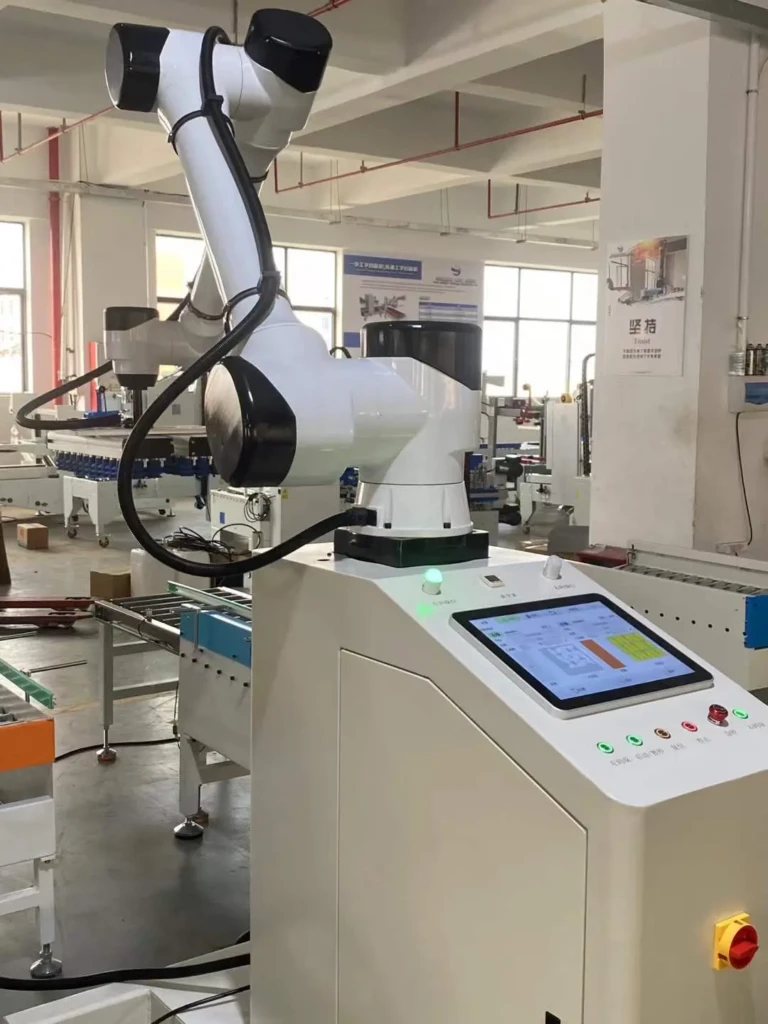
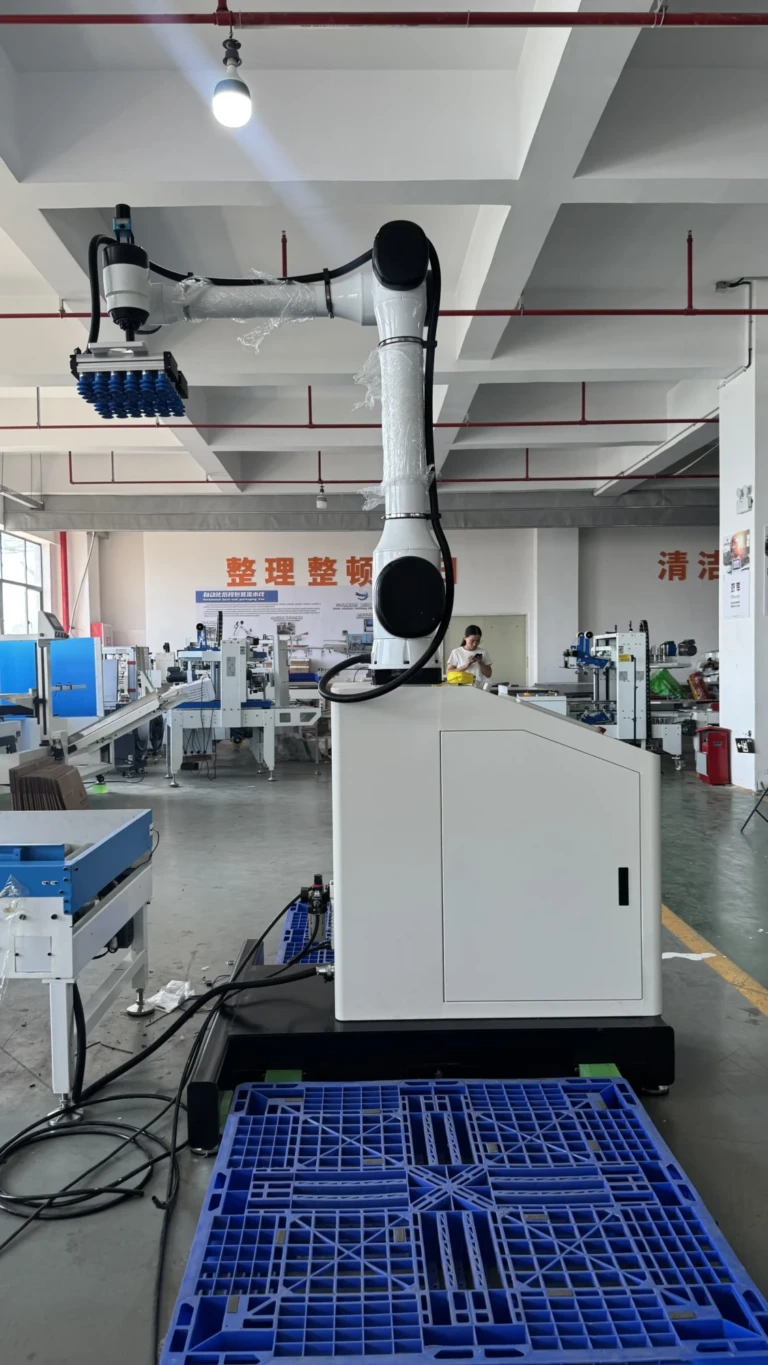
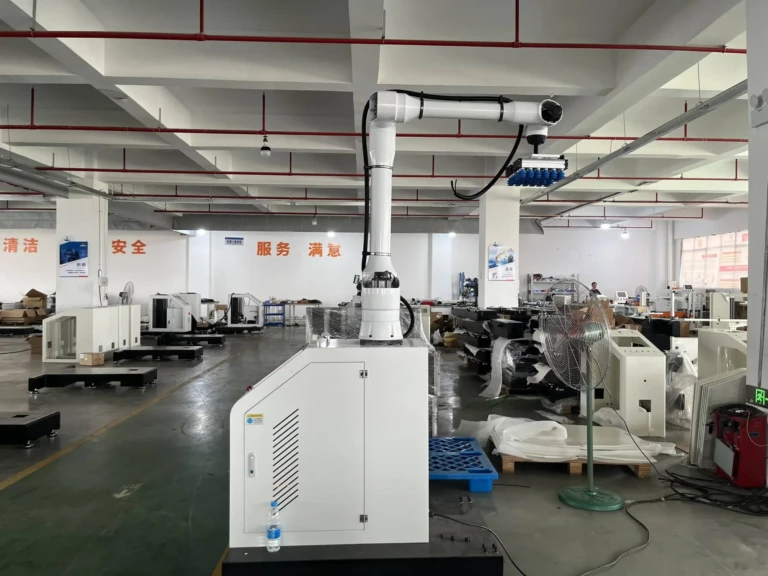
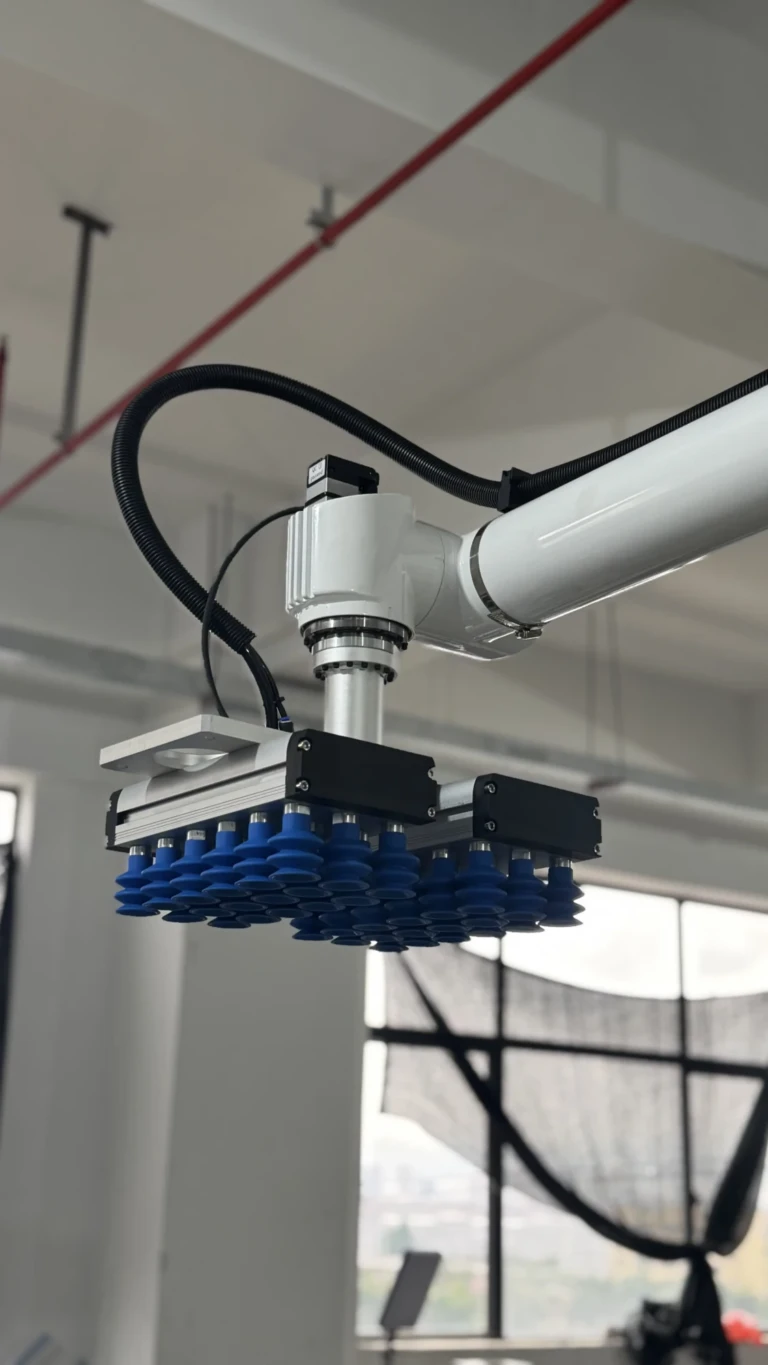
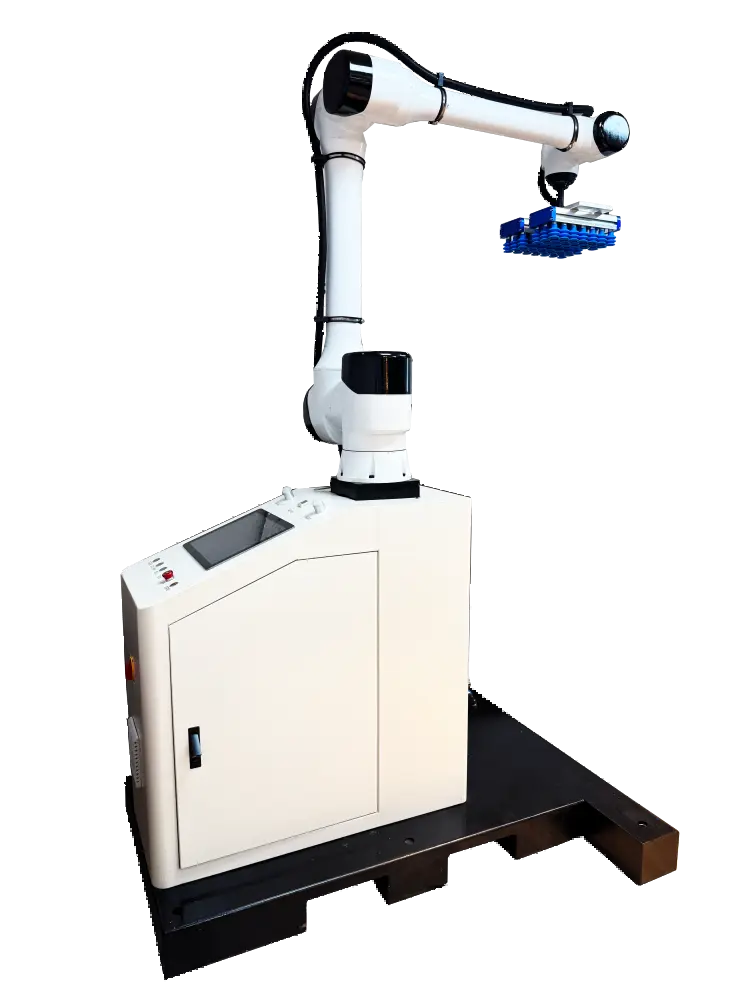
- Collaborative Robotics (Cobots): Unlike traditional industrial robots confined to safety cages, collaborative palletizing robots (like those from Huaxiu Robot) operate alongside humans, combining speed with safety.
- Integrated IoT Connectivity: These systems sync with warehouse management software (WMS), providing live data on throughput, downtime, and maintenance needs.
- Sustainability Focus: By minimizing product damage and optimizing space utilization, robotic palletizers reduce material waste and energy consumption—key for ESG compliance.
Industries Transformed by Robotic Palletizing
From food and beverage to pharmaceuticals and e-commerce, high-level palletizers are eliminating bottlenecks:
- Food & Beverage: Handling delicate items like glass bottles or irregularly shaped snacks without damage.
- Pharma: Ensuring sterile, precise stacking of medical supplies with traceability features.
- E-Commerce: Adapting to ever-changing SKUs and order profiles during peak seasons.
The Huaxiu Robot Advantage: A Suite of Integrated Solutions
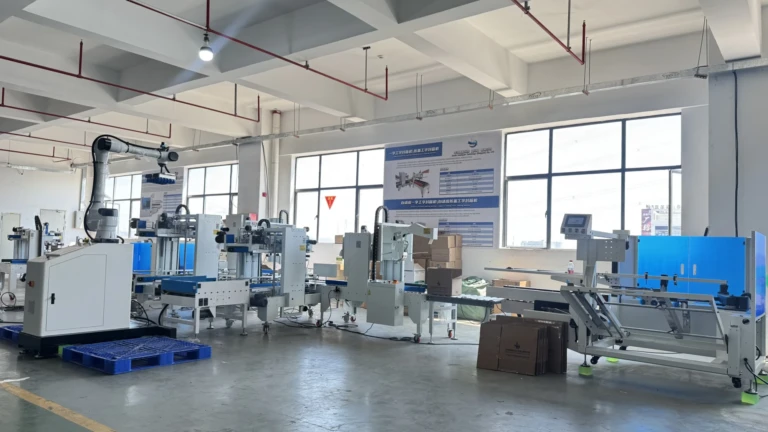
Companies like Huaxiu Robot exemplify the cutting edge of this automation wave with a comprehensive product ecosystem:
- Collaborative Palletizing Robots: Safe for human interaction, ideal for mixed workflows.
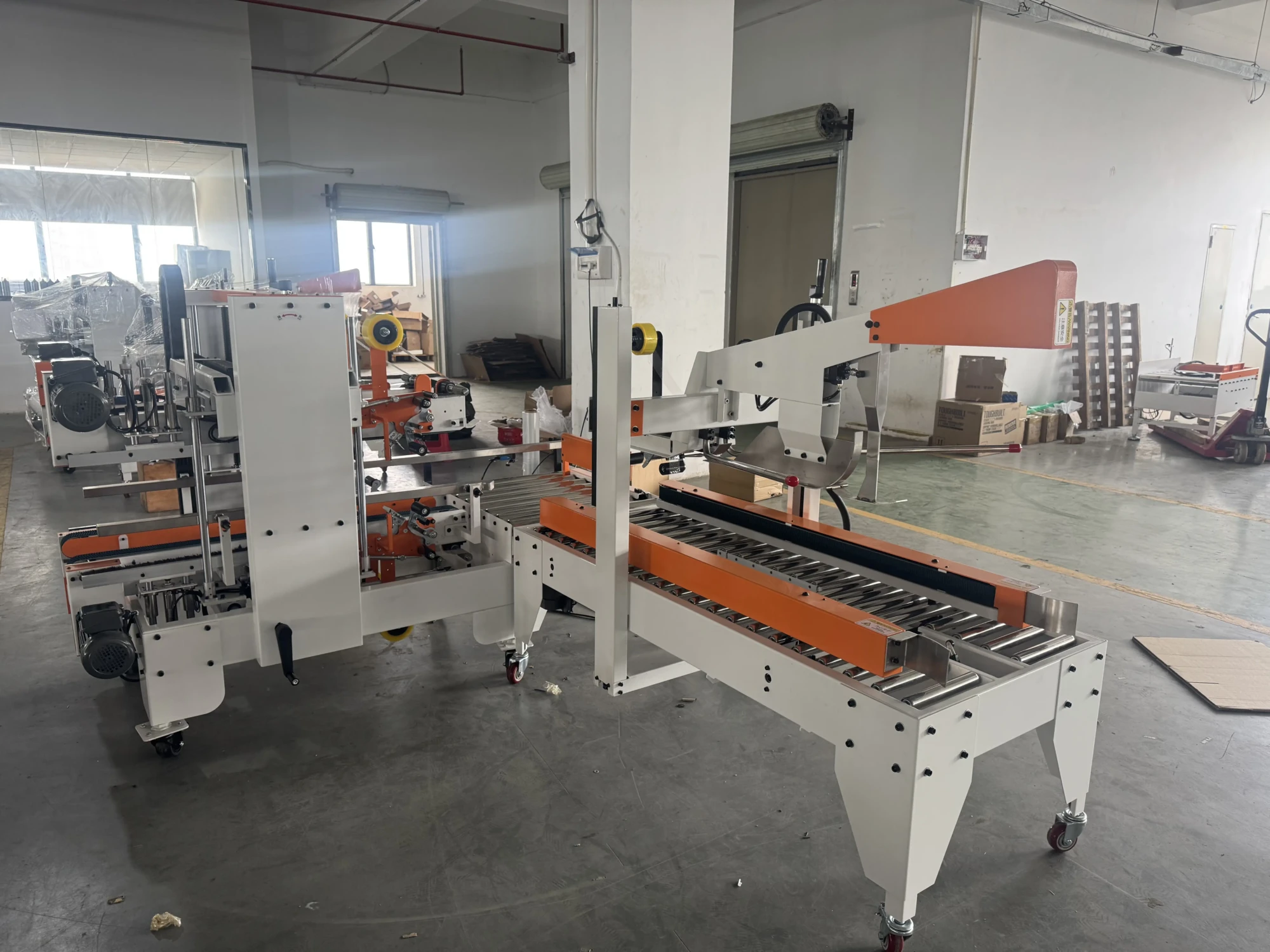
- Automatic Unpacking/Sealing Robots: Streamlining inbound and outbound processes.
- Shrink/Stretch Film Packaging Robots: Creating secure, tamper-proof bundles.
- Pallet-Forming & Strapping Robots: Automating the entire pallet lifecycle.
This modularity allows businesses to deploy end-to-end automation without overhauling existing infrastructure—a critical cost-saving factor for SMEs.
The Future: Where Robotic Palletizing Is Headed
Three trends will dominate the next decade:
- Hyper-Automation: Combining palletizers with autonomous mobile robots (AMRs) for seamless warehouse navigation.
- Predictive Maintenance: AI algorithms forecasting equipment failures before they disrupt operations.
- 5G-Powered Edge Computing: Near-zero latency enabling real-time adjustments in multi-robot fleets.
By 2030, expect palletizers to integrate generative AI for “creative” problem-solving—like redesigning unstable pallet patterns autonomously.
Conclusion
High-level robotic palletizers are no longer a luxury; they’re a strategic imperative for competitiveness. As labor shortages persist and consumer expectations escalate, businesses that adopt these systems will achieve unprecedented efficiency, scalability, and resilience. With pioneers like Huaxiu Robot offering versatile, interoperable solutions, the barrier to entry is lower than ever. The question isn’t whether to automate palletizing—it’s how quickly you can transition to stay ahead.
FAQs: High-Level Robotic Palletizers
Q1: How do these robots handle irregularly shaped items?
A1: Advanced 3D vision systems scan each item, while AI algorithms calculate optimal grip points and stacking sequences—even for amorphous or fragile products.
Q2: What is the ROI timeframe for deploying robotic palletizers?
A2: Most businesses recover costs in 12–24 months through labor savings, reduced product damage, and increased throughput.
Q3: Are collaborative palletizers safe for human workers?
A3: Yes. Cobots use force-limiting sensors and LiDAR to halt motion upon detecting human proximity, complying with ISO safety standards.
Q4: Can they integrate with older warehouse systems?
A4: Absolutely. Modern palletizers communicate via APIs or PLCs, bridging legacy equipment with new automation.
Q5: Do these systems require specialized programming skills?
A5: No. User-friendly interfaces with drag-and-drop logic builders allow floor managers to reprogram workflows without coding expertise.
Keen to explore how high-level palletizing can transform your operation? Evaluate providers like Huaxiu Robot for end-to-end solutions that scale with your ambitions.