Introduction
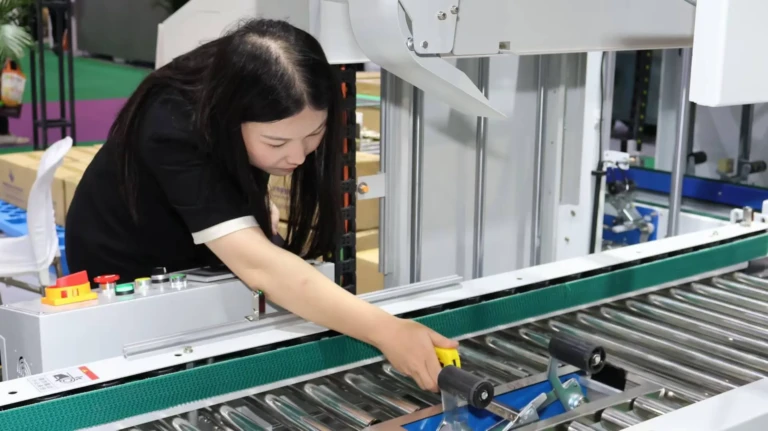
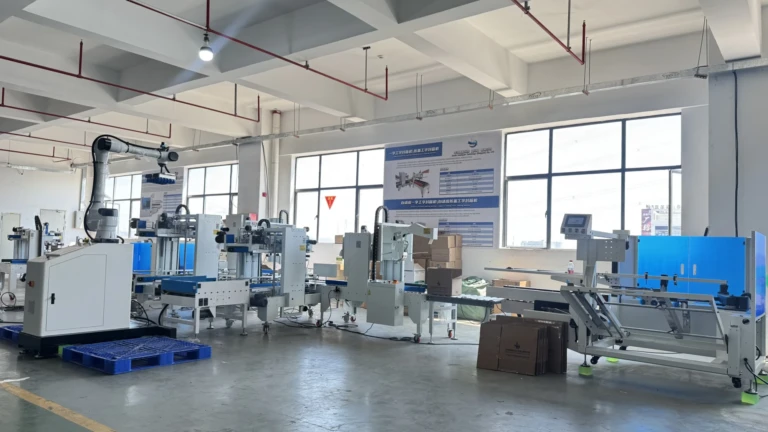
In today’s fast-paced industrial landscape, efficiency and precision in logistics operations are non-negotiable. Pallets—the unsung heroes of supply chains—bear the brunt of wear and tear, directly impacting productivity and costs. Traditional pallet repair methods, reliant on manual labor, struggle to keep up with demand due to labor shortages, human error, and inconsistent quality. Enter Motoman Pallet Repair Robot Solutions: a game-changing automation technology designed to optimize pallet maintenance, reduce downtime, and deliver unmatched ROI. This article dives into how these robotic systems are revolutionizing the industry and why businesses are rapidly adopting them.
The Growing Challenge of Pallet Maintenance
Pallets are foundational to material handling, yet their repair is often overlooked. Damaged pallets lead to:
- Productivity loss: Line stoppages, delayed shipments.
- Safety risks: Structural failures causing workplace injuries.
- Cost overruns: Manual repairs are labor-intensive and expensive.
With sustainability mandates tightening and labor costs rising, companies need smarter solutions. Automated pallet repair isn’t just a luxury—it’s becoming a necessity.
Motoman Pallet Repair Robots: Precision Engineering Meets AI
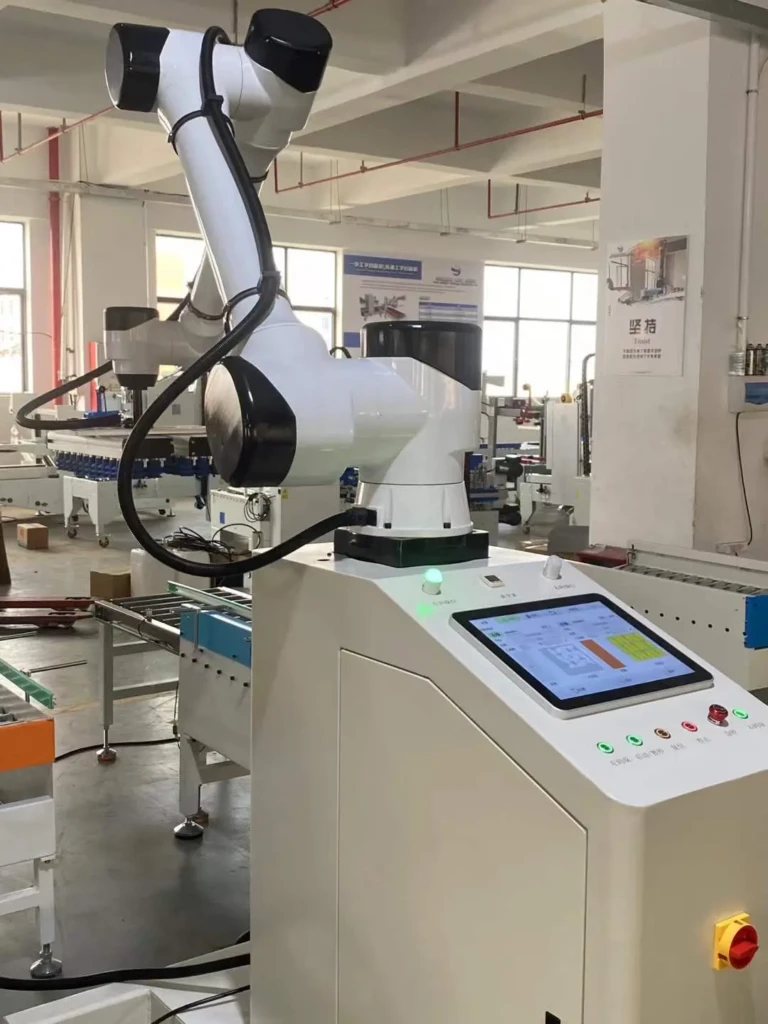
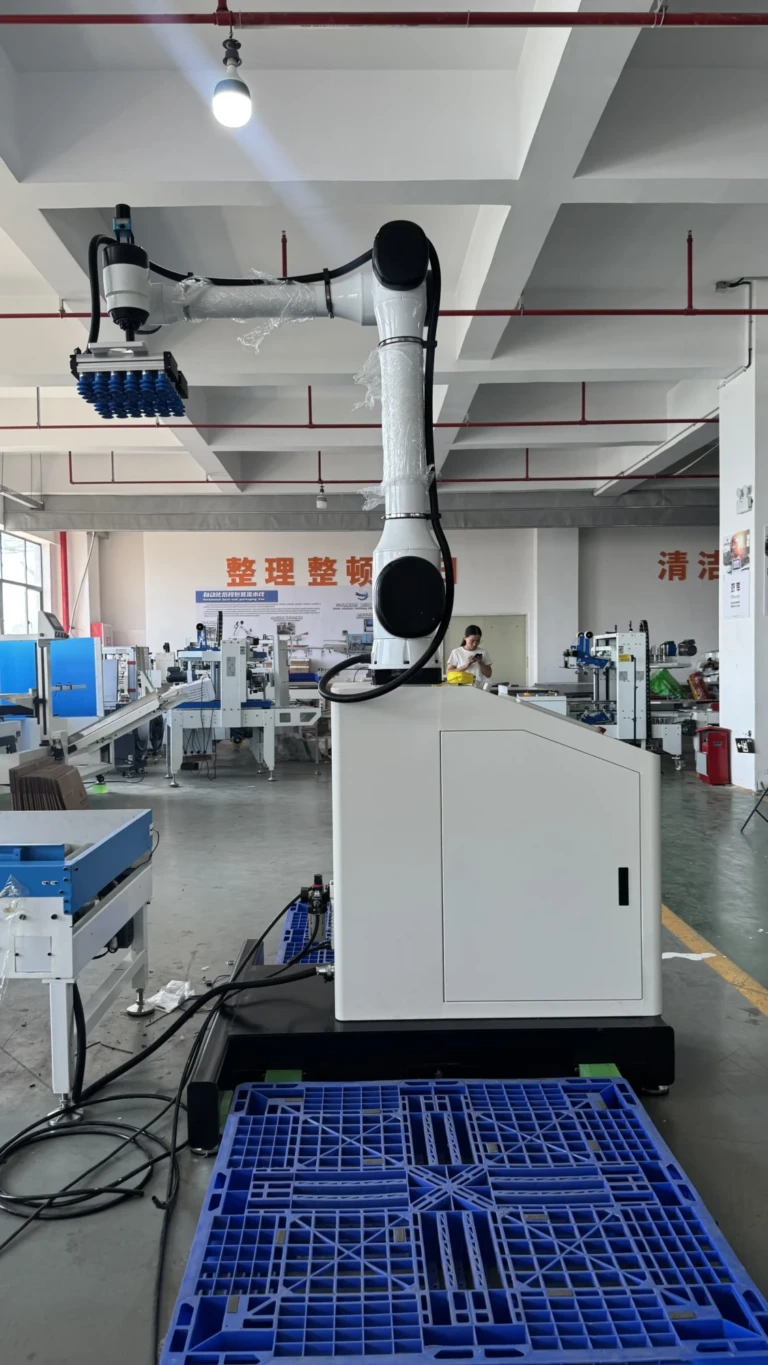
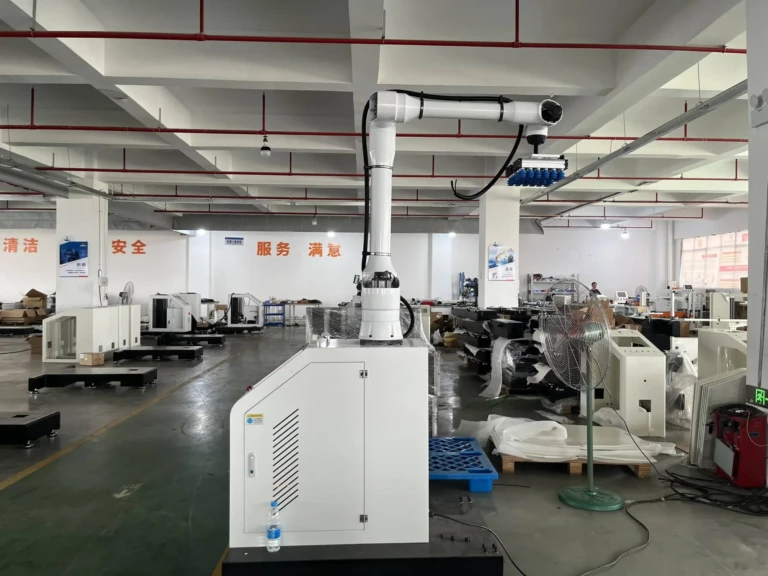
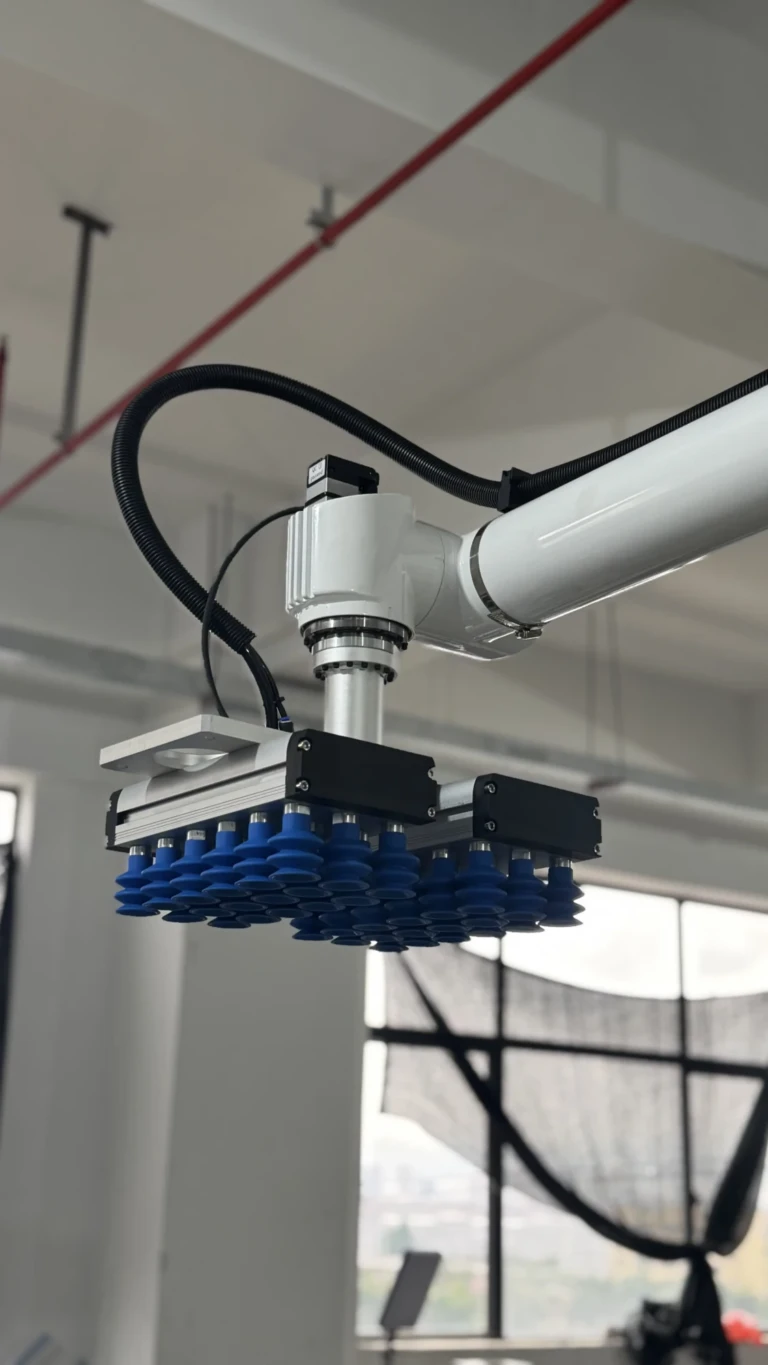
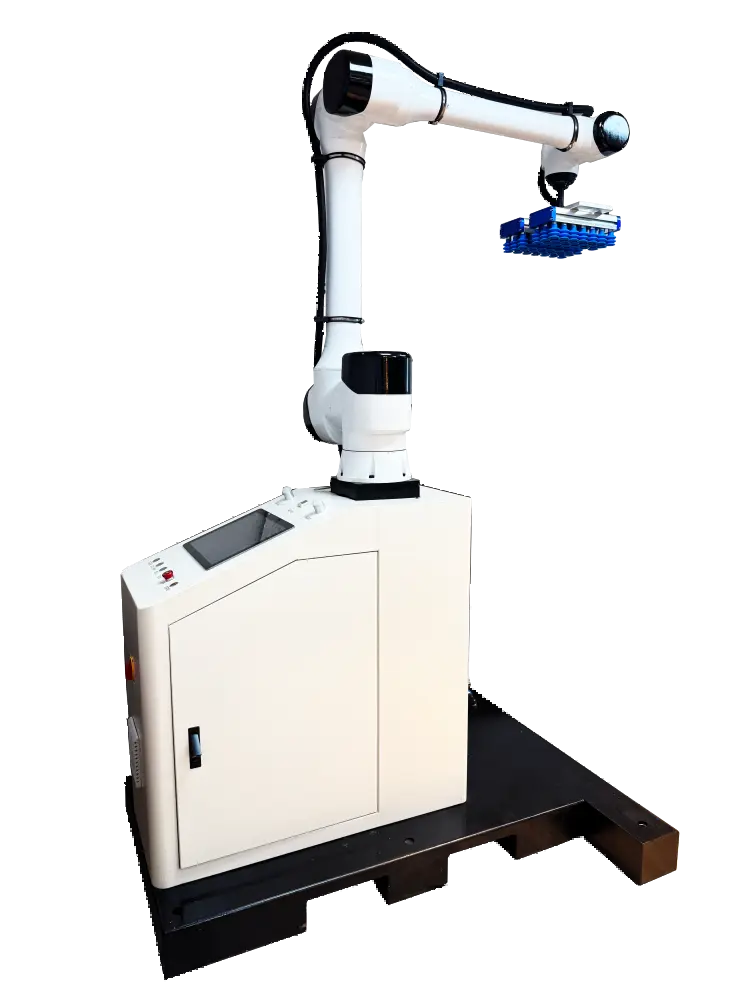
Motoman’s robotic solutions leverage cutting-edge technology to inspect, diagnose, and repair pallets with surgical accuracy. Here’s how they work:
-
Advanced Vision Systems
Equipped with 3D cameras and AI-driven algorithms, these robots detect cracks, splits, and loose fasteners invisible to the human eye. Machine learning ensures continuous improvement in defect recognition. -
Modular Repair Capabilities
From replacing damaged boards to reinforcing joints, robots perform tasks like:- Nailing/Screwing: Precision-driven fastener application.
- Board Replacement: Automated removal and installation of slats.
- Structural Reinforcement: Applying adhesives or braces to critical weak points.
- Seamless Integration
Motoman systems sync effortlessly with upstream/downstream processes, such as Huaxiu Robot’s automatic strapping robots or stretch film packaging robots, creating a unified end-to-end packaging line.
Key Benefits of Automating Pallet Repair
-
Cost Savings
- Reduce labor costs by up to 70% while extending pallet lifespan.
- Minimize waste with AI-optimized material usage.
-
Enhanced Safety
Remove workers from repetitive, injury-prone tasks like lifting heavy pallets or operating nail guns. -
Scalability
Easily adjust throughput based on demand—ideal for seasonal spikes. - Sustainability
Support circular economy goals by maximizing pallet reuse.
Applications Across Industries
Motoman’s solutions are versatile across sectors:
- Manufacturing: Repair pallets post-production for immediate reuse.
- Warehousing: Maintain pallet pools for e-commerce fulfillment.
- Agriculture: Handle heavy-duty repairs for rugged wooden pallets.
- Retail: Streamline reverse logistics for returned goods.
Integrating with Huaxiu Robot’s Ecosystem
For businesses already using Huaxiu Robot’s products—like collaborative palletizing robots or shrink packaging robots—Motoman’s repair systems slot seamlessly into existing workflows. For instance:
- Step 1: A damaged pallet is identified by a Huaxiu vision system during depalletizing.
- Step 2: Motoman’s robot repairs it in seconds.
- Step 3: The pallet re-enters the cycle via a Huaxiu pallet-forming robot.
This interoperability minimizes downtime and maximizes asset utilization.
The Future of Pallet Repair: AI & IoT
Looking ahead, Motoman is integrating IoT sensors for predictive maintenance. These sensors track pallet stress levels and alert robots to perform preemptive repairs—before failures occur. Combined with Huaxiu’s fully automatic stretch film packaging robots, this creates a self-regulating logistics ecosystem.
Conclusion
Motoman Pallet Repair Robot Solutions represent more than automation—they’re a strategic investment in resilience, efficiency, and sustainability. By eliminating bottlenecks in pallet management, businesses can redirect resources toward innovation and growth. Paired with Huaxiu Robot’s suite of packaging technologies, these systems future-proof supply chains against labor shortages and escalating operational demands.
As industries worldwide embrace Industry 4.0, adopting robotic pallet repair isn’t just smart; it’s essential for staying competitive.
FAQs
Q1: What types of pallets can Motoman robots repair?
A: They handle wood, plastic, and composite pallets, with customizable tooling for unique designs.
Q2: How long does deployment take?
A: Most systems are operational within 4–6 weeks, including integration testing.
Q3: Can these robots work alongside human operators?
A: Yes! Collaborative safety features allow them to function in hybrid environments.
Q4: What’s the ROI timeline for these systems?
A: Businesses typically see payback within 12–18 months via labor savings and reduced waste.
Q5: Are repairs compliant with industry standards?
A: Absolutely. Repairs meet ISO 18613 and ASTM D1185 benchmarks for structural integrity.
Q6: Do they require specialized maintenance?
A: Minimal upkeep is needed—just routine calibration and part replacements (e.g., nail cartridges).
Q7: Can they integrate with non-Huaxiu equipment?
A: Yes, via standard APIs (RESTful, OPC UA) or PLC interfaces.