The Silent Revolution: How Pallet Repair Robots Are Redefining Warehouse Efficiency
In the unseen arteries of global commerce, warehouses hum with activity where pallets reign supreme. These unassuming platforms carry 80% of the world’s traded goods, yet their maintenance has long been an Achilles’ heel for logistics operations. Enter a transformative force: pallet repair robots—the unsung heroes automating an age-old bottleneck. This isn’t just incremental change; it’s a seismic shift toward intelligent warehousing.
Why Pallets Matter More Than You Think
Every year, over 5 billion wooden pallets circulate globally. A single damaged pallet can trigger a chain reaction:
- Product damage (leads to $30B+ in annual losses)
- Worker injuries (15% of warehouse accidents involve pallet handling)
- Operational delays (10-20% productivity loss in repair workflows)
Traditional pallet repair relies on manual labor—slow, inconsistent, and costly. Human workers face repetitive stress injuries from wielding hammers, pry bars, and nail guns. Quality control is erratic, with up to 30% of repaired pallets failing reuse inspections.
The Robotic Evolution in Pallet Management
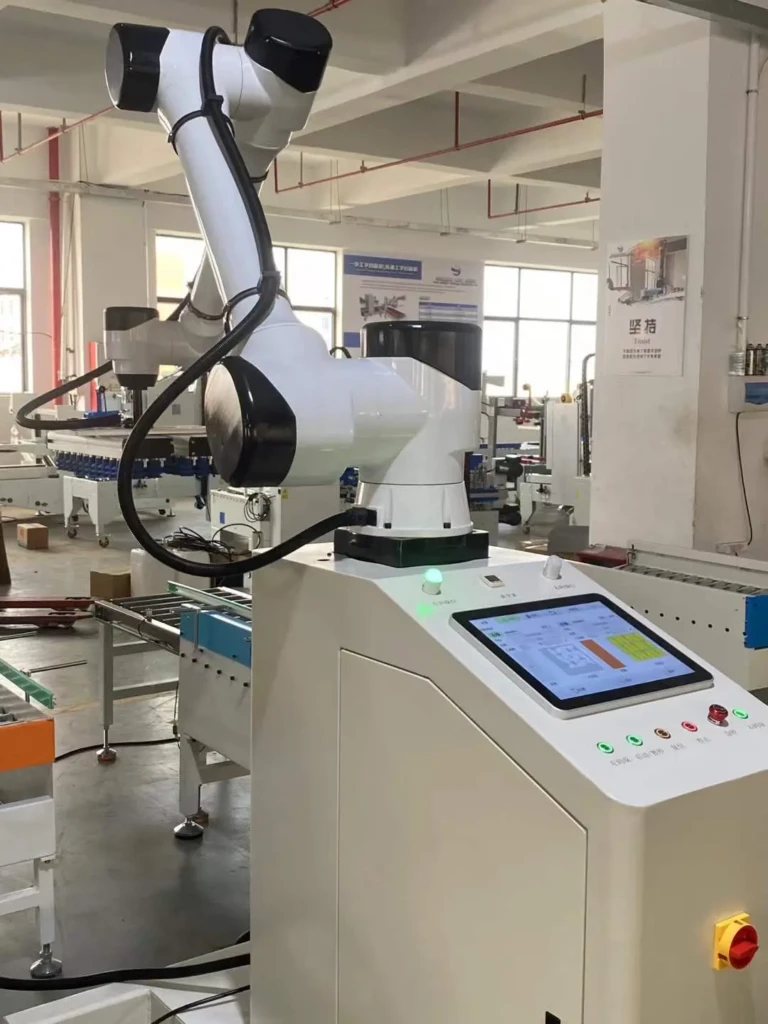
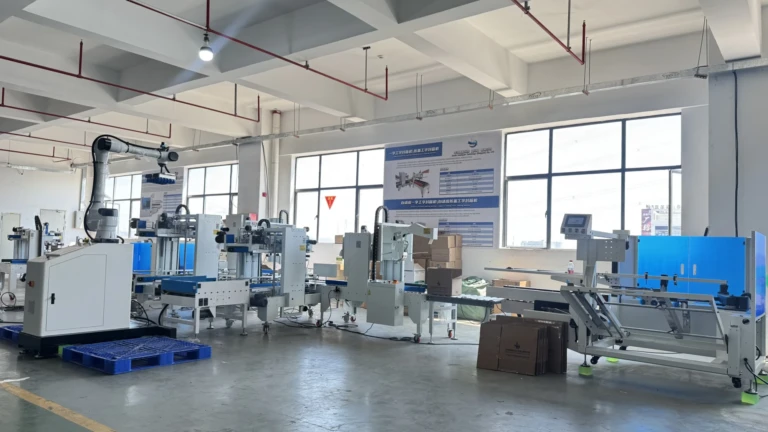
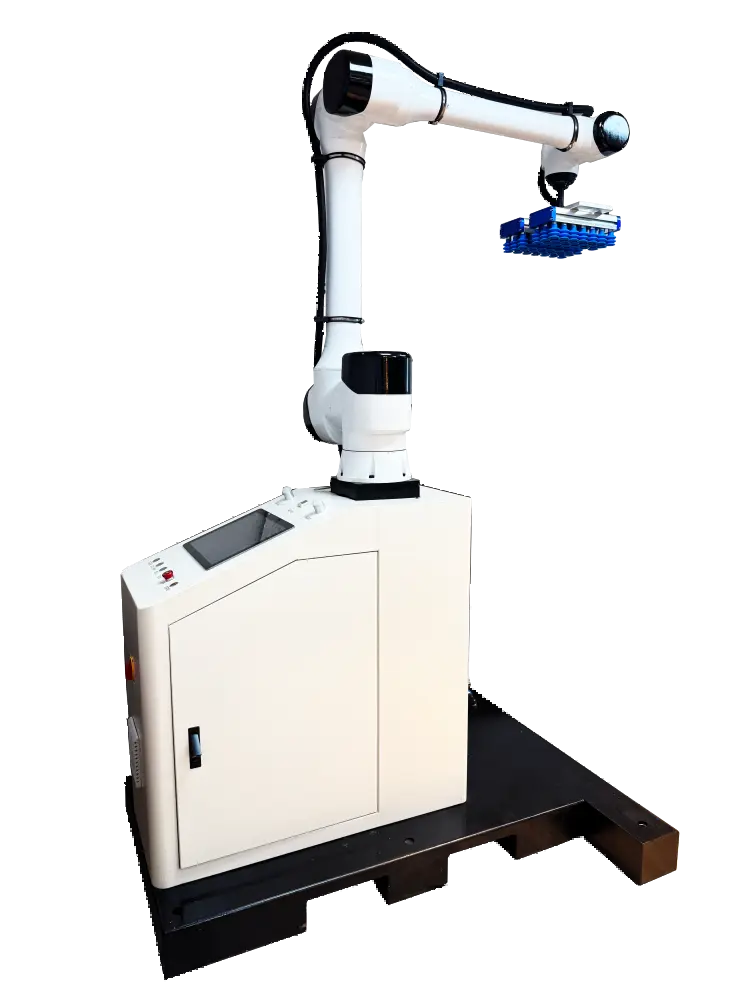
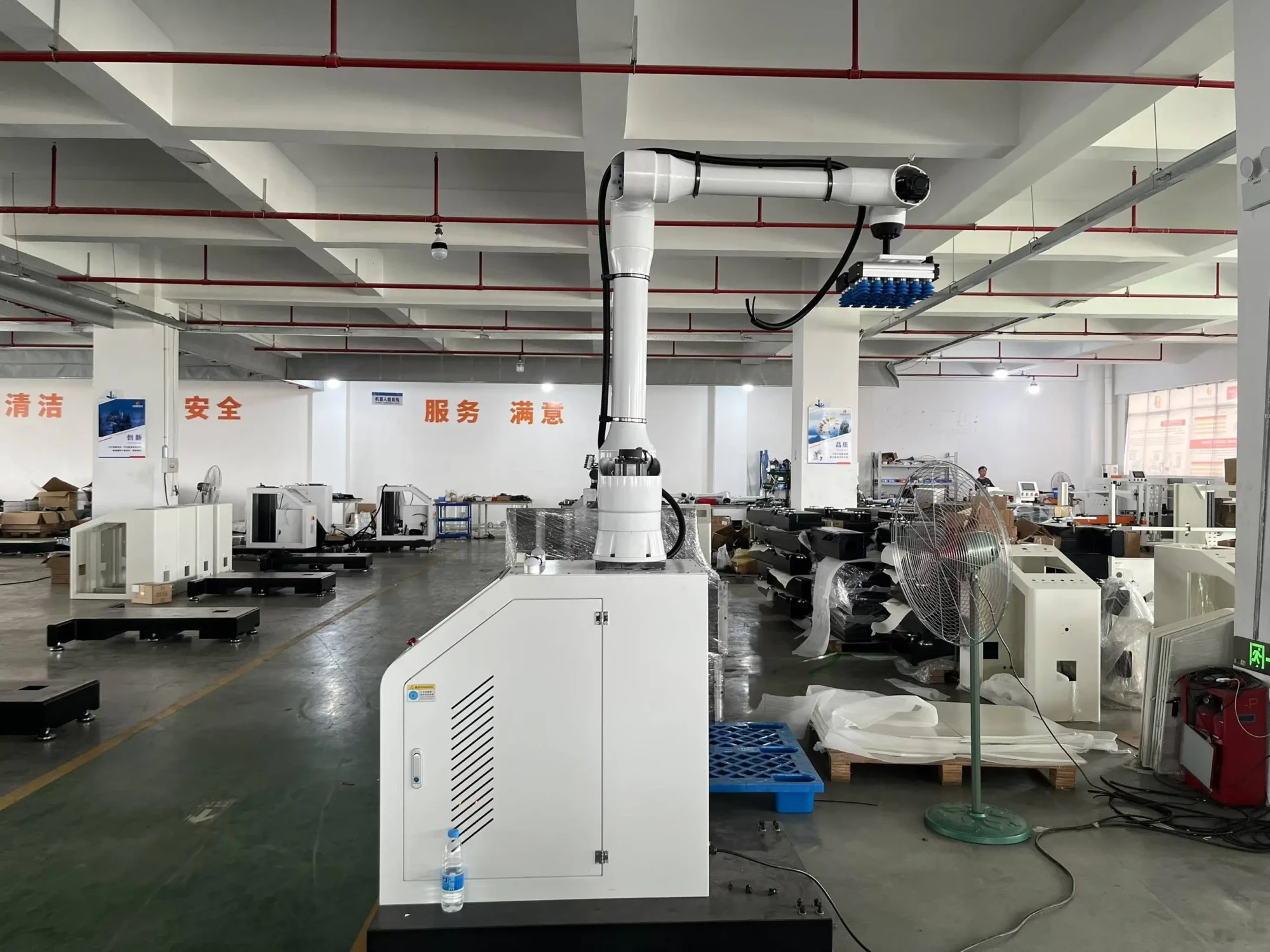
Pallet repair robots represent the convergence of computer vision, force-sensitive robotics, and predictive analytics. Unlike standalone machines, these systems operate within interconnected ecosystems (as pioneered by innovators like Huaxiu Robotics). Here’s how they’re transforming workflows:
-
Diagnosis & Triage
Advanced 3D scanners map pallets at micron-level precision, identifying defects (cracked boards, protruding nails, warping) in under 3 seconds. Machine learning algorithms classify damage severity, routing pallets to:- Immediate repair stations
- Partial dismantling lines
- Recycling streams
-
Precision Repair
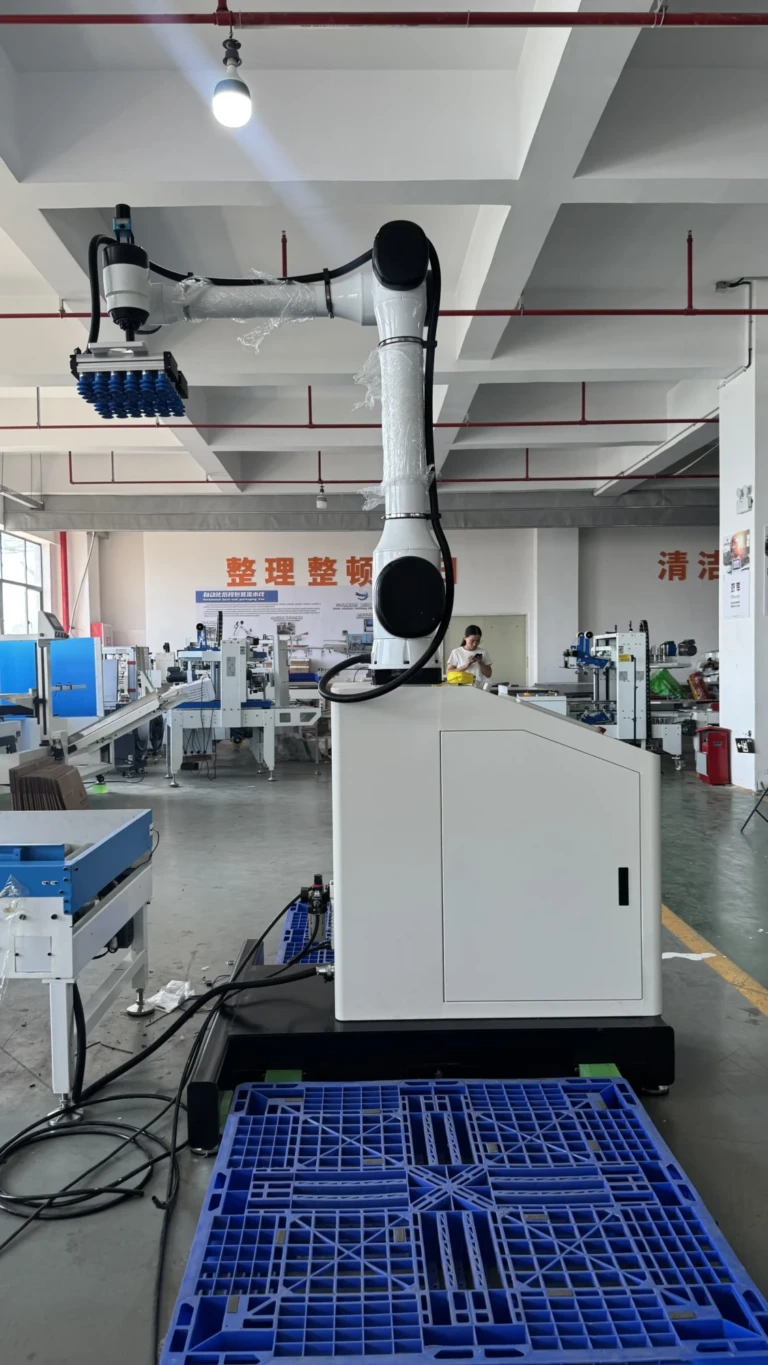
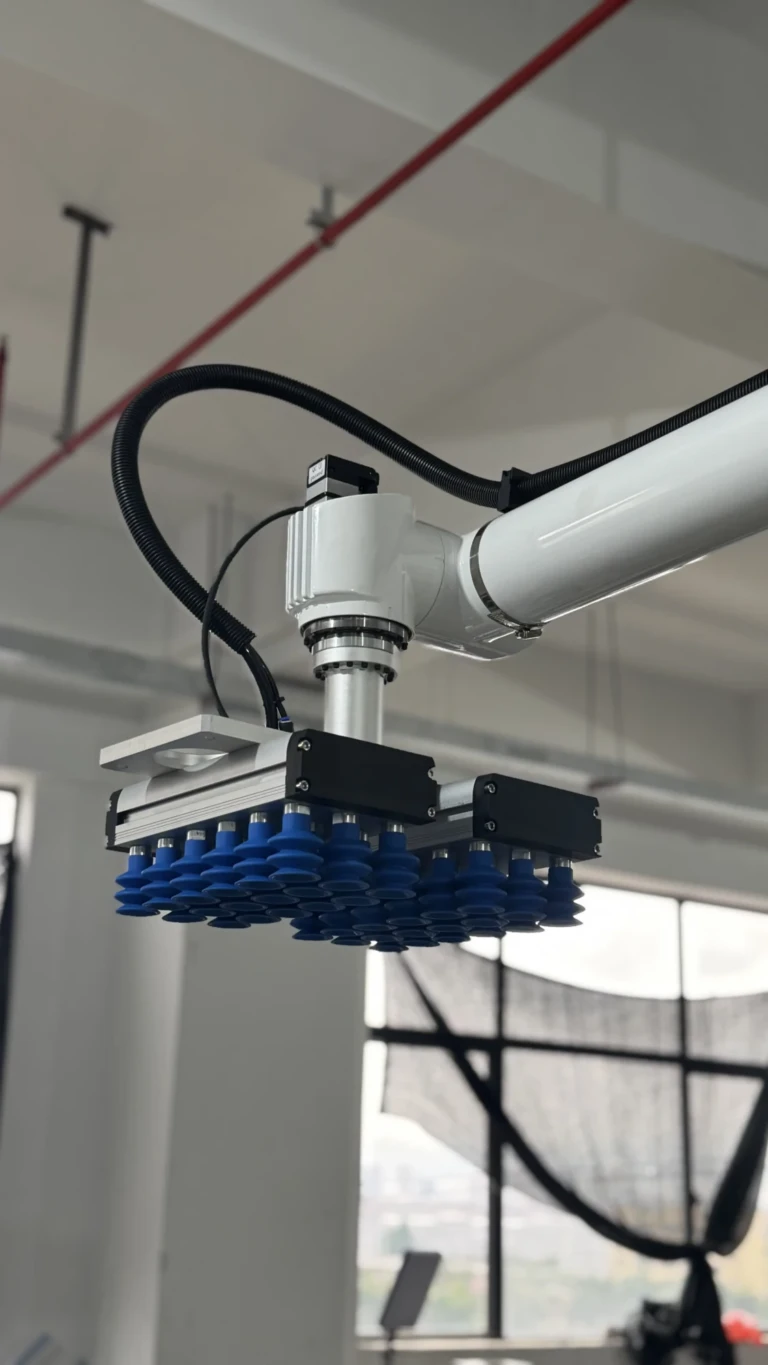
Collaborative robots (cobots) execute tasks with surgical accuracy:- De-nailing: Magnetic extractors remove iron nails at 200% human speed
- Board Replacement: AI-guided arms swap damaged slats without dismantling entire pallets
- Reinforcement: Self-adjusting staplers add braces only where needed
- Closed-Loop Integration
Repair bots sync with Huaxiu’s broader system:- Automatic stretch film robots wrap repaired pallets with tension-optimized layers
- Strapping robots apply load-specific securing patterns
- Pallet-forming robots rebuild non-repairable units from salvaged parts
The Tangible Impact: Efficiency by the Numbers
Early adopters report staggering ROI:
- 87% reduction in pallet-related product damage
- 4-hour → 15-minute average repair time per pallet
- 40% lower wooden waste through optimized dismantling
Case in point: A European 3PL provider integrated Huaxiu’s repair-strapping-packaging cell, slashing pallet maintenance costs by 62% while increasing daily throughput by 230 pallets.
Beyond Efficiency: The Strategic Advantages
-
Labor Reallocation
Workers shift from injury-prone manual repairs to supervising robotic cells and QA—boosting morale and retention. -
Sustainability Leadership
AI algorithms maximize pallet reuse cycles (extending lifespan by 3–5 years), directly aligning with ESG goals. - Resilient Supply Chains
Real-time pallet health data predicts shortages before they occur, enabling proactive resource planning.
Huaxiu Robotics: Building the Repair Ecosystem
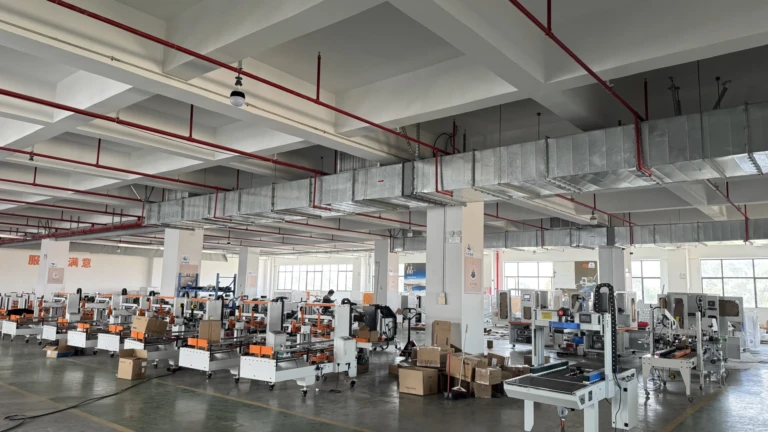
As a leader in warehouse automation, Huaxiu doesn’t sell isolated machines—it engineers synchronized solutions. Their pallet repair modules integrate with:
- Auto-unpacking robots (to gently disassemble incoming loads)
- Smart sealing robots (for post-repair stabilization)
- Shrink packaging robots (climate-adaptive wrapping for cold chain pallets)
This holistic approach eliminates compatibility bottlenecks common in piecemeal automation.
The Road Ahead: AI, IoT, and Beyond
Emerging innovations will push boundaries further:
- Self-Healing Pallets: Embedded sensors alert robots to micro-cracks before they’re visible
- Blockchain Tracking: Tamper-proof logs for pallet lifecycle management
- Swarm Robotics: Multiple lightweight bots collaborating on complex repairs
Conclusion: The Future Is Self-Maintaining
Pallet repair robots symbolize a broader truth: warehousing is evolving from storage spaces to self-optimizing ecosystems. By automating this once-overlooked process, businesses unlock cascading benefits—lower costs, safer workplaces, greener operations, and unbroken supply chains. Leaders who adopt now won’t just keep pace; they’ll redefine industry standards.
The question isn’t whether to automate pallet repair, but how quickly you can integrate it into your digital transformation roadmap.
FAQs: Pallet Repair Robots Demystified
Q: How do robots handle non-standard pallet designs?
A: Advanced machine vision recognizes 1,500+ pallet configurations. Custom repair protocols are trainable via cloud-based AI platforms.
Q: What’s the average payback period for such systems?
A: Most facilities recoup costs in 8–14 months via labor savings, reduced waste, and fewer damaged goods claims.
Q: Can retrofit systems work in older warehouses?
A: Yes. Modular designs like Huaxiu’s RPD-300 integrate into existing layouts with minimal infrastructure changes.
Q: Are wooden pallets the only focus?
A: No. Systems adapt to plastic, metal, and hybrid pallets—adjusting tools for material-specific repairs.
Q: How does this impact sustainability metrics?
A: Every 1,000 pallets repaired saves ~15 trees and cuts CO₂ emissions by 4.7 tons (vs. new pallet production).
Q: What about cybersecurity risks with connected robots?
A: Reputable providers offer TLS/SSL encrypted networks, role-based access, and air-gapped operation modes.
Q: Do operators need specialized training?
A: Interfaces mimic industrial PLC systems. Most teams achieve proficiency within 5 days of guided training.
Automation isn’t replacing humans—it’s empowering them to focus on what truly matters: strategy, innovation, and growth.