Introduction
The decision to automate palletizing operations is a game-changer for manufacturers, warehouses, and logistics companies. But as with any significant investment, understanding the full scope of palletizing robot costs is critical. While the upfront price tag might raise eyebrows, the long-term savings in labor, efficiency, and error reduction often justify the leap into automation. In this deep dive, we’ll unpack every layer of cost associated with palletizing robots—from hardware and integration to hidden fees and ROI—to help you make an informed decision.
Breaking Down Palletizing Robot Costs
1. Initial Purchase Price
The robot itself is the most visible expense, but prices vary dramatically based on:
- Payload Capacity: Basic models handling 10–50 kg start at $35,000–$75,000, while heavy-duty units (200+ kg) can exceed $150,000.
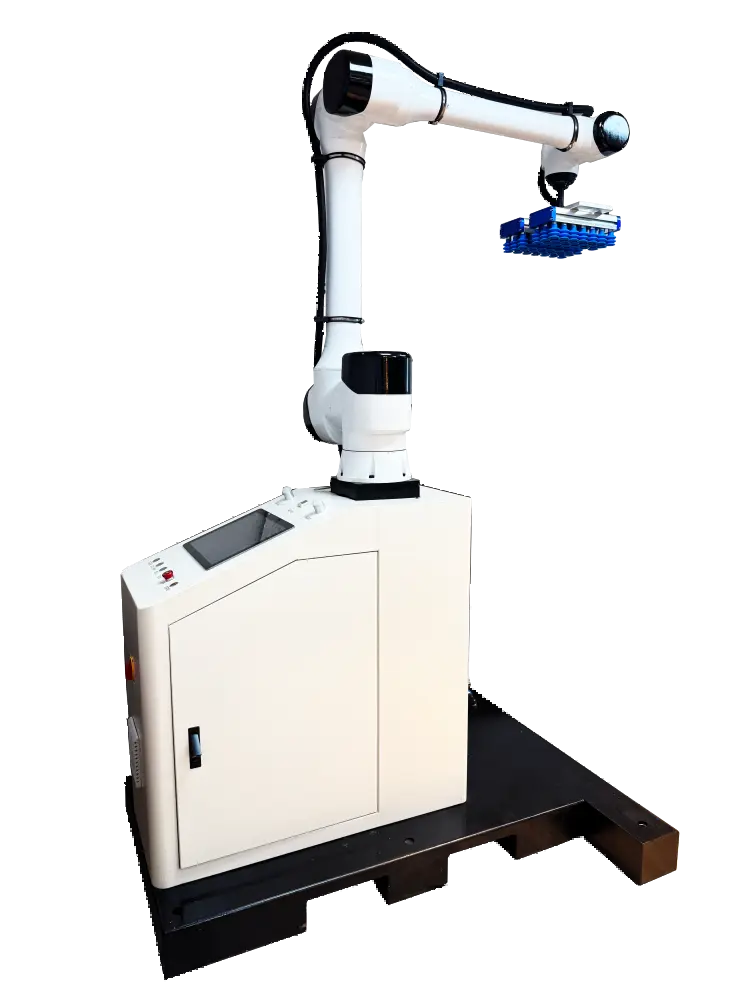
- Speed: High-speed cobots (collaborative robots) like Huaxiu’s CP Series achieve 1,000+ cycles per hour but cost 15–25% more than standard models.
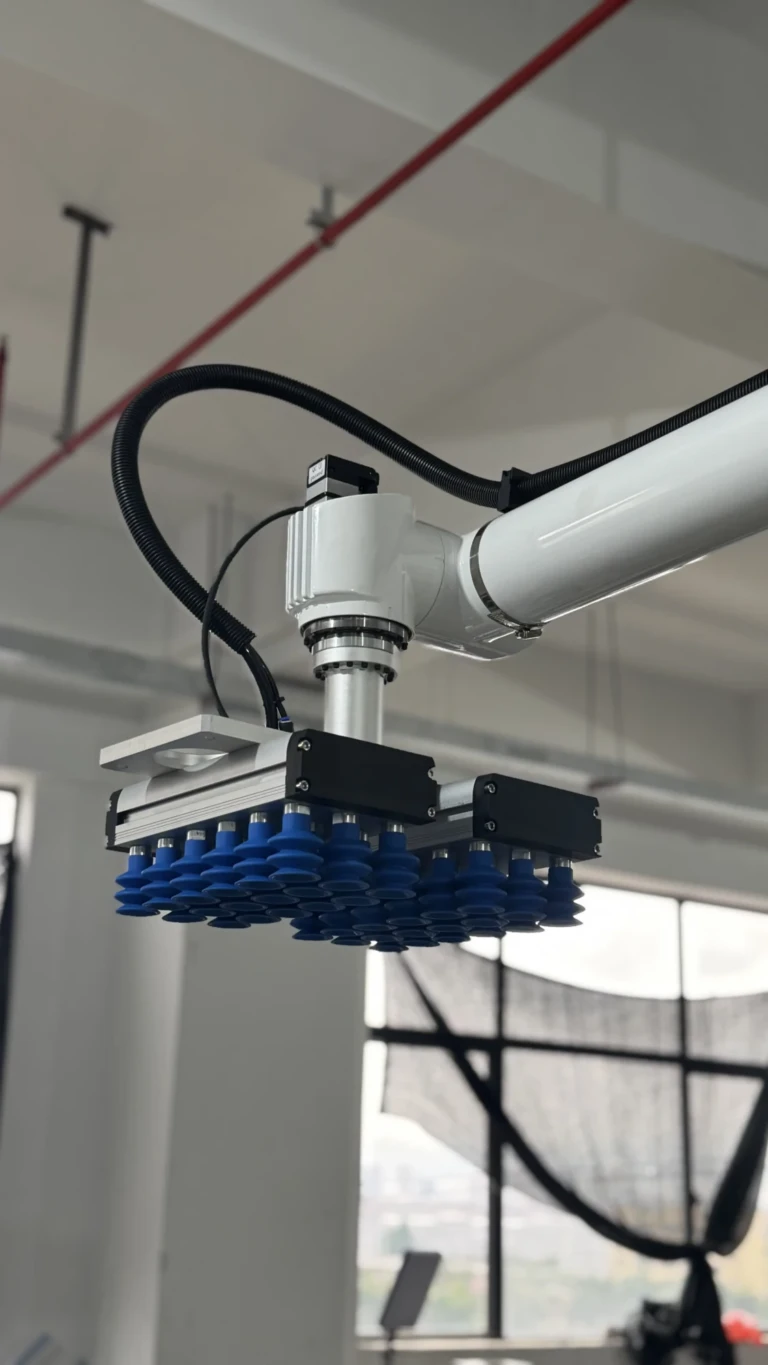
- Customization: Specialized grippers, vision systems, or IP-rated protection for harsh environments add 10–30% to the base price.
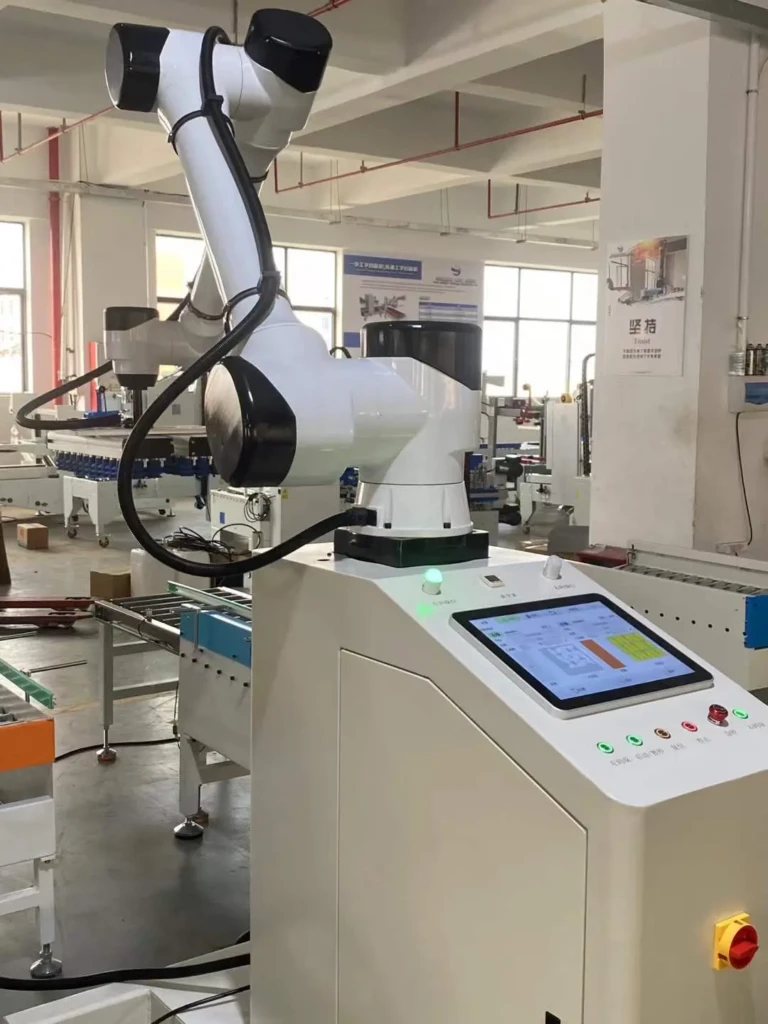
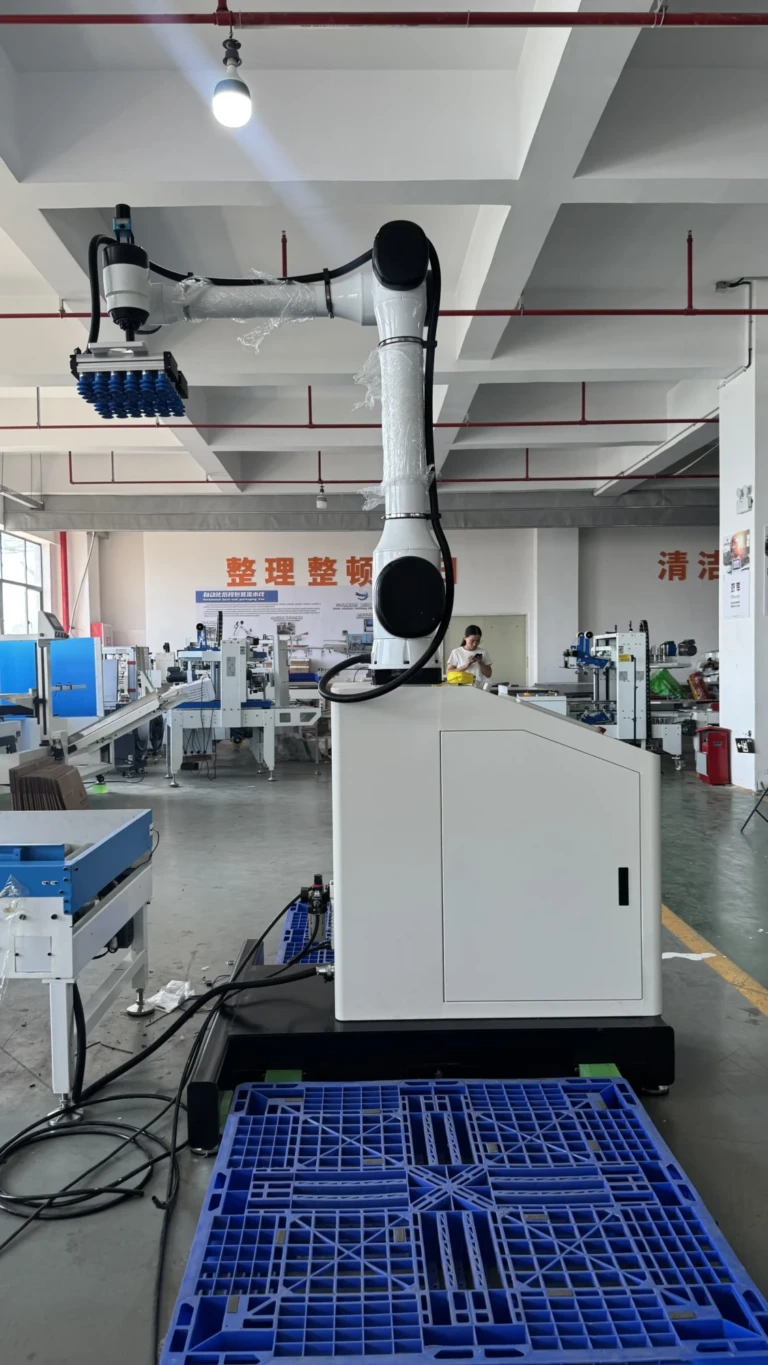
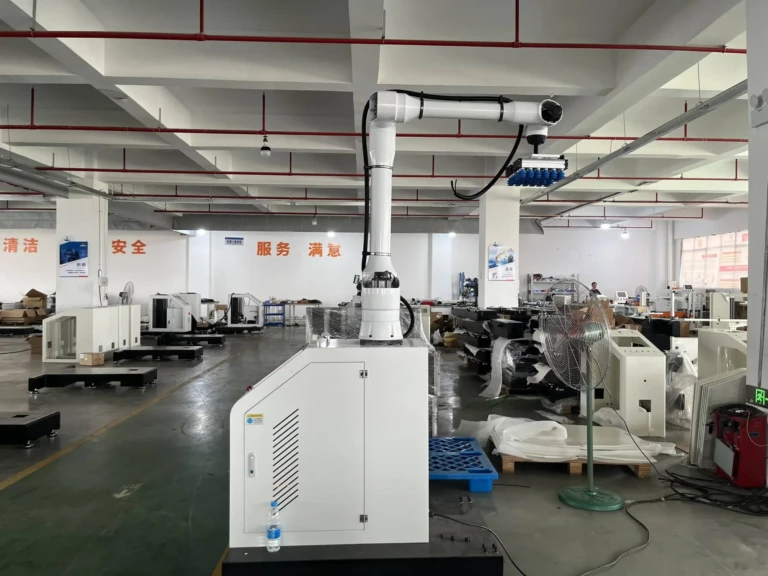
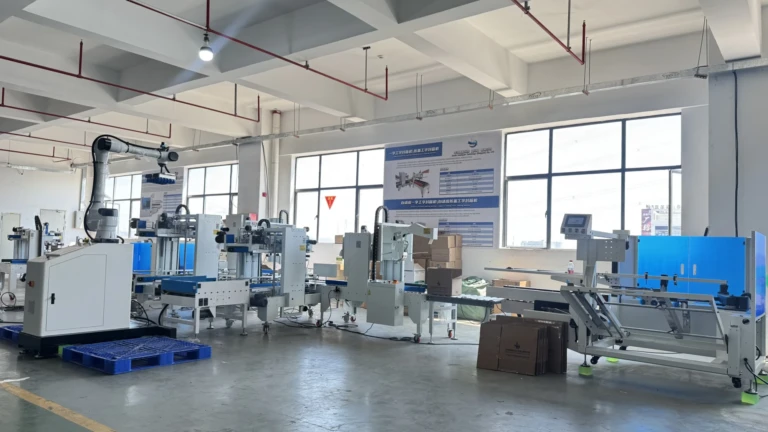
Huaxiu Insight: Our collaborative palletizing robots balance affordability and adaptability, ideal for SMEs needing flexibility without major infrastructure changes.
2. Integration & Installation
A robot alone won’t palletize a single box. Integration typically accounts for 20–40% of total costs:
- Peripheral Equipment: Conveyors, safety fencing, pallet dispensers, and sensors (e.g., with automatic stretch film or strapping robots).
- Software & Programming: Complex product stacking patterns or frequent SKU changes require advanced software licenses and programming time ($10,000–$25,000).
- Safety Compliance: Laser scanners, light curtains, and emergency stops ensure compliance with ISO/ANSI standards—budget $5,000–$15,000 here.
3. Maintenance & Support
Palletizing robots are workhorses, but upkeep is non-negotiable:
- Preventive Maintenance: Annual contracts cost $2,000–$8,000, covering lubrication, alignment checks, and firmware updates.
- Parts Replacement: Grippers, belts, and motors wear out; set aside 3–5% of the robot’s initial cost yearly.
- Downtime Costs: Reactive fixes can hit $500+/hour in lost productivity. Opt for brands like Huaxiu offering 24/7 global support to minimize disruptions.
4. Training & Labor
Operators and technicians need upskilling:
- Basic Operation: 1–2 days of training ($1,500–$3,000).
- Advanced Troubleshooting: Customized programs run $5,000–$10,000.
Pro Tip: Huaxiu’s semi-automatic sealing robots include intuitive interfaces, reducing training time and costs by up to 40%.
5. Hidden Costs (The Fine Print)
- Energy Consumption: A 10kW robot running 24/5 adds ~$8,500/year to utility bills.
- Floor Space: Compact cobots save real estate costs vs. traditional robotic cells.
- Reconfiguration: Reprogramming for new products/pallets may cost $1,500–$5,000 each time.
ROI: When Will Your Palletizer Pay for Itself?
- Labor Savings: Automating a 2-shift palletizing line replaces 4–6 workers, saving $150,000–$300,000/year (including benefits).
- Error Reduction: Misplaced loads or damaged goods drop by 60–90%, preserving margin on high-value products.
- Scalability: Huaxiu’s modular systems (e.g., pallet-forming + shrink-wrapping robots) let you expand capabilities without overhauling existing setups.
ROI Example:
A beverage company invests $200,000 in a fully automated palletizing system (robot + integration). With $220,000/year in labor/error savings, the system pays for itself in under 12 months.
Why Huaxiu Robots? Cutting Costs Without Cutting Corners
Beyond competitive pricing, our solutions address pain points that inflate TCO (Total Cost of Ownership):
- Plug-and-Play Kits: Automatic unpacking/sealing robots arrive pre-configured, slashing integration time.
- Future-Proof Design: Collaborate with palletizing, strapping, or stretch film robots using one software ecosystem.
- Global Parts Network: 72-hour replacement guarantee for critical components.
Conclusion
Investing in a palletizing robot isn’t just about the sticker price—it’s about strategic cost management. From selecting the right payload and speed to optimizing integration and maintenance, every decision impacts your bottom line. Brands like Huaxiu Robot bridge the gap between affordability and sophistication, offering systems that scale with your needs while delivering rapid ROI. Whether you’re palletizing boxes, bags, or irregular items, the long-term gains in efficiency, safety, and consistency make automation a compelling choice.
FAQs: Palletizing Robot Costs
Q: What’s the cheapest palletizing robot option?
A: Semi-automatic models (e.g., Huaxiu’s entry-level sealing robots) start at $28,000, ideal for low-volume operations.
Q: Can I finance a palletizing robot?
A: Yes! Many suppliers offer lease-to-own plans or $0-down financing, spreading costs over 3–5 years.
Q: Collaborative vs. traditional robots—which is cheaper?
A: Cobots often have lower upfront costs ($40,000–$80,000) and need no safety cages (saving $15,000+), but traditional robots handle heavier payloads faster.
Q: How long does installation take?
A: Simple systems (e.g., shrink-wrapping robot + conveyor) take 1–3 weeks. Complex lines with multiple robots may require 2–4 months.
Q: What annual maintenance costs should I expect?
A: Budget $5,000–$15,000 for parts, labor, and software updates—cheaper than unplanned downtime!
Q: Are palletizing robots safe around workers?
A: Collaborative models (like Huaxiu’s CP Series) include force-limiting sensors and emergency braking for safe human interaction.
Considering automation? Request a customized ROI analysis from Huaxiu Robot’s engineers to see how fast your system will pay for itself.