Introduction
In today’s fast-paced logistics and manufacturing sectors, efficiency isn’t just a goal—it’s a survival strategy. As supply chains grow more complex and consumer demands escalate, businesses are turning to automation to stay competitive. Among the most transformative innovations are palletizing robots, which redefine how goods are prepared for shipping, storage, and distribution. These systems aren’t merely replacing manual labor; they’re elevating precision, safety, and scalability to unprecedented levels. Let’s explore how palletizing robots can revolutionize your operations—and why now is the time to integrate them.
What Are Palletizing Robots?
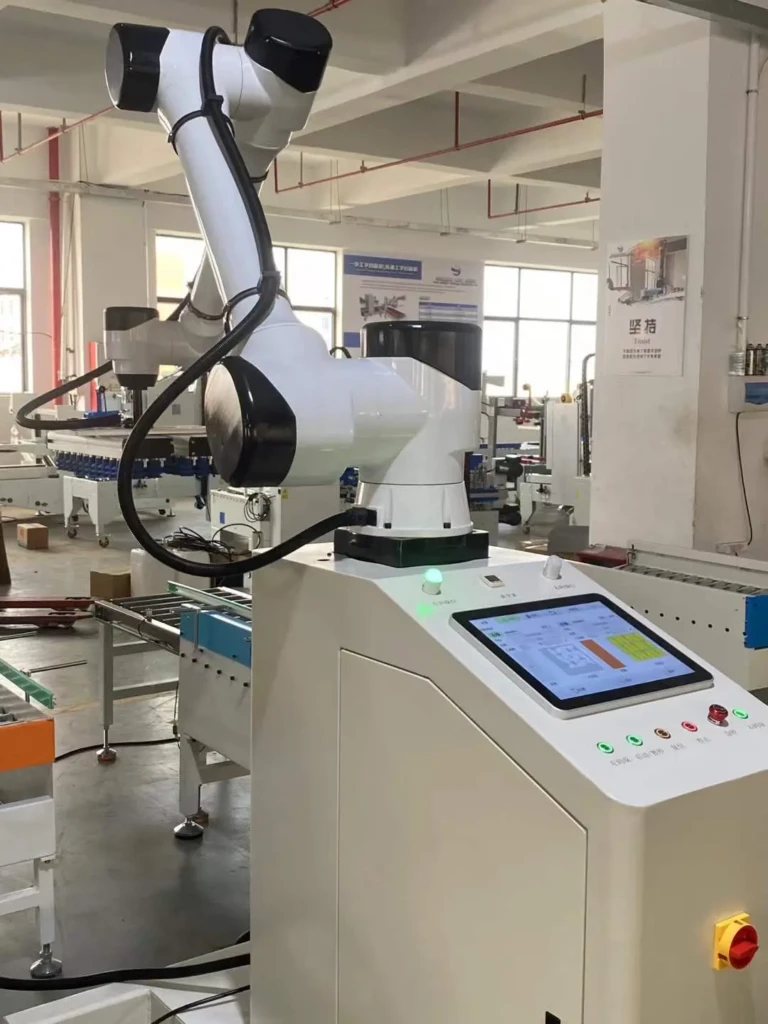
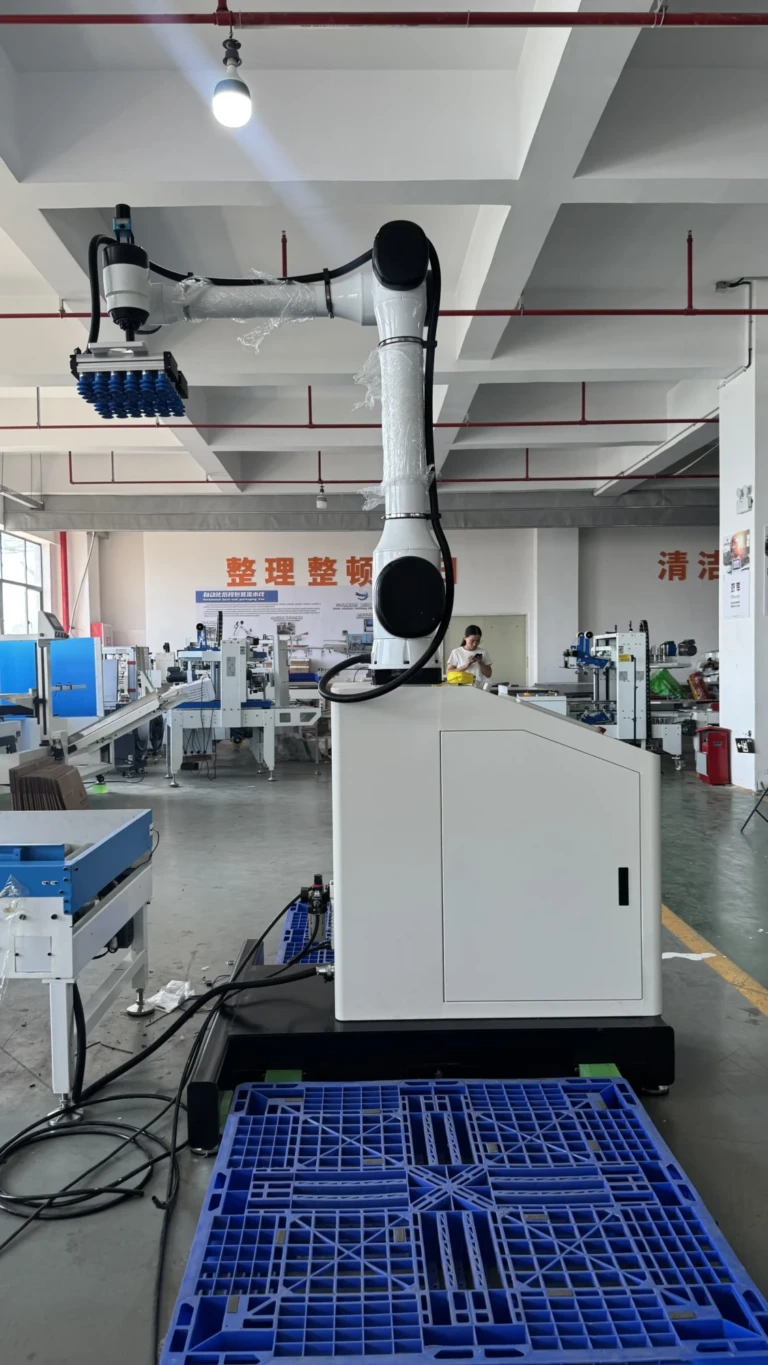
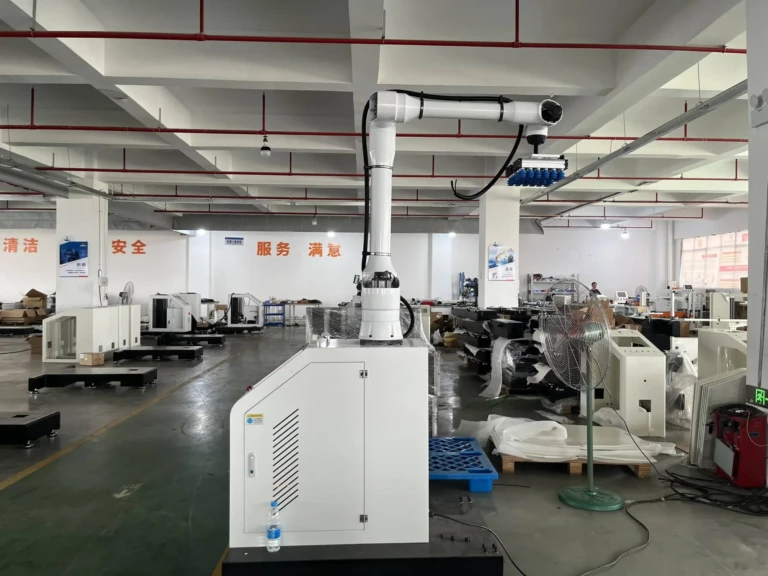
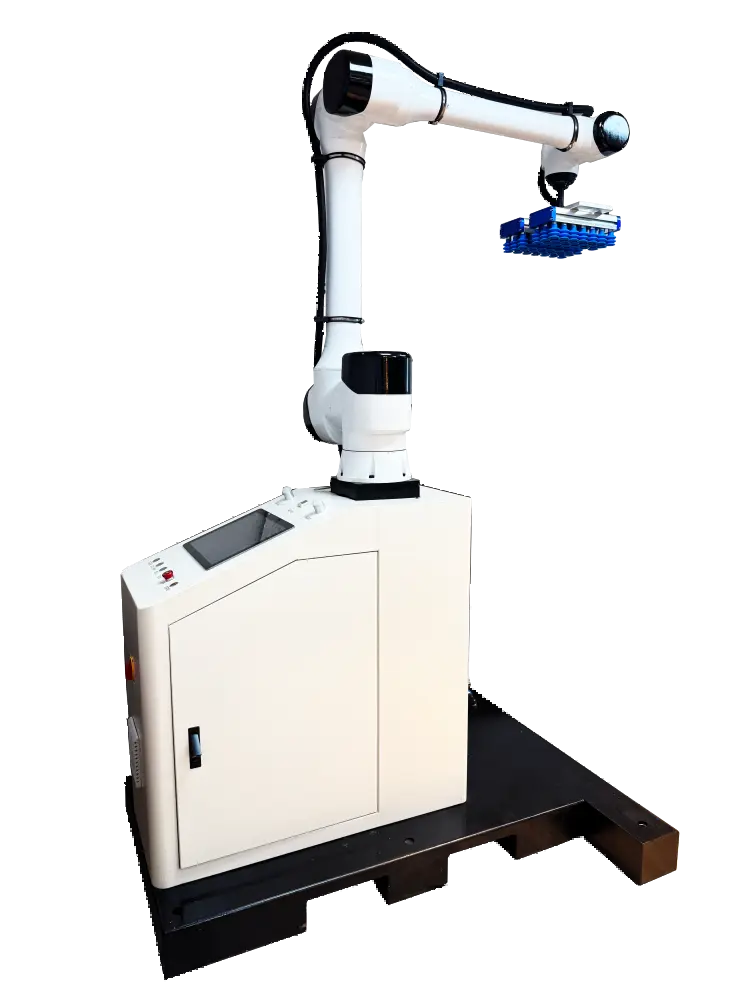
Palletizing robots are automated machines designed to stack products or packages onto pallets in precise, repeatable patterns. Unlike traditional manual palletizing—which is labor-intensive, error-prone, and physically demanding—these robots use advanced sensors, grippers, and programming to handle everything from lightweight boxes to heavy industrial drums.
Huaxiu Robot’s offerings, for instance, span a comprehensive range:
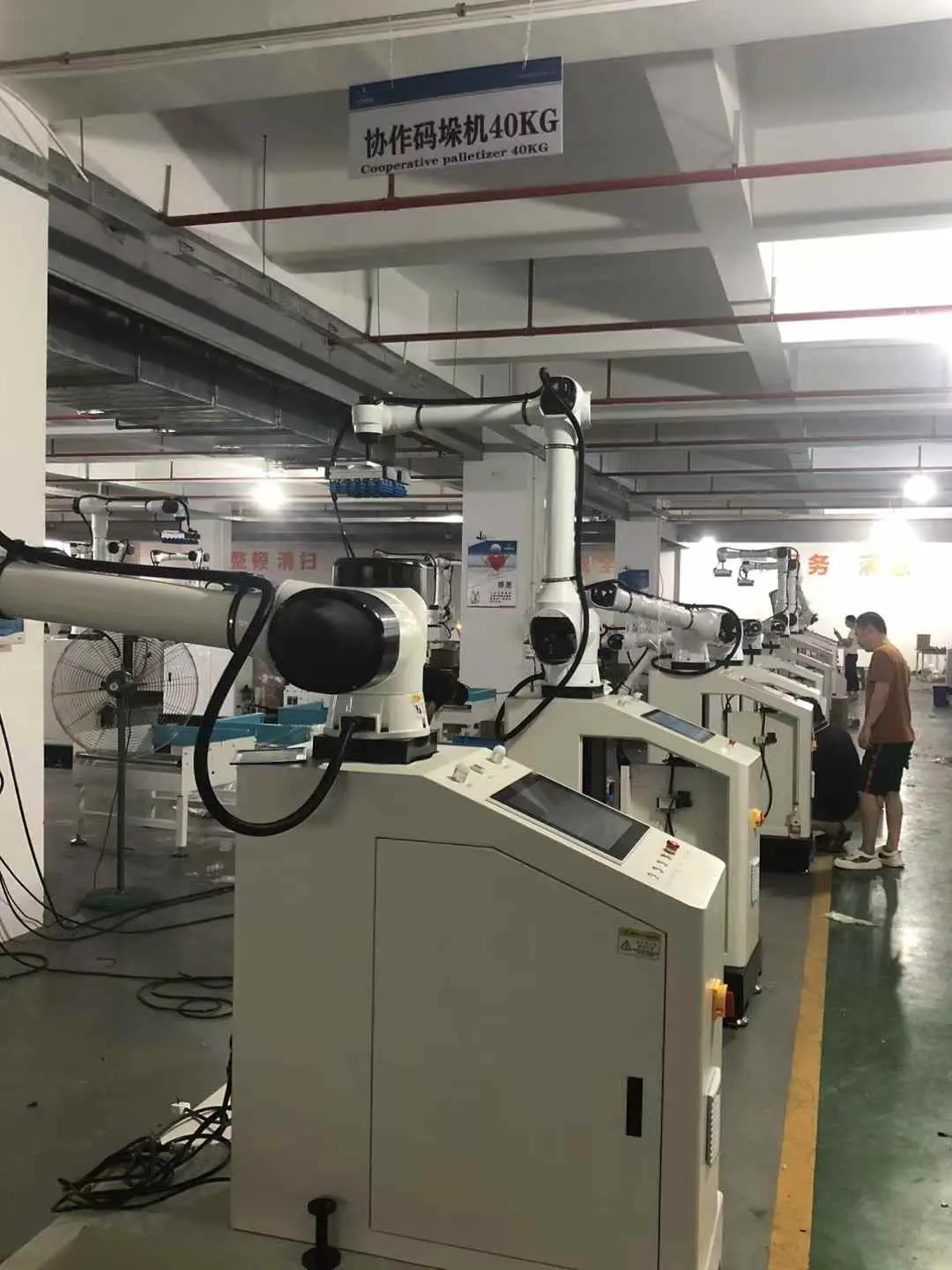
- Collaborative palletizing robots (cobots): Work alongside humans without safety cages, ideal for flexible, small-batch production.
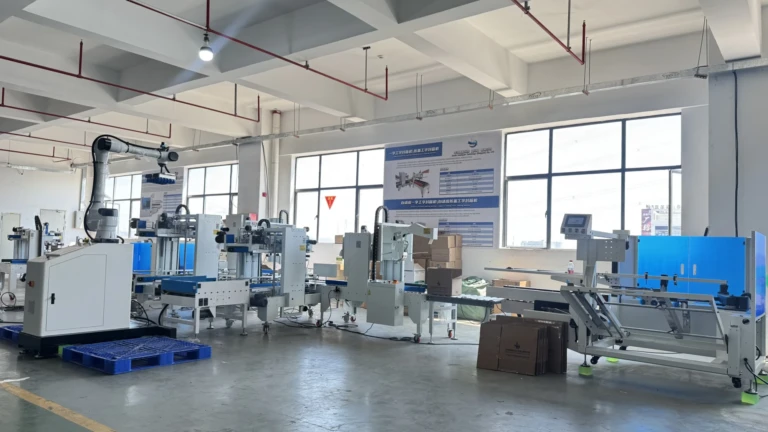
- End-to-end solutions: From automatic unpacking/sealing robots to strapping and stretch film packaging systems, enabling fully automated palletizing workflows.
- Specialized handlers: Pallet-forming robots for unstable loads, shrink wrappers for secure transit, and more.
By integrating these systems, facilities eliminate bottlenecks while ensuring pallets are structurally sound, space-optimized, and ready for transport.
5 Ways Palletizing Robots Boost Efficiency
-
Speed & Throughput
Robots work continuously without breaks, achieving speeds of up to 1,800 cycles per hour. For context, a single robot can replace 2–4 human workers while reducing palletizing time by 50–70%. In high-volume settings like beverage or e-commerce fulfillment, this translates to faster order turnaround and reduced overtime costs. -
Precision & Product Protection
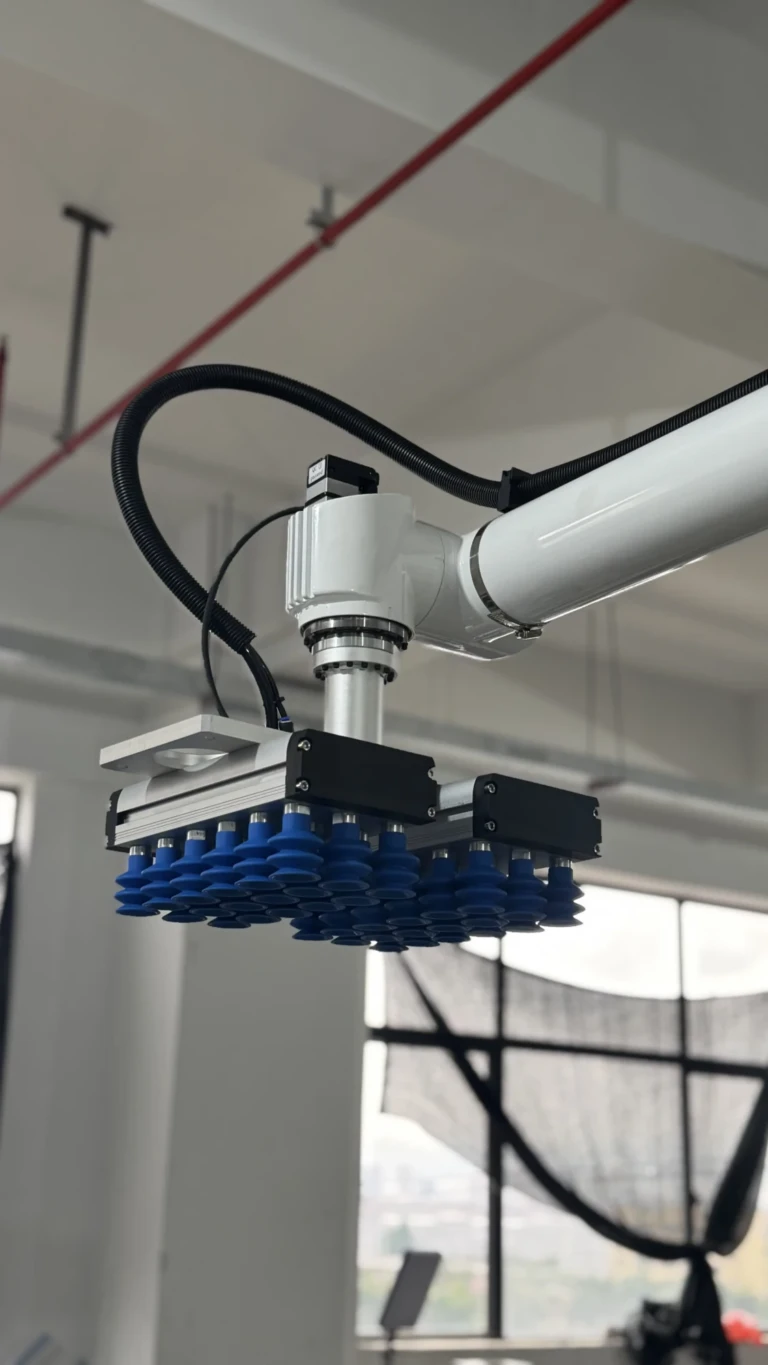
Manual stacking often leads to toppled loads or product damage due to uneven weight distribution. Robots, however, calculate optimal stacking patterns using 3D vision systems, minimizing wasted space and reducing damage rates by up to 40%. Huaxiu’s models feature adaptive grippers that handle fragile items (e.g., glass bottles) or irregular shapes with zero compromise on stability. -
Enhanced Safety
Repetitive heavy lifting is a leading cause of workplace injuries. Automated palletizing erases this risk—particularly with cobots equipped with force-limiting sensors that stop upon human contact. For hazardous environments (e.g., chemical or cold storage facilities), robots operate reliably where human safety would be compromised. -
Scalability & Flexibility
Seasonal demand spikes? New product dimensions? Palletizing robots can be reprogrammed in minutes to adjust stacking patterns or payloads. Huaxiu’s collaborative models, for example, require no specialized coding expertise, allowing floor managers to update tasks via intuitive interfaces. - Resource Optimization
Beyond labor savings, robots cut material waste. Automatic stretch film wrappers apply exact tension needed for load stability, reducing film use by 15–20%. Similarly, precise stacking minimizes pallet utilization, lowering shipping costs per unit.
Huaxiu Robot’s Palletizing Ecosystem: Beyond Basic Stacking
What sets leading providers like Huaxiu apart is their ability to deliver integrated automation. Rather than standalone machines, their systems synergize to streamline the entire packaging process:
- Automatic unpacking/sealing robots: Prep incoming/outgoing shipments without manual intervention.
- Shrink wrapping & strapping robots: Secure pallets for rough transit conditions.
- Pallet-forming robots: Automatically build and position pallets, even assembling custom-sized bases for atypical loads.
This end-to-end approach eliminates handoffs between processes, slashing cycle times while maintaining consistency—whether handling pharmaceuticals requiring stringent hygiene or food products needing rapid turnover.
Implementation Insights: Maximizing ROI
While palletizing robots offer clear benefits, success hinges on strategic deployment:
- Layout Design: Optimize robot placement to minimize movement and integrate seamlessly with conveyors or AGVs.
- Payload & Gripper Selection: Match robot specs (e.g., reach, payload capacity) to your products. Huaxiu’s engineers often recommend trials to test gripper compatibility for delicate or slippery items.
- Software Integration: Ensure robots interface with Warehouse Management Systems (WMS) or ERP platforms for real-time tracking.
- Maintenance Planning: Schedule proactive servicing (e.g., lubricating joints, updating software) to maintain peak performance.
Conclusion
Palletizing robots are no longer a luxury reserved for industry giants—they’re a necessity for any business prioritizing efficiency, safety, and growth. By automating one of the most physically taxing and error-prone stages of logistics, companies unlock faster throughput, lower operational costs, and resilience against labor shortages. Huaxiu Robot’s diverse portfolio, spanning collaborative arms to intelligent wrappers, empowers facilities to build future-ready operations today. As supply chain demands intensify, the question isn’t whether to automate palletizing—it’s how quickly you can start.
FAQs
Q1: How much do palletizing robots cost?
Costs vary based on payload, speed, and customization. Entry-level cobots start around $50,000, while high-speed industrial systems can exceed $200,000. ROI typically hits break-even in 1–3 years via labor savings and waste reduction.
Q2: Can robots handle mixed-SKU pallets?
Yes! Advanced vision systems and AI-enabled software allow robots to identify different SKUs and adjust stacking patterns dynamically—perfect for e-commerce or batch production.
Q3: Are palletizing robots difficult to program?
Not with modern solutions. Huaxiu’s collaborative robots use no-code interfaces where tasks are “taught” by guiding the arm manually or uploading CAD files.
Q4: What industries benefit most?
Food/beverage, pharmaceuticals, chemicals, building materials, and consumer goods—especially sectors with high volumes, heavy items, or stringent hygiene/safety standards.
Q5: How durable are these robots in harsh environments?
Models with IP65+ ratings operate reliably in dusty, humid, or washdown settings (e.g., meat processing plants). Stainless steel variants resist corrosion in chemical labs.
Q6: Can existing employees operate the robots?
Absolutely. Training typically takes 1–3 days, repurposing staff for supervisory or quality-control roles—a win for morale and retention.