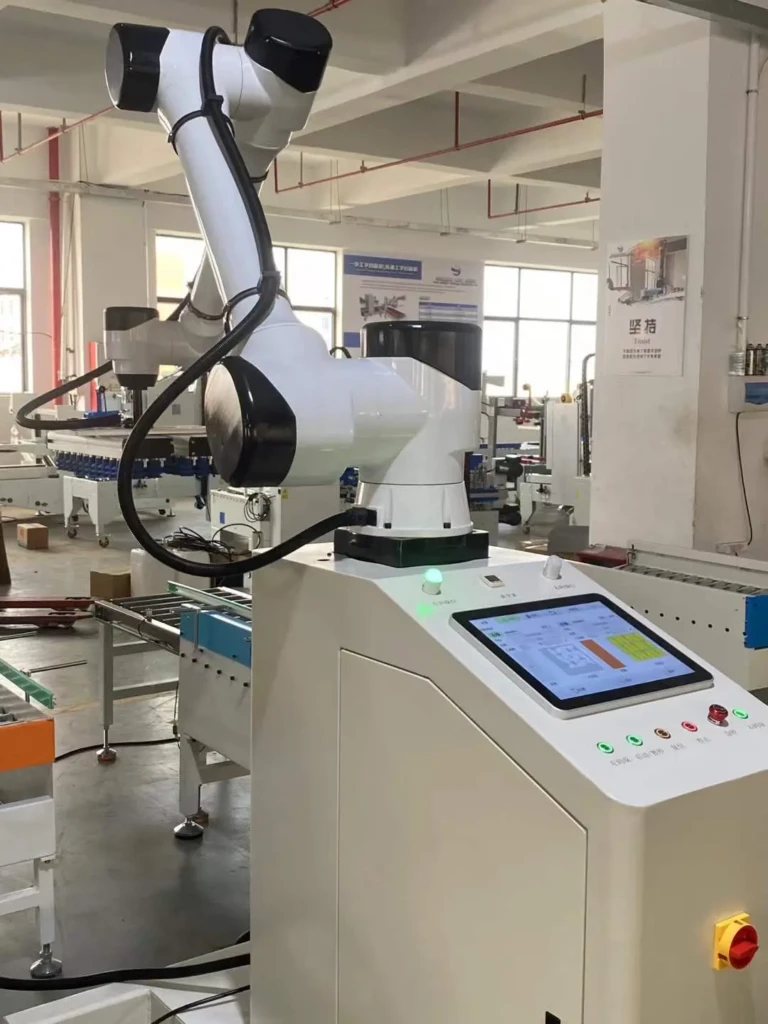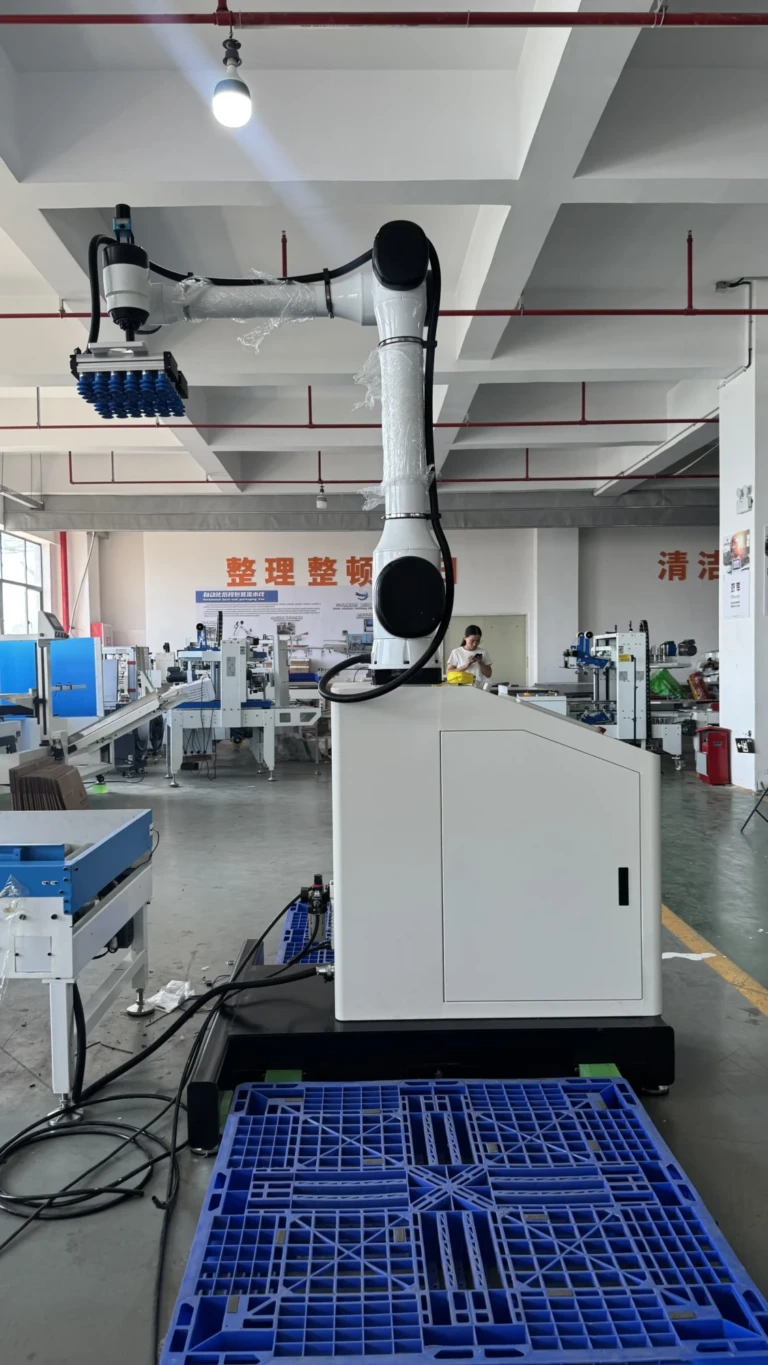

Understanding the Future of Logistics: A Deep Dive into Robot Palletizing Software
The modern warehouse is no longer a labyrinth of manual labor; it’s an orchestrated symphony of automation. At the heart of this transformation lies robot palletizing software—the invisible conductor that transforms robotic arms into precision tools for stacking, organizing, and optimizing pallet loads. In industries ranging from food and beverage to pharmaceuticals and e-commerce, this software is revolutionizing how goods are handled, stored, and shipped.
What is Robot Palletizing Software?
Robot palletizing software is the intelligence behind robotic palletizing systems. It translates complex logistical requirements into actionable commands for robots, ensuring items are stacked securely, efficiently, and according to predefined patterns (e.g., column, interlock, or pinwheel stacking). Unlike traditional fixed automation, modern software-driven systems adapt to varying box sizes, weights, and load configurations—making them ideal for high-mix, low-volume or high-volume production environments.
Key Benefits of Advanced Palletizing Software
- Enhanced Efficiency:
By automating repetitive tasks, warehouses dramatically reduce cycle times and human error. Software optimizes robot movements for speed while minimizing wear and tear. - Unmatched Flexibility:
Adapt to new product lines or packaging changes with simple software adjustments—no mechanical reconfiguration needed. - Precision & Safety:
Algorithms ensure loads are stable and compliant with safety standards, reducing workplace injuries and product damage. - Data-Driven Insights:
Track performance metrics like throughput, error rates, and downtime to continuously refine operations.
Must-Have Features in Modern Palletizing Software
Not all software solutions are created equal. Here’s what separates industry-leading platforms from the rest:
- **