Understanding the Investment: A Deep Dive into Robotic High-Speed Inline Palletizer Costs
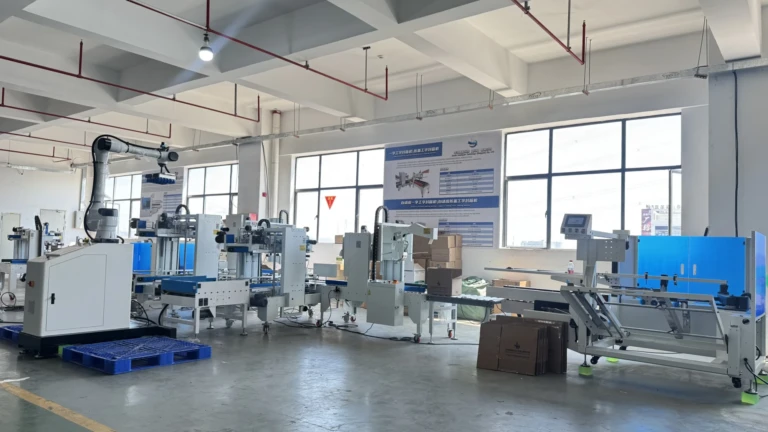
The rise of automation has revolutionized warehouse and production line efficiency, and robotic palletizers are at the forefront of this transformation. Among them, high-speed inline palletizers stand out for their ability to handle heavy loads, repetitive tasks, and precision stacking with minimal downtime. But as businesses explore this technology, one question looms: What does it cost to integrate a robotic high-speed inline palletizer? In this guide, we’ll break down the financial considerations—from upfront expenses to long-term savings—and explore how brands like Huaxiu Robot are reshaping the market with innovative solutions.
Key Cost Drivers for Robotic High-Speed Inline Palletizers
The price of an inline palletizing system varies widely based on technical specifications, customization, and integration complexity. Here’s a detailed breakdown:
1. Robot Type & Payload Capacity
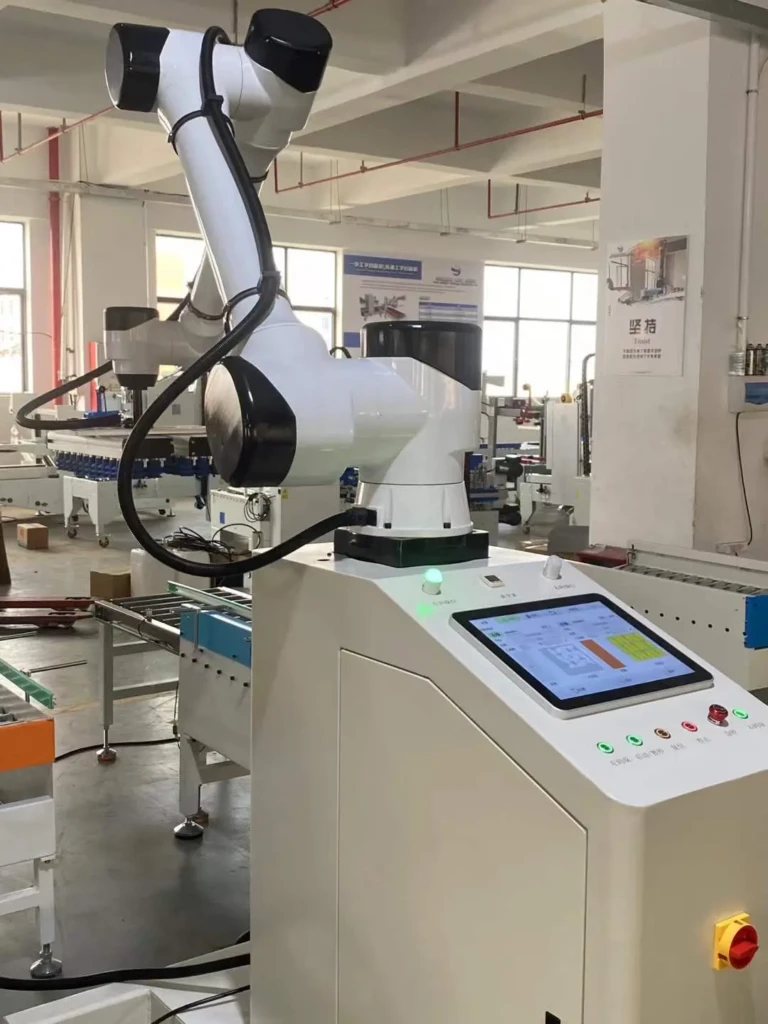
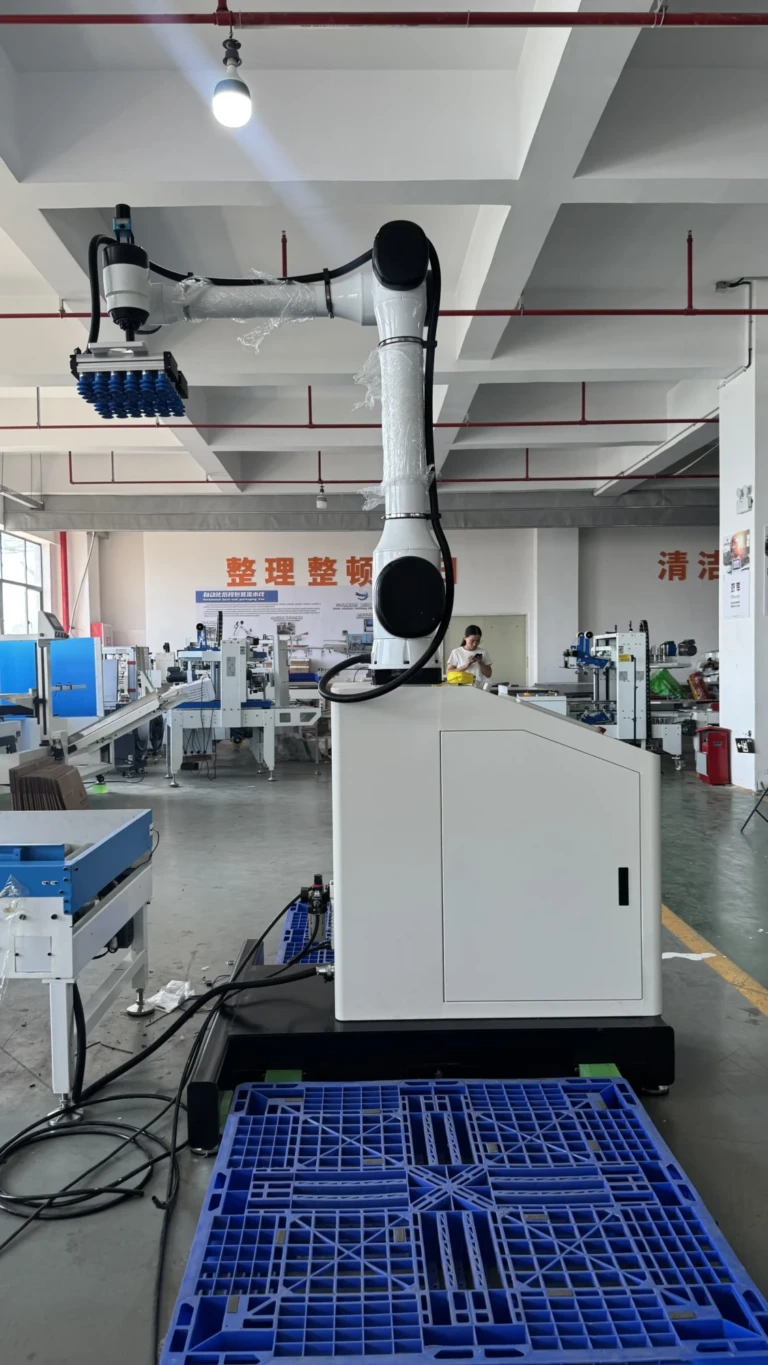
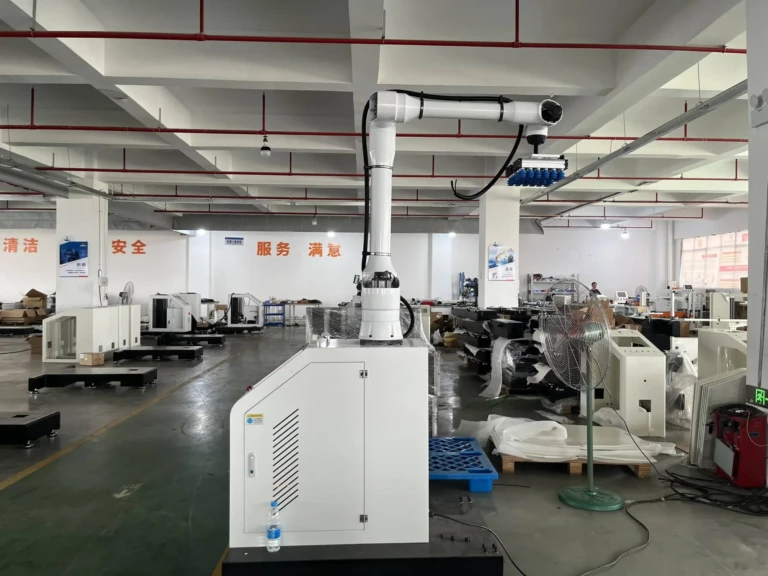
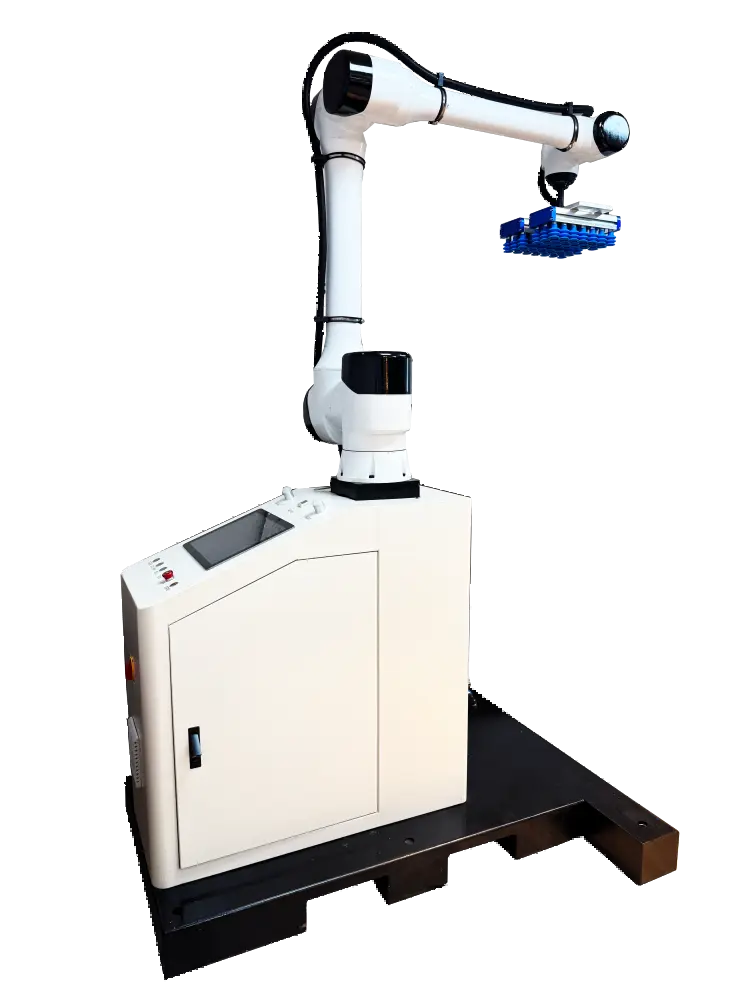
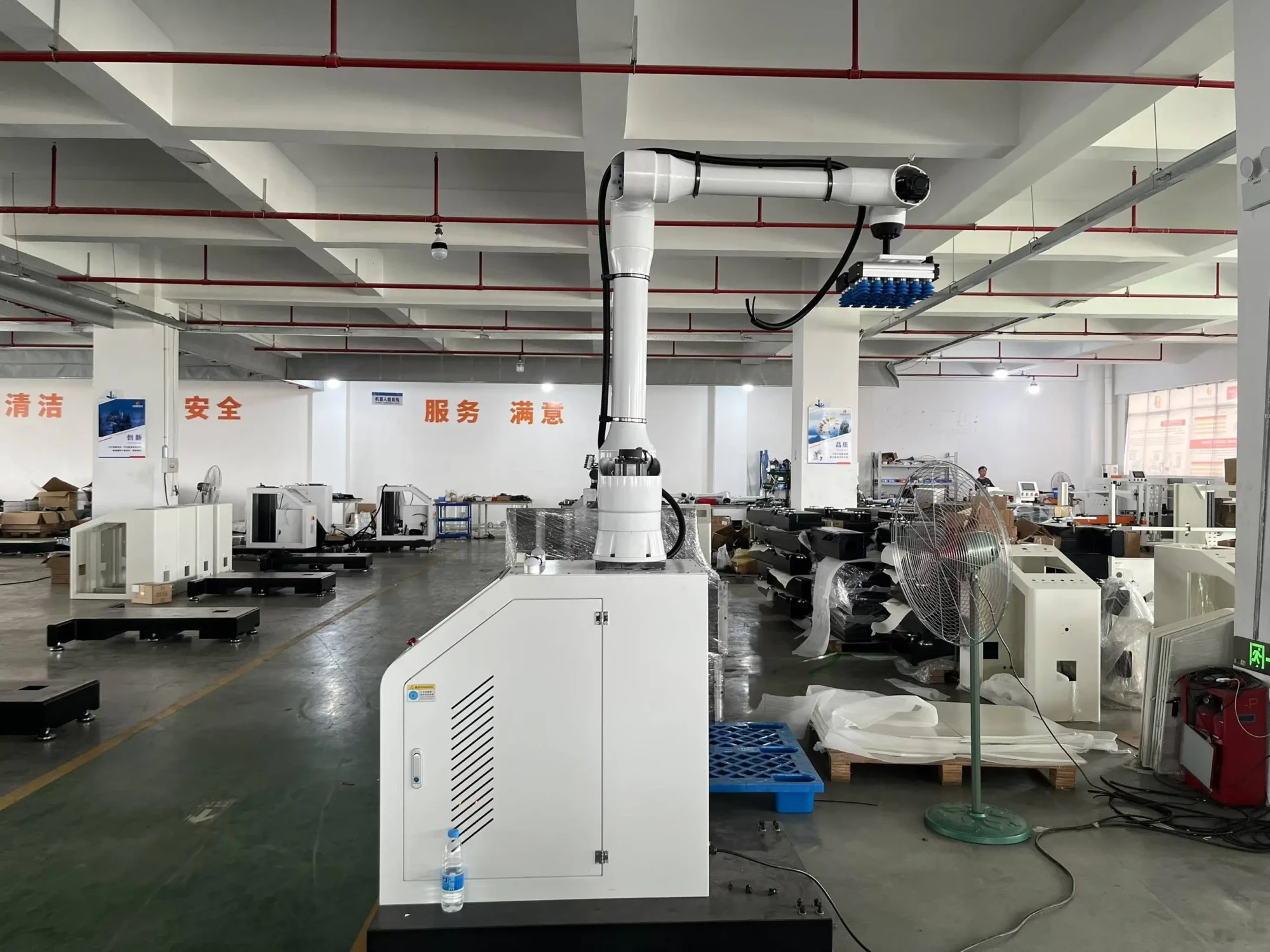
High-speed inline palletizers typically use Delta, SCARA, or articulated robotic arms. Delta robots (ideal for lightweight, high-speed applications) start at $50,000–$80,000, while heavy-duty articulated arms handling 1,500+ kg can exceed $150,000. Huaxiu Robot’s collaborative palletizing robots, for example, bridge the gap between affordability and adaptability, with payloads up to 35 kg and prices averaging $40,000–$70,000.
2. Speed & Throughput Requirements
Systems processing 20–40 cases per minute (CPM) are standard, but high-end models like Huaxiu’s fully automatic stretch film wrappers can handle 60+ CPM. Speed enhancements often add 10–25% to the base cost.
3. End-of-Arm Tooling (EOAT)
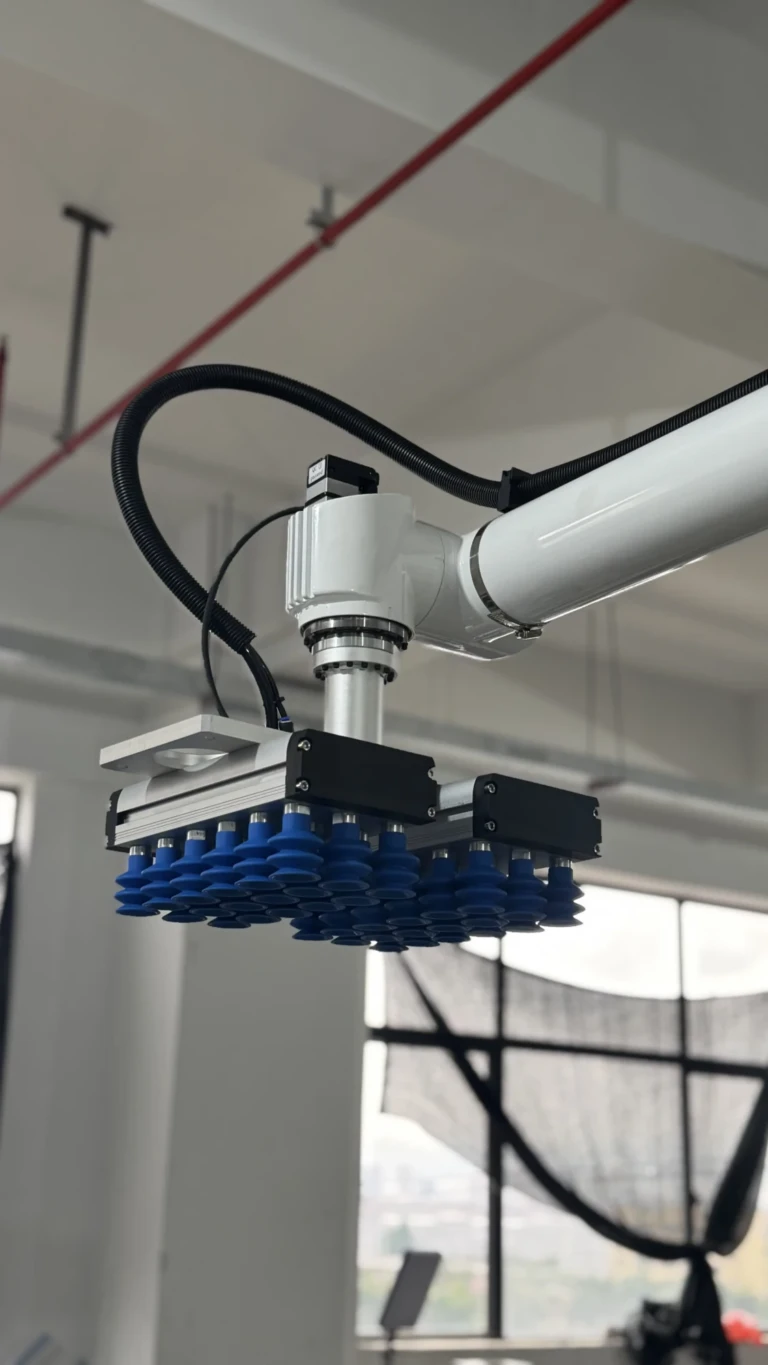
Custom grippers, vacuum lifters, or specialized clamps are essential for handling diverse products (e.g., boxes, bags, bottles). EOAT costs range from $5,000 for basic suction cups to $25,000+ for multi-product adaptive systems.
4. Integration & Installation
Retrofitting a palletizer into existing lines requires conveyors, safety fencing, and PLC programming. Integration typically adds $20,000–$50,000, depending on facility layout and automation readiness.
5. Ancillary Equipment
A complete system includes peripheral devices like Huaxiu’s automatic sealing robots ($15,000–$30,000) or shrink/stretch wrappers ($10,000–$40,000). Bundling these can optimize workflow but increases initial investment.
6. Software & Control Systems
Advanced platforms with AI-driven vision systems, remote monitoring, and predictive maintenance capabilities add $10,000–$30,000.
Total System Costs: What to Expect
- Entry-Level: Basic inline palletizers start at $70,000–$120,000, suitable for small operations with standardized products.
- Mid-Range: Customized systems with moderate speed (30–50 CPM) and hybrid capabilities cost $120,000–$250,000.
- High-End: Fully integrated solutions with robotics, sealing, wrapping, and strapping (e.g., Huaxiu’s turnkey lines) can reach $300,000–$500,000+.
Beyond Upfront Costs: Long-Term ROI
While the initial investment is significant, robotic palletizers deliver measurable savings:
- Labor Reduction: Automated systems replace 2–4 workers per shift, saving $80,000–$160,000/year in wages and benefits.
- Productivity Gains: 24/7 operation at consistent speeds reduces bottlenecks.
- Downtime Prevention: Huaxiu’s systems, for instance, use self-diagnostic tools to cut maintenance costs by 30–50%.
- Injury & Error Mitigation: Eliminate manual handling risks and product damage.
ROI Timeline: Most businesses recoup costs within 1.5–3 years, accelerated in high-volume environments.
Huaxiu Robot’s Innovations: Balancing Cost & Flexibility
Chinese robotics leader Huaxiu offers scalable solutions that align with diverse budgets:
- Modular Design: Pair collaborative palletizing robots ($40K–$70K) with semi-automatic sealers ($8K–$15K) for phased automation.
- All-in-One Packages: Systems combining pallet-forming, strapping, and wrapping robots reduce integration expenses.
- Future-Proofing: Cloud connectivity allows remote upgrades, extending equipment lifespan.
Conclusion: Strategic Investment for Competitive Advantage
Robotic high-speed inline palletizers are transformative but demand careful financial planning. By analyzing payload, speed, ancillaries, and ROI horizons, businesses can make informed decisions. Brands like Huaxiu Robot underscore the importance of flexibility—offering everything from entry-level collaborative robots to enterprise-grade automated lines. In an era where efficiency dictates market survival, this technology isn’t just an expense; it’s a catalyst for scalability and resilience.
FAQs: Robotic High-Speed Inline Palletizer Costs
Q1: Can I retrofit a robotic palletizer into my existing production line?
Yes! Most providers, including Huaxiu, design systems compatible with legacy conveyors and PLCs. Retrofitting costs vary based on customization but typically range from $15,000–$40,000.
Q2: How much space does an inline palletizer require?
Compact models fit within 15–25 sq. meters, while high-speed systems with wrappers may need 30–50 sq. meters. Huaxiu’s modular robots optimize floor space with vertical stacking.
Q3: Are collaborative robots cheaper than industrial robotic arms?
Initially, yes—cobots cost 20–30% less than heavy-duty arms. However, they suit lighter payloads (<50 kg). For high-speed, heavy-load tasks, industrial robots yield better long-term value.
Q4: What’s the average lifespan of a robotic palletizer?
With proper maintenance, systems last 10–15 years. Huaxiu’s units include corrosion-resistant materials for harsh environments.
Q5: Do I need IT expertise to operate these systems?
No. User-friendly interfaces and pre-programmed templates simplify operation. Huaxiu also offers remote training and troubleshooting.
Q6: Are there financing options available?
Many suppliers provide leasing or ROI-based payment plans, turning large CAPEX into manageable OPEX.
Hungry for deeper insights? Connect with automation experts to explore a cost-benefit analysis tailored to your throughput and product mix. The future of palletizing isn’t just fast—it’s fiscally intelligent.