The Future is Stacked: How Robotic Pallet Production is Revolutionizing Logistics
The logistics and warehousing industries are under relentless pressure to move faster, handle more, and operate leaner. At the heart of this challenge lies an often-overlooked hero: the pallet. As the backbone of global supply chains, pallets need to be built, stacked, wrapped, and secured with speed and precision. Enter robotic pallet production—an innovation that’s transforming how goods are prepared for transit. Companies like Huaxiu Robot are pioneering this revolution with a suite of autonomous systems designed to eliminate bottlenecks, reduce injury risks, and turbocharge throughput. Let’s unpack the advancements reshaping this critical stage of logistics.
The Evolution of Pallet Handling: From Manual Labor to Precision Robotics
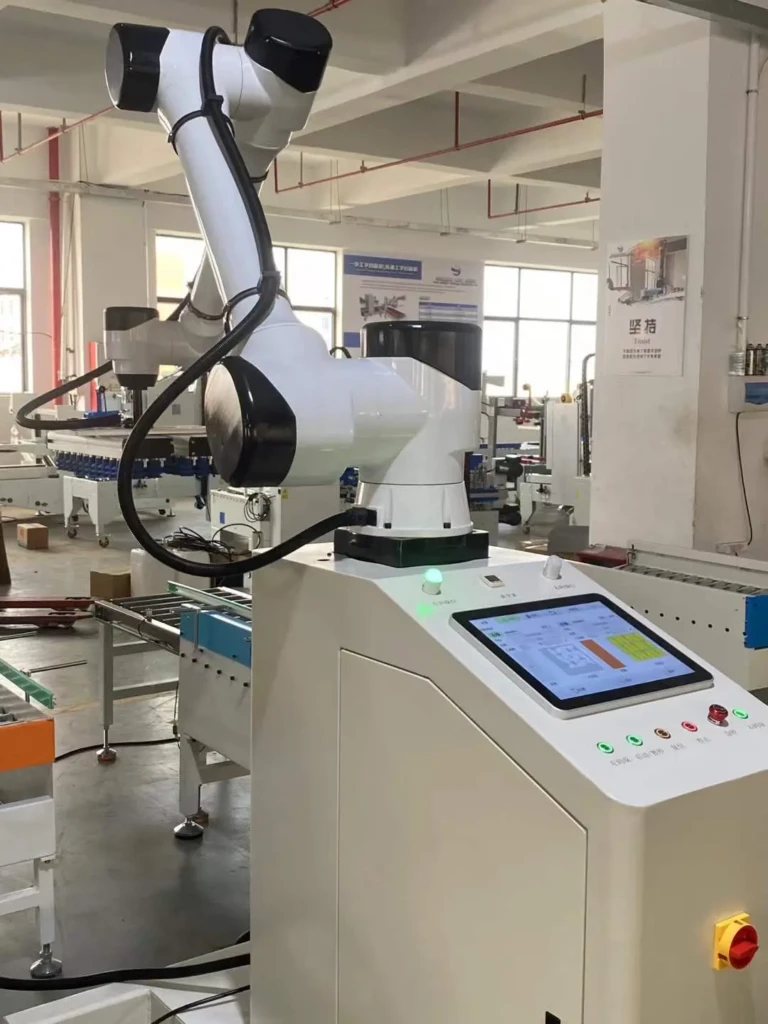
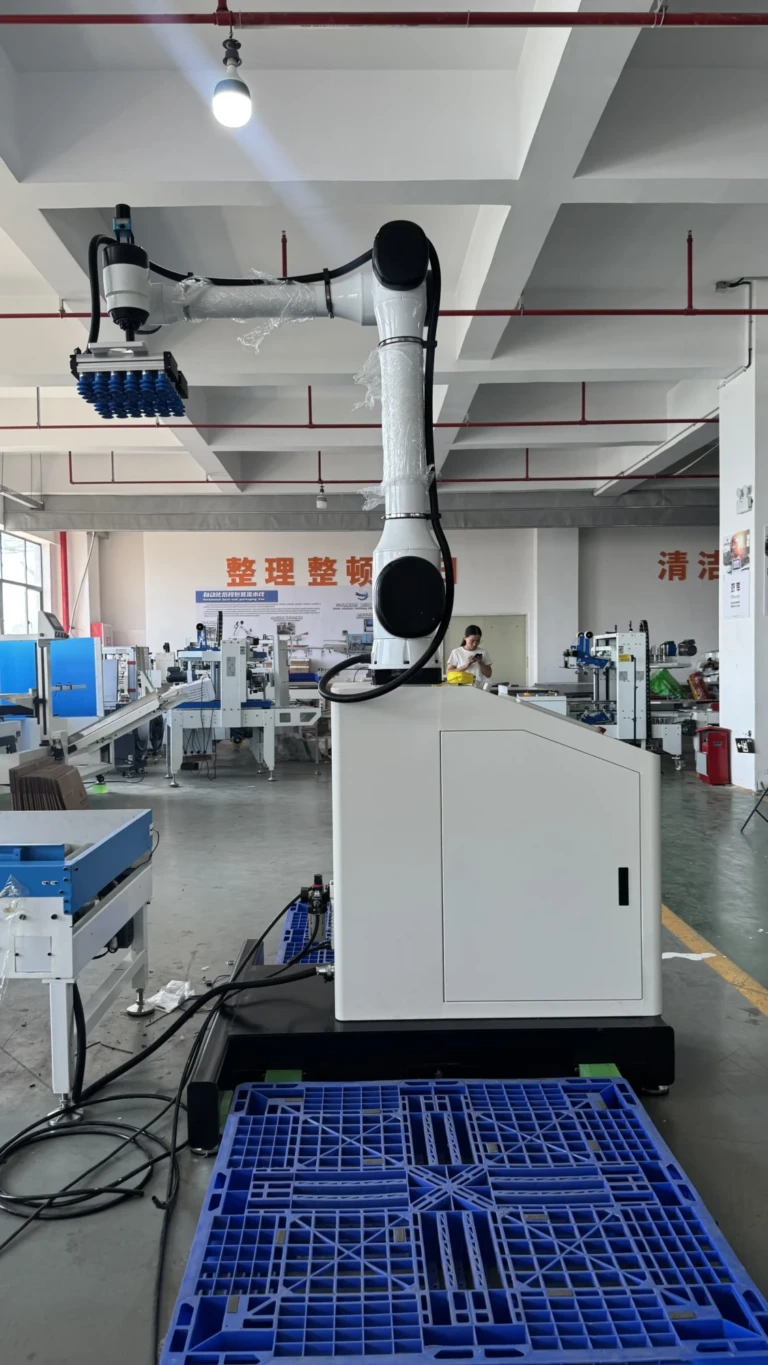
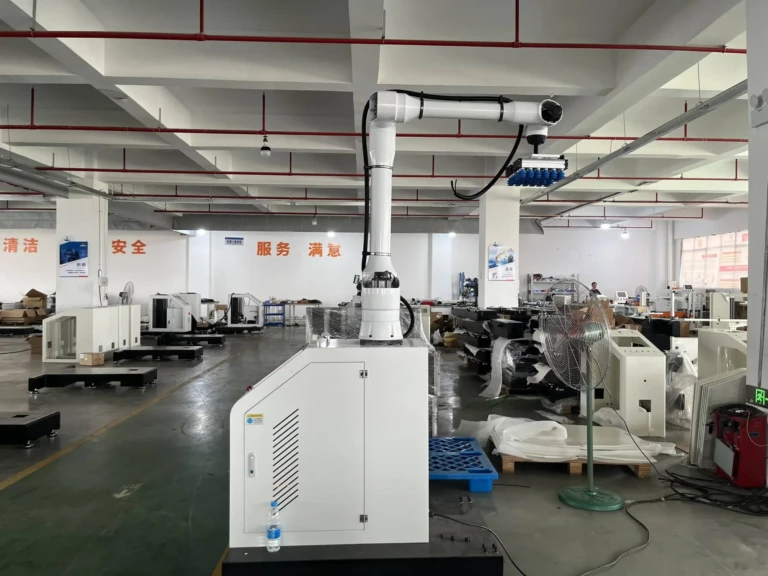
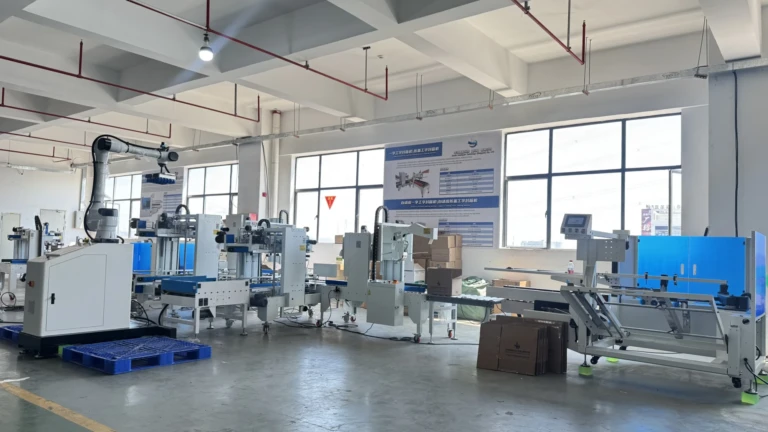
For decades, palletizing relied on human workers to lift, arrange, and secure boxes—a physically demanding process plagued by inconsistencies, fatigue-related errors, and workplace injuries. Today, robotics has disrupted this model. Huaxiu Robot’s comprehensive lineup, including:
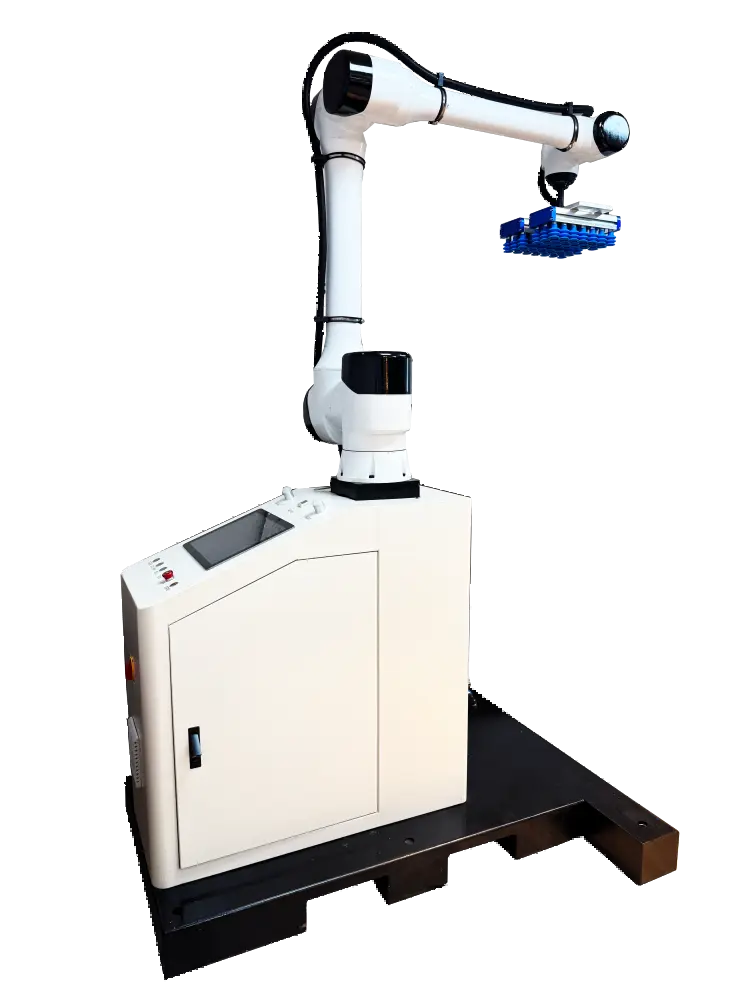
- Collaborative Palletizing Robots (safe to work alongside humans),
- Fully Automatic Stretch Film/Robotic Shrink Packaging Systems,
- Pallet Forming Robots (for assembling custom pallet configurations),
and more, now automate the entire workflow from unpacking to strapping.
These systems integrate machine vision, AI-driven pattern recognition, and adaptive gripper technologies to handle diverse box sizes, weights, and stacking patterns. Unlike rigid, single-purpose machines of the past, modern palletizing robots learn on the fly.
Breakthrough Technologies Driving Change
1. Smarter Sensing & AI Optimization
Huaxiu’s robots leverage 3D vision cameras and LiDAR to scan incoming packages in real-time, determining optimal placement to maximize stability and minimize wasted space. Machine learning algorithms continuously refine stacking patterns based on historical data, reducing load shifts during transit by up to 70%.
2. Collaborative Flexibility
Unlike bulky traditional robots confined to safety cages, Huaxiu’s collaborative palletizers (like their CR Series) use force-limiting joints and proximity sensors. They can dynamically adjust workflows when human intervention is needed—handling fragile items one minute and heavyweight crates the next.
3. End-to-End Integration
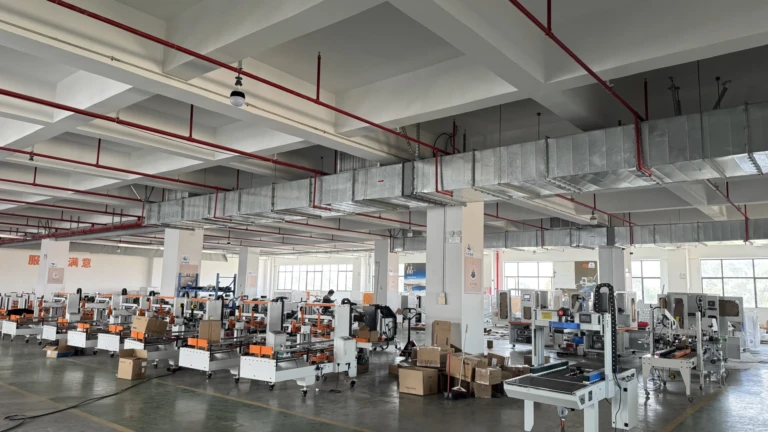
The magic happens when standalone systems communicate. Seamless handoffs between Huaxiu’s Automatic Unpacking Robots, Sealing Robots, and Strapping Robots create a unified production line. IoT-enabled devices share data with warehouse management systems (WMS), enabling predictive maintenance and real-time adjustments.
4. Sustainability at Scale
Automated systems like Huaxiu’s Stretch Film Packaging Robots apply exact tension and layer counts, cutting plastic usage by 20-30% compared to manual wrapping. Reduced material waste pairs with lower energy consumption from high-efficiency servo motors.
Why Businesses Are Making the Switch
- Speed & Scalability: Robotic palletizers operate 24/7 at consistent speeds, doubling throughput in high-volume facilities.
- Labor Maximization: Workers shift from repetitive strain tasks to supervisory roles, boosting morale and retention.
- ROI Acceleration: Systems pay for themselves in 12-18 months via reduced product damage, labor costs, and insurance premiums.
- Future-Proofing: Modular designs allow easy upgrades for new packaging formats (e.g., e-commerce odd-sized parcels).
Industry Applications: Beyond Warehouses
- Food & Beverage: Hygienic robots handle perishables in cold storage environments.
- Pharma: Precision-controlled sealing ensures tamper-proof compliance.
- E-Commerce: Adaptive grippers manage everything from shoeboxes to kayaks.
Conclusion
The era of backbreaking pallet jigs and inconsistent wraps is ending. Robotic pallet production isn’t just an incremental upgrade—it’s a fundamental redesign of how goods are prepared for their journeys. Companies like Huaxiu Robot are at the forefront, offering scalable, intelligent systems that turn palletizing from a cost center into a competitive edge. As supply chains grow more complex, investing in automation isn’t optional; it’s essential for resilience and growth.
FAQs: Robotic Pallet Production Demystified
Q: Will robotic palletizers replace human jobs?
A: They redirect labor rather than eliminate it. Staff transition to higher-value roles in programming, supervision, and maintenance, reducing turnover linked to physical strain.
Q: How difficult is integration with existing conveyors/WMS?
A: Modern robots like Huaxiu’s use open API architectures, enabling plug-and-play compatibility with most warehouse software and hardware.
Q: Can these robots handle irregularly shaped items?
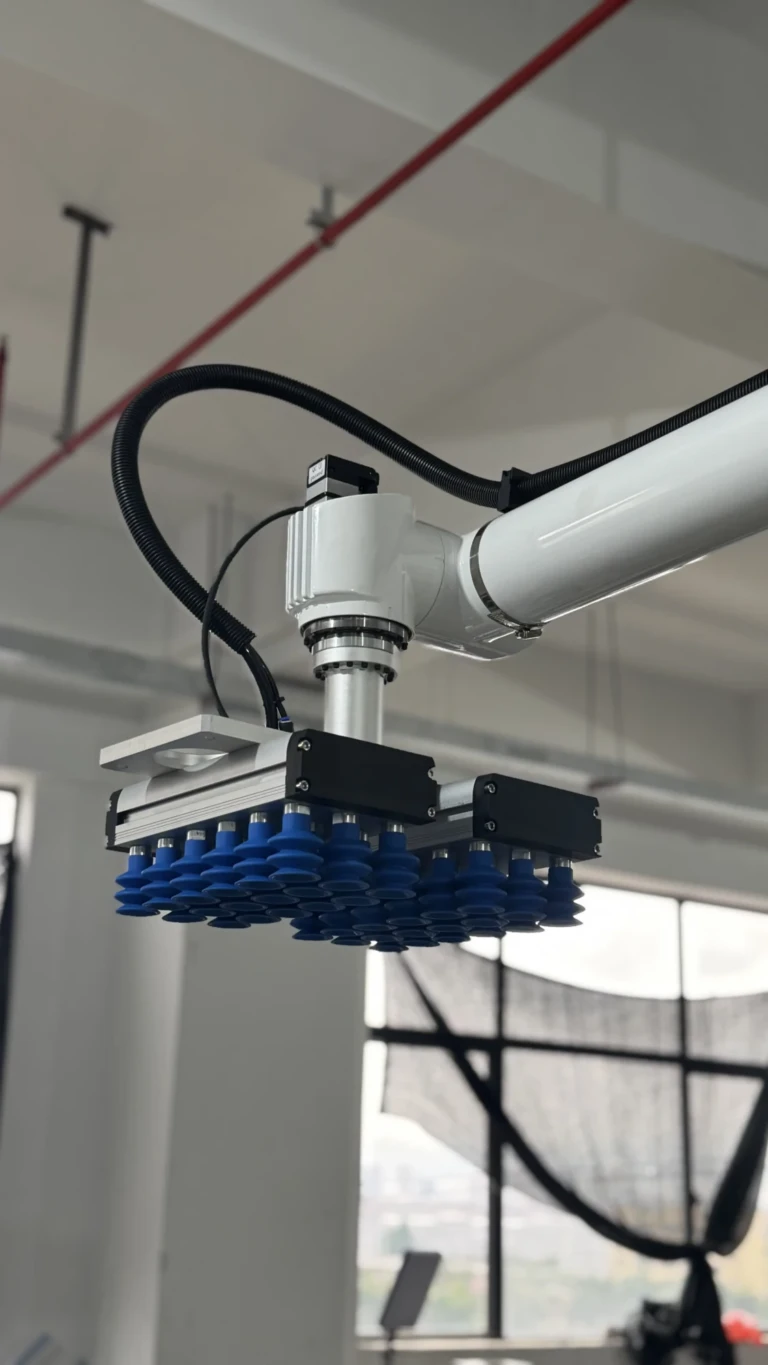
A: Yes. Advanced vision systems and customizable grippers (e.g., vacuum, clamp, fork) adapt to cylinders, bags, and mixed loads.
Q: What’s the typical ROI timeline?
A: Most facilities see full ROI in 12-24 months through labor savings, reduced product loss, and increased throughput. High-volume operations recoup costs faster.
Q: Are safety risks higher with robots in shared spaces?
A: Collaborative models (like Huaxiu’s CR Series) have ISO 13849 certification, featuring emergency stop zones, torque sensors, and speed limits when humans are near.
Q: How do robotic systems impact sustainability goals?
A: Precise material usage (e.g., film, straps), energy-efficient motors, and optimized load stability reduce waste and carbon footprints.
Q: What maintenance is required?
A: Minimal. Self-lubricating joints and diagnostic AI alert teams to wear parts before failure, averaging <1 hour of weekly upkeep.
Innovation waits for no supply chain. As robotic palletizing evolves, early adopters gain agility, efficiency, and a stark advantage in the race to deliver.