The Future of Robotic Palletization: Trends Shaping the Next Industrial Revolution
The logistics and manufacturing sectors are undergoing a seismic shift, driven by automation technologies that promise unprecedented efficiency, flexibility, and cost savings. At the heart of this transformation is robotic palletization—a once labor-intensive task now revolutionized by intelligent machines. As industries grapple with labor shortages, fluctuating demand, and sustainability goals, the adoption of advanced palletizing robots is no longer a luxury but a necessity. Here, we explore the cutting-edge trends shaping the future of robotic palletization and how companies like Huaxiu Robot are leading the charge.
1. AI-Driven Palletizing Systems
Traditional robotic palletizers relied on fixed programming, limiting adaptability. The future belongs to AI-powered systems capable of real-time decision-making. Machine learning algorithms enable robots to recognize irregularly shaped objects, optimize stacking patterns on the fly, and even predict potential errors (e.g., unstable loads). Huaxiu Robot’s intelligent palletizing solutions, for example, leverage vision systems and deep learning to handle mixed-SKU pallets—perfect for e-commerce’s "no two orders alike" demands.
2. Collaborative Robots (Cobots) Enter the Mainstream
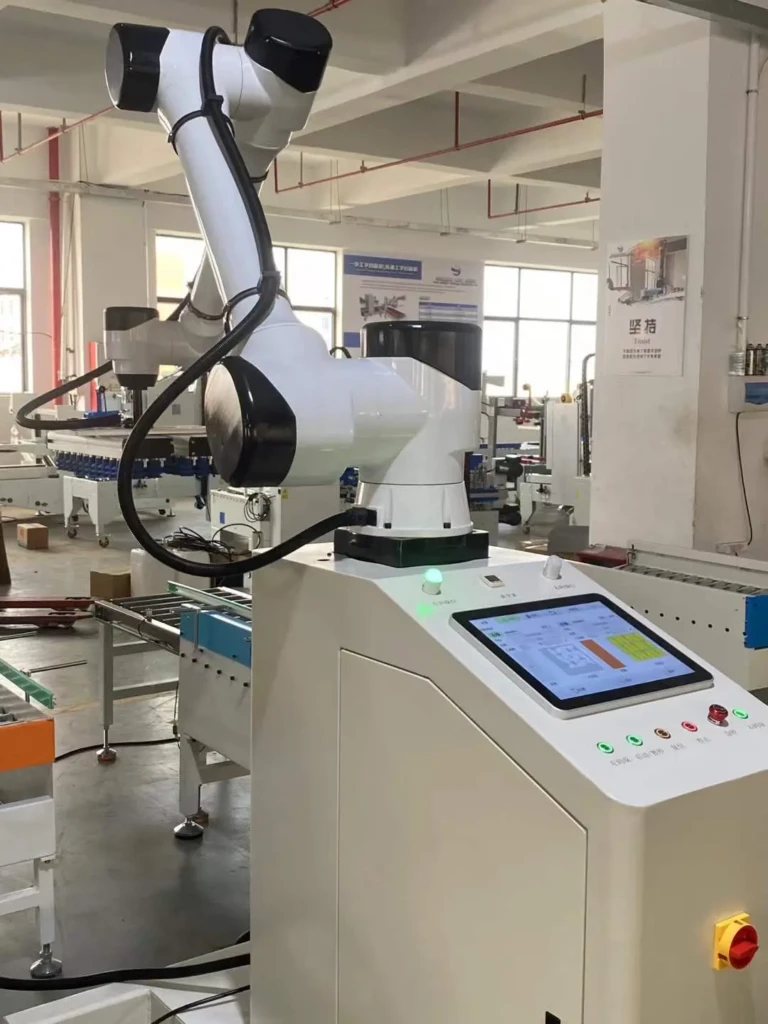
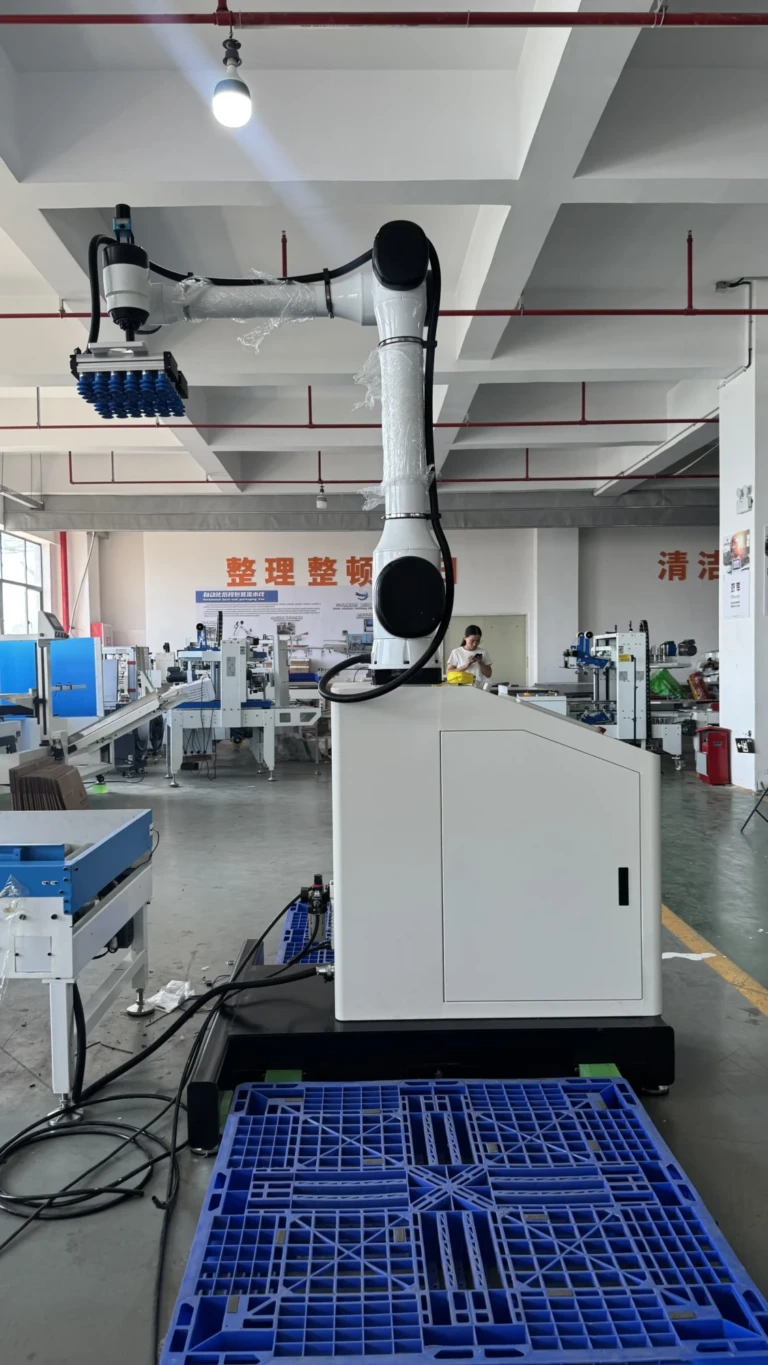
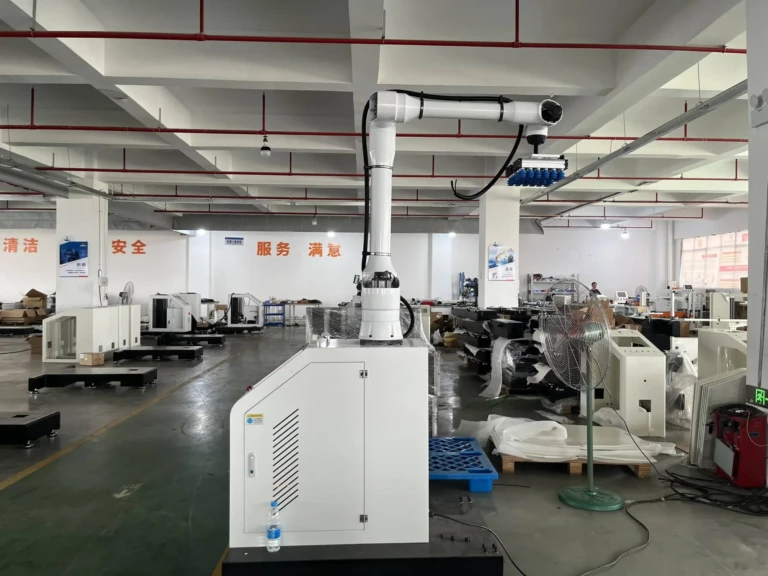
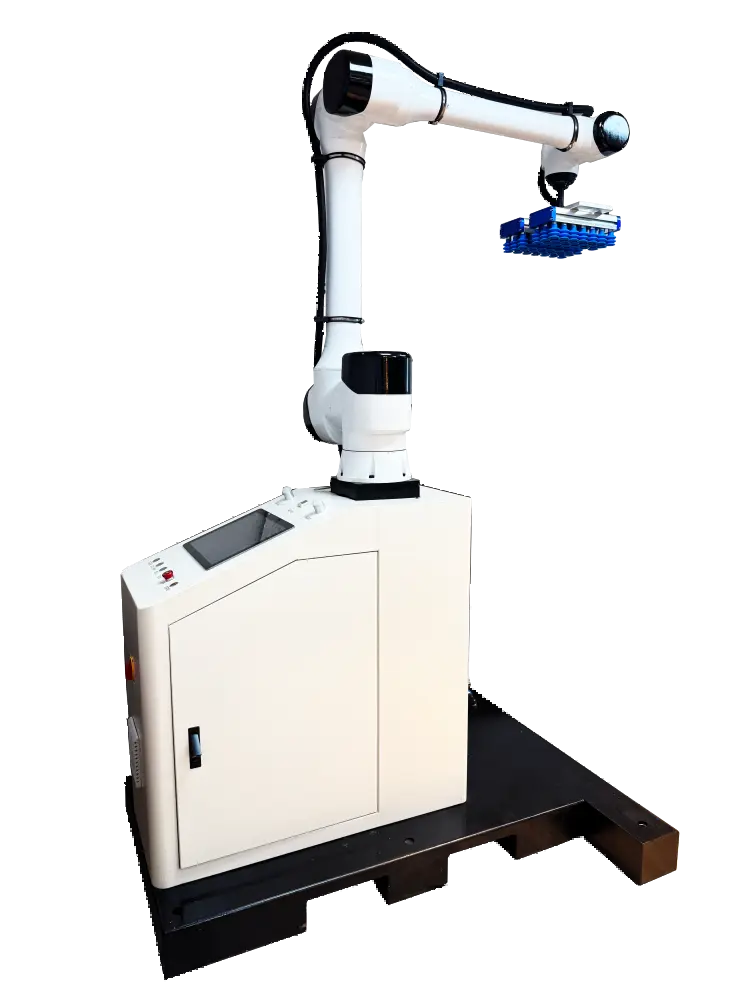
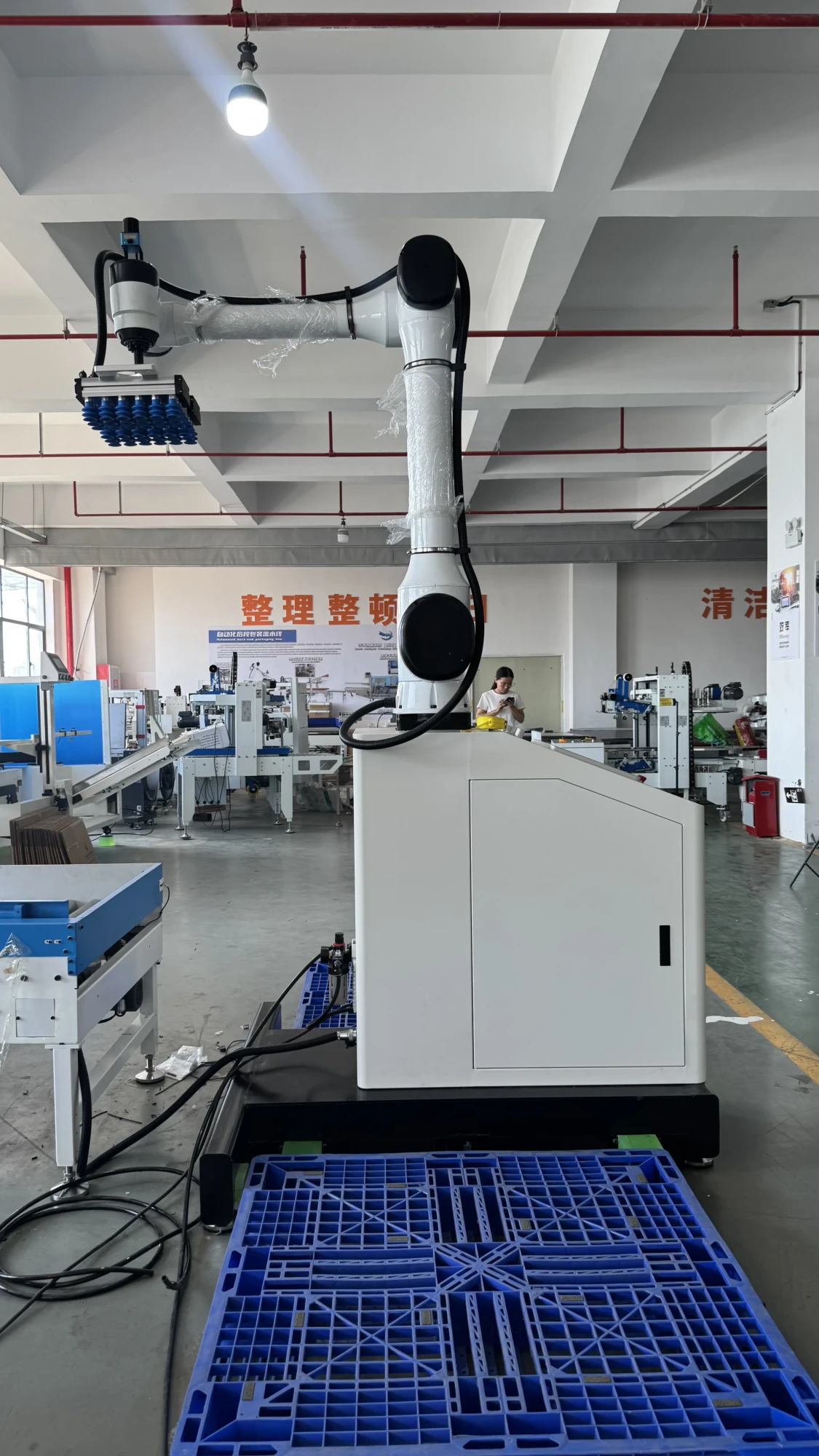
Safety and flexibility are paramount in dynamic warehouse environments. Collaborative palletizing robots, such as those developed by Huaxiu, operate safely alongside human workers without cumbersome safety cages. These cobots feature force-sensing technology, allowing them to adjust motions if they encounter unexpected obstacles. With payload capacities increasing (up to 165+ lbs for advanced models), cobots are now viable for heavy-duty tasks like pallet forming or strapping.
3. Sustainability Takes Center Stage
Global pressure to reduce waste has pushed manufacturers to rethink packaging. Robotic palletizers now optimize material usage—think precise stretch film wrapping or minimizing empty pallet space—slashing plastic consumption by up to 30%. Huaxiu’s fully automatic stretch film packaging robots, for instance, use adaptive tension control to eliminate overuse while securing loads. Additionally, energy-efficient servo motors in modern robots cut power consumption by 40–50% compared to hydraulic systems.
4. Hyper-Speed and Scalability
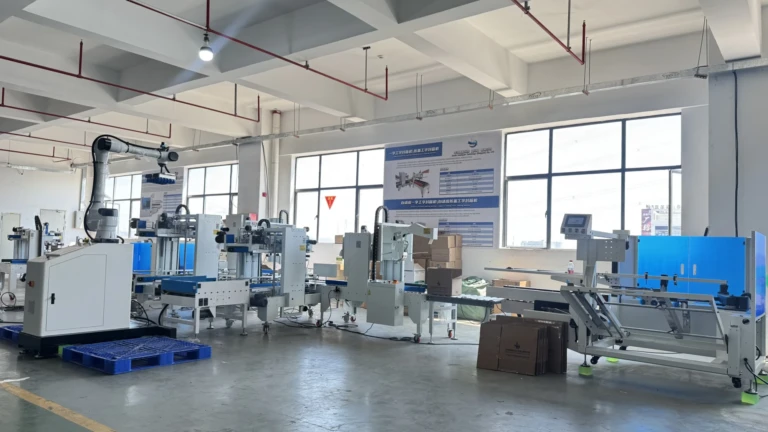
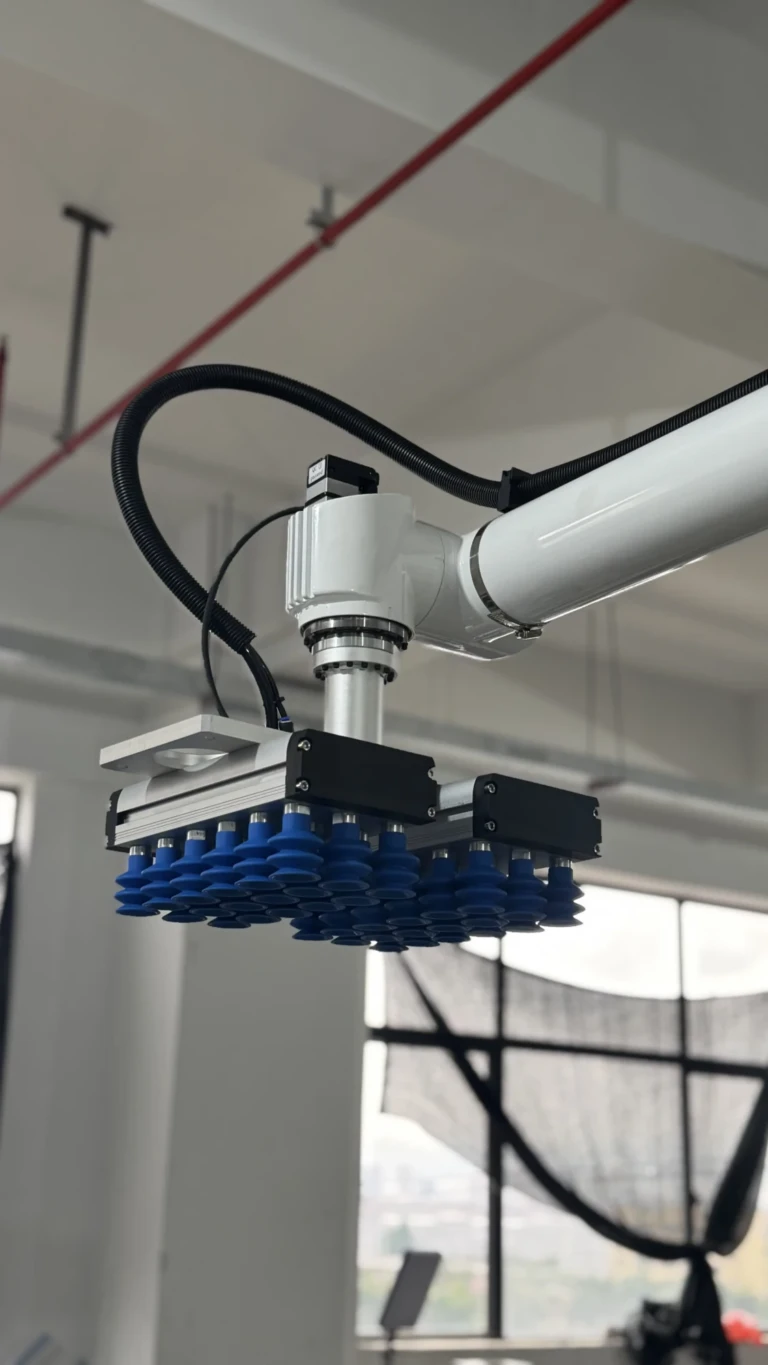
With e-commerce order volumes surging, speed is non-negotiable. Next-gen palletizing robots can achieve cycles as fast as 1,500–2,000 units per hour, thanks to parallel grippers, vacuum systems, and high-speed Delta robots. Scalability is equally critical: modular systems allow facilities to start small (e.g., semi-automatic sealing robots) and expand to fully automated lines (integrating unpacking, sealing, and palletizing) without operational downtime.
5. IoT and Cloud Integration
The Industrial Internet of Things (IIoT) connects palletizing robots to centralized control systems, enabling predictive maintenance and data-driven optimization. Sensors monitor wear-and-tear on grippers or conveyor belts, alerting teams before failure occurs. Cloud platforms analyze palletization patterns across facilities, suggesting efficiency improvements—a feature Huaxiu incorporates into its networked robotic ecosystems.
6. Customization for Niche Applications
One-size-fits-all palletizing is obsolete. Food and beverage, pharmaceuticals, and automotive industries demand tailored solutions. Hygienic stainless-steel robots for cleanrooms, anti-static models for electronics, or explosion-proof variants for chemical logistics are rising trends. Huaxiu’s portfolio, including specialized shrink packaging or strapping robots, exemplifies this shift toward application-specific engineering.
7. Mobile Palletizing Robots (MPRs)
Static palletizing stations are giving way to autonomous mobile robots (AMRs) equipped with palletizing arms. These MPRs navigate warehouses using LiDAR or SLAM (Simultaneous Localization and Mapping), delivering materials to production lines and palletizing finished goods on-site. This "palletize anywhere" capability slashes conveyor infrastructure costs and redefines lean manufacturing.
Conclusion: The Path to Autonomous Warehousing
Robotic palletization is no longer just about replacing manual labor—it’s about reimagining supply chains. As AI, IoT, and sustainable design converge, warehouses will evolve into fully autonomous hubs where robots handle everything from unloading trucks to pallet optimization with minimal human intervention. Companies that invest in adaptable, scalable systems like Huaxiu Robot’s collaborative palletizers or automatic unpacking robots will lead in agility, resilience, and profitability.
The future is clear: robotic palletization isn’t merely a trend—it’s the backbone of Industry 4.0.
FAQs: Robotic Palletization Explained
Q1: What industries benefit most from robotic palletization?
A: Food & beverage, pharmaceuticals, e-commerce, automotive, and consumer goods gain immense value due to high-volume, repetitive tasks. Hygiene-sensitive sectors also benefit from contamination-free automated systems.
Q2: Are robotic palletizers cost-prohibitive for SMEs?
A: Not anymore. Collaborative robots (cobots) and modular systems allow small facilities to phase in automation. ROI often materializes within 12–24 months via labor savings and reduced product damage.
Q3: Can robots handle fragile or irregularly shaped items?
A: Absolutely. Advanced grippers (e.g., servo-electric, vacuum-based) and AI vision systems adapt to delicate bottles, bags, or asymmetrical products without compromising speed.
Q4: How do robotic palletizers improve sustainability?
A: By optimizing load patterns, reducing film/strap waste, and cutting energy use. For example, Huaxiu’s stretch film robots use 25% less material than manual wrapping.
Q5: Is retrofitting robots into existing lines complicated?
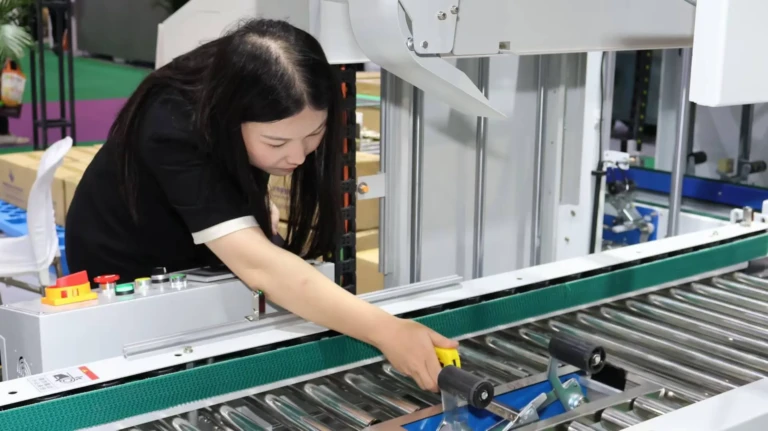
A: Modern palletizers integrate seamlessly with legacy conveyors or PLCs. Huaxiu’s semi-automatic sealing robots, for instance, require minimal reconfiguration.
Q6: What safety features do collaborative palletizing robots offer?
A: Force-limiting joints, emergency stop triggers, and 3D cameras ensure safe human-robot interaction without traditional caging.
Q7: What’s the lead time for deploying a robotic palletizing system?
A: Standard systems take 4–8 weeks, while custom solutions may require 12+ weeks. Cloud-based simulation tools can accelerate testing.
From reducing ergonomic risks to enabling 24/7 operation, robotic palletization is paving the way for smarter, greener, and more competitive industrial ecosystems. Huaxiu Robot’s diverse automation portfolio stands ready to meet these evolving demands—today and tomorrow.