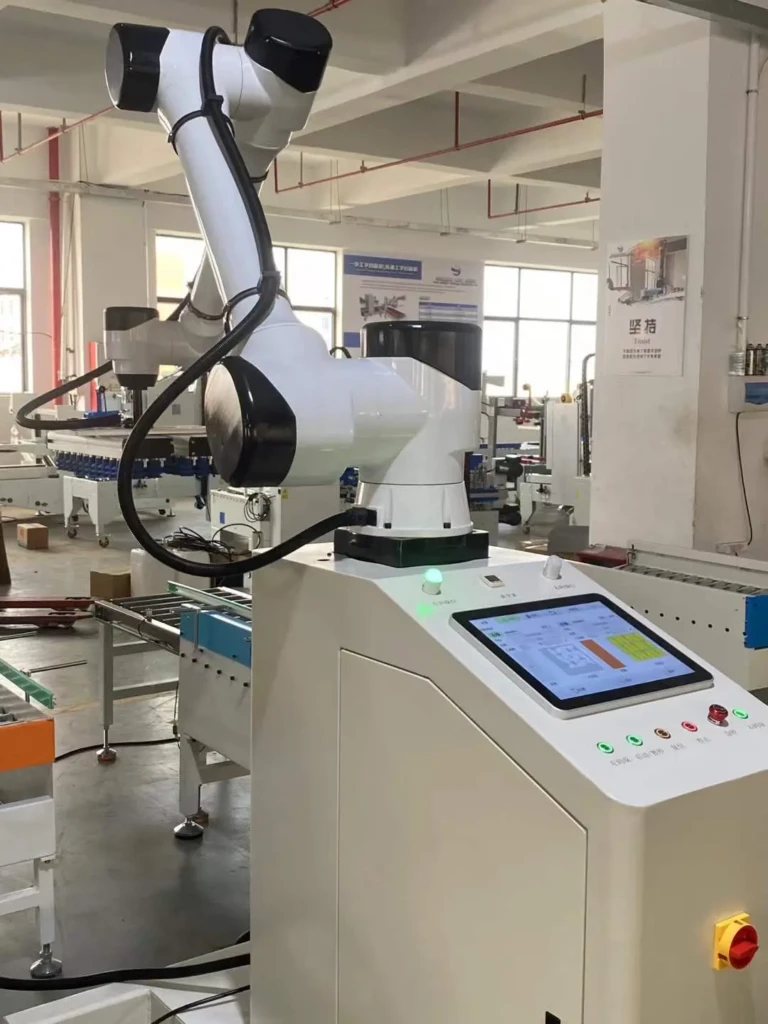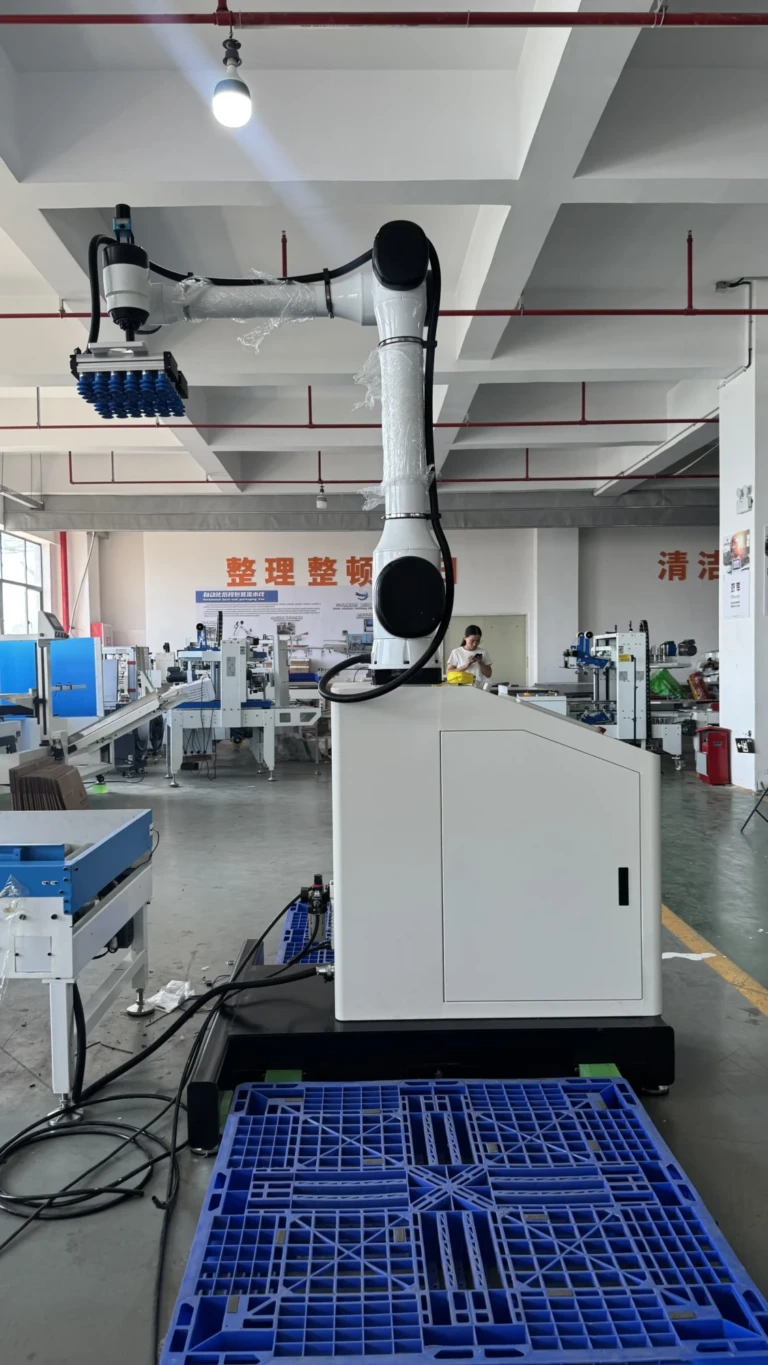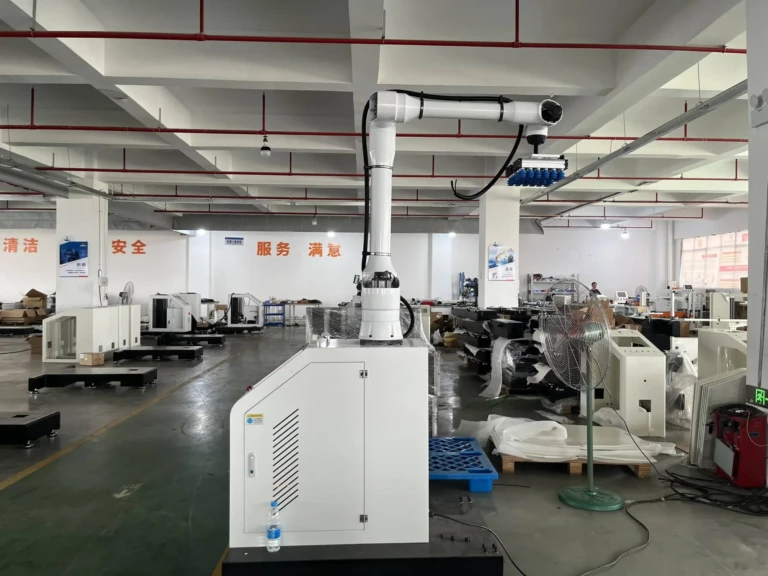
Introduction: The Heart of Robotic Palletizing Systems
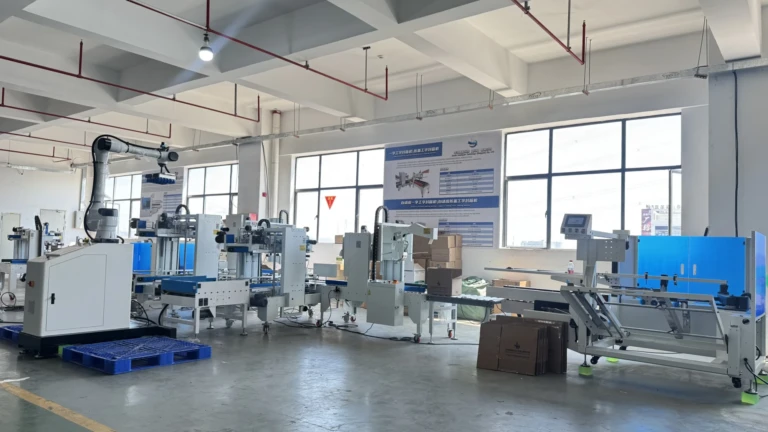
In the fast-paced world of logistics and manufacturing, robotic palletizers have become indispensable for optimizing efficiency, safety, and consistency. However, the performance of these systems hinges on a critical component: actuators. As the "muscles" of robotic palletizers, actuators convert energy into motion, enabling robots to lift, position, and stack goods with precision. Selecting the right actuator is not just a technical decision—it impacts productivity, operational costs, and long-term reliability. In this guide, we’ll dive into expert tips for actuator selection, tailored to the unique demands of palletizing automation, with insights drawn from Huaxiu Robot’s industry-leading expertise in robotic solutions like collaborative palletizers, stretch film packaging robots, and strapping systems.
Key Considerations for Actuator Selection
1. Payload Capacity and Dynamic Forces
- Why It Matters: Actuators must handle not just the static weight of products but also dynamic forces during acceleration/deceleration. For example, a palletizing robot handling 50 kg sacks requires actuators robust enough to manage sudden shifts in momentum.
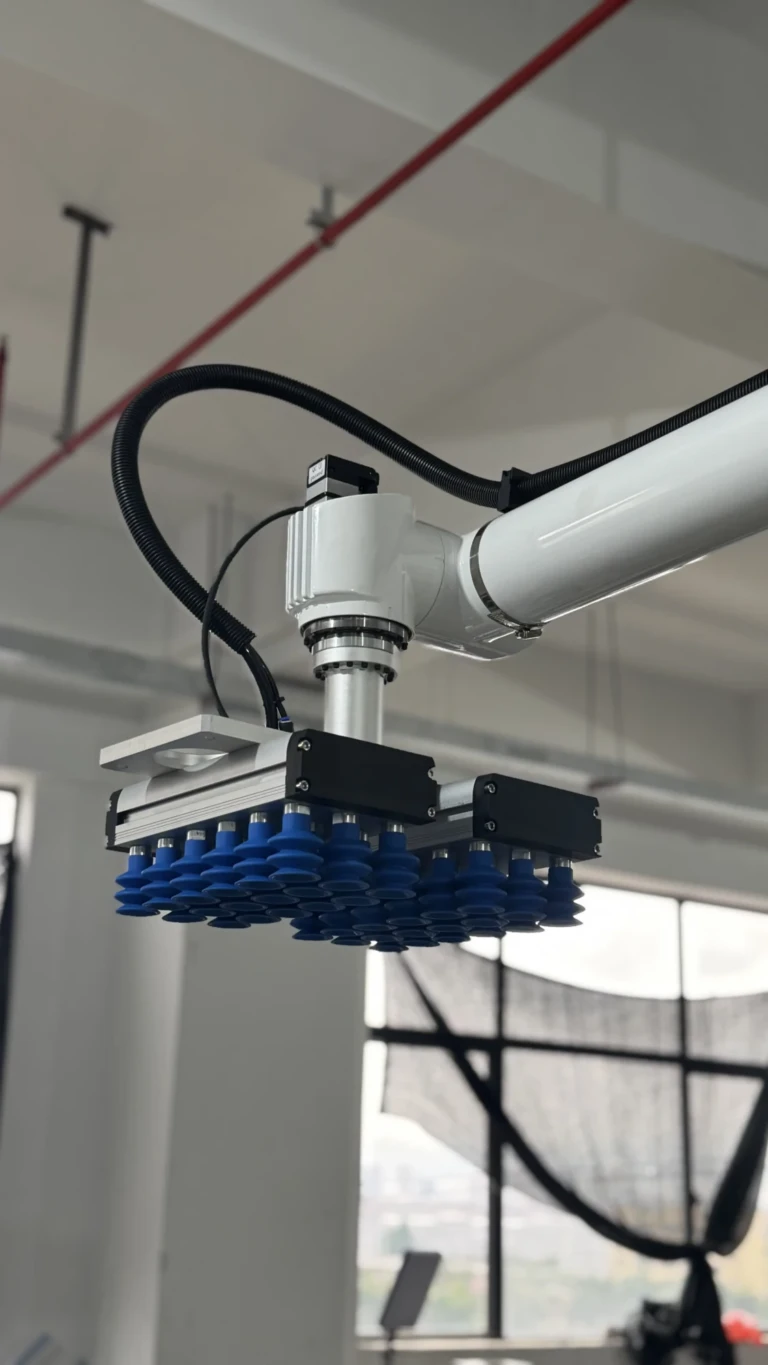
- Tip: Calculate the total payload, including end-of-arm tools (EOAT) like grippers or suction cups. Hydraulic actuators excel in heavy-load scenarios (e.g., 500+ kg construction materials), while electric or pneumatic models suit lighter, high-speed tasks (e.g., food or pharmaceuticals).
2. Speed vs. Precision Trade-Off
- Hydraulic Actuators: Powerful but slower, ideal for palletizing dense, irregularly shaped items (e.g., bricks).
- Electric Linear Actuators: Offer pinpoint accuracy (±0.1 mm repeatability) for delicate goods, such as electronics or glass bottles.
- Pneumatic Actuators: Cost-effective for lightweight, high-speed operations (e.g., shrink-wrapped beverage packs).
3. Environmental Resilience
- Harsh Conditions: In dusty warehouses or food-processing plants with frequent washdowns, IP67-rated electric actuators or corrosion-resistant hydraulic systems are essential.
- Temperature Extremes: For cold storage (e.g., frozen foods) or high-heat environments (e.g., foundries), verify the actuator’s operating range; electromechanical options often outperform hydraulics in sub-zero settings.
4. Energy Efficiency and Lifetime Costs
- Electric actuators lead in energy efficiency (~80% less power than hydraulics), critical for facilities running 24/7.
- Hydraulic systems incur higher maintenance (fluid leaks, pump replacements) but remain unbeatable for extreme loads.
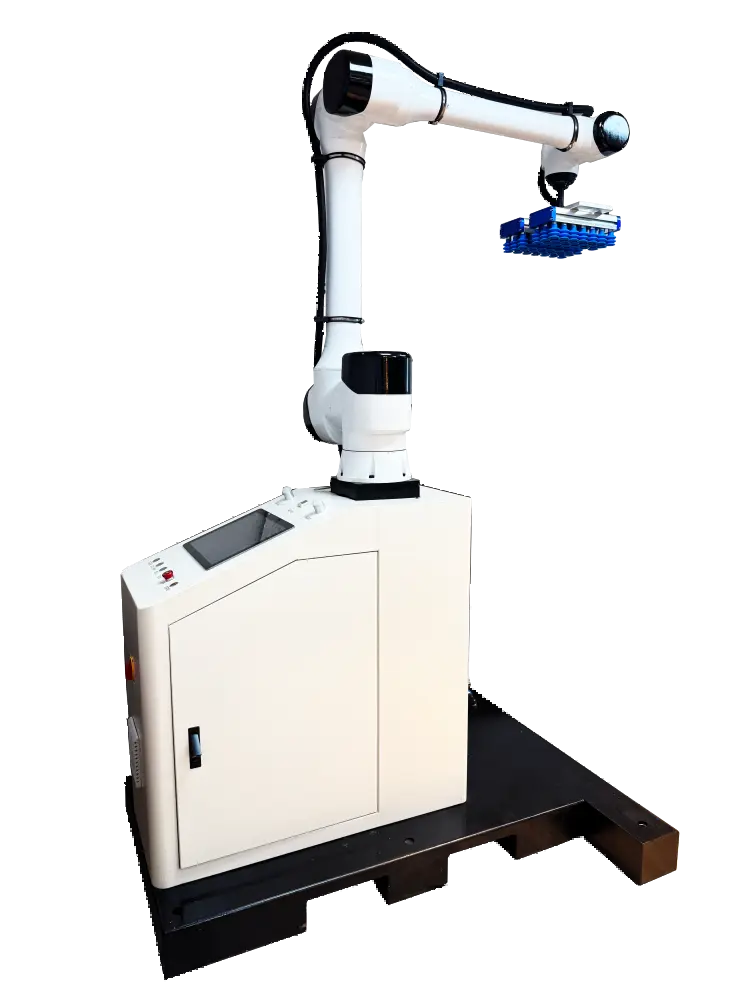
- Pro Tip: Huaxiu’s collaborative palletizing robots integrate brushless DC motors for 50,000+ hours of maintenance-free operation, slashing TCO.
5. Integration with Robotic Control Systems
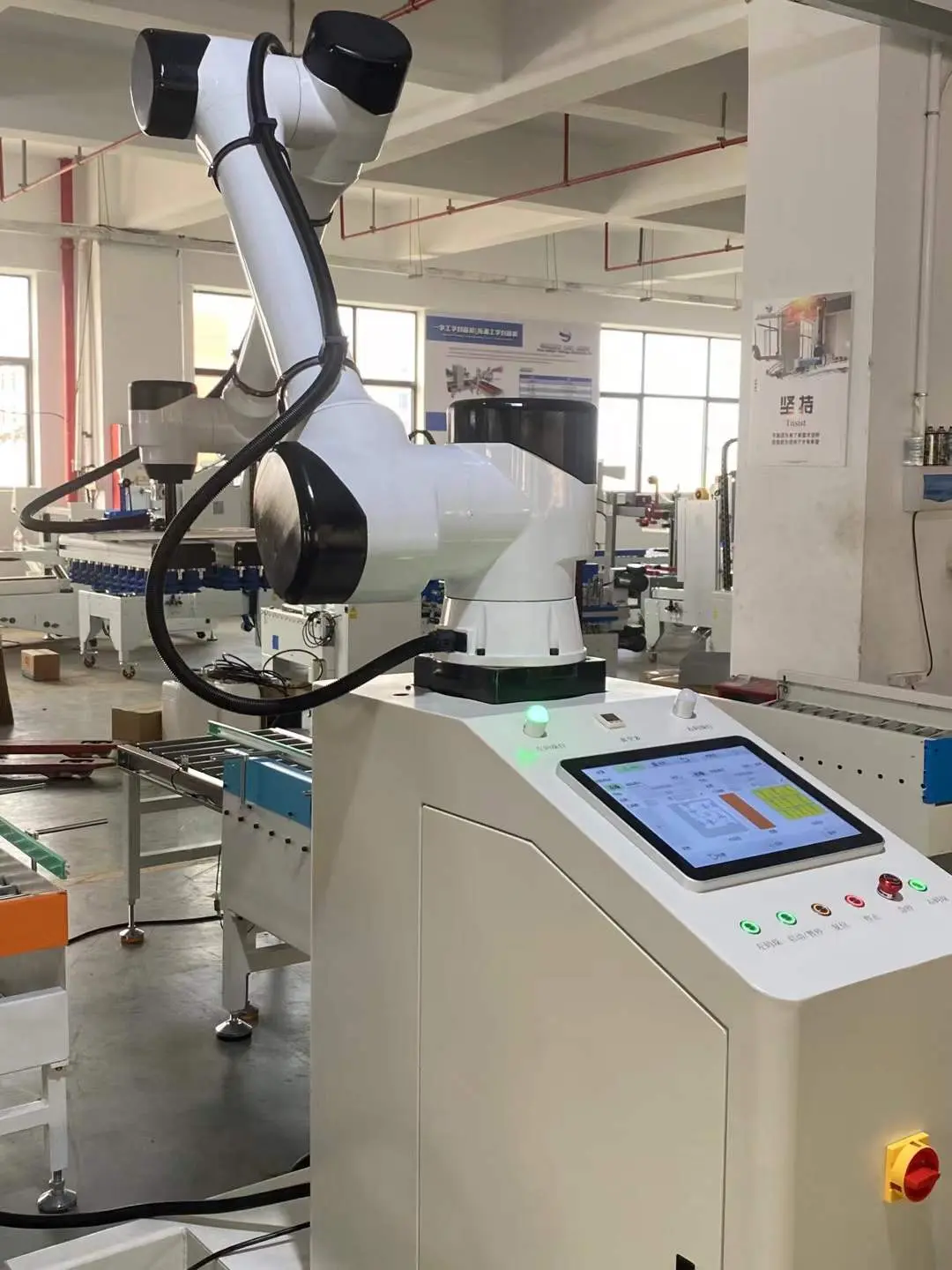
- Ensure compatibility with PLCs, HMIs, and IoT platforms. Modern actuators with built-in sensors (e.g., position feedback, load monitoring) enable predictive maintenance.
- Example: Huaxiu’s automatic stretch film robots use CANopen-enabled actuators for real-time synchronization with conveyor speeds.
Matching Actuator Types to Palletizing Tasks
| Actuator Type | Best For | Huaxiu Robot Use Case |
|---|---|---|
| Electric (Servo/Stepper) | High-precision stacking, clean environments | Pharmaceutical box palletizing |
| Hydraulic | Heavy-duty loads (e.g., metal coils, cement) | Pallet forming for construction materials |
| Pneumatic | Lightweight, rapid-cycle tasks (e.g., cartons) | Automatic sealing robots for e-commerce |
| Piezo/Electric Hybrid | Ultra-fine adjustments (<1µm) | Lab sample handling or micro-palletizing |
Future-Proofing Your Actuator Strategy
- Modularity: Choose actuators that allow easy upgrades (e.g., swapping pneumatic for electric without redesigning the entire arm).
- Scalability: Align with Industry 4.0 trends—actuators with embedded IIoT sensors can feed data into Huaxiu’s cloud-based fleet management platforms.
- Sustainability: Electrification reduces carbon footprints; solar-powered DC actuators are emerging in green logistics.
Conclusion: Precision Engineering Drives Palletizing Excellence
Selecting the optimal actuator for your robotic palletizer is a multidimensional decision. By prioritizing payload dynamics, environmental factors, and lifecycle costs—while aligning with specific palletizing tasks—businesses can unlock transformative efficiency gains. Huaxiu Robot’s portfolio, from auto-strapping robots to fully automatic film wrappers, exemplifies how purpose-built actuator integration delivers competitive advantage. Partnering with an automation expert ensures your actuator strategy not only meets today’s demands but also adapts to tomorrow’s challenges.
FAQs: Robotic Palletizer Actuator Selection
Q1: Can I retrofit an existing palletizer with a different actuator type?
A: Yes, but feasibility depends on the robot’s mechanical structure and control architecture. Hydraulic-to-electric retrofits, for example, may require motor mounting modifications and software recalibration.
Q2: Are electric actuators viable for humid environments?
A: Absolutely. Look for IP69K-rated housings and stainless-steel components—common in Huaxiu’s seafood and beverage palletizing solutions.
Q3: How do I reduce actuator noise in quiet workplaces?
A: Electric actuators operate near-silently (45 dB), unlike hydraulic systems (~75 dB). For legacy hydraulic units, noise-dampening housings or hybrid electro-hydraulic pumps are alternatives.
Q4: What’s the typical lifespan of a palletizer actuator?
A: Electric actuators last 5–10 years with minimal upkeep; hydraulic systems average 3–7 years depending on fluid maintenance.
Q5: Can one actuator type handle all tasks in a mixed-load facility?
A: Modular palletizers (e.g., Huaxiu’s collaborative models) often use multi-actuator configurations. A hybrid approach—electric for precision, hydraulic for heavy lifts—is common in multi-industry settings.
Final Thought: In palletizing automation, the right actuator isn’t just a component—it’s the backbone of operational excellence. By understanding your payload, environment, and scalability needs, you can transform your logistics workflow into a seamless, high-performance engine.