
The Silent Revolution in Warehousing: How Robotic Palletizing is Transforming Automation Efficiency
Walk into any modern warehouse or manufacturing facility today, and you’ll witness a ballet of precision – robotic arms swiftly stacking boxes, forming pallets, and preparing shipments with machine-driven consistency. This is the world of robotic palletizing, a cornerstone of industrial automation that’s rapidly eliminating bottlenecks, reducing operational costs, and redefining productivity standards.
From Manual Labor to Intelligent Automation: The Evolution of Palletizing
Palletizing—the process of stacking products onto pallets for storage or transport—has long been a grueling, repetitive task. Human workers face inherent limitations: fatigue, variability in stacking patterns, and physical strain from handling heavy loads. Enter robotic palletizing systems. These solutions combine advanced mechanics, vision systems, and AI-driven software to automate the entire workflow.
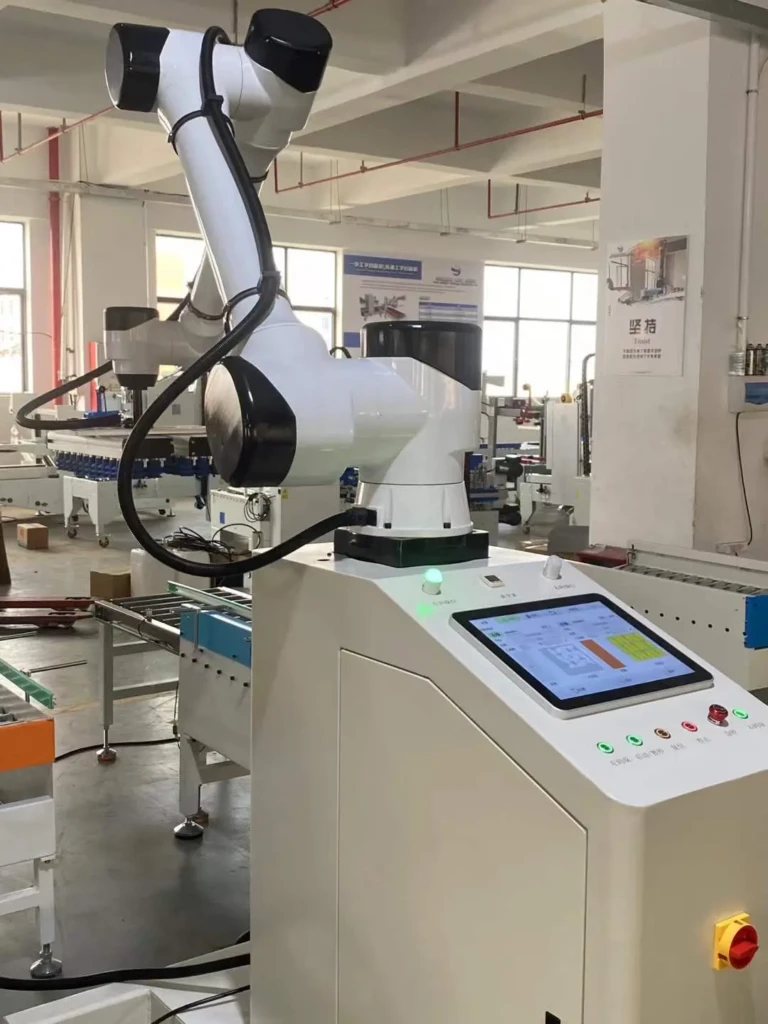
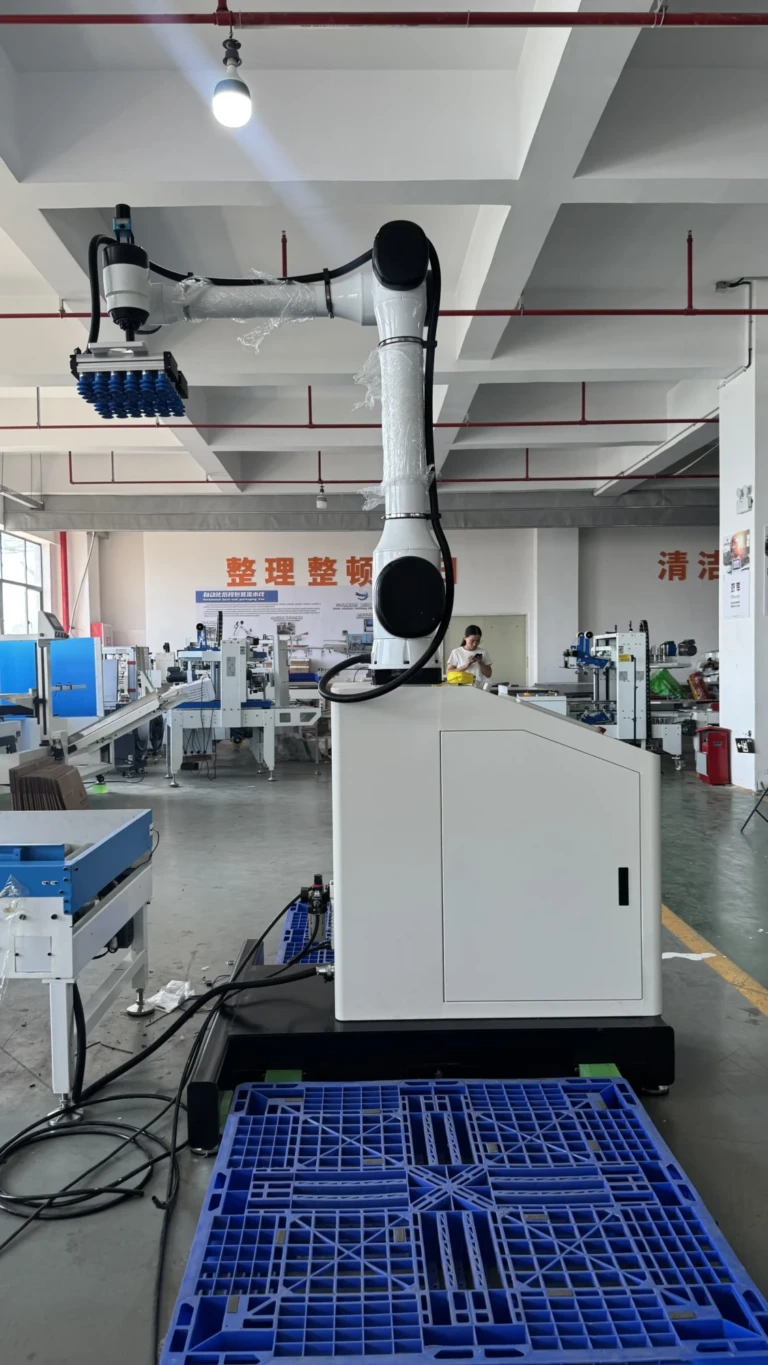
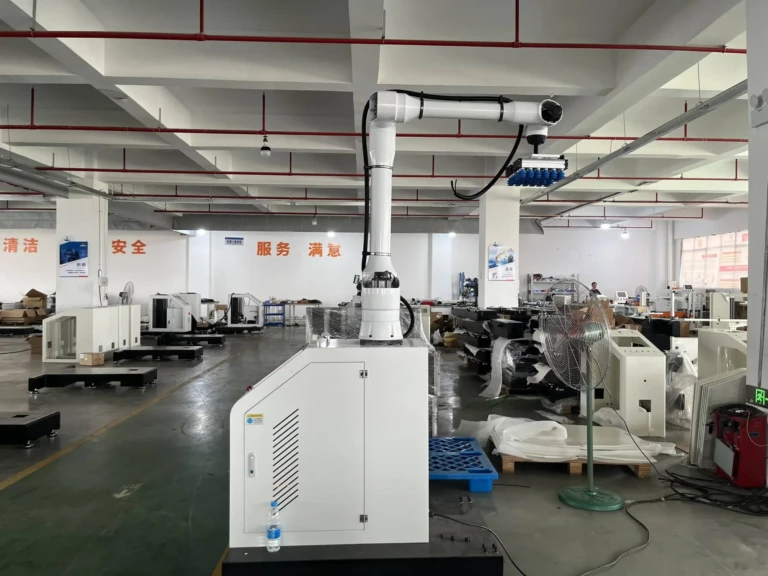
Companies like Huaxiu Robot have pioneered specialized systems tailored to diverse industrial needs:
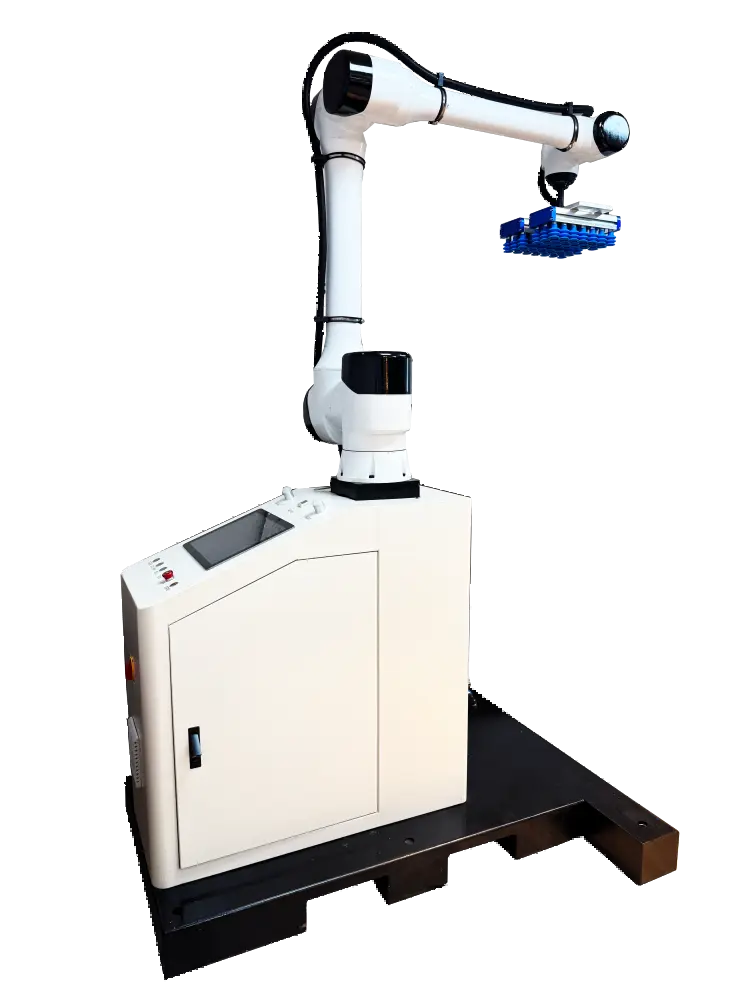
- Collaborative Palletizing Robots (Cobots): Safe to operate alongside humans, ideal for flexible, mixed-SKU environments.
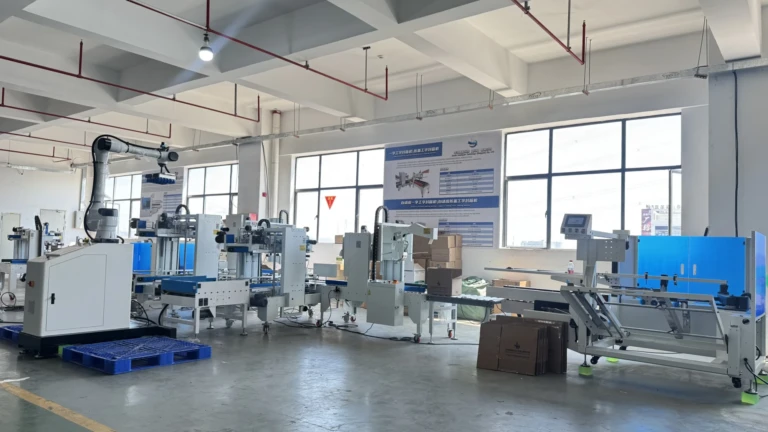
- End-to-End Integrated Systems: From automatic unpacking/unboxing robots to sealing, strapping, and stretch film wrapping robots.
- High-Speed Heavy Lifters: Industrial robots handling payloads exceeding 1,500 kg with millimeter precision.
Why Robotic Palletizing Drives Unmatched Efficiency
1. Exponential Productivity Gains
Robotic palletizers don’t need breaks. A single robot can operate 24/7, achieving cycle times human teams can’t match. For example, Huaxiu’s high-speed palletizing models can place over 1,500 items per hour with zero deviation.
2. Precision That Eliminates Waste
AI-powered vision systems scan items, calculate optimal stacking patterns, and adjust for irregular shapes. This reduces product damage (common with manual misalignment) and maximizes pallet space utilization—critical for minimizing shipping costs.
3. Labor Cost & Safety Optimization
Automating palletizing reduces reliance on manual labor for back-breaking tasks, cutting long-term labor costs by up to 50%. It also mitigates workplace injuries like musculoskeletal disorders—a leading cause of worker compensation claims.
4. Flexibility for Dynamic Demands
Modern systems handle diverse product types—boxes, bags, bottles—without retooling. Huaxiu’s collaborative robots, for instance, use quick-change grippers and adaptive programming to switch between tasks in minutes, making them ideal for seasonal surges or custom orders.
5. Data-Driven Continuous Improvement
Integrated sensors collect real-time data on cycle times, error rates, and maintenance needs. This enables predictive analytics to refine processes, preempt downtime, and optimize throughput.
Custom Solutions for Every Workflow
Robotic palletizing isn’t a one-size-fits-all solution. Leading providers design modular systems for specific use cases:
- Pharma & Food Processing: Hygienic robots with IP67 ratings, handling delicate items without contamination.
- E-Commerce Fulfillment: Mixed-SKU palletizing with AI vision to stack varying box sizes optimally.
- Bulk Material Handling: Heavy-duty robots palletizing bags of cement, pet food, or chemicals.
- End-of-Line Packaging: Fully integrated cells combining palletizing with Huaxiu’s automatic strapping, sealing, or shrink-wrapping robots.
Key Considerations When Implementing Robotic Palletizing
Integration Complexity
Seamless integration with existing conveyors, WMS/TMS software, and upstream/downstream equipment is critical. Partnering with experts ensures minimal disruption.
ROI Analysis
While upfront costs vary (from $75,000 for cobots to $500,000+ for high-volume systems), most operations achieve ROI within 1–3 years via labor savings, reduced damage, and increased throughput.
Scalability
Choose modular systems that can expand throughput or adapt to new products as business needs evolve.
Supplier Expertise
Look for providers with proven industry experience (like Huaxiu’s portfolio across automotive, FMCG, and logistics) and comprehensive after-sales support.
The Future: Autonomy, AI, and Sustainability
Next-gen palletizing robots are embracing machine learning to self-optimize stacking patterns based on historical data. Furthermore, energy-efficient designs (Huaxiu’s systems use regenerative drives that cut power consumption by 20%) align with ESG goals.
Conclusion
Robotic palletizing is no longer a luxury—it’s a strategic imperative for businesses competing on speed, accuracy, and scalability. By automating this critical node in the supply chain, companies unlock unprecedented efficiency, empower their workforce to focus on higher-value tasks, and future-proof their operations against labor shortages and demand volatility. As Huaxiu Robot’s innovations demonstrate, the technology is versatile, accessible, and rapidly evolving. The question isn’t whether to automate palletizing, but how soon it can be done.
FAQs: Robotic Palletizing Systems
Q1: Can robotic palletizers handle irregularly shaped items?
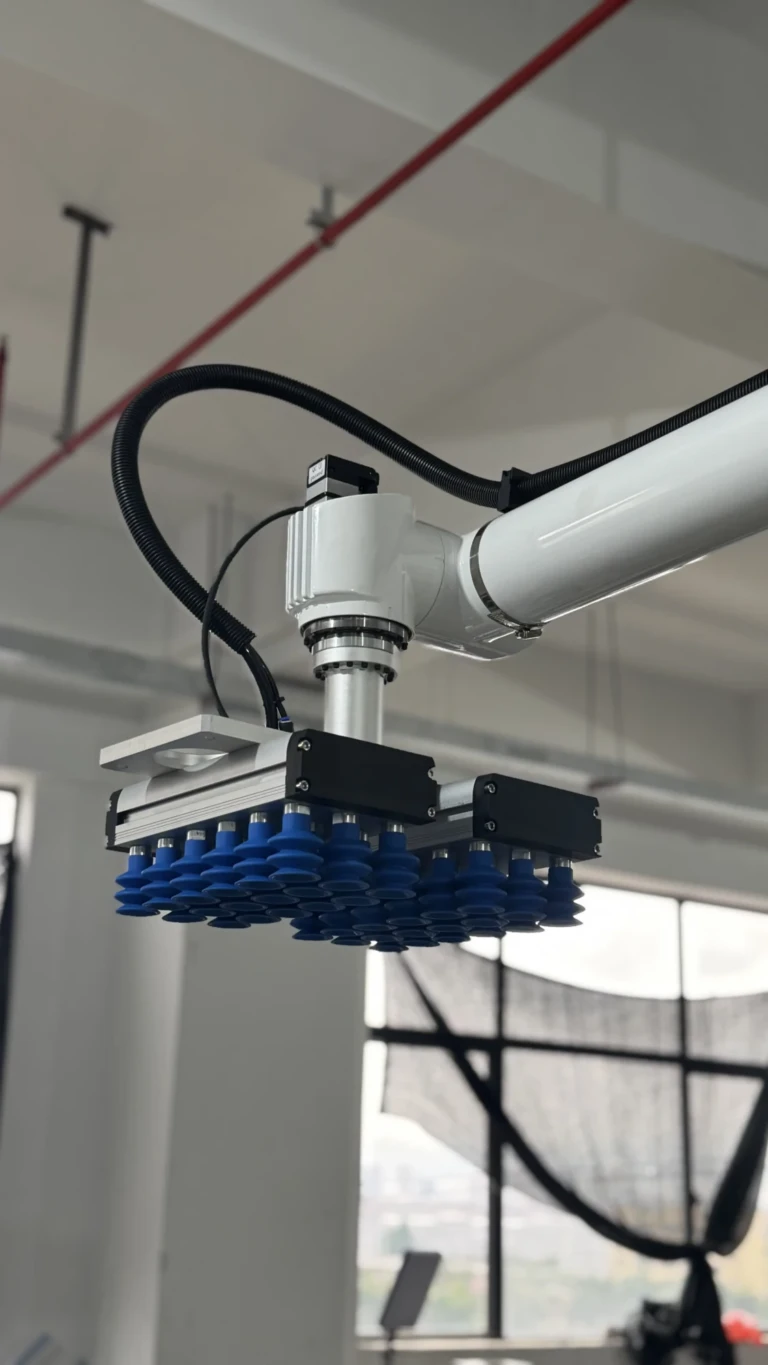
Yes. Advanced vision systems and adjustable grippers (e.g., vacuum, claw, or hydraulic) enable handling of bags, cylinders, amorphous items, and even fragile goods.
Q2: How long does deployment typically take?
Standard systems take 4–8 weeks for installation and programming. Complex integrations may require 12+ weeks. Huaxiu offers “plug-and-palletize” modular units for faster rollout.
Q3: What’s the maintenance requirement?
Daily visual checks and quarterly professional servicing are recommended. Most robots have <1% annual downtime if maintained properly.
Q4: Are these systems safe to work near humans?
Collaborative robots (like Huaxiu’s CR series) use force-limiting tech and proximity sensors to halt movement upon contact. Traditional industrial units require safety fencing.
Q5: Can one robot handle multiple palletizing patterns?
Absolutely. Operators can save countless patterns in the robot’s memory and switch between them via HMI or MES integration.
Q6: How do I justify the investment to stakeholders?
Highlight hard metrics: labor cost reduction (often 1–2 shifts eliminated), 99.9% stacking accuracy (reducing product loss), and ROI timelines. Soft benefits like improved worker safety and scalability are equally compelling.
With robotic palletizing, efficiency isn’t just improved—it’s perfected. The era of manual, error-prone stacking is over. Welcome to automated precision.