
The Evolution of Efficiency: Top Palletizing Robots Shaping Industry in 2024
As supply chains grow increasingly complex and labor shortages persist, automation has transitioned from a luxury to a necessity in manufacturing and logistics. At the heart of this transformation are palletizing robots, revolutionizing how warehouses and factories handle the final, often most labor-intensive step of production: stacking and organizing goods onto pallets. In 2024, technological advancements in speed, intelligence, and adaptability have propelled palletizing robotics to unprecedented heights. Let’s explore the systems leading this charge and why they matter for your operations.
Why Palletizing Robots Are Non-Negotiable in 2024
Modern palletizing systems are no longer “dumb” mechanical arms. Today’s robots integrate AI, machine vision, and IoT connectivity to:
- Reduce repetitive strain injuries by automating heavy lifting.
- Boost throughput by operating 24/7 without fatigue.
- Improve load stability with precision placement algorithms.
- Cut waste through optimized space utilization and reduced product damage.
- Enable data-driven decisions via real-time performance analytics.
With rising consumer demand for faster deliveries and ESG pressures to reduce operational waste, investing in palletizing automation is a strategic imperative.
Top Palletizing Robots Dominating 2024
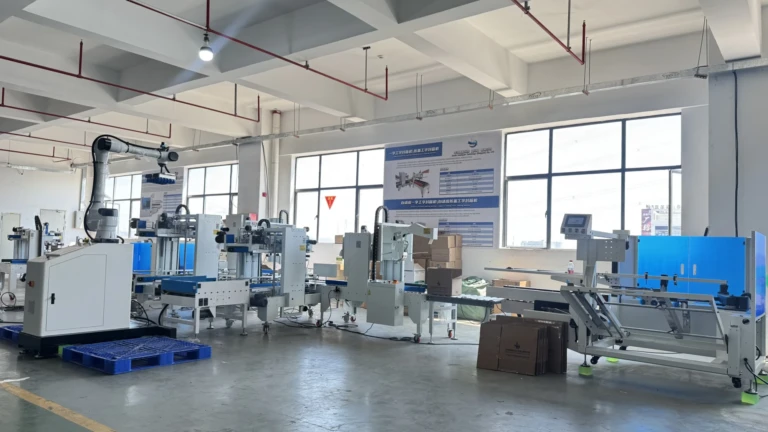
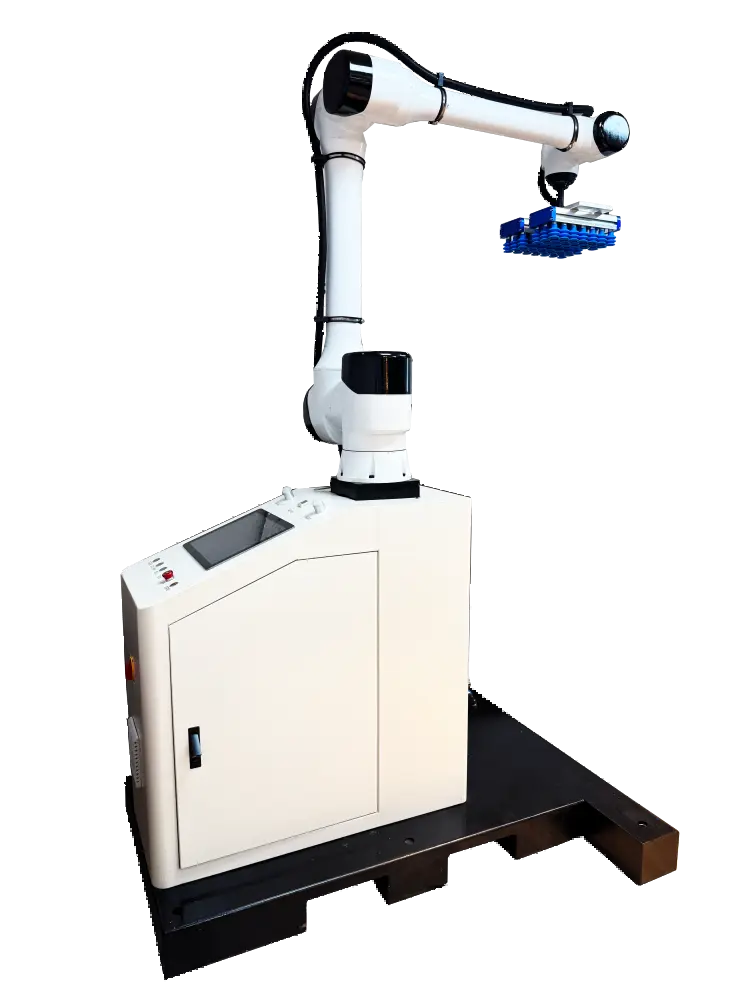
1. Huaxiu Robot’s Modular Collaborative Palletizers
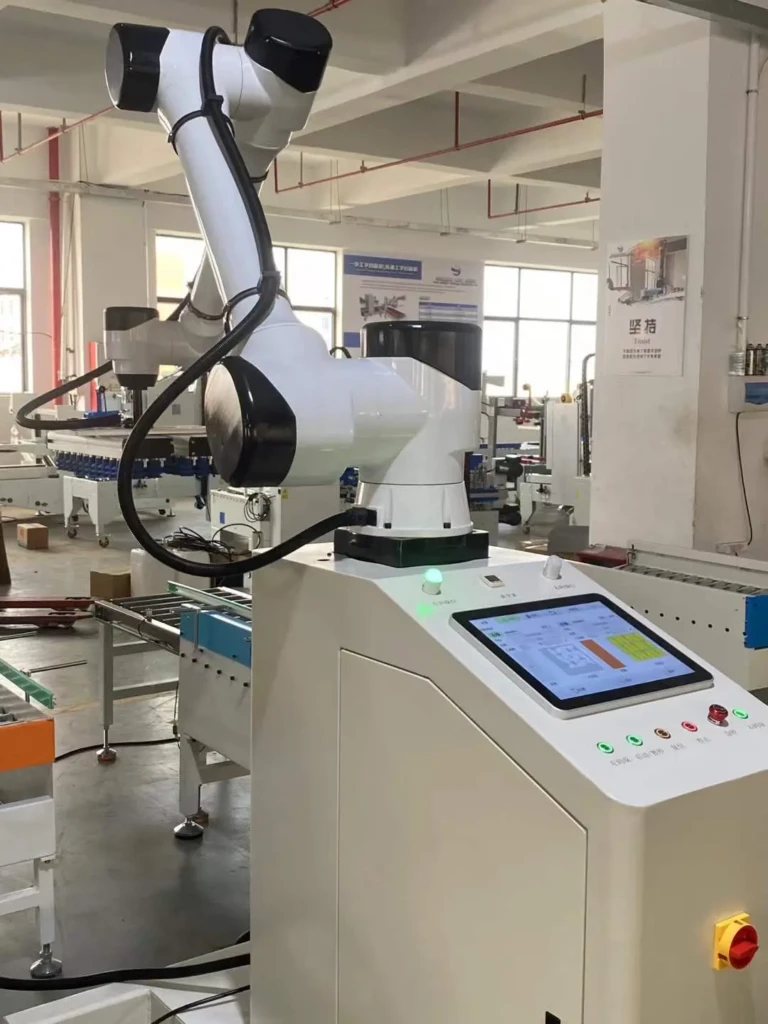
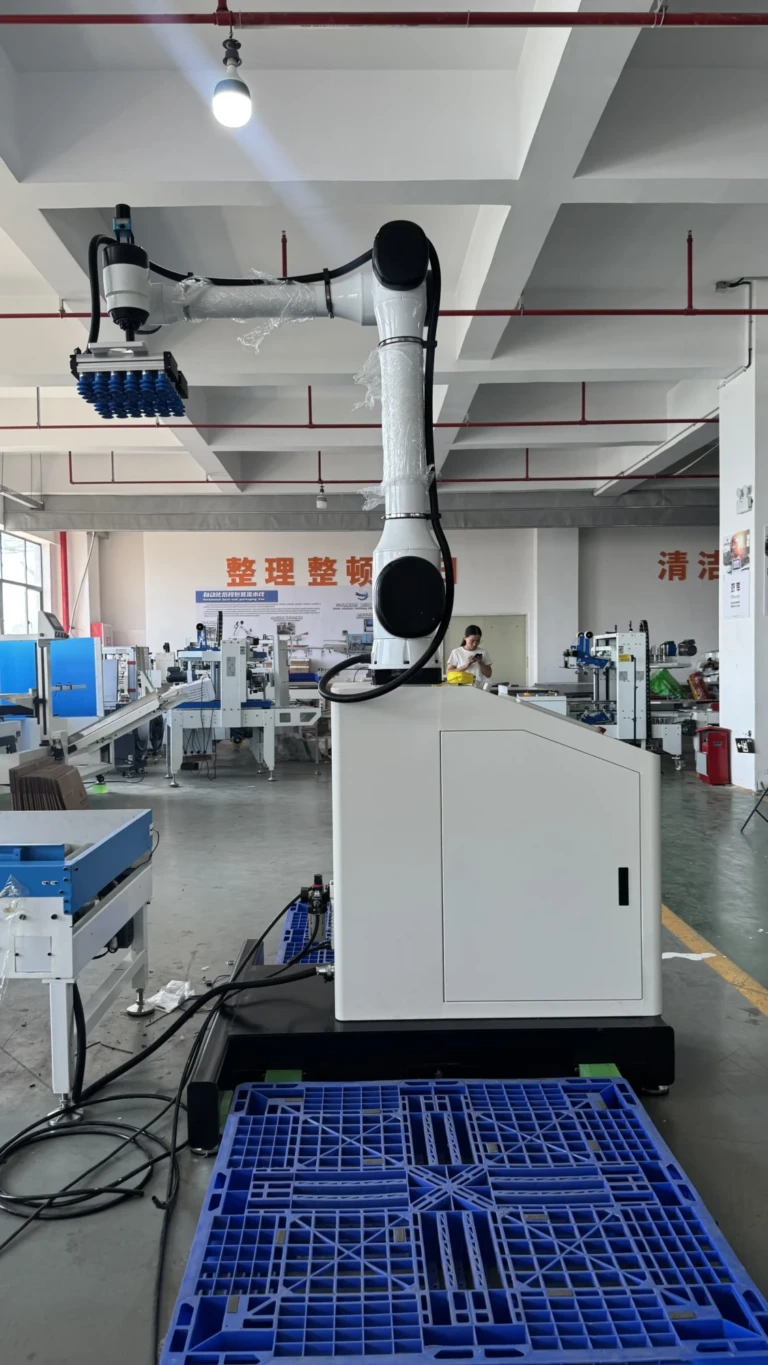
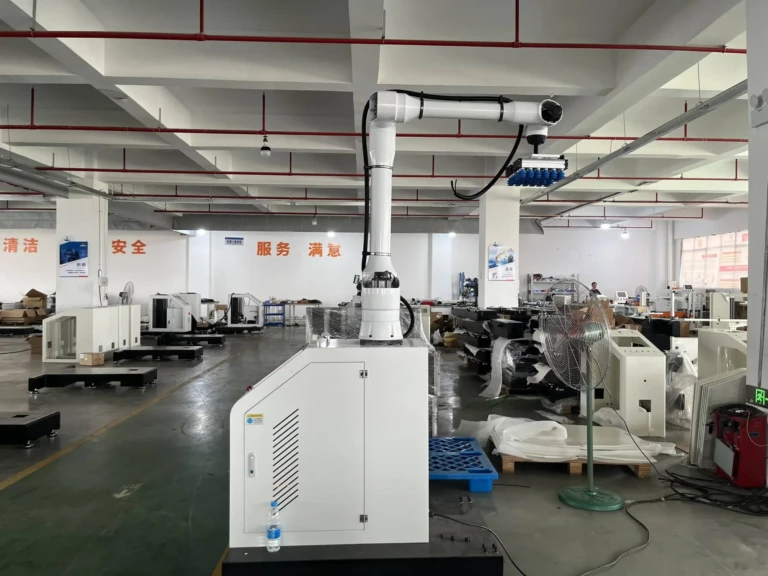
A standout for SMEs and large facilities alike, Huaxiu’s collaborative robots (cobots) redefine flexibility. Their 6-axis cobot palletizers feature:
- Plug-and-Play Integration: No heavy infrastructure changes needed; deploy in under 48 hours.
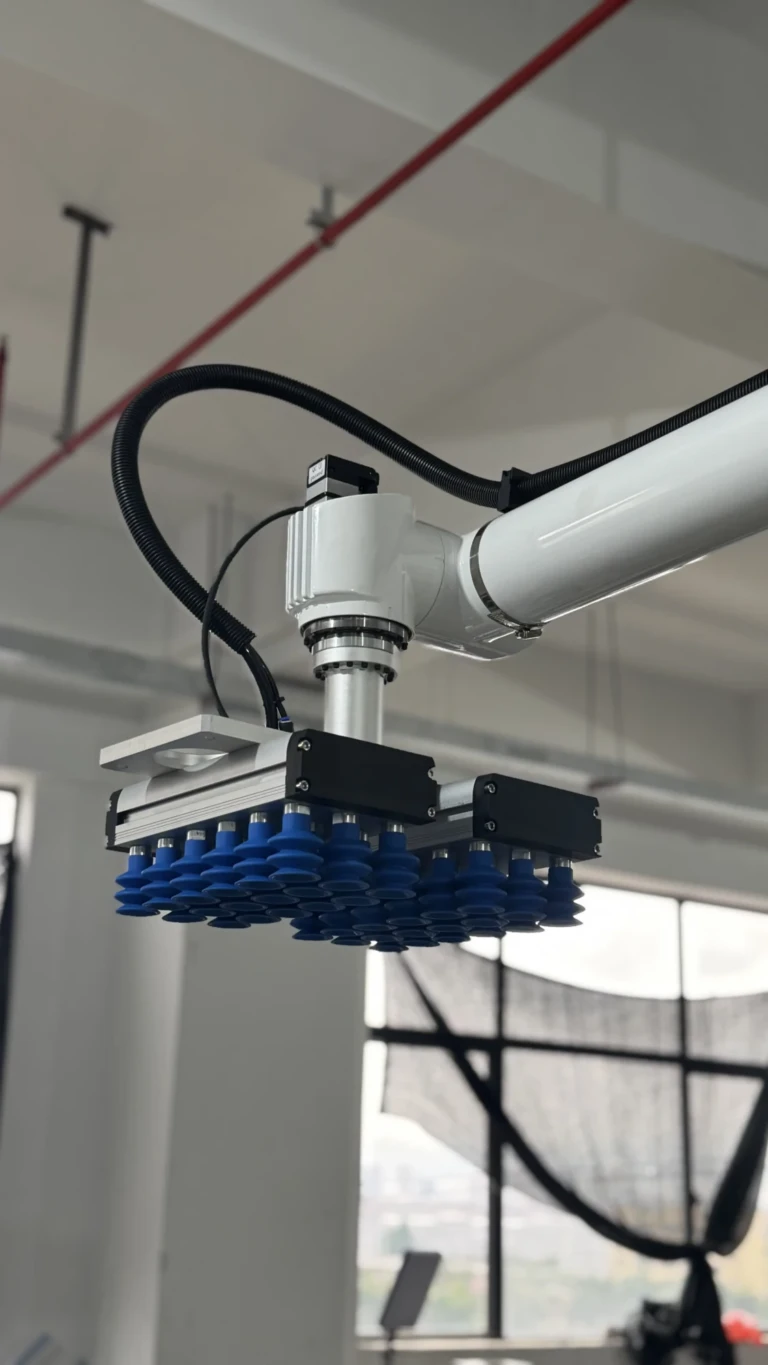
- Vision-Guided Adaptive Grippers: Handle everything from fragile glass bottles to unevenly shaped boxes.
- Payload Range: Models from 5kg to 50kg cater to diverse industries like pharmaceuticals, food & beverage, e-commerce.
- Sustainable Design: Energy consumption tracking and minimized air compressor use lower carbon footprints.
Ideal For: Facilities needing quick scalability or mixed-SKU environments.
2. ABB’s PalletPack 2400
ABB’s flagship high-speed palletizer uses 3D vision and digital twin technology to achieve 180 cycles/minute. Its proprietary software adjusts stacking patterns dynamically for max stability, even as box dimensions shift. Integration with ABB’s Ability™ platform allows predictive maintenance, slashing downtime by 30%.
Ideal For: High-volume CPG, beverage, or automotive parts manufacturers.
3. FANUC M-410ic/110
FANUC’s delta-style robot dominates speed-critical applications, achieving 360 picks/minute with micron-level precision. Its IP67-rated arm operates in refrigerated or dusty environments flawlessly. Dual-gripper configurations handle primary and secondary packaging simultaneously.
Ideal For: Frozen food, dairy, or electronics assembly lines.
4. KUKA KR QUANTEC PA
Built for heavy loads (up to 240kg), the KR QUANTEC PA uses AI-driven path optimization to prevent collisions in tight spaces. KUKA’s “PalletTech” software auto-generates layer patterns from CAD files, eliminating manual programming.
Ideal For: Construction materials, bulk chemical, or appliance industries.
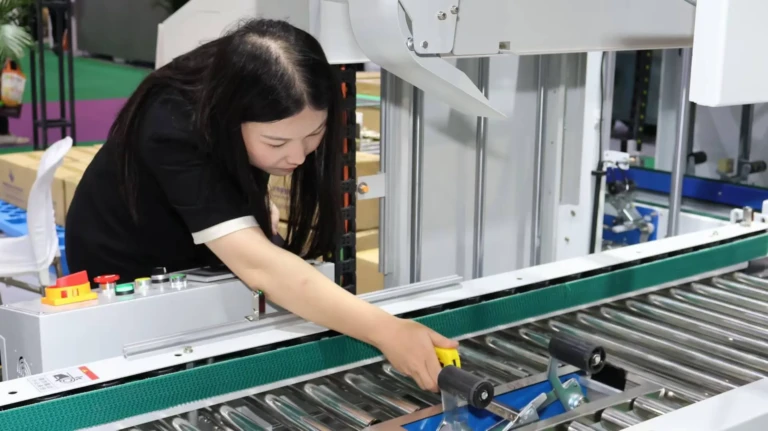
5. Huaxiu’s Fully Automatic Stretch Film & Strapping Systems
Beyond stacking, Huaxiu’s end-to-end packaging ecosystem integrates seamlessly with their palletizers. Their robotic stretch film wrappers adjust tension based on load weight, while auto-strapping robots secure pallets with 3x the speed of manual labor. IoT-enabled compaction metrics ensure consistent shipping compliance.
Ideal For: Warehouses prioritizing "lights-out" packaging workflows.
Critical Selection Criteria for 2024
- Flexibility vs. Speed: Collaborative robots (like Huaxiu’s) excel in variable environments, while delta robots (FANUC) prioritize raw speed.
- Software Intelligence: Look for systems with AI-based pattern generation, such as KUKA’s PalletTech or ABB’s dynamic recalibration.
- Sustainability Features: Energy recovery systems, reduced film usage, and recyclable gripper materials matter for ESG goals.
- ROI Timeline: SMEs benefit from Huaxiu’s modular models with <18-month payback, while high-throughput sites optimize with ABB/FANUC.
Conclusion: Future-Proofing Your Palletizing Process
The 2024 palletizing robot market isn’t just about automation—it’s about intelligent, adaptive, and sustainable automation. Leading systems now blend precision with strategic data insights, making them indispensable for resilient operations. Whether you’re a mid-sized distributor needing Huaxiu’s rapid-deployment cobots or an enterprise leveraging ABB’s predictive analytics, the right palletizer cuts costs, elevates safety, and future-proofs your productivity.
FAQs: Palletizing Robots Explained
Q1: How much does a palletizing robot cost?
A: Entry-level cobots (e.g., Huaxiu’s 5kg model) start at ~$50,000. High-speed delta robots can exceed $200,000. ROI typically ranges from 12–36 months via labor savings and error reduction.
Q2: Can robots handle mixed-SKU palletizing?
A: Yes. Vision-guided systems (like FANUC’s iRVision) scan and adjust to varying box sizes in real time without reprogramming.
Q3: Are palletizing robots safe to work alongside humans?
A: Collaborative models (ISO 10218 compliant) feature force-limitation sensors and emergency stops. Traditional robots require safety fencing.
Q4: What’s the maintenance burden?
A: Most systems need quarterly lubrication and cable inspections. AI-driven platforms (e.g., ABB Ability™) alert teams to wear before failures occur.
Q5: Can existing conveyors integrate with new robots?
A: Leading suppliers offer retrofit kits. Huaxiu specializes in legacy line integration without halting production.
Q6: What about sustainability certifications?
A: Look for ISO 14001-compliant designs (Huaxiu, ABB) and energy recovery modes (KUKA, FANUC).
Q7: How long does deployment take?
A: Cobots: 1–2 weeks. High-speed systems: 6–12 weeks, including programming and safety validations.